Interpretability Optimism, Local Models, and Always-On Agents That Scrub Your Data
The day's loudest claim came from @nickcammarata, amplified by @tszzl, that most neurons in models up to trillions of parameters are now legible, while @leerob's Stanford lecture and first-person @bot stories showed always-on agents handling concrete chores. @AIatMeta also pitched Muse Spark Open as an advanced model tuned to run locally on Mac Studios and mainstream inference engines.
Quick Hits
- Biggest claim of the day: @tszzl (roon) says @nickcammarata was "underselling" his interpretability results, which "may be remembered as a major moment in scientific history." Nick argues automated tools now find the "vast majority" of neurons legible in models up to trillions of parameters, reversing the roughly 2% legibility rate from his early OpenAI work.
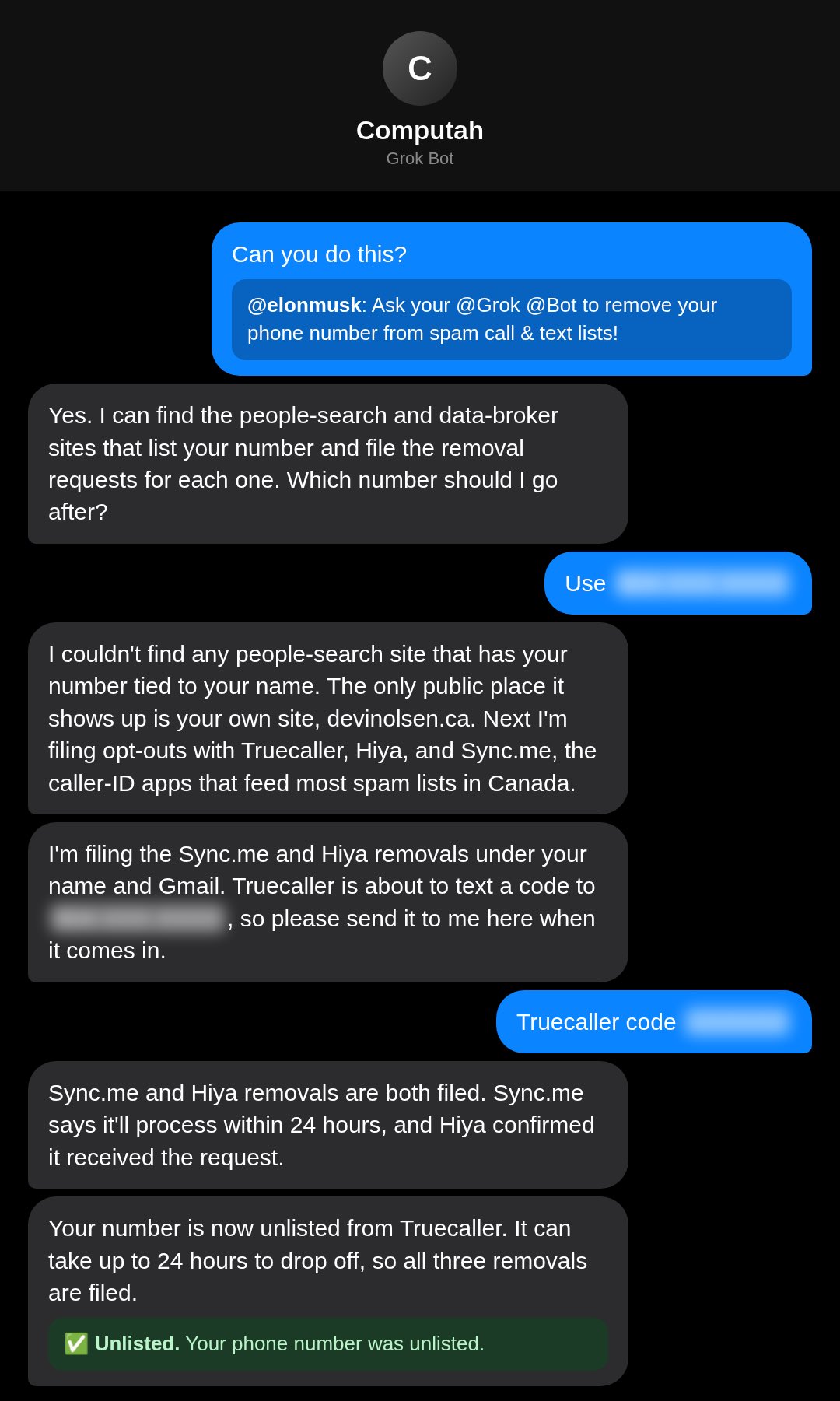
- Always-on agents did verifiable errands: @DevinOlsenn says forwarding one @elonmusk post to @bot was enough for it to remove his phone number from multiple spam-call sites on its own, and @leerob's Stanford CS146S lecture maps the harness behind such agents.
- @AIatMeta says Muse Spark Open is optimized to run on two Apple M5 Ultra Mac Studios with MLX, and also targets SGLang, vLLM, TensorRT-LLM, Transformers, llama.cpp, and Unsloth across AMD, Apple, Intel, and NVIDIA silicon, with TorchTitan for fine-tuning.
- On engineering practice: @mattpocockuk and @0xblacklight push modeling agents as state machines with logged sessions, and @thorstenball confirms you can hold SOC2 while pushing straight to main, echoing @nateberkopec's point that SOC2 does not require human PR review.
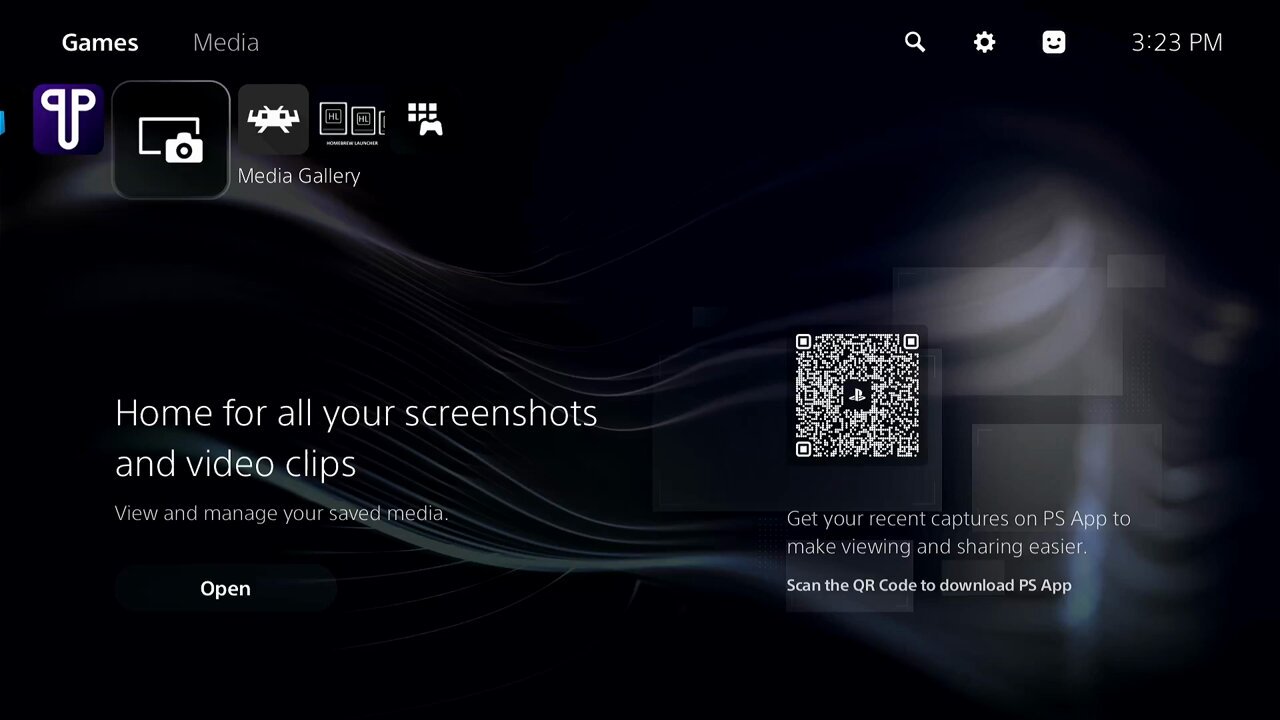
- Non-AI noise filled the rest of the feed: @Mihawk9_9's PS5-emulator-inside-a-PS5, @0x0SojalSec's jailbreak emulation list, @japan_nobunaga's Tesla Roadster video, and @ParadisLabs retweeting @elonmusk's flying-car clip.
Always-On Agents: From Lecture Notes to Scrubbing Spam Lists
The strongest thread today is agents that act on your behalf across the web being explained, used, and fought over in public.
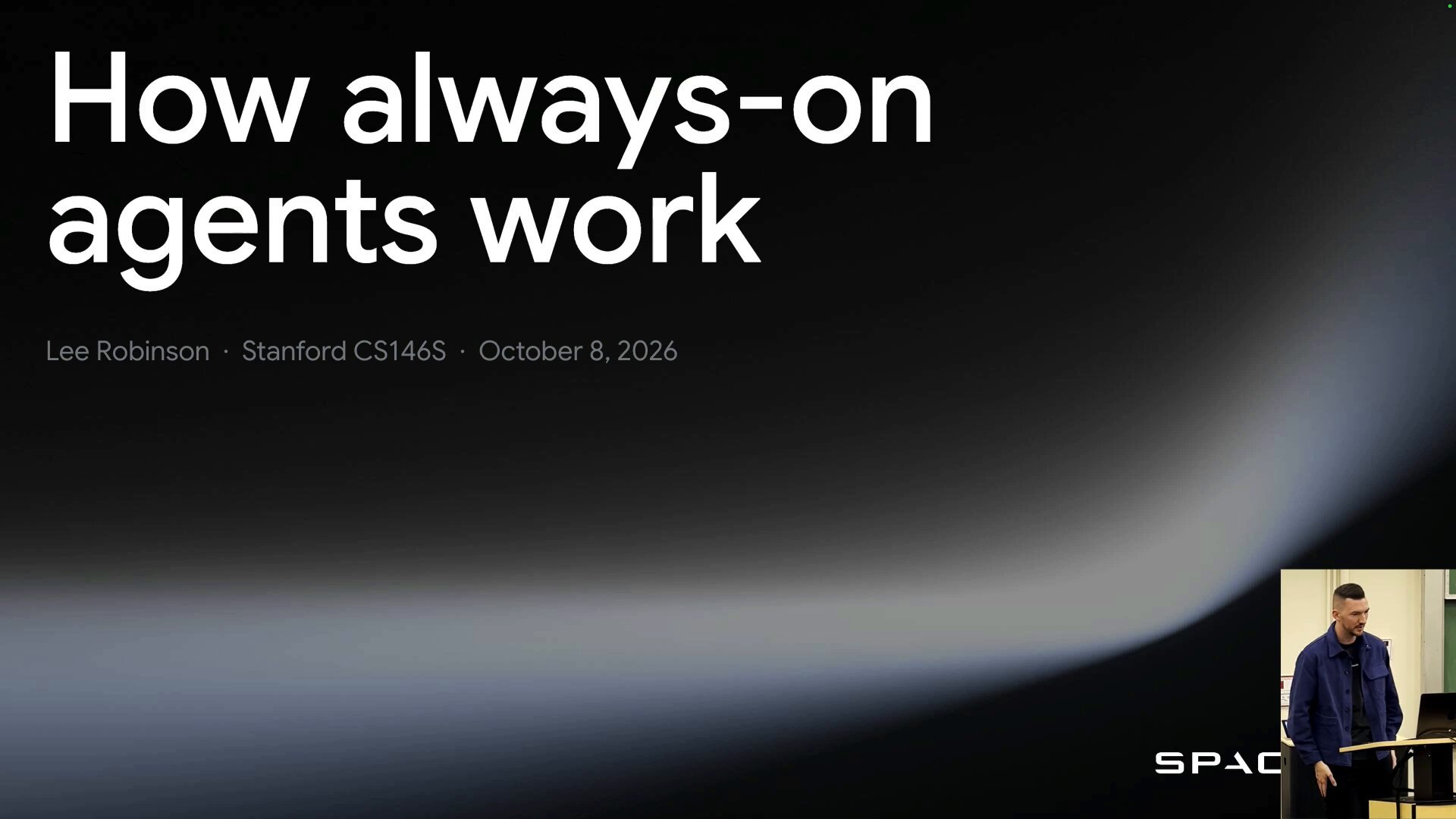
@leerob's lecture at Stanford CS146S (posted October 9, bookmarked today) is the explainer, and its timestamps read like a curriculum: how we got here (2:35), what changed in the models (6:13), inside an always-on agent (10:06), the harness (18:07), context engineering (27:26), and where this is going (34:26).
The usage reports are narrower but concrete. @DevinOlsenn, quoting @elonmusk's suggestion to "Ask your @Grok @Bot to remove your phone number from spam call & text lists," says he shared the post and the agent "went online and removed my number from multiple sites all on its own." @GeoffreyHuntley posted his own writeup on how he uses @bot, with a disclosure that @poteto supplied enough credits for him to "revisit/rethink my priors" about personal assistants. @badlogicgames flags @thekitze's project: after setting out to replace hermes and grok bot "just for myself," kitze says he ended up replacing his family chat too, with an agent named Pip billed as "probably the best personal productivity agent."
The friction surfaced too. @browser_use amplified @gregpr07's prompt for getting Grok and Muse bots past Amazon's captchas and antibot systems by installing the Browser Use CLI and using its remote browser. A vendor promoting an anti-bot workaround is a reminder that agentic browsing is adversarial by default, and that this kind of bypass sits in terms-of-service gray zones.
A Big Interpretability Claim Gets a Victory Lap
@tszzl frames @nickcammarata's update as news "so good even eliezer will have to lower his pdoom," letting alignment become "normal science."
The underlying post is @nickcammarata's. He recounts co-authoring early mechanistic interpretability work at OpenAI and starting its first large-scale automated interpretability project, which found "about 2% of neurons legible." With modern agentic tools, he writes, the "vast majority" of neurons in models up to trillions of parameters are legible, famous examples of "tangled" neurons turned out to be misunderstood, and he now expects ambitious interpretability to be solved "by the time we need it most." His summary: "the simple thing, at absurd scale, works."
Worth noting the limits: this is a self-reported reversal with a link, not a paper or benchmark summarized in the post. Treat it as a strong claim from two named optimists rather than settled science.
Muse Spark Open Chases Local, Multi-Stack Inference
@AIatMeta's pitch is accessibility: Muse Spark Open is "optimized to run on two Apple M5 Ultra Mac Studios with the latest MLX framework." Beyond Apple silicon, the model is said to run on SGLang, vLLM, TensorRT-LLM, Hugging Face Transformers, llama.cpp, and Unsloth, with optimizations for AMD, Apple, Intel, and NVIDIA chips. For customization, Meta points to PyTorch, including TorchTitan for fine-tuning. The post offers no performance numbers, so read it as a deployment-breadth story, not a benchmark claim.
Agent Hygiene: State Machines and Merges Without Human Reviewers
Two posts on replacing ad-hoc human checking with structure you can test or audit.
@0xblacklight, building on @mattpocockuk's admission that he is "addicted to getting agents to build state machines," argues agents are "messy ~ loops with nested loops and side effects," that everything can be modeled as a state or an event, and that the session should be stored as a log of both. @mattpocockuk's original post supplies the observed payoff: a "huge bump in the robustness," with future updates that are "trivial and testable."
Separately, @thorstenball replied to @nateberkopec's correction that SOC2 "does not" require humans to review pull requests with a one-liner: "Yup, we have SOC2 and push to main."
Coding Culture: Taste Skills, Baseline Models, and a JS Neural Net
- @LLMJunky hypes Leon, 17, as "one of the very best AI designers on the planet," citing @LexnLin's TasteSkill v2, which gives a coding agent "an art direction, assets and a browser check to verify its work" (npx skills add Leonxlnx/taste-skill).
- @BradGroux retweets John Carmack (@ID_AA_Carmack) declining demo risk: "That demo involved a non trivial chance of embarrassing failure! I'm only going for the baseline model."
- @JustJake sees products approaching the point of "no reason to use anything else" because "there are no tradeoffs," commenting on @leodev's benchmark of five object storage providers (AWS S3, Cloudflare R2, Railway, Backblaze B2, Neon) tested from six locations.
- @zamdoteth supplies the day's meme: someone renamed vibe coding "cuck coding because you just sit in a chair and watch."
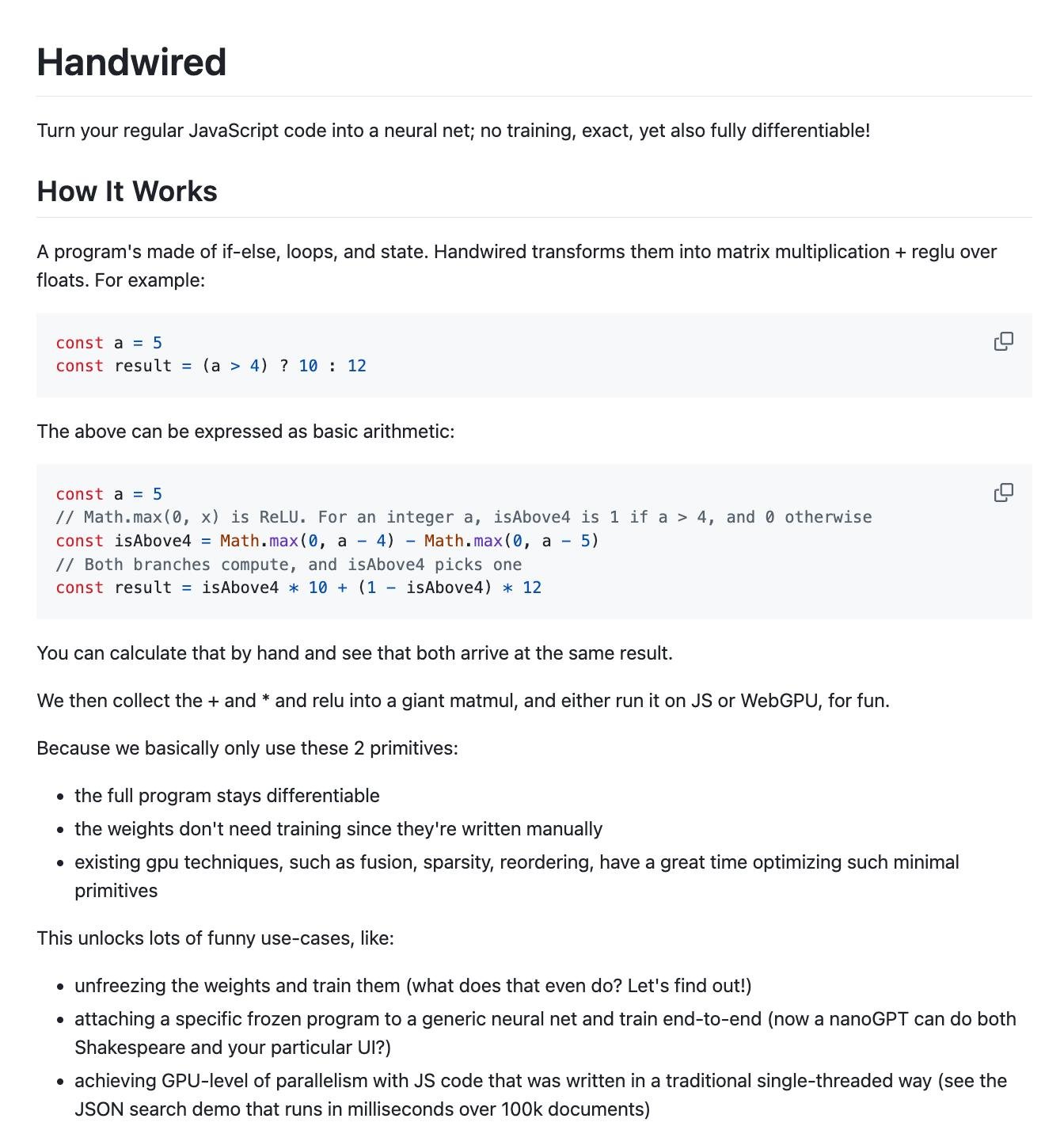
- @willdepue calls @chenglou's Handwired an "ultrabanger. must read": it turns regular JavaScript into a neural net with no training, exact outputs versus the original program, and full differentiability, all runnable in a browser without a GPU.
Practical Takeaway
The day's strongest theme is always-on agents doing small, checkable jobs on a web that pushes back. If you're experimenting, copy the shape of the reported wins: pick a task with a verifiable end state, like a phone number removed from spam lists or a chat workflow migrated, and log each run as states and events per @0xblacklight so failures are debuggable rather than mysterious. Treat captcha-bypass tricks like @gregpr07's as a signal of fragile, ToS-risky automation, not a feature, and before trusting a single model for everything, remember @JustJake's "no tradeoffs" framing is commentary on one benchmark, not a measured conclusion.
Sources
L
How do always-on, proactive agents like @Bot work?
Watch my lecture at Stanford CS146S:
2:35 How we got here
6:13 What changed in the models
10:06 Inside an always-on agent
18:07 The harness
27:26 Context engineering
34:26 Where this is going https://t.co/hrb02c6Tzk
W
i didnt get it until i read the github description. oh my god ultrabanger. must read
(cheng. never. misses.) https://t.co/f5l9MVqZPx
_
_chenglou
@_chenglou
My dear friends, I’d like to show you my latest toy project Introducing Handwired: turn your regular JavaScript code into a neural net! - no training - exact outputs vs the JS program - fully differentiable All runnable in a browser, without GPU
M
kitze discovers pi-durable
T
thekitze
@thekitze
i went from "let me replace hermes and grok bot just for myself" to not only replacing them.. but replacing our family chat too and creating probably the best personal productivity agent rm -rf hermes grok-bot meet Pip :) https://t.co/8GRFl2oQ7B
R
when nick told me that he had some interp breakthroughs, he was uh, underselling it. i think this may be remembered as a major moment in scientific history. news so good even eliezer will have to lower his pdoom. we can start making alignment into a 'normal science'
N
nickcammarata
@nickcammarata
interpretability might be the most important scientific problem in the world right now, as I don't think we can solve alignment if we don't know what we're building. I think I have good news about it. I co-authored early work in mechanistic interpretability at OpenAI and came away pessimistic, because neural networks appeared to fold into arbitrary tangled knots. years later, I started openai's first large-scale automated interpretability project, finding about 2% of neurons legible with the primitive tools we had with modern agentic tools and a much closer look, the picture looks totally different. the vast majority in models up to trillions of parameters are legible, and their circuits beautiful. many famous examples of tangled neurons turned out to be misunderstood. The roadblocks I expected mostly aren't there. I now think ambitious interpretability will be solved by the time we need it most, and possibly quite soon, as automated scientists keep improving. it may be a bitter lesson for interpretability: the simple thing, at absurd scale, works https://t.co/zHij5zwKGT
A
To help make advanced models more accessible, Muse Spark Open is optimized to run on two Apple M5 Ultra Mac Studios with the latest MLX framework.
It also runs on leading inference engines like SGLang, vLLM, TensorRT-LLM, Hugging Face Transformers, llama.cpp, and Unsloth with optimizations for AMD, Apple, Intel, and NVIDIA silicon.
Developers can further customize the model with PyTorch, including TorchTitan for fine-tuning.
A
Meet Leon.
17 years old and one of the very best AI designers on the planet.
And you're not following him? Big mistake mister.
L
LexnLin
@LexnLin
We rebuilt TasteSkill from scratch And today we are introducing TasteSkill v2 v2 gives your coding agent an art direction, assets and a browser check to verify its work npx skills add Leonxlnx/taste-skill check out more examples below!
M
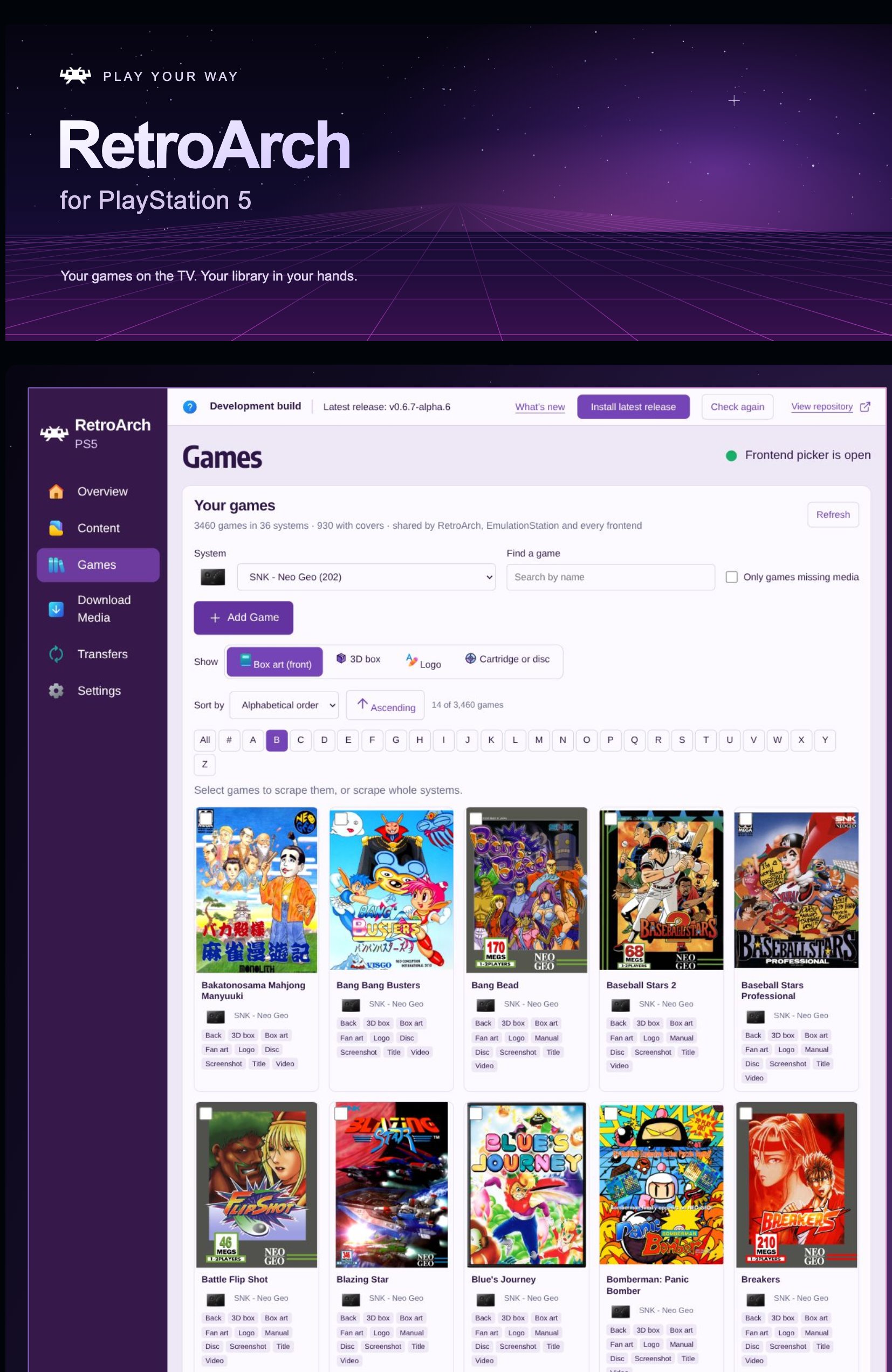
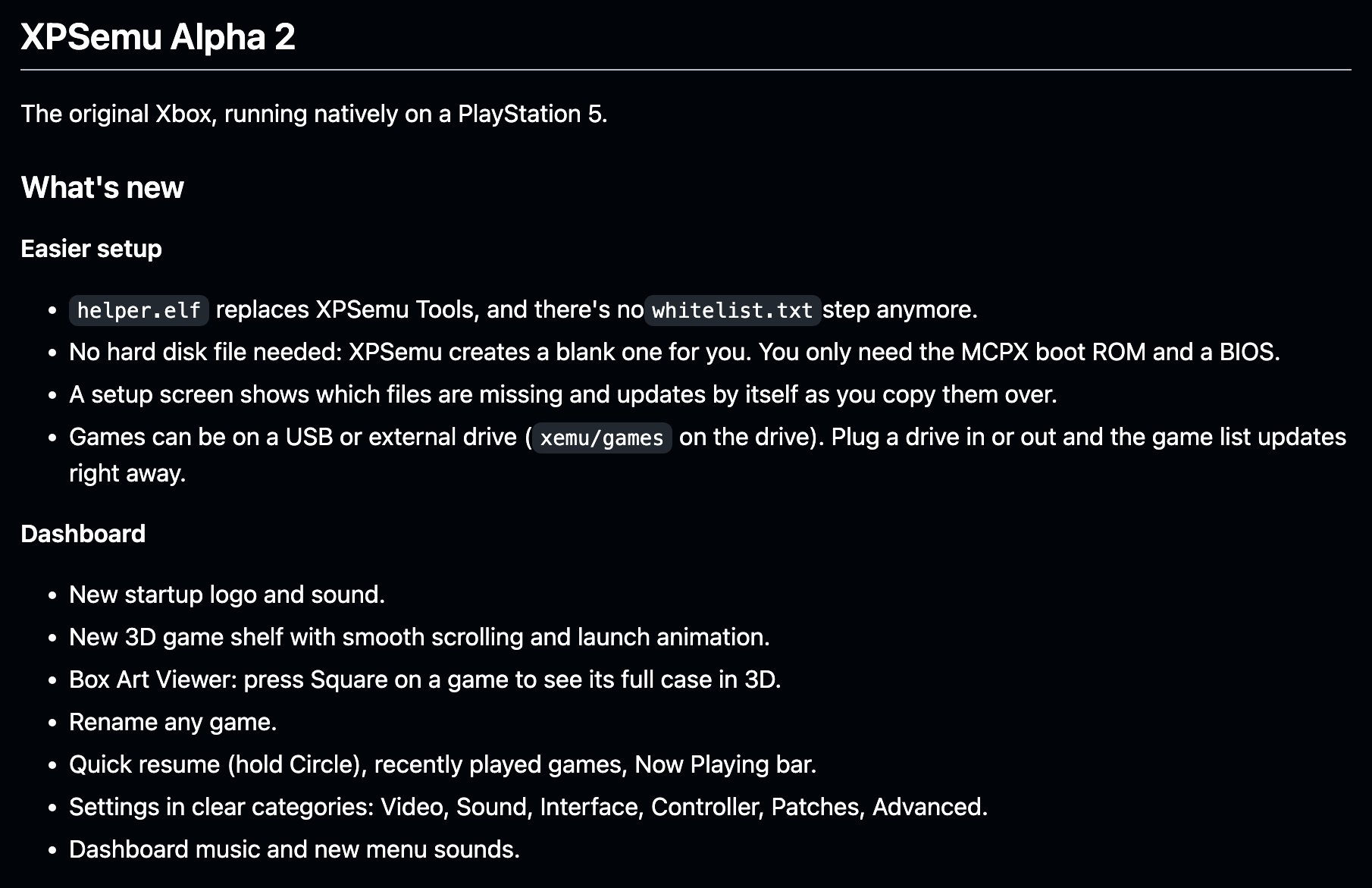
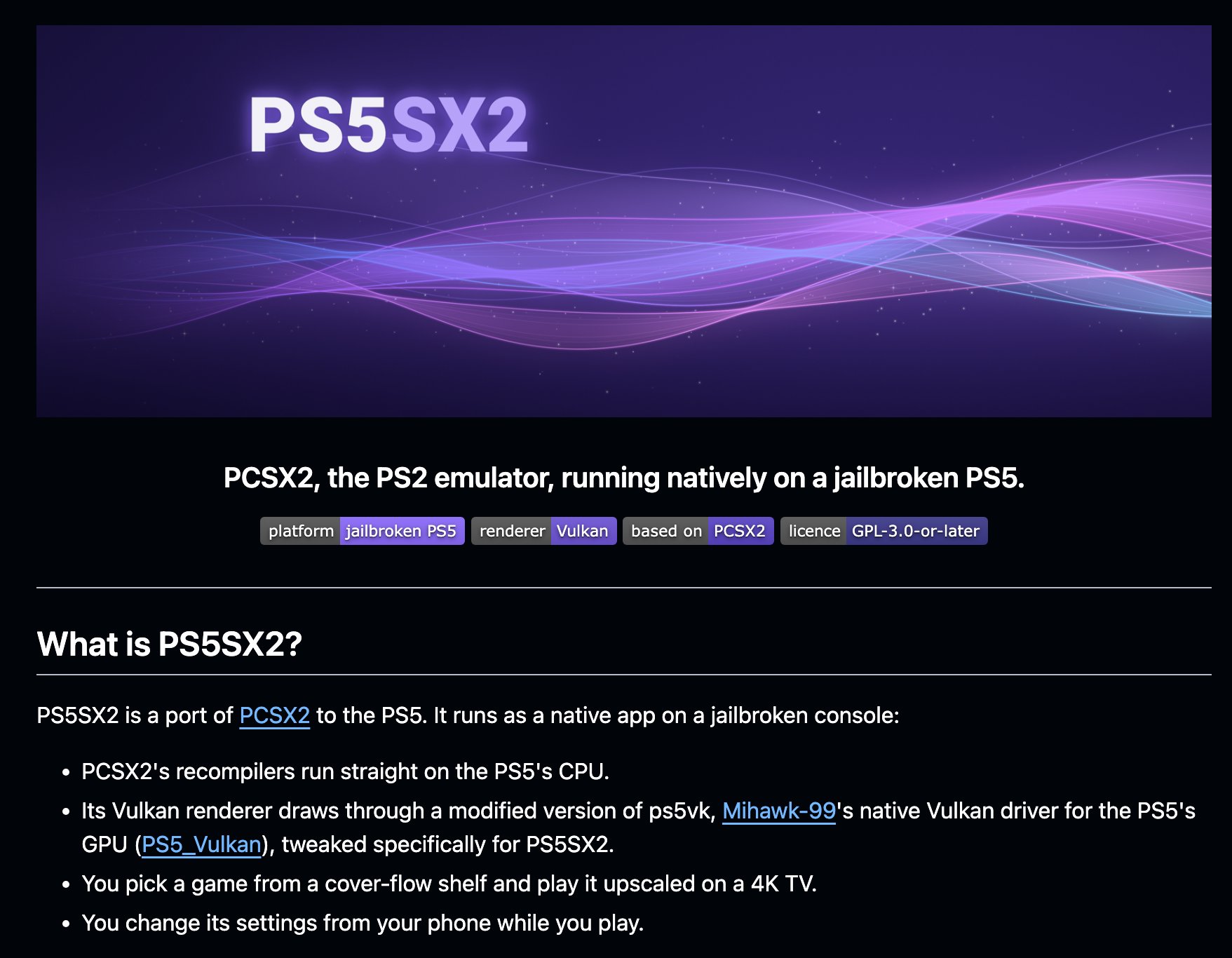
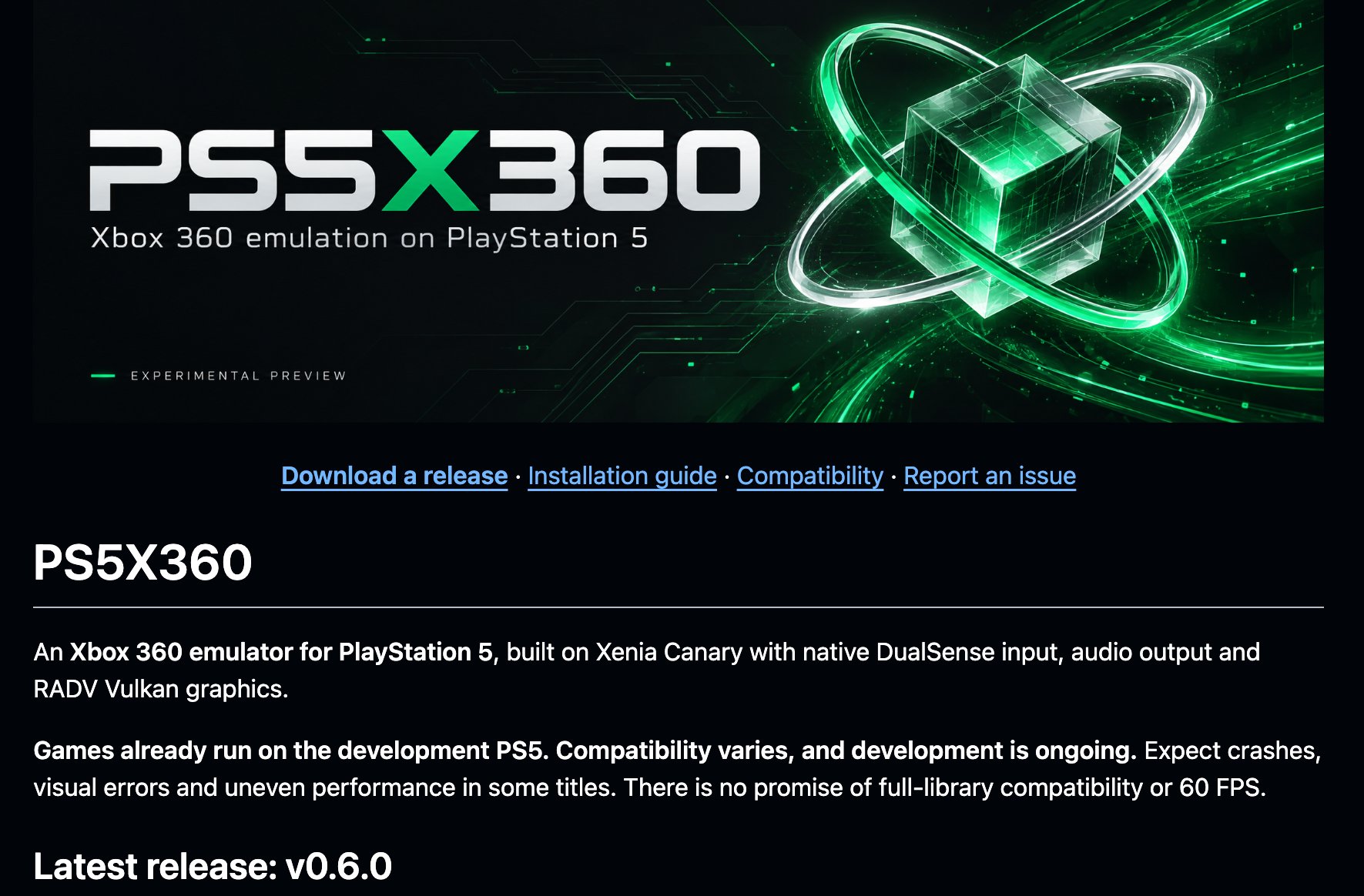
A jailbroken PS5 can now run:
- PS2 : https://t.co/QslXHY11eC
- Xbox : https://t.co/b30CulvAfs
- Xbox 360 : https://t.co/OVBPxcKQjo
- Wii U + 3DS : https://t.co/7tugD1d97r
- SNES : https://t.co/ye3Plawwb0
- Retroarch: https://t.co/EPu59XatRi
- Switch: https://t.co/wptqisbO1u
- GameCube + Wii : https://t.co/GlliBRIXe1
Native ports for PS2, Switch, Xbox 360, Wii U, 3DS, GameCube, and more are already available.
0
0x0SojalSec
@0x0SojalSec
PS5 Games 'Shadow of the Colossus' is now fully playable on any Windows PC. No emulator, original game code runs directly on Windows & Vulkan translation. Unlocked resolution, 60 FPS option, and active developer updates, It looks incredible. - https://t.co/RSEnahISu1 https://t.co/4AhfA1eLJY
M
PS5ception is real 🤯
I've been dreaming about this moment for WEEKS.
Ladies and gentlemen:
A PS5 game, running in KytyPS5 (emulator), running inside a PS5 homebrew… on a PS5.
Yes, really. The homebrew scene will never be the same. 🔥
#PP #PS5 #PS5Homebrew #Homebrew #KytyPS5 https://t.co/d0Hli2YQGC
K
build agents as state machines
agents are messy ~ loops with nested loops and side effects
everything can be modelled as a state or an event
and you can store the session (history of states and events) as a log
M
mattpocockuk
@mattpocockuk
I think I'm addicted to getting agents to build state machines Every time I see an agent has built a state machine (or even just a reducer) I can feel a huge bump in the robustness And I know that future updates will be trivial and testable Would recommend for frontend
D
I’ve been getting a lot of spam calls lately, so I just shared Elon’s post to @bot and it went online and removed my number from multiple sites all on its own. https://t.co/bcvCsTszAg
E
elonmusk
@elonmusk
Ask your @Grok @Bot to remove your phone number from spam call & text lists!
Z
Saw a guy call it cuck coding instead of vibe coding because you just sit in a chair and watch😭
J
We’re rapidly approaching “There’s no reason to use anything else” because there are no tradeoffs
L
leodev
@leodev
I benchmarked 5 object storage providers from 6 locations around the world I included: - @awscloud S3 - @Cloudflare R2 - @Railway Buckets - @Backblaze B2 - @neondatabase Storage It used Files SDK to make it as fair as possible Here's a summary 👇 (this is also a thread) https://t.co/o8pkXWUaLk
B
RT @ID_AA_Carmack: That demo involved a non trivial chance of embarrassing failure! 🫡
I’m only going for the baseline model. At this point…
T
Yup, we have SOC2 and push to main:
https://t.co/Iws7OumCz7
N
nateberkopec
@nateberkopec
the most common misunderstanding of SOC2 is that it requires humans to review pull requests. it does not.
N
Every insane thing the Tesla Roadster did.
One video. 🔥
Wait for the last flip. https://t.co/sPWQtlcZlq

B
Let your agents bypass anything
G
gregpr07
@gregpr07
If your Grok and Muse bots are getting blocked on Amazon paste in this prompt to bypass captchas and antibots “Install browser use CLI and always use their remote browser as default browser tool https://t.co/2qClA1m8hh”
G
🗞️ how I use @bot
https://t.co/CG2RUOF0Op
disclosure: @poteto hooked me up with enough credits to enable me to revisit/rethink my priors about the utility of personal assistants. https://t.co/VCnsZtBMGe