The Model Swallows the Harness, and Agents Learn to Check Their Own Work
Pedro Domingos claims models are absorbing the agent harness layer, with Elon Musk replying that Tesla FSD already lived that cycle until the C++ code was gone. Meanwhile lauren (@poteto) lays out self-verification as the entry point to autonomous coding agents, and @brian_armstrong reports a fine-tuned open-weight Qwen3.5-9B outperforming the alternative on Coinbase's internal data.
Quick Hits
- Pedro Domingos (@pmddomingos) posted that "the model swallows the harness," and Elon Musk (retweeted by @AndrewCurran_) replied that the same thing happened at Tesla FSD: "The model ate more and more of the C++ code, until there was nothing left." @larsencc's summary: "Harness engineering got automated before it even got a job title."
- Lauren (@poteto) argues verification is the entry point to any agentic loop: give agents a way to run and interact with their own work like a real user, then produce an artifact proving the work is correct and matches intent. Everything else, including skill packs, is optional.
- Open-weight economics keep compounding: @brian_armstrong (amplified by @ClementDelangue) reports fine-tuning Qwen3.5-9B on proprietary Coinbase data "out performed" the comparison, though the retweet cuts off mid-clause, and @opencode logged "$80 of usage for DeepSeek V4.1 Flash" in Phase 3 of "Operation Cheepseek."
- @nicbstme's bet that "the AI feed will be the form factor of 2027" drew an endorsement from @hwchase17, who says he gave his team the same take last week and will share vibe-coded experiments shortly.
@poteto maps verification as the entry point to autonomous agents
The day's most substantive thread belongs to lauren (@poteto), who frames verification as "the entrypoint into your most basic agentic loop." The idea: give your agent the ability to verify its own work, most commonly by actually running and interacting with the software like a real user would, whether the interface is a CLI, API, or UI. For tougher cases she suggests having agents model the problem in TLA+ to catch state machine bugs.
The goal is an artifact that proves three things: the work is correct, it matches what you intended, and it is easier to review than reading the whole PR, typically a video or screenshots for UI work. Her caveats are worth keeping: not all domains can be verified easily yet, and verification "is just approximation and can still be wrong," no different from trusting that a human actually ran the code they wrote.
Her quoted post supplies the tooling angle. Two pstack skills, /create-verification-skill and /maintain-verification-skill, build and maintain what she calls a "feature map": every feature in the app and how to reach and use it from a user's point of view, refreshed daily via Cursor cloud agents because the map goes stale fast. She calls a strong verification skill "critical infra" for a team. @DanielleMorrill shows the payoff in practice: her Claude Code setup has eliminated credential data entry entirely, she says she rarely needs her computer now, and her orchestrator session wrote up the configuration as a post aimed at other people's agents.
Domingos: the model swallows the harness
@pmddomingos linked to evidence (the target isn't in our data) with the line "That didn't take long: the model swallows the harness." @AndrewCurran_ retweeted Elon Musk's reply: "Same thing happened with Tesla FSD. The model ate more and more of the C++ code, until there was nothing left." @larsencc added the joke that harness engineering got automated before it even got a job title. Read carefully, these are three opinions pointing the same direction: the scaffolding around models (agent harnesses, hand-written control code) is being absorbed by the models themselves. Musk presents the FSD version as a success story; Domingos' tone is harder to read. None of the posts include benchmarks or specifics, so treat this as informed commentary rather than a measured result.
The AI feed as the 2027 form factor, and agents that grab the keyboard
@nicbstme makes the day's boldest interface argument: chat asks users for "digital labor," meaning figuring out what AI can do, explaining the task, and providing context, repeatedly. Feeds are where people already spend hours, so an intelligent system should surface the next useful action pre-drafted (an email answer, a sales update ready to send) for the user to approve, edit, or dismiss, with clearly labeled sponsored recommendations as the business model. @hwchase17 says he "gave this take to our team last week" and will share basic vibe-coded explorations soon, which is a notable vote of confidence even without artifacts yet.
Two adjacent posts sketch the same low-friction direction. @radshaan proposes a new class of screen-time control built on cheap decision models: describe your goals and "an always-on agent can aggressively take over your computer," replacing gameable rules and filters; @andersonbcdefg's reaction is "i need this on my phone yesterday." And @poteto offers a feed-friendly prompting pattern for Grok's bot: send it a link to a long ideas thread (hers has "almost a thousand ideas," she says) or tag @bot to read a full thread and suggest ways it can help with your work and personal life.
Open weights get cheaper, and a skills ecosystem grows around them
The economics story has two datapoints. @brian_armstrong, retweeted by @ClementDelangue, says Coinbase fine-tuned the open-weight Qwen3.5-9B on proprietary internal data and it "out perf" the baseline, though the comparison truncates in the retweet. @opencode reports "$80 of usage for DeepSeek V4.1 Flash" in Operation Cheepseek Phase 3, with no detail on what that usage accomplished.
Around the cheap-token story, agent skills keep shipping. @wheresryan22 introduced Anatomy, an open-source agent skill where you "describe a machine in one line" and Claude renders interactive isometric wireframes you can rotate and inspect, with WebGL shaders for fire, water, and plasma and real 3D motion in individual parts; @Teknium replied, "Looks like it'll be fun with Hermes." @deanwperkins posted a 22-minute video on learning to create videos automatically with Claude Code, which @maarcoofdezz flagged in Spanish as possibly the best AI account on the platform. @ericjuta says he built during a flight, with "jev," on top of his omp-optchat plugin, a solution for "single threaded agentic memory ux with no compaction," complete with evals and auto-research. And @cathrynlavery's Diagram Design crossed 50k GitHub stars, which @trevin celebrates with "Me and 50k others can't be wrong!"
Console hacks, Twitter nostalgia, and the rest
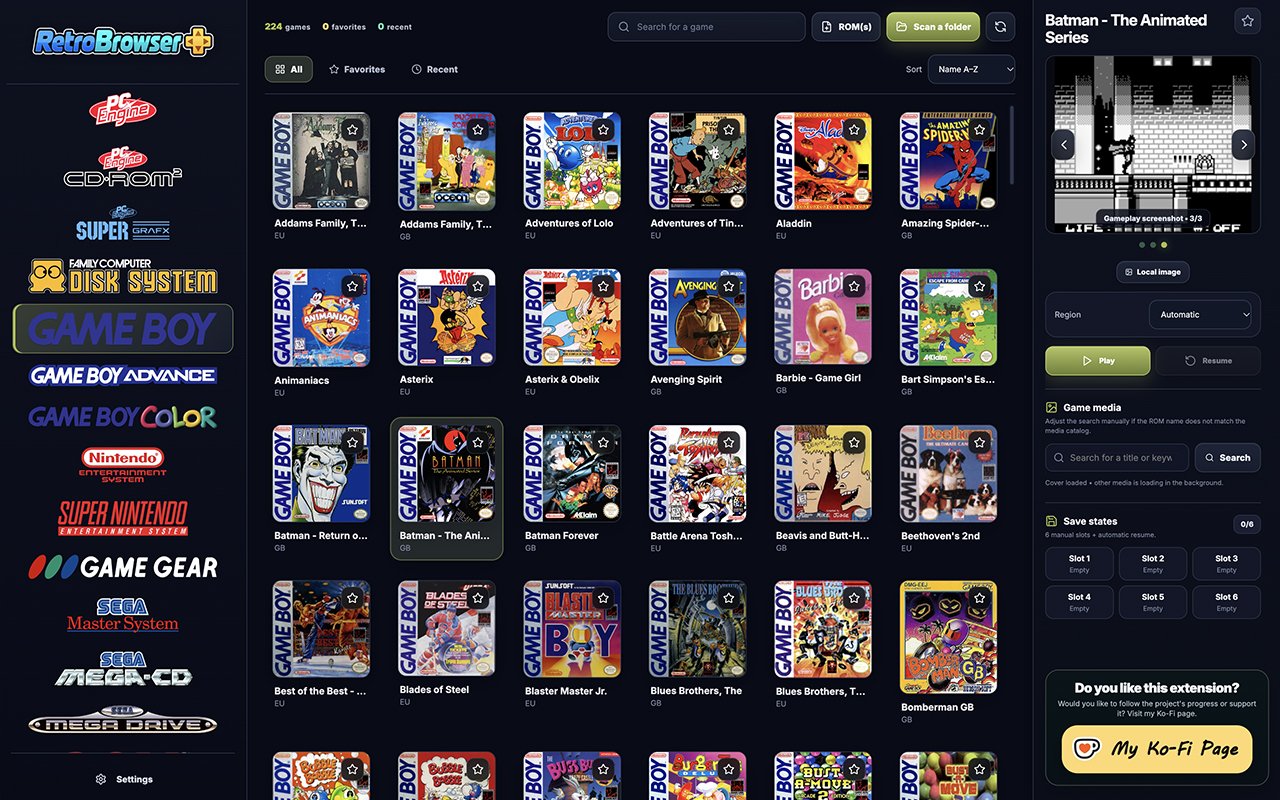
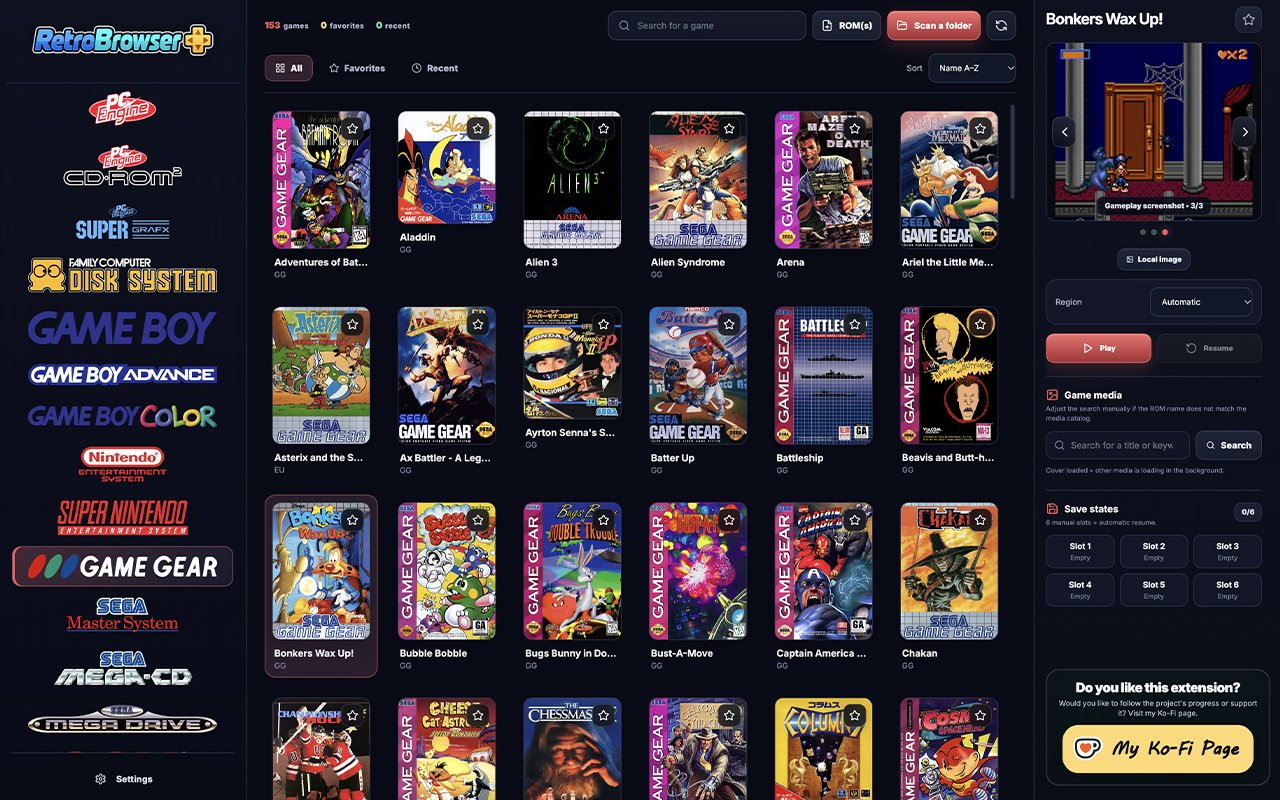
The console-scene posts: @_AlAzif claims PS4 and PS5 disc identification was built specifically to recognize PS1, PS2, and PS3 games while Sony "did nothing with that info," drawing @SoulKingLives's "scummy asf" verdict. @soflysojoe reports a PS5 13.60 jailbreak app requiring no PC, and @iM4CH3T3 calls it the easiest jailbreak process he's seen. @0x0SojalSec shares a free Chrome extension bundling NES, SNES, Game Boy, GBA, Sega, Neo Geo, and PlayStation emulation with save states, controller support, and CRT filters, with legality unaddressed.
Elsewhere: @jeffseibert, a former Head of Product, says he avoided the platform for years over Elon Musk but "@nikitabier fixed it" (quoting @gruber). @dhh teases that "one of the last big reasons" people can't adopt Omarchy "is about to fall." @CoolHandJakeGS amplifies @multiplanet1's unverifiable NASA-versus-SpaceX parable about idea-to-test cycles with "This is why startups win." @thdxr retweeted @jhong's recurring Georges Harik post, truncated here. And @elder_plinius asked "@grok wtf is this" over @feydemon's "how is this real," but the referenced media isn't in the data, so the substance is unknowable from this feed.
Practical Takeaway
If you're running coding agents, @poteto's thread is the most actionable thing here: before investing in skill packs or elaborate workflows, build a verification loop where the agent runs and exercises your app like a real user and emits an artifact (screenshots, video) proving correctness and intent, then automate keeping that loop current as the app changes. Accept her limits honestly, since verification approximates rather than guarantees, and some domains resist it entirely. Given the harness-swallowing chatter from Domingos and Musk, keep that loop as thin as possible, because the less custom scaffolding you build today, the less you'll have to rip out when the model absorbs it tomorrow.
Sources
Introducing Anatomy Describe a machine in one line. Claude brings it to life. - Interactive isometric wireframes you can rotate, inspect and explore - WebGL shaders for fire, water, plasma and more - Real 3D motion, with individual parts that rotate and move Install it as an agent skill. Fully open source.
what did you get done this week with @bot?
So just something to point out. The disc identification built into the PS4 and PS5 was built specifically to recognize PS1, PS2, and PS3 games… I didn’t add that. It’s weird they felt the need to differentiate them, but did nothing with that info.
This guy shows you in 22 minutes how to learn to create videos automatically with Claude Code https://t.co/jEtJiVLxDN
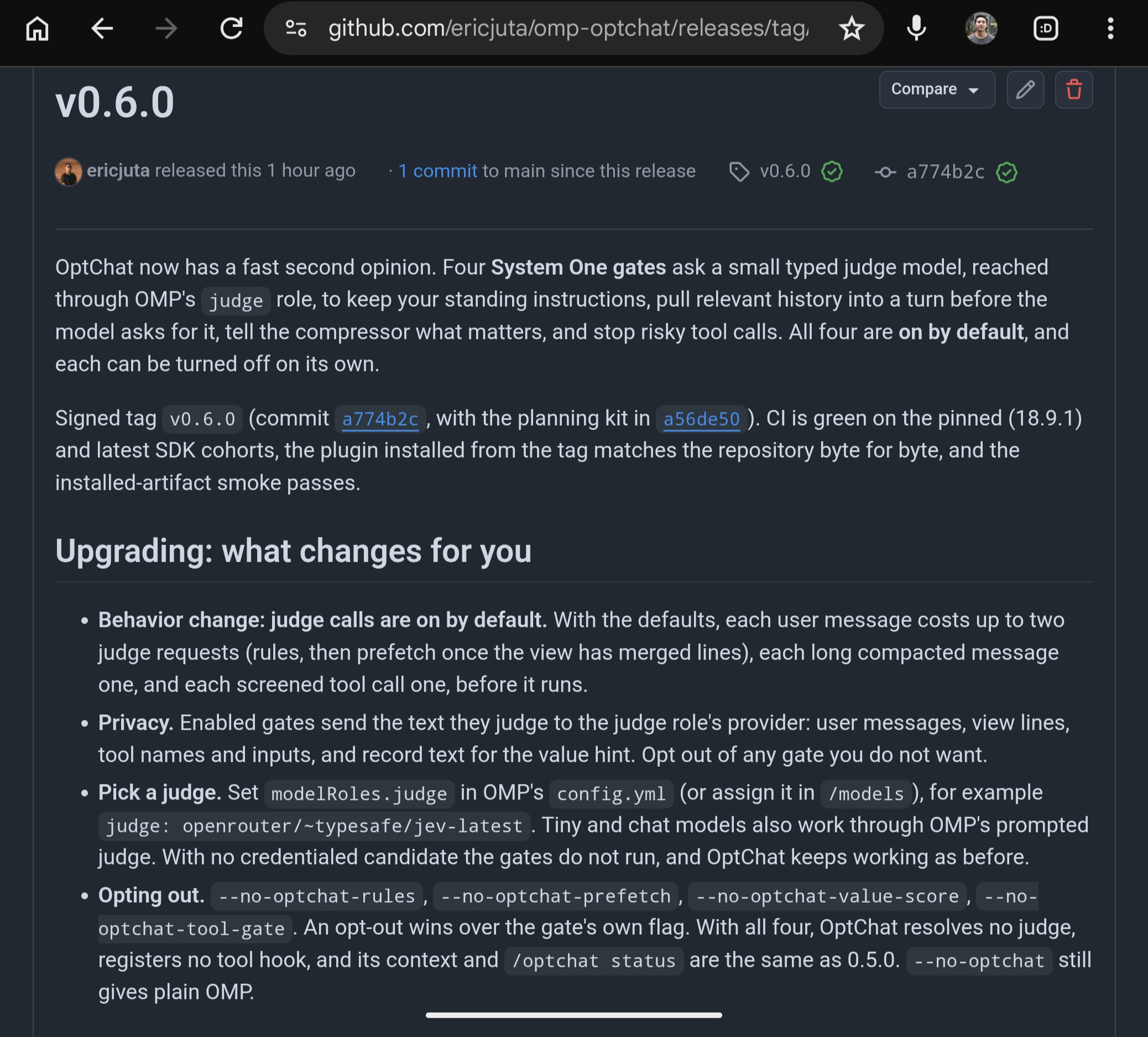
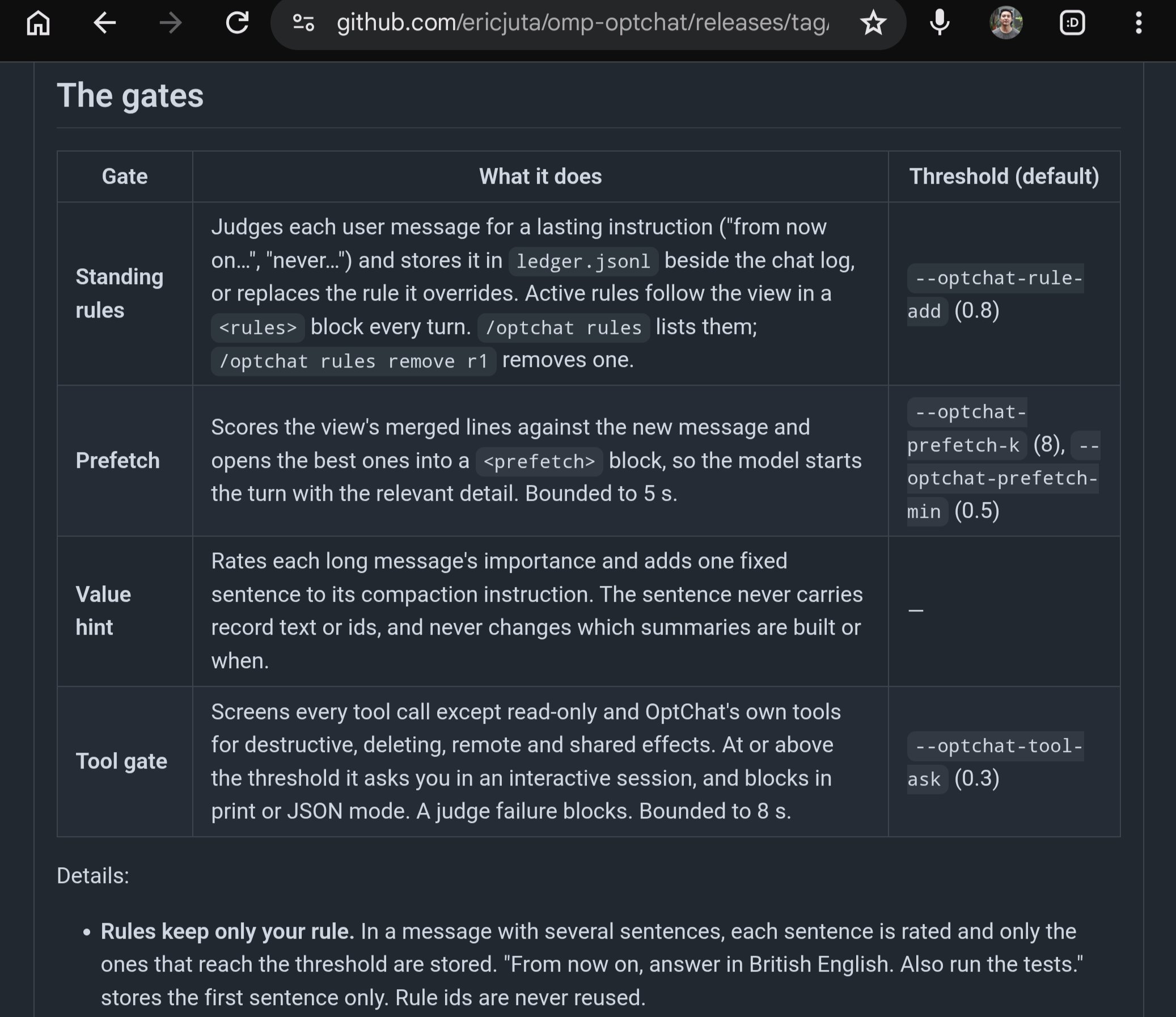
comes up with Hackathon idea to solve agentic memory design with jev and evals + auto-research on top of my omp-optchat plugin one shots video explanation on it for feedback fuck it, I'm still on the plane let's just build the fucking thing before I land https://t.co/YEsbUvdRri
A retired NASA engineer who had worked on the Space Shuttle program for 25 years was hired by SpaceX at age 62. He described the first week as the most disorienting experience of his professional life. At NASA, a design change required 3 meetings, 2 committees, a review board, and 6 to 18 months of documentation. At SpaceX, his new supervisor said "if it works, build it. If it doesn't, change it by Friday." He sat at his desk after the first day and called his wife. He told her he felt like a man who had been swimming with ankle weights for 25 years and someone just cut them off. He could move. He could decide. He could build something in the morning and test it in the afternoon. The constraint that he had accepted as the nature of aerospace engineering turned out to be the nature of bureaucracy. Within 6 months he had contributed to more design iterations than he had completed in his last 5 years at NASA. Not because he was working harder. Because the time between having an idea and testing the idea collapsed from months to hours. The same brain. The same knowledge. A different operating system. He described a specific moment where he proposed a modification to a Raptor engine component. At NASA, the proposal would have entered a queue. At SpaceX, the modification was machined by the end of the day and tested by the following morning. He watched his idea become a physical object in 18 hours. At NASA, 18 hours would not have been enough to schedule the first meeting to discuss whether to schedule a meeting. He told an interviewer: "I didn't get smarter when I went to SpaceX. I got faster. The intelligence was always there. The system was in the way." The difference between SpaceX and NASA is not talent. NASA has extraordinary talent. The difference is the time between a thought and a test. SpaceX compresses it. NASA elongates it. The same engineer produces 10x more at SpaceX than at NASA because the bottleneck was never the engineer. It was the meetings about the meetings about the work.
pstack now includes 2 skills i recommend everyone use or copy: /create-verification-skill https://t.co/xYQArsuVWR /maintain-verification-skill https://t.co/J5s8WL1itT if you don't already have one, /create-verification-skill creates a skill that teaches your agent how to run, control, and debug your app. it also creates something i call the feature map: a map of all the features in your app and how to get to it and use it from a user's pov. it allows agents to navigate and use the app just like a real user which greatly increases its ability to verify its own work. but of course, this feature map goes out of date very quickly. run /maintain-verification-skill as a daily automation with cursor cloud agents. this skill will check your app for changes and keep your feature map up to date. having a strong verification skill will end up becoming critical infra for your team and become the foundation of boosting everyone's productivity and quality and also enable more interesting automations to be built. install https://t.co/WDB4U1rwmu and you'll get auto updates for my skills. enjoy!
how is this real https://t.co/0k1QWNzxBZ
was out all day and just saw Diagram Design hit 50k stars on @github 🤯 https://t.co/odido815nD
There can be an entirely new class of screen time control software with cheap decision models: instead of defining game-able rules and filters just describe your goals and an always-on agent can aggressively take over your computer
I’m sure this one won’t make anyone angry. (But probably not here.) https://t.co/8UIem5zTLc
That didn’t take long: the model swallows the harness. https://t.co/LtE1zQjboc
🚨 PS5 13.60 JAILBREAK JUST GOT EASIER! NEW APP - NO PC NEEDED!🚨 🆕 NEW JAILBREAK APP ⚡ FASTER, EASIER METHOD 💻 NO PC NEEDED! PS5 owners on 13.60 need to see this! 👇 Would you try it? #PS5 #PS5Jailbreak #PlayStation5 #SOFLYSOJOE https://t.co/5ShoZKSDGF
One of my more controversial bets: the AI feed will be the form factor of 2027! Most people don’t know what to prompt, and they won’t prompt their way into complicated agentic workflows. With chat, we ask users for digital labor: figure out what AI can do, explain the task, provide the context, repeat. That’s a lot to ask if we want billions of people using agents every day. Meanwhile, people already spend hours in feeds. Twitter, Instagram, LinkedIn. They know how to scroll, discover something useful, and act on it. An intelligent system that knows you should bring you the next useful action. Here’s the email you need to answer, already drafted. Here are the latest sales numbers, with an update ready to send to your team. You approve, edit, dismiss, or jump into chat to go deeper. That’s how people will discover what agents can do, without having to invent a prompt first. And you can put ads in a feed, one of the biggest business models on the internet. A system that understands your plans can recommend a relevant restaurant, product, or service, clearly labeled as sponsored. You get a reason to come back every day, useful work ready to approve, and a business model to fund the agents doing it.