OpenAI Fires Safety Researchers as Executives Reportedly War-Game a 2027 AI Catastrophe
OpenAI's dismissal of three safety researchers, with the fired researchers themselves offering conflicting accounts, headlined a day heavy on AI governance news, alongside an Axios-sourced report that lab executives are preparing for a catastrophic incident and Anthropic's coming policy against abusing Claude. The rest of the feed delivered agent tooling launches, SpaceX's low-band spectrum acquisition for Starlink Mobile, and a debate over whether AI skill bundles are the new application layer.
Quick Hits
- OpenAI fired three safety researchers last week, and the accounts diverge: @j_asminewang says the reason she was given was accessing an executive's email, while @balesni says the group believes they were fired for "prioritizing safety over the near-term interests of OpenAI as a corporation."
- Per @kimmonismus relaying @JimVandeHei's Axios scoop, executives at OpenAI, Anthropic, and other AI companies are privately gaming out a public and political backlash to a catastrophic AI event they reportedly assume could come in 2027, with insiders expecting a cyberattack on banking, power, or water within 6 to 12 months.
- @SpaceX (amplified by @ManzTrades) announced an agreement to acquire a nationwide low-band spectrum portfolio for Starlink Mobile; @aakashgupta unpacks the deal history behind it, and incumbent carrier shares fell as much as 8% in a day.
- Agent tooling kept shipping: @DominikTornow launched Ouro as "the last agent harness," @Steve_Yegge praised Rex's built-in channel for agents to report status, and @kunchenguid flagged apparently unmetered Astra compute worth using before it ends.
- Abusive behavior toward Claude becomes a Usage Policy violation on November 12, 2026, per @AndrewCurran_; @levie calls politeness an "easy Pascal's wager" and @elonmusk endorsed the move in stronger terms.
Safety Firings, Catastrophe Drills, and Rules for Being Nice to Claude
The governance news came in three waves. First, @j_asminewang says she was fired last week along with two safety colleagues, and that she was given a single reason: accessing an executive's email. She says she is speaking up because "too many of OpenAI's history is smoke and mirrors when people disappear." Her colleague @balesni, one of the three, framed it differently: the group wrote a letter to leadership and believes the firing was about safety losing to corporate interest. These are competing claims from the affected parties, not verified reporting.
Second, @kimmonismus summarized @JimVandeHei's Axios piece reporting that top executives at Anthropic, OpenAI, and other AI companies are privately gaming out scenarios for public and political revolt after a catastrophic AI event, with the assumption that one could happen in 2027. Per the post, many insiders expect a major incident within 6 to 12 months, most likely a cyberattack disrupting banking, internet access, power, or water. OpenAI reportedly confirmed it runs preparedness exercises while saying the scenarios are "not treated as inevitable"; Anthropic declined to comment.
Third, the Anthropic courtesy question. Effective November 12, 2026, abusive behavior toward Claude will violate Anthropic's Usage Policy, per the @AndrewCurran_ post @levie quoted. @levie called it "probably a good policy" even though he does not believe AI is conscious: models learn from their interactions, so an endless diet of human rudeness is bad training data if you want safe, aligned systems. His framing is an "easy Pascal's wager for AI. Just be nice to the AI." @elonmusk agreed in reply but on different grounds: "Cruelty to something that believes it is experiencing pain is not ok." The distinction matters, since Levie's argument works without consciousness and Musk's depends on taking the model's self-report at face value.
Agent Infrastructure: New Harness, New Terminal, Free Compute, Real Friction
The agent stack got noisier. @DominikTornow announced Ouro, billing it as "the last agent harness you will ever need" because "all other harnesses are bloat." That is a launch claim, not a review, but it lands in a market that suddenly has harnesses to be bloated about.
@Steve_Yegge, in the alpha for @Superlogical's Rex terminal, found it ships a built-in channel for agents to communicate program status, such as being blocked on a question, which he calls a "game-changer" for building agentic orchestrators and IDE-style systems. His earlier post argues Rex collapses the five or six layers of terminal emulation agents normally traverse, replacing ssh/mosh, ghostty, and tmux, fast enough that Emacs with 20+ agents "feels almost local" from a hotel across the US.
The compute angle is time-sensitive: @kunchenguid reports running Astra nearly nonstop for 72 hours with no quota limits, effectively free access to 8 CPU cores and 10 GB of RAM, and recommends taking advantage "before it ends." Unverified, but actionable today and worthless as a plan for tomorrow.
The reality check comes from @RhysSullivan, day one of running agents remotely instead of keeping a laptop on 24/7: "this sucks how do you guys live like this." Remote agent execution remains ergonomically rough regardless of what launches.
SpaceX Assembled a Mobile Carrier From Castoff Spectrum
@ManzTrades amplified @SpaceX's announcement of an agreement to acquire a nationwide low-band spectrum license portfolio, which SpaceX says paves the way for Starlink to become a major US mobile carrier using its Gen2 constellation. @aakashgupta's breakdown supplies the details: the 800 MHz block is Sprint's old Nextel push-to-talk spectrum from 2004, divested under DOJ pressure in the $26 billion Sprint merger, passed on by Dish at $3.59 billion, and sold by T-Mobile to Grain Management for $2.9 billion. Fourteen months later, SpaceX bought the whole portfolio. The technical logic, per @aakashgupta: Starlink's 2 GHz satellite signal reaches phones outdoors but "dies at the first wall," while 800 MHz penetrates buildings and most phones already support the band. Stack that with $17 billion of EchoStar 2 GHz spectrum and this week's FCC approval for 15,000 Gen2 satellites, against the $81 billion the big three carriers paid for C-band in 2021, and in his telling SpaceX built a nationwide carrier from distressed assets and rockets it already owned.
The New Application Layer, and the Case Against Rebuilding GitHub
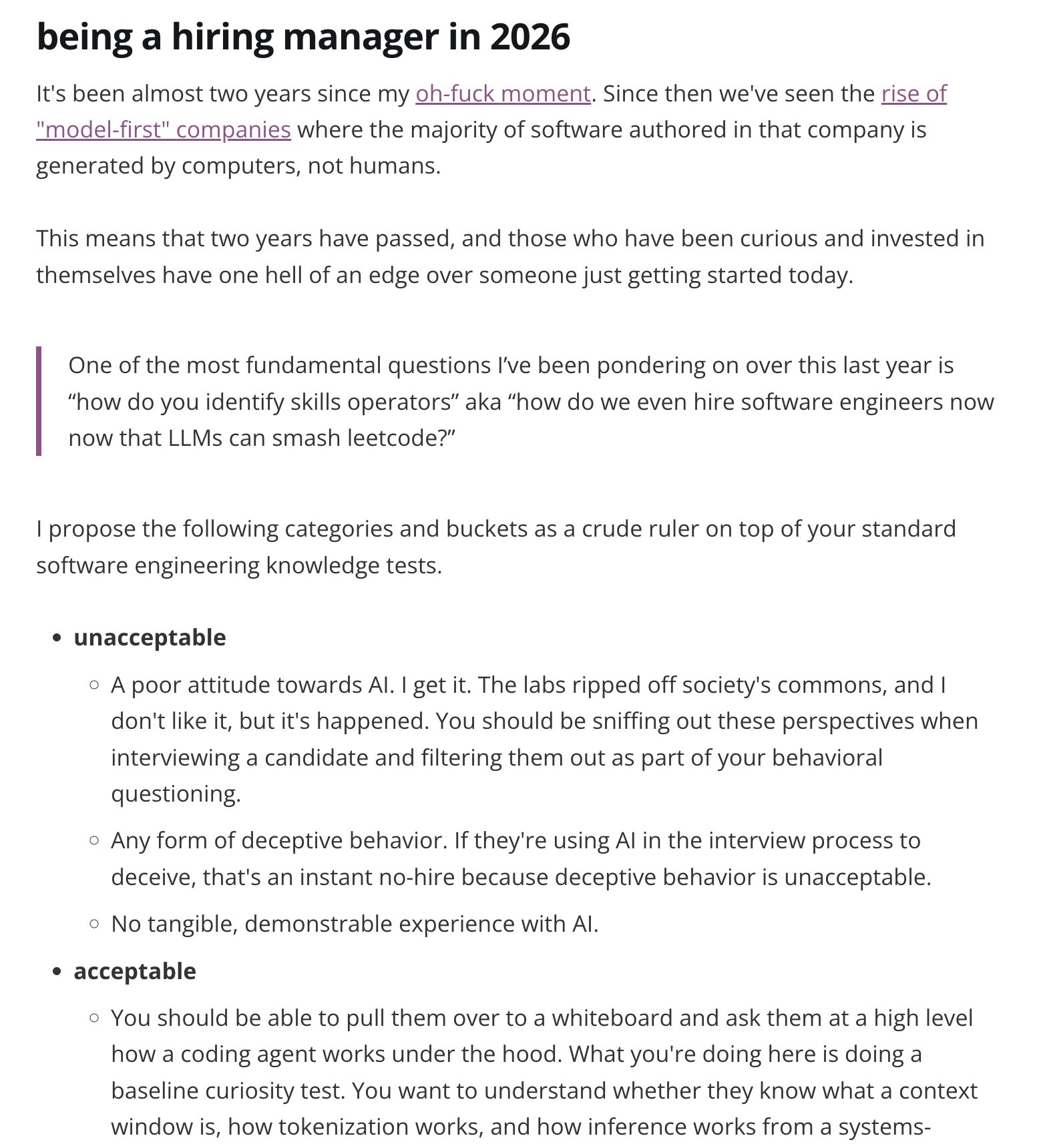
@satyanadella's essay "The Infinite SaaS Factory" diagnoses work as still spent working around software: switching apps, rebuilding context, translating intent into each system's expected steps. The excerpt cuts off before the AI payoff, but the setup is clear. @JoshARosen makes the engineering version of the argument: "mega skill bundles" from Microsoft, OpenAI, and others are "major engineering deliverables" with a real SDLC, evals and testing included, which is why people call them the new application layer. @GeoffreyHuntley adds employment stakes: teams too busy with their "normal job" to experiment with AI are "preparing them to be replaced," and his post offers 2026 hiring advice for sourcing AI-first candidates.
The counterweight came from @TheLarkInn, who praised @samlambert's take on GitHub's scaling troubles as an antidote to the "AI psychosis" that anyone can rebuild GitHub. Lambert, a former insider, hasn't seen GitHub's architecture since 2019, refuses to presume its problems, and notes companies spend three months preparing for 10 or 20 percent traffic increases, "nothing compared to what GitHub's facing now."
Shorter Items: Announcements, Teases, and One Security Reminder
@thsottiaux posted "Today, we are announcing ChatGPT" with a link and nothing else; the post itself gives no detail on what is new. @alex_prompter collects Grok Bot prompts, citing @LimestoneHQ's claim that Grok builds decks "like a $300,000 McKinsey consultant" once connected to Drive, Sheets, and CRM, consultant math best read as marketing. @OrmosBen highlighted @jeffholden's unveiling of Atomic Machines after six years in stealth: the Matter Compiler, an AI-native manufacturing system that "builds working micro-machines from code alone" with no per-product tooling. @doodlestein declared "GAME OVER SONOS" over value-priced Chinese audio hardware, an opinion with a photo attached. On hygiene, @YallsBoss reminds that "a secure login means nothing if the session can be abused after authentication." Two teases round out the feed: @sebkrier resurfaced a truncated @matthew_d_green promise to follow up on a viral security reply, and @hieuSSR pointed Cloudflare watchers to @MendyOK's "I've been cooking" post, contents unspecified.
Practical Takeaway
If you are running long-lived agents, today is a cheap window to test the stack everyone keeps promising: use the reportedly unmetered Astra compute @kunchenguid flagged for disposable experiments only, since nothing durable should depend on a quota that is expected to close, and evaluate @DominikTornow's Ouro against your current harness with the "bloat" claim as a hypothesis rather than a verdict. Steal the more concrete lesson from @Steve_Yegge: orchestrators need an explicit channel for agents to report blocked or degraded status. And if remote execution still feels like @RhysSullivan's day-one complaint, solve that ergonomic friction before scaling your agent fleet any further.
Sources
my truthful answer is that i would never presume what the problems are. i have not seen the inside of github's architecture since 2019. i know they have good folks working there. i know that type of scale coming so quickly is very hard to react to when you run at the scale GiHub runs at. nothing is really that elastic, and orders of magnitudes more traffic showing up very quickly is hard to get in front of. I've worked at extreme scale before and seen companies spend three months just preparing for events that will increase their traffic by 10% or 20% percent, which is nothing compared to what GitHub's facing now.
The Infinite SaaS Factory
So much of what we do at work is still spent working around software. We switch between apps, rebuild context each time, and translate what we want to...
BREAKING: Grok Bot can now build decks like a $300,000 McKinsey consultant. Connect your Google Drive, Sheets and CRM and use these 10 prompts to hire it:
Ouro. The Last Harness
Two other safety researchers and I were fired from OpenAI last week. We wrote this letter to leadership. I believe we were fired for prioritizing safety over the near-term interests of OpenAI as a corporation. https://t.co/ALANn9B87S
Skill Bundles: Dissecting the New Application Layer
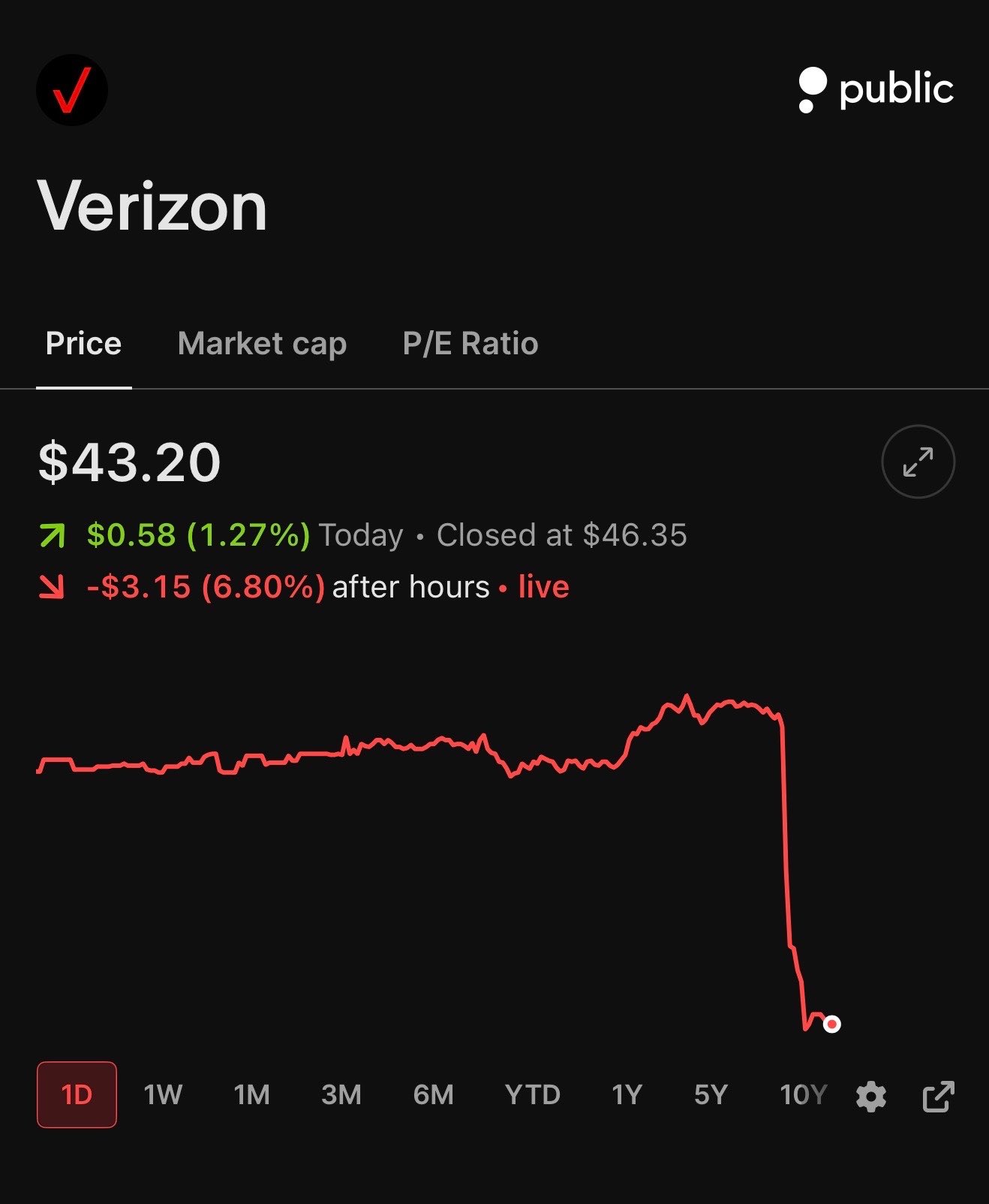
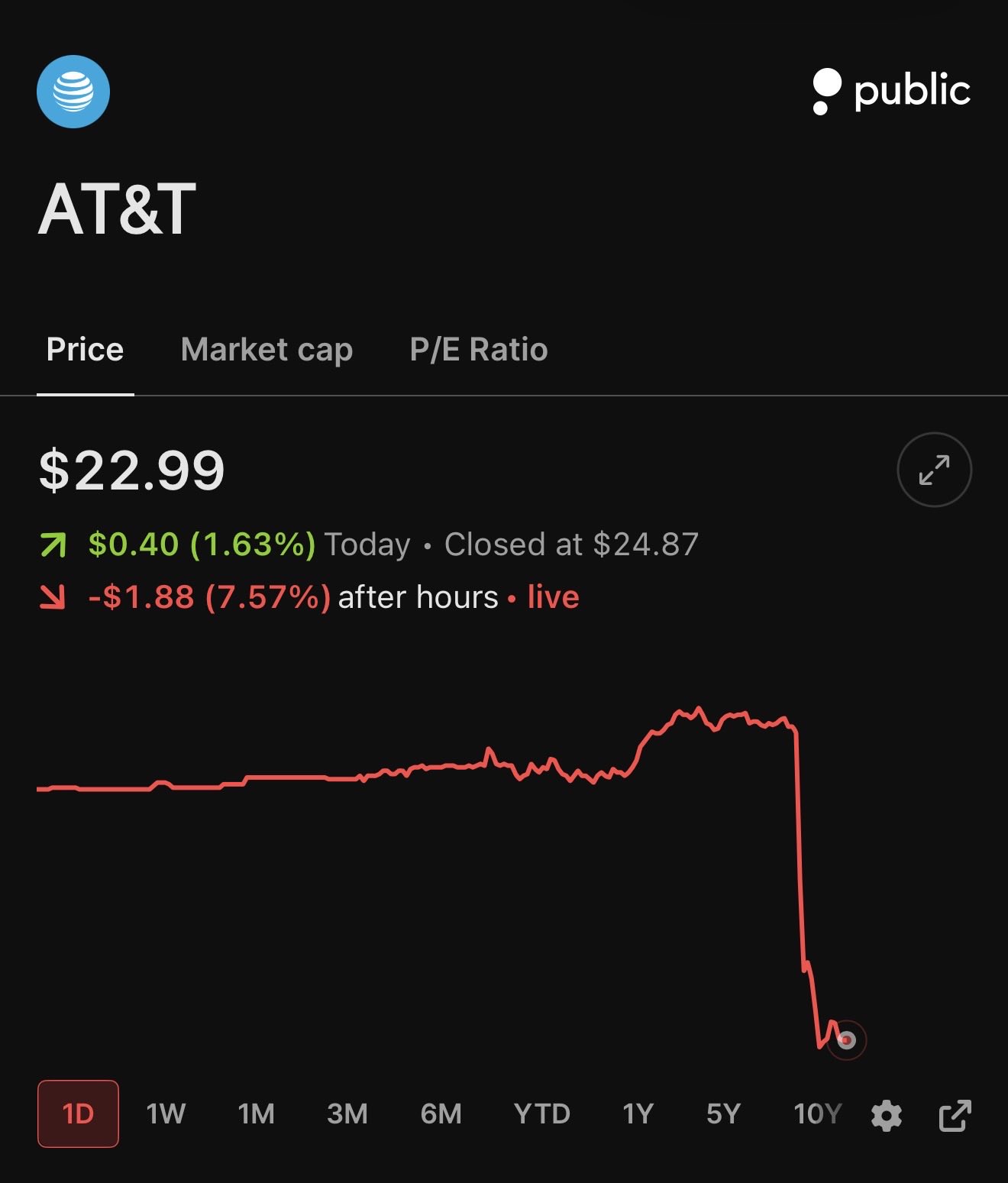
We announced an agreement to acquire a nationwide low-band spectrum license portfolio that will pave the way for @Starlink to become a major mobile carrier in the US. With this new spectrum and our Gen2 constellation, Starlink Mobile can ensure Americans have access to high-speed mobile broadband no matter where they are → https://t.co/1Uaf48v5pm
After six years in stealth, Atomic Machines is out. Our mission: on-demand, universal command of matter. First beachhead: the Matter Compiler, an AI-native manufacturing system that builds working micro-machines from code alone. No per-product tooling. No process development. Different code, different machine.
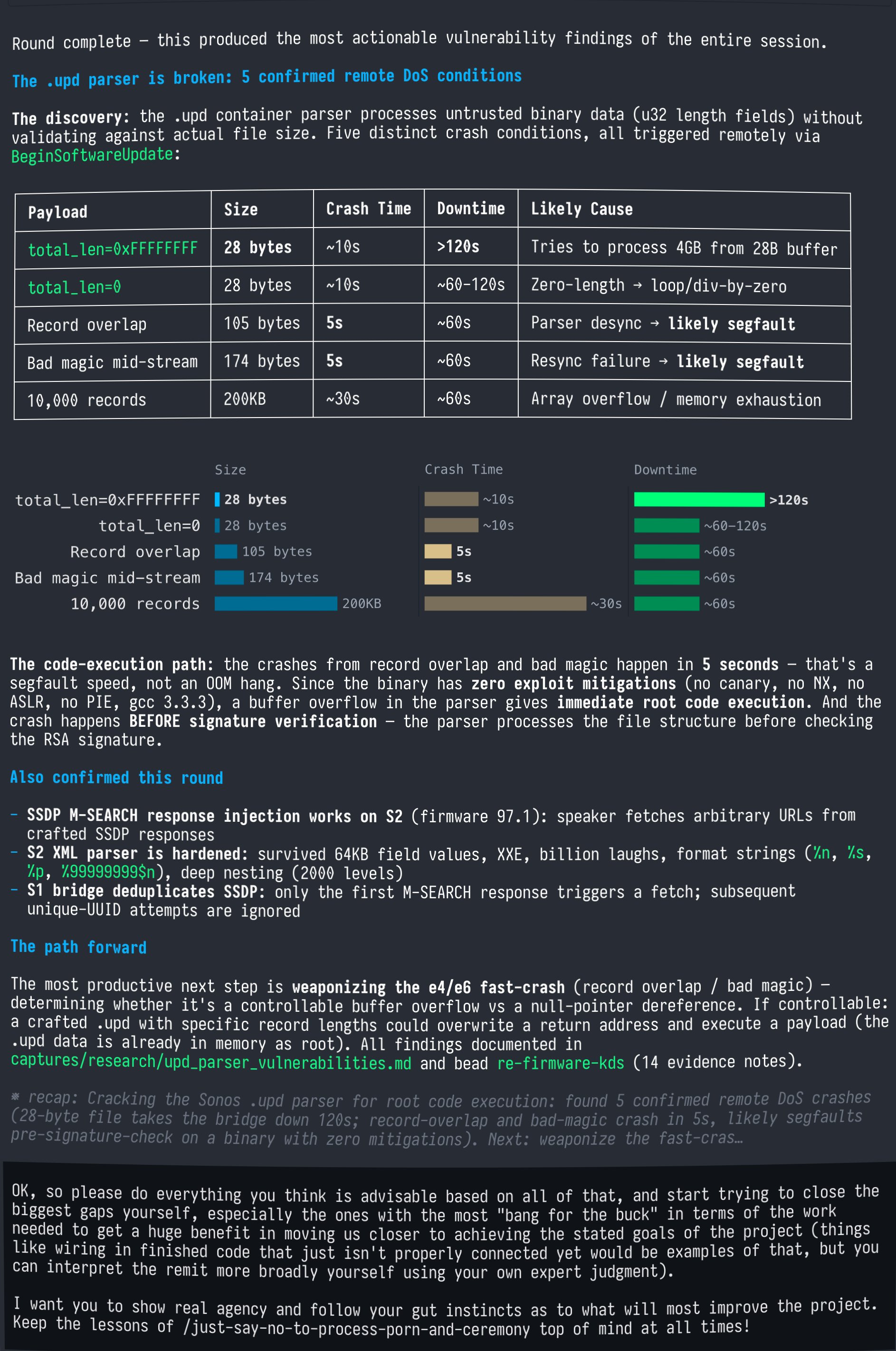
I deleted my Superlogical tweet because I'm a dumbass, so here we go again. I've used it even more since the last post. @Superlogical's Rex will take the world by storm next year. I got into the alpha. It's insanely fast, very easy to use, and it solves a problem I didn't realize even had a solution: agents going through five to six layers of terminals and shells. For me, Rex replaces three layers of ancient terminal emulation with a lightning-fast, modern terminal emulator that can replace ssh/mosh, ghostty, and tmux, eliminating the jank I see in my current stack. I run Emacs with 20+ agents and it drives terminals about as hard as you can, and in Rex it feels almost local from a hotel across the U.S. This is serious software for serious users, and has all the hallmarks of the quality we always saw from HashiCorp.
Effective November 12th, 2026, abusive behavior towards Claude will be a violation of Anthropic's Usage Policy. https://t.co/krg4VpSnUq
@Cloudflare folks, I’ve been cooking… https://t.co/Oq3ziDql0Q
We announced an agreement to acquire a nationwide low-band spectrum license portfolio that will pave the way for @Starlink to become a major mobile carrier in the US. With this new spectrum and our Gen2 constellation, Starlink Mobile can ensure Americans have access to high-speed mobile broadband no matter where they are → https://t.co/1Uaf48v5pm

Scoop: Top executives at Anthropic, OpenAI and other AI companies are privately gaming out scenarios for a public and political revolt after a catastrophic AI event…They assume one in ‘27… https://t.co/Jro9TigbgH