Mistral Large 4 Ships at 1T Parameters as Vercel and DHH Argue Agents Rewrite the Dev Stack
Mistral announced Mistral Large 4, a 1T-parameter model with 49B active parameters, on its API today with open weights promised for end of October, claiming best-in-class open-weights benchmarks. Meanwhile @rauchg and @dhh argued that agent-written code upends language choices and verification, and a @SemiAnalysis_ summary circulating on X puts Anthropic subscriptions at 5x+ the value of OpenAI's for agentic workloads.
Quick Hits
- Mistral Large 4, nicknamed "Le Chonk," is a 1T-parameter, natively multimodal model with 49B active parameters, and @MistralAI claims it is the best open-weights model from the US or Europe on aggregated benchmarks. It is on the API today, with open weights due end of October, per the announcement amplified by @ClementDelangue and @synthwavedd.
- A @SemiAnalysis_ comparison summarized by @kimmonismus puts Claude Opus 5.5 at "over 5x the API-equivalent value" of GPT-6.1 Sol for agentic workloads at the same subscription price, and says OpenAI just halved usage limits on its $200 ChatGPT plan.
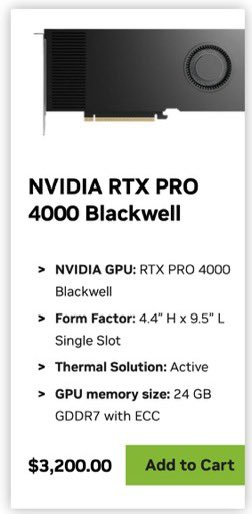
- Ghost's Core, a $3,499 personal AI computer, includes an RTX PRO 4000 Blackwell that @0x0SojalSec says lists alone around $3,200, plus a Ryzen 5, 64GB DDR5, and 1TB NVMe. Pay GPU money, get the whole machine.
- @rauchg argues agents invert the economics of language choice, and @shadcn distills the verification angle: "Verification is 'read the code' for agents." @dhh agrees the entire stack deserves a first-principles rethink.
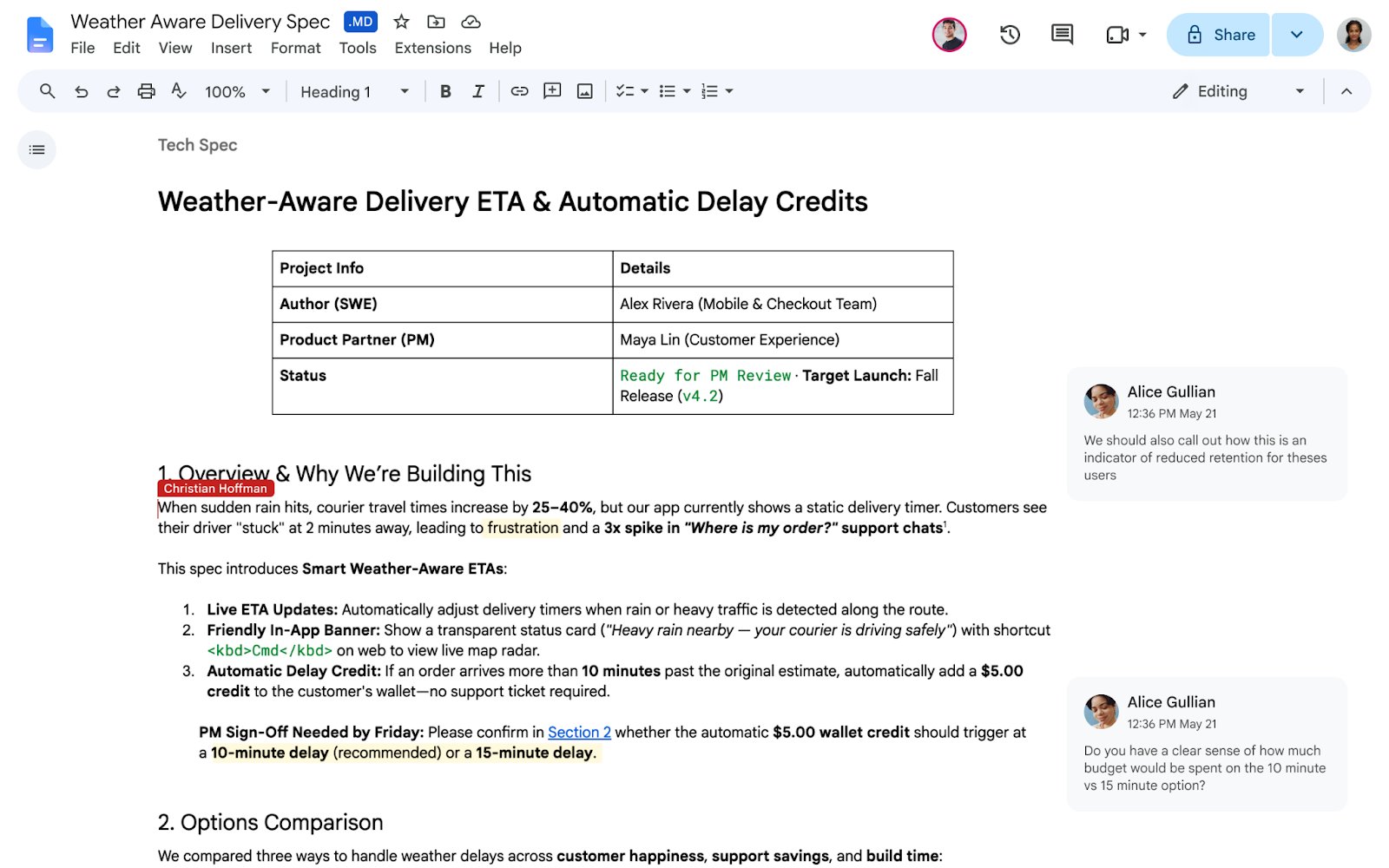
- Useful product updates: .md files now preview, edit, and collaborate natively across Google Drive and Docs without conversion (@ChanduThota), and Auto-review is now free for anyone signed in through a ChatGPT account, enabled in settings (@BradGroux relaying @thsottiaux).
Mistral Large 4: 1T Parameters, European Infrastructure, Open Weights in Weeks
The day's biggest launch is Mistral's, and the announcement makes specific claims worth tracking: 1T total parameters with 49B active, native multimodality, state-of-the-art results on cyber defense, manufacturing, and finance workloads, and a claim that it surpasses closed frontier models on visual grounding. @synthwavedd flagged it ("Le Chaton Fat is here") and Hugging Face's @ClementDelangue retweeted it, which is a reasonable signal of open-weights community interest. Mistral also emphasizes the model is "forged in Europe end-to-end" and deployable from its own Mistral Cloud, a sovereignty pitch aimed at buyers who care where inference runs. The gap between API availability today and open weights "end of October" is the detail to watch: if weights land as promised, this becomes a serious local option, which pairs with the local-hardware chatter below. All benchmark claims are Mistral's own marketing, not independently verified here.
Rauchg: Agents Flip What "Best for Humans" Means, and gdp-ts Makes Them Prove It
The sharpest thread of the day comes from @rauchg, reflecting on Vercel's port of Turborepo from Go to Rust. He admits the return on investment was "quite controversial internally": Rust suited low-level OS access, but the human migration costs were "very sustantive," and Go is fast, beautifully designed, and easy to iterate on. His conclusion is that "What's 'best for humans' is no longer necessarily 'best for business'" now that agents write much of the code, and he doubts Rust is the endpoint since it was designed before what he calls the "supersonic tsunami" of agents hit. @dhh endorsed the argument while urging flexibility: Rust "has an edge at the moment," but we should rethink the stack from first principles, and "very little of what was will remain that way."
The same thread produced a concrete artifact. @rauchg introduced gdp-ts, Ghosts of Departed Proofs for TypeScript: a library, linter, and AI skill where sensitive functions require compile-time proofs that an authorization check happened, modeled on a real Vercel constraint where password changes demand proof of role plus entitlement. @shadcn compressed the motivation into one line: "Verification is 'read the code' for agents." The pitch is that agents thrive under hard constraints that would frustrate humans, so move the checks into the type system.
Models Improve Faster Than Tinkerers, So Hand Them Tools Instead of Scripts
@thdxr's observation, quoted by @ScriptedAlchemy and retweeted by @my_knn_totoro, is blunt: people's custom workflows "are all addressing problems that don't exist anymore," and "the person naively using vanilla codex is more likely to be experiencing state of the art." @ScriptedAlchemy's practical version: give the model tools, context, and instructions, but do not script how it thinks or how it coordinates subagents; if you want a workflow, tell it to build one dynamically.
Toolmakers are already meeting agents at that interface. @tannerlinsley shipped TanStack Charts 1.0 (per @tan_stack) as a light, fast charting library built to survive the inevitable growth past "a simple line chart," with the explicit pitch that you can "tell your agent to 'use TanStack Charts'." @poteto added /poteto-help to pstack v0.15.13, a command fed with all the written guides so anyone unsure whether a skill or poteto-mode applies can just ask. @calebfahlgren shows what frontier models plus good tooling produce: he had Opus 5.5 write a deep technical manual for Pi Durable, part of Pi 1.0 from @pidotdev, and reports the diagrams "work really well to explain things." @kitlangton's half-joking idea of autogenerated Civilization II-style morning debriefs is the same instinct aimed at daily life.
Subscription Value Gaps and Mark Cuban's 33-Million-Company Market
@kimmonismus summarizes a @SemiAnalysis_ limit-test of subscription plans from Anthropic, OpenAI, Meta, SpaceXAI, MiniMax, Moonshot, Zdotai, Cursor, and Cognition: Opus 5.5 delivers over 5x the API-equivalent value of GPT-6.1 Sol for agentic workloads at the same subscription price, while OpenAI "just halved the usage limits" on its $200 ChatGPT plan. Treat the numbers as one firm's methodology relayed secondhand on social media, but the direction is the story: if accurate, plan choice now dominates model choice for heavy agentic users.
On the jobs side, @guilleflorvs relays Mark Cuban's argument that generic SaaS gets replaced by AI customized to how each business actually operates, leaving the question of who builds and deploys that for the roughly 33 million US companies without engineering teams. His answer is a services business that sits across the table from SMBs, "probably the largest one this decade." @MarkPieszak's sardonic post, that decades of engineering experience now "comes to" whatever his screenshot shows, is the mood music behind that kind of bet.
Local Compute: A $3,499 AI Box, a 27B Cloudflare Model, and a Parallels Rival
@zainmfj introduced Core, "The Personal AI Computer," and @0x0SojalSec did the pricing math: at $3,499 with an RTX PRO 4000 Blackwell listing around $3,200 on its own, "you're basically paying GPU money and getting the whole machine." He speculates Ghost locked supply early and is passing savings through "for now." On the software side, @0xSero reports that Cloudflare released a local 27B "Jev": give it a schema and data and it makes decisions, aimed at high-volume tasks and running on a single 3090 or 4090. @vysecurity predicts TablePlus's new virtual machine, purpose-built for Apple Silicon and AI agents with macOS, Windows, and Linux support, GPU acceleration, and MCP hooks, is "gonna kill parallels." Rounding out the silicon chatter: @alphafox says DLSS 5 makes Warcraft: Forever "like an entirely different game," @i2cjak hypes @CapacitAnas's Negotiator II (a 5-48V, 5A USB-PD tool he describes as putting a power supply on a credit card), and @iam_smx posts video satire of Musk, Altman, and Amodei petitioning "King Jensen" for GPUs.
Practical Takeaway
The strongest through-line is @thdxr's inversion: models improve faster than your scaffolding. Before adding another orchestration layer or custom subagent protocol, rerun your worst-performing task on the latest vanilla model and compare results. If the gap has closed, delete the workaround and spend the time on constraints agents cannot talk their way past, the pattern @rauchg's gdp-ts demonstrates with compile-time authorization proofs. Cheap verification currently beats clever plumbing.
Sources
DHH is fundamentally right about Rust. For context, Vercel has been undergoing a Rust-ification (carcinization, technically 🦀) for a while. One of the first projects we migrated was Turborepo, from Go to Rust¹. The migration completed, but the RoI was actually quite controversial internally. While Rust was in our eyes better for low-level OS access, something crucial for a build system like Turbo, the human migration costs were very sustantive. Go is very fast. It's beautifully designed. It's easy to iterate on. We were very conflicted about the migration, because it was *humans* writing the code, *even if we knew Rust was a better choice*. The calculus has now changed. What's "best for humans" is no longer necessarily "best for business". FWIW, it's also quite unlikely that Rust is the end-all-be-all toolchain. I'm quite certain there's greener pasture ahead, because Rust itself was designed before the 'supersonic tsunami' of agents hit. ¹ https://vercel.com/blog/how-turborepo-is-porting-from-go-to-rust
Introducing gdp-ts: Ghosts of Departed Proofs for TypeScript. gdp-ts is a library, linter and AI skill for safer API design. Under this contract, sensitive functions require 'proofs' that the caller performed an authorization check. The typechecker verifies these proofs at compile time, preventing your team and agents from shipping catastrophic security (and other kinds of) bugs. While these patterns have existed for quite some time, especially in ecosystems like Haskell, ① human code review and ② cognitive and syntactic overhead made these solutions niche. The situation is now inverted. Agents are writing more code than we can review, and they *thrive* in tight loops with hard constraints that would frustrate us. We see this with the rise of Rust, borrow checker, code aesthetics debate and all. The README and examples model a real-world Vercel API product constraint: changing the password on a Project requires a proof of a certain role + a certain entitlement. Thanks to Matt Noonan and Ollie Charles for their research in this space. https://t.co/eRWdiMvQ2V

TanStack Charts 1.0 is here 🎉 Small bundles, fast updates, and charts you don’t have to outgrow. Start with a line and see where it takes you, or just simply tell your agent to "use Tanstack Charts"! https://t.co/oiZ6uiSFvf https://t.co/FRPMzgZW17


The Negotiator II is here! 5-48V 5A. Read this thread for some of the cool stuff in it! :) USB PD is a complex miracle. USB Chargers have chips more powerful than the Apollo 11 AGC moon landing computer, but the capabilities are locked away, and the Negotiator is the key. (1/7) https://t.co/bg8UJOqAhR
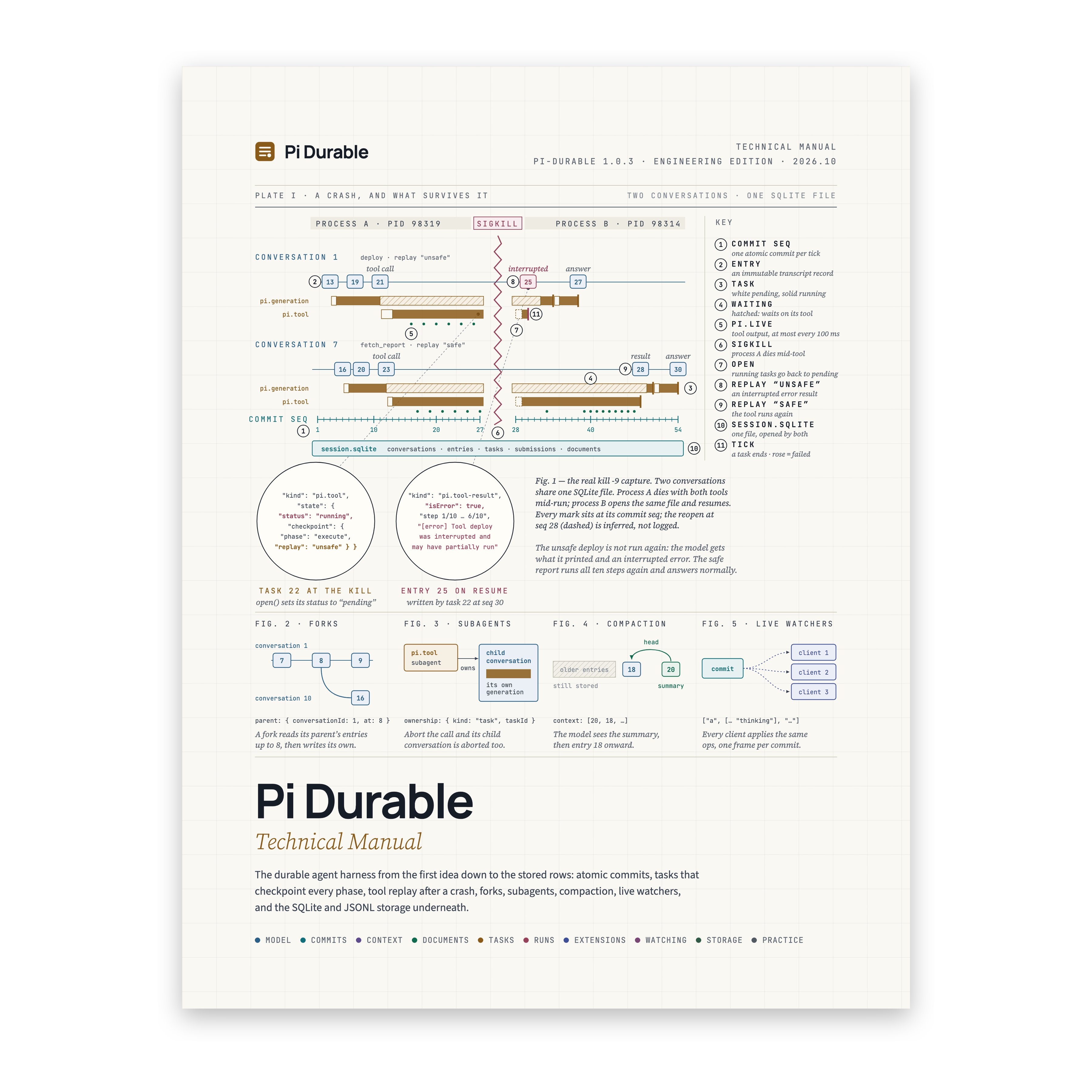
People of Pi: We've shipped Pi 1.0 with Pi Durable. Go make them yours. https://t.co/oUPfVfvAZl
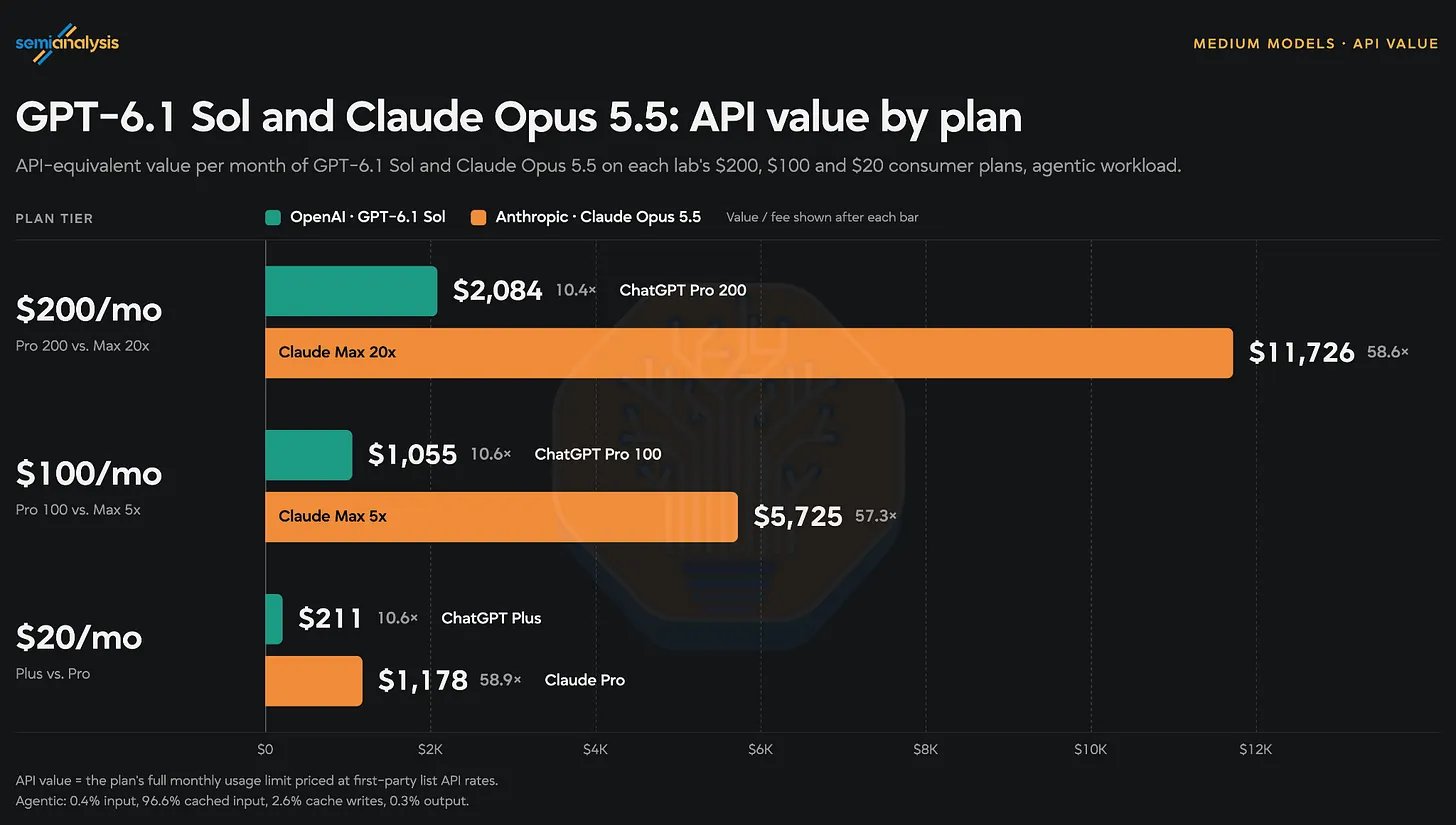
Anthropic Subscriptions Offer 5x+ More Value Than OpenAI Limit testing every AI subscription plan from Anthropic, OpenAI, Meta, SpaceXAI, MiniMax, Moonshot, Zdotai, Cursor, and Cognition https://t.co/2c7PNAAksb

a weird inversion with LLMs is the models improve faster than the tinkerers when i see people with custom workflows and setups they're all addressing problems that don't exist anymore the person naively using vanilla codex is more likely to be experiencing state of the art
We are proud to introduce our new product, https://t.co/QIfcj7Ziks It is a Virtual Machine specifically designed for Apple Silicon and AI Agents. This is our very first release, and it fully supports macOS, Windows, and Linux with GPU acceleration. - Liquid Glass, - GPU Accelerator. - MCP for AI Agent on your Mac or inside the VM.
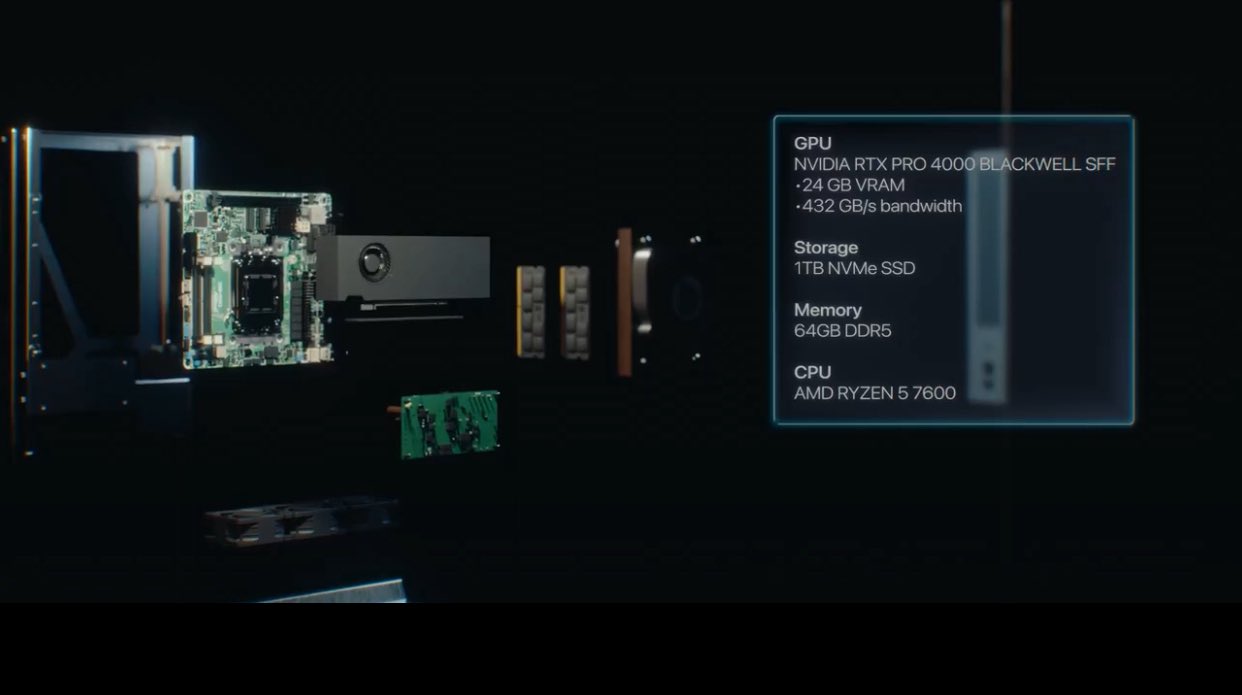
Introducing Core, The Personal Al Computer The most powerful technology humanity has built should belong to you Order today: https://t.co/tlNxSu5B5C https://t.co/C8Rqv4eHLl
Meet Mistral Large 4, aka Le Chonk. • 1T parameters, natively multimodal. 49B active. It is the best open weights model from US or Europe on aggregated benchmarks. • State-of-the-art on critical workloads, including cyber defense, manufacturing and finance and it surpasses closed frontier models on visual grounding. • Forged in Europe end-to-end and is deployable from Europe via our own Mistral Cloud infrastructure. • Available to all via API today. Working with cybersecurity partners privately. Open weights release end of October.