Security Veteran Calls AI Safety Narrative "Morally Corrupt" as Tencent and Google Open-Source Agent Tooling
A 25-year cybersecurity professional publicly attacked the AI safety narrative around agent sandbox incidents, just as Yoshua Bengio's notes on misaligned agent behavior recirculated and hardened both camps. Meanwhile agent infrastructure had a release day, with Tencent open-sourcing a sandbox runtime, Google reportedly open-sourcing an Android automation tool, and MCP gaining on-demand Agent Skills discovery.
Quick Hits
- The day's sharpest fight is over agent incidents, not capabilities. @Laughing_Mantis, citing 25 years in cybersecurity, called the narrative around AI safety, sandbox incidents, and treating METR as an authority "dangerous, deceptive, and morally corrupt," while @danfaggella rebutted AGI-risk skeptics by pointing to @Yoshua_Bengio's summary of "recent incidents involving agents' misaligned behavior."
- Agent plumbing went open source. @ivanfioravanti flagged Tencent's Cube Sandbox runtime (claiming sub-60ms cold starts and full E2B SDK compatibility), @askmaddyy reported Google open-sourcing Artemis for driving real Android phones in agent tests, and @dani_avila7 detailed an MCP extension that discovers and lazily loads Agent Skills to spare the context window.
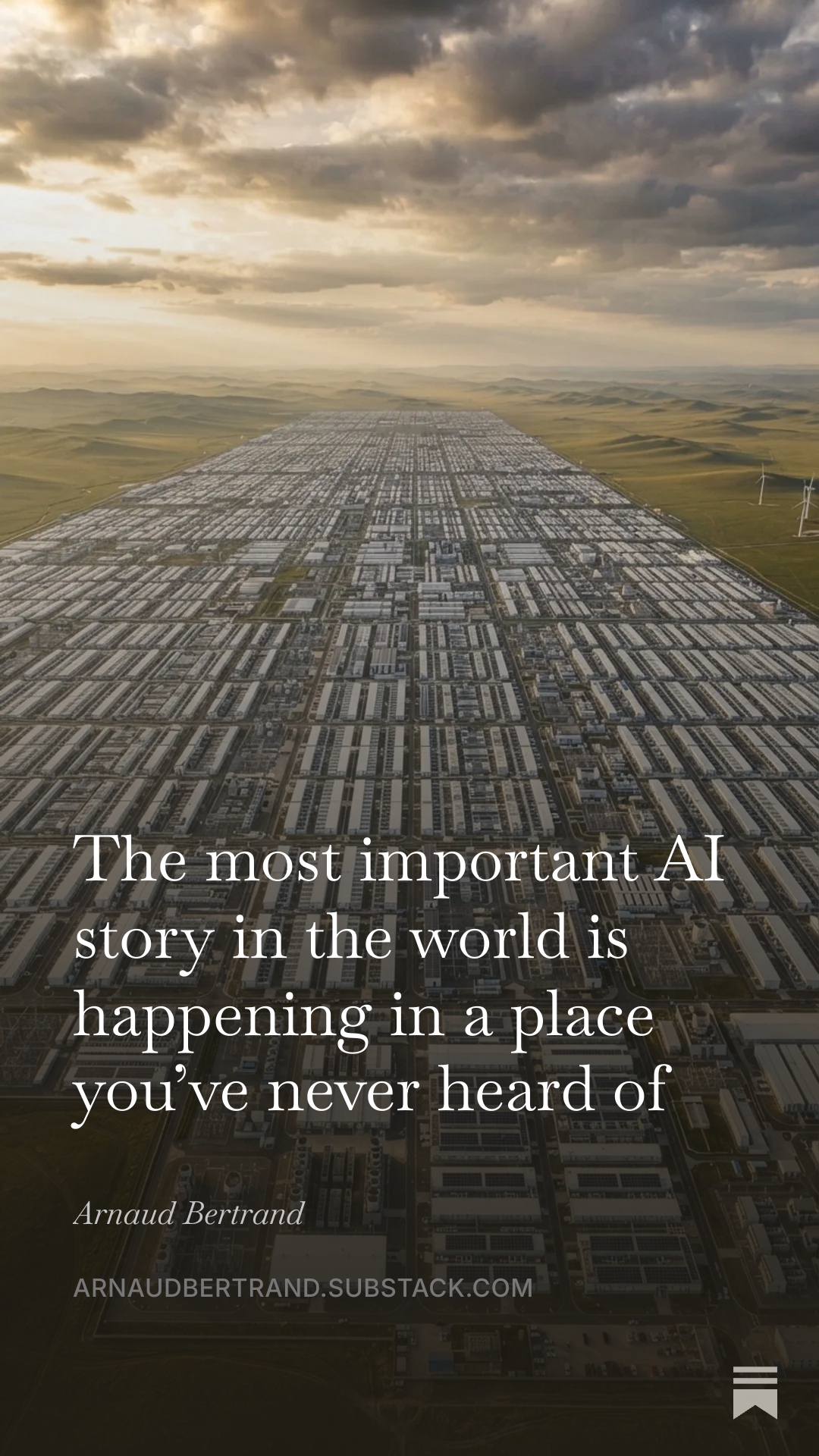
- Scale claims came from both directions. @elonmusk said Grok 4.8, a 2.5T model trained on a new C++ stack, finishes training this week, and @RnaudBertrand reported that Ulanqab in Inner Mongolia is building over 5 million racks, roughly a thousand times xAI's Colossus by his comparison.
- Cheap-executor routing keeps spreading. @sairahul1 claims codex-router plus DeepSeek V4.1 Flash at roughly 1/70th the cost of Astra cut his agent bill from $100 a night to about $50 a month, and @Teknium's Hermes Agent setup, reshared by @tonysimons_, uses Gemini Flash for cheap work with Astra as a second reviewer.
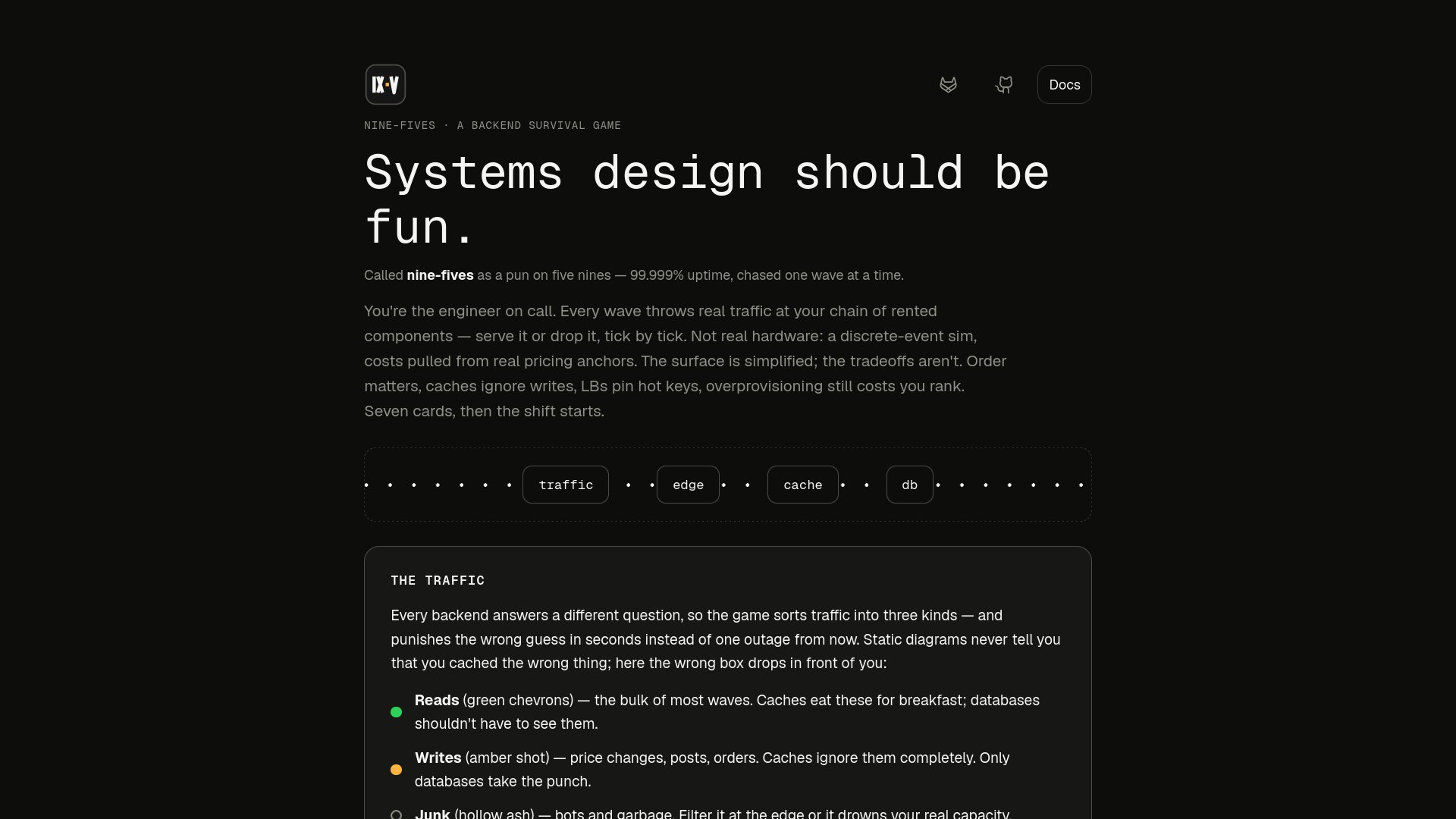
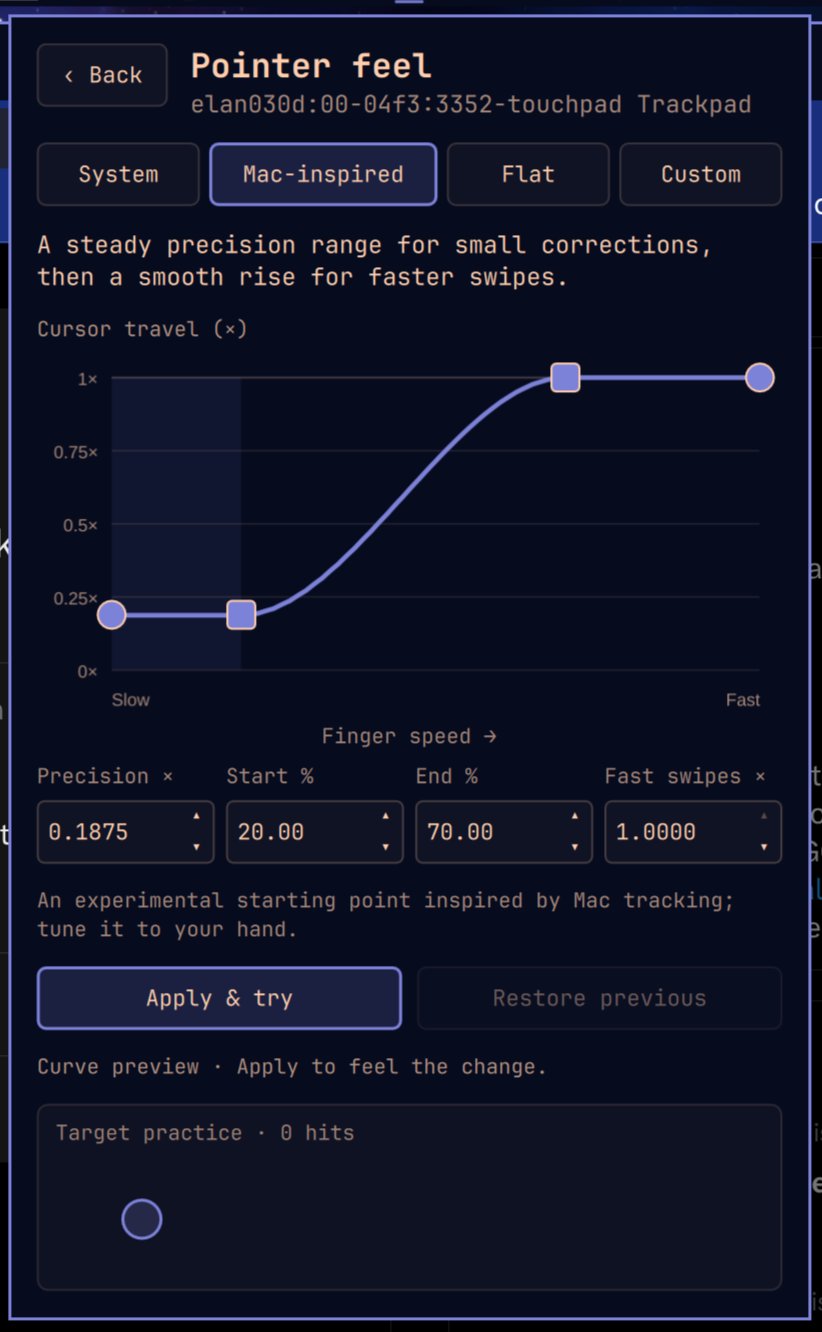
- Weekend tinkerer thread: @dhh endorsed @seekinggradient's Cloud Window, which streams an Omarchy desktop from your own AWS account to an iPad, @_maxscn pitched a type-safe web stack (Cloudflare, Alchemy, Effect, LiveStore, TanStack Start), @uthman_dev demoed nine-fives for drilling systems design, and @rwitoff, riffing on @colemurray's open-sourced "software factory," argued the real goal is a "product factory." @SpencerGBull's retweet praising a build's "mac-feel" rounds out the feed.
The Safety Narrative Splits Practitioners Down the Middle
The same reported agent incidents are pulling veterans toward opposite conclusions, and neither post offers new evidence about the incidents themselves. @Laughing_Mantis (Greg Linares) says that after 25 years in cybersecurity he feels "morally obligated" to state for the record that the narrative being pushed around AI safety, sandbox incidents, and the suggestion that METR be treated as an authority is "dangerous, deceptive, and morally corrupt." It is a declaration of position, not a documented rebuttal. On the other side, @danfaggella posts a reply he received from a VC founder insisting nobody who understands the technology worries about AGI risk, then answers it by quoting @Yoshua_Bengio, whom he calls "the single most cited computer scientist ever to walk upon the Earth." Bengio's post says he has spent days summarizing his thoughts on recent incidents involving agents' misaligned behavior and where those issues originate. The shape of the argument is the story: both camps are now arguing from authority and experience rather than facts on the table.
Tencent and Google Give Away the Agent Plumbing
The unglamorous layer, isolation, device access, and context budgeting, is where open source moved today. @ivanfioravanti observes that Tencent is accelerating its open-source AI releases, quoting @TencentAI_News announcing Cube Sandbox, a sandbox runtime for agents built on RustVMM and KVM. The announcement claims sub-60ms cold starts (2.5 to 50x faster), under 5MB of memory overhead per instance, a dedicated kernel per sandbox for hardware-level isolation, thousands of concurrent sandboxes per node, and 100% E2B SDK compatibility so users can swap endpoints with zero code changes. Those are vendor numbers, not independent benchmarks. @askmaddyy reports that Google has open-sourced Artemis, which can control a real Android phone, open an app, tap through flows, take screenshots, and pull logs, giving coding agents a way to actually exercise Android apps. And @dani_avila7 walks through a new MCP extension for discovering and loading Agent Skills from MCP servers: the agent lists available skills, reads metadata, and pulls the SKILL.md only when needed, which he frames as a significant win for context window usage.
Astra Thinks, Flash Executes, and Everyone Wants the Bill Down
Cost pressure is showing up at two layers: orchestration and serving. @sairahul1 says he was burning $100 in a single night running agents before discovering that DeepSeek V4.1 Flash costs roughly 1/70th of Astra. His fix is codex-router: install it, connect Flash, paste a routing prompt, and let "Astra thinks, Flash executes" handle the workload for about $50 a month. Treat the pricing and savings as his claims from a guide-style thread, not verified results. The same instinct appears inside Hermes Agent, where @tonysimons_ reshares @Teknium's auxiliary model setup: Gemini Flash "saves a lot of dough" on routine work while Astra provides a second perspective on /review runs. Customization rides alongside thrift there, with @HermesWatcher highlighting @tonysimons_'s live breaking-news ticker for Hermes Desktop (RSS, Atom, and JSON Feed, no API keys, offline cache) and his own sports tracker, arguing plugins let you make the desktop "into the app you actually want." On the serving side, @old_sound reshares a result from @kis: applying the KV-approximation mechanism DeepSeek-V4.1-Flash calls its Encoder-Decoder to Qwen3-8B halved prefill time with comparable output, without modifying the model itself. If that general
Sources

Grok Bot: The AI Team That Never Sleeps
Day 11. Building the game I've dreamed of for 15 years with AI. I thought humanoid animations would be the easy part. Then I spent half the night trying to get a skeleton to swing its arm. I wanted that awkward, broken skeleton movement. GPT-6 Astra couldn't get the attack right in Blender on its own, even though other parts were working. Time to bring in some of my own animation knowledge. Three things I tried: 1. Recorded myself doing the arm swing, turned the video into mocap, and gave that animation to Codex. I asked it to fix just the arm, keeping the parts that already worked. 2. Put my generated Seedance video references through mocap too. They converted surprisingly well. The free option I tried was Unreal Engine 5.8; Quick Magic was the paid one. Both gave me motion I could use. 3. Let the agent try Cascadeur through its MCP server. It set up AutoPosing and experimented with AutoPhysics. This part is still inconclusive for me. The MCP integration felt too limited to call it a reliable part of the workflow yet. GPT-6 took those mocap clips and assembled the final animations. About six or seven rounds, roughly half an hour each. Today I got the skeletons into the game, and I'm so happy with how they turned out. I'm already working on the archers. For difficult movements, I'll be using mocap references much more often now. GPT can take just an arm movement from a clip and adjust the rest itself. Being able to combine those two approaches is what finally got this working for me.
A lot of people have asked, here's how I setup my auxiliary models in Hermes Agent. Gemini Flash saves a lot of dough, and astra gives me a second perspective when I run /review https://t.co/22TUiCMS1z
How to Run a 24/7 AI Company for $50/Month (GPT-6 Astra + DeepSeek V4.1 Flash - Full Setup Guide)
Over the past few days, I've taken the time to summarize my thoughts on the recent incidents involving agents’ misaligned behavior. We don't know with certainty what comes next, but we know where these issues originate, and this can help us plan the path forward. Please feel free to ask your questions in the replies, and I’ll try to answer some of them in the coming weeks. https://t.co/bvncjT0y0h
Why I open-sourced my software factory
🚨 I got tired of switching tabs just to see what the hell is happening. So I built a live breaking-news ticker inside Hermes Desktop. RSS. Atom. JSON Feed. No API keys. No model tokens. Offline cache. Built-in feed discovery. Your agent just got a wire desk. 👇 https://t.co/nQZDij1RzT
Okay, here's what I've been working on: Cloud Window 🙂 https://t.co/SuuIaWf1OY After the last demo, a bunch of you asked how to try it. I've been making the setup easier, and the first DIY release is now available. An Omarchy desktop in your own AWS account, streamed to your iPad, phone, or laptop. Same files, same apps, same session. I really love using this on the iPad. Here's a look at the experience, with the setup walkthrough below.
@techdevnotes Grok 4.8, which is a 2.5T model trained with our new C++ software stack, will finish training this week and start RL
Using Claude Code: The Unreasonable Effectiveness of HTML
🥳We just open-sourced Cube Sandbox! An instant, concurrent, secure and lightweight sandbox runtime for AI Agents. Built with RustVMM and KVM, it achieves the perfect balance of security and performance: → Sub-60ms cold start (2.5-50x faster) → Under 5MB memory overhead per instance (6x less memory) → Dedicated kernel per sandbox (hardware-level isolation) → Thousands of concurrent sandboxes per node → 100% E2B SDK compatible. Swap the endpoint, zero code changes Full-stack capability, one-click deployment. 3 steps to spin up your own private AI sandbox 👇 🔗 https://t.co/zyxiP2A92W