Hermes Token Optimization Surge, Multi-Agent Orchestration Matures, and OpenAI COO Departs
Developers are drastically cutting large language model token usage and operating costs, driven largely by the Hermes Agent ecosystem replacing dozens of tools with single, script-driven utilities. Meanwhile, multi-agent workflows show real utility in consumer and enterprise products, while OpenAI experiences a major leadership transition amid macro shifts in compute infrastructure.
Quick Hits
- Hermes Agent users slash token usage: Browser Use mode replaces twelve browser tools with a single, powerful scripting tool. @HermesAgentTips and @Teknium report this cuts token consumption by up to 60% with no drop in accuracy, leveraging the new @browser_use CLI 3.0.
- Major OpenAI leadership departure: Chief Operating Officer @bradlightcap announced his resignation to start a new venture. @ns123abc highlighted the memo, noting Lightcap built the company's operational foundations over the last eight years.
- Multi-agent orchestration proves viable: @mattshumer_ reports massive success testing Grok Bot. He successfully orchestrated a Chief of Staff bot managing researcher and writer bots out of the box, signaling a leap forward for automated sub-agent workflows.
- Apple Silicon virtualization breakthrough: @trycua unlocked process-scoped GPU access for macOS Virtual Machines. @ivanfioravanti notes this enables significant speedups for local AI models, achieving up to 16x faster generation for TinyLlama on an M1 Ultra.
- Solving AI inference verification: @Yogi_Brn launched @attestablecom, claiming to have solved practical zero-knowledge proofs for AI verification. @yonashav argues this straightforwardly unlocks inference-oversight without requiring new hardware.
Agentic Efficiency and the Hermes Ecosystem
A major theme across the network is aggressive cost reduction and architectural refinement for AI agents, particularly within the Hermes Agent ecosystem.
The most striking efficiency gain comes from how agents interact with web browsers. @NousResearch explained that Hermes previously used twelve separate browser tools. By replacing these with a single tool driven by @browser_use CLI 3.0, the agent simply writes a script instead of executing a tool call for every click. @HermesAgentTips and @Teknium celebrated the results, noting that this method cuts token use by up to 66% with zero accuracy drop.
Security and proxy architecture are also maturing. @gakonst stressed that agents must never access their own secrets, revealing that @mslipper's iron-proxy was recently merged into Hermes Agent to power Centaur. Taking a different approach to cost savings, @julius_brussee introduced Caveman Proxy. This tool sits between the agent and the provider to restructure data, claiming to save roughly 33.2% in agent costs and make browser navigation 128 times more efficient.
Community support remains highly active. @tonysimons_ praised @yeahfortommy for actively hunting down absurd model deals and securing free models for the Hermes community to help users run better local models.
Multi-Agent Orchestration and Code Quality
Developers are moving beyond basic prompt engineering to complex, programmatic agent orchestration.
@mattshumer_ provided an in-depth look at Grok Bot, describing it as an agent for everything, not just code. He successfully set up a Chief of Staff bot to coordinate a researcher bot and a writer bot. The system handled the complex delegation natively. @_overment echoed this structured approach for voice agents. By using a coordinator agent that spawns isolated worker sessions, @_overment noted that restarting the session after each phase forces the model to rely on organized specs, yielding a much higher level of understanding.
As agents write more code autonomously, the industry is rethinking quality assurance. @addyosmani raised the topic of Agentic Code Quality, questioning how traditional human code review standards apply to machine-generated code. Similarly, @martinfowler pointed to experiments by Birgitta Böckeler exploring whether instructing a coding agent to use Test-Driven Development actually helps or hinders its performance.
Hardware, Virtualization, and Knowledge Management
Innovations in compute access and internal data retrieval are moving quickly.
Cerebras faced a significant internal knowledge management challenge as rapid post-IPO hiring left new engineers struggling to learn a decade of context spread across Slack, GitHub, and Jira. @andrewdfeldman detailed their solution: a custom search tool that processes over 15,000 questions daily. Instead of embedding raw chat logs, an LLM distills Slack threads into distinct questions and resolutions before embedding them. The system also uses a who_knows function to identify demonstrated experts across the organization.
Hardware access is also expanding through clever engineering and financing. @ivanfioravanti highlighted a breakthrough by @trycua, which released a Metal capability layer for macOS VMs. This allows virtualized Apple Silicon machines to access GPU hardware directly, resulting in massive performance improvements for local models like Gemma 4 and Muse Glimmer.
For dedicated compute, @KSimback pointed to @b3labs and their new B3IQ model. This program allows teams to put a 30% down payment on a dedicated datacenter GPU, finance the rest, and monetize the hardware by renting it out during downtime.
Enterprise Shifts, Safety, and Open Source Updates
The broader AI industry saw notable venture funding, executive shifts, and safety advancements.
@ns123abc amplified a lengthy farewell memo from @bradlightcap, who resigned as OpenAI COO after eight years. Lightcap expressed optimism that mission success is within sight, though he is leaving to start something new. Providing macro context on the broader compute arms race, @MParekh (via @howardlindzon) analyzed the ongoing strategies of Nvidia, OpenAI, and Anthropic, including a massive $500 billion Nvidia Wall Street consortium.
In AI safety, @paulg recommended following @robertskmiles for novel insights, amplifying Miles' principle that one should never pay someone to fix a problem they themselves created. On the technical safety front, @Yogi_Brn announced a $20M seed round for @attestablecom. The company claims to have solved practical zero-knowledge proofs for AI verification. @yonashav called this the most significant technical verification result ever, noting it enables inference-oversight without specialized hardware.
Finally, the open source community saw model upgrades. @MiaAI_lab rolled out an update for DeepSeek v4 Flash running on NVIDIA DGX Sparks. @0xSero praised the update, which brings faster decode speeds, improved tool calling, experimental vision support, and abliterated weights to the public.
Quick Hits: Dev Tools and Web Standards
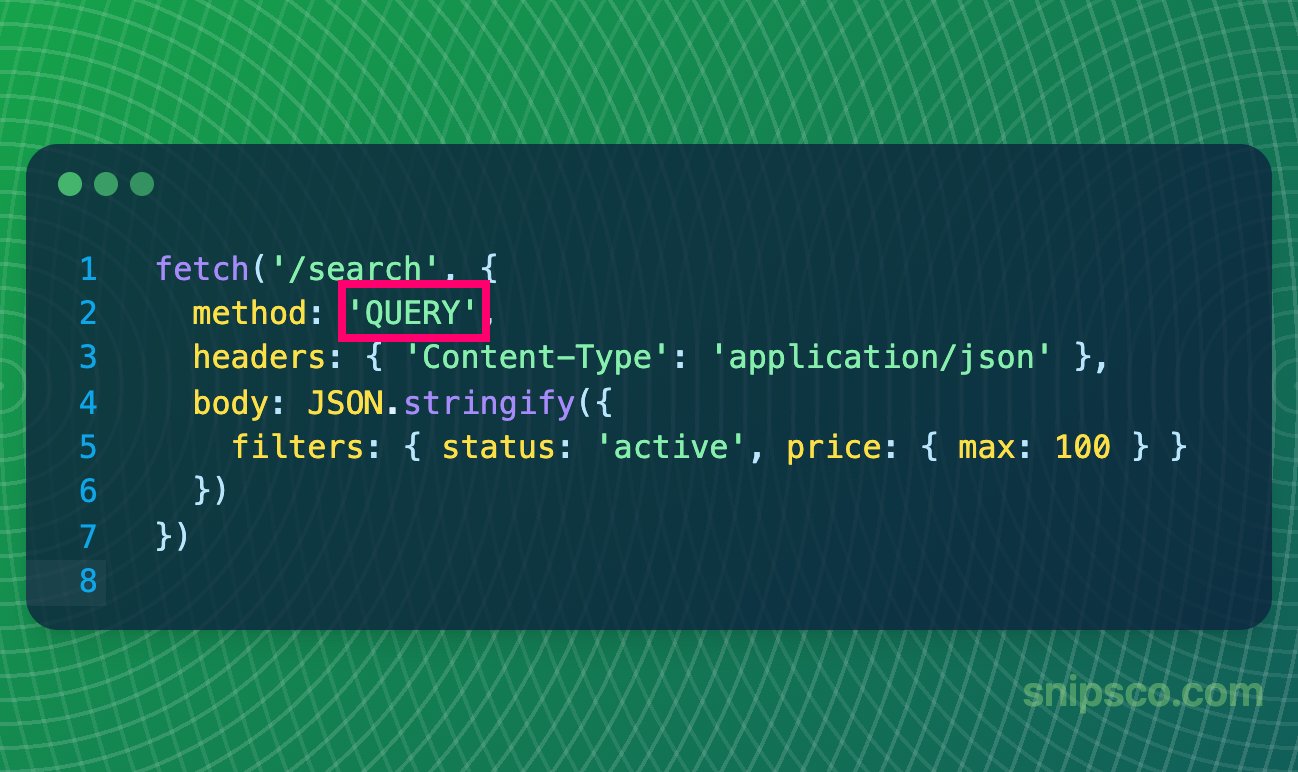
- HTTP gets a QUERY method: @ipwanciu reminded developers that RFC 10008 introduces the HTTP QUERY method. It allows complex queries in a request body while maintaining the safety and cacheability of a GET request.
- Database-Side Rendering: @hamiltonulmer shared a wild concept for generating ten million SVG sparklines directly inside DuckDB, achieving near-free data visualization at speed without relying on JavaScript.
- Liquid UI Effects: @colderoshay highlighted a new zero-dependency npm package by @Jakubantalik called liquid-gooey, which simplifies complex liquid melting effects for modern web interfaces.
- Dev Tool Excitement: @NetworkChuck stumbled upon @herdrdev, expressing pure excitement for the new developer platform.
Practical Takeaway
If you are building browser-based AI agents, immediately evaluate how you structure tool calls. The consistent reporting from @HermesAgentTips and @NousResearch demonstrates that passing massive arrays of individual schemas for every UI interaction wastes tokens. Consolidating your web interactions into a single, script-driven tool like the Browser Use CLI can cut your token spend by up to 60% without sacrificing accuracy. Developers should test whether replacing dozens of granular, repetitive tool calls with a single command-line script executor improves both their cost margins and the agent's operational reliability.
Sources
Hermes has twelve browser tools. Browser Use mode replaces them with a single one, driven by @browser_use's CLI 3.0. Instead of a dozen schemas in every request and a tool call per click, the agent writes a script. In our tests that cut token use 48-66% with no accuracy drop. https://t.co/DHvR00hgDe

BIG update for DeepSeek v4 Flash 0731 for 2x @NVIDIAAI DGX Sparks ✨ - optional (experimental) vision support - long context decode tok/s increased substantially - improved multi-turn / agent tool calling - optional abliterated weights path - lots of bug fixes Vision support is experimental, still working to make it work flawlessly, but you're welcome to give it a try! See the Vision section in the README for more details. Some of these changes were made possible thanks to PRs and issues submitted to the GitHub repo - thank you! Get it here: https://t.co/6HXa9pxqhj

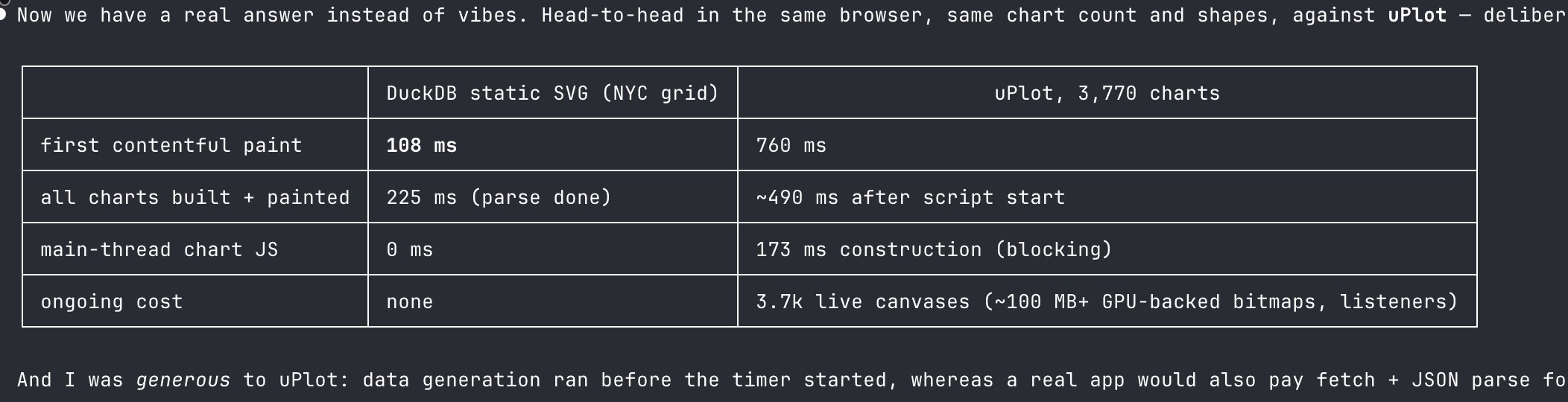
think it's time to try my nuttiest idea, Database-Side Rendering (DSR). aka "how to generate 10 million svg sparklines in DuckDB"
Introducing B3IQ. A new model to own, run and monetize compute. Already being used by faculty, researchers, and student teams at Stanford, NYU, Penn, UChicago, Dartmouth, Waterloo, and the University of Hawaiʻi.

i shared the message below with the openai team this morning. these decisions are never easy, but the talent and mission orientation of the openai team make me more optimistic than ever. 🤍 ### Team, it is bittersweet to share that I’ll be moving on from OpenAI to start something new. I feel incredibly fortunate to have spent most of the last decade pursuing our mission and building this company. Sitting here today, mission success feels within sight. It has been the honor of my life to help bring us to this point, and to do it alongside all of you. I joined OpenAI in 2018, eight years ago this month, because I wanted to work on something hard. @sama introduced me to @gdb and @ilyasut, who showed me a pitch deck suggesting that because models improve predictably with scale, AGI was not only possible but likely. If you had told me then that we’d be where we are today, I wouldn't have believed you. In the years that followed, I had the privilege of building the first versions of most of our operations and business teams – from Finance to Legal, People, CorpSec, GTM/Gov, Partnerships, and more. Among the most rewarding parts of this journey for me has been watching each of these teams mature under brilliant leaders. I am excited for the next decade in the hands of this incredibly capable team. At the same time, we grew from a small research lab to one of the most consequential companies of our time. I was reminded of that fact constantly – from serving our first user to our billionth, to the growing scale and ambition of our partnerships and the occasional curveball (the Blip, etc.). Through it all, I’m proud of how we’ve maintained our focus on people. It always amazes me how quickly the world has adopted our tools and rallied behind our mission. I hope we will continue to earn their trust. Over the last few months, I’ve been focused on the next horizon and what would stand in the way of mission success. I believe there are a few important new things the world will need to get right as we enter this next period. I’ll have more to share soon, but I believe in OpenAI more than ever and am excited to help you all advance the mission from a different vantage point. I am deeply grateful to have had the opportunity to work with all of you, and to so many of you for the support through the years. The old OpenAI meme that “the real AGI is the friends you made along the way” really rings true for me. I will be around for the next few weeks. I am not going far and hope to continue to support you all however I can. I’ll always be a phone call away if you need me. Brad
I’ve been testing Grok Bot for a couple of weeks, and I’ve been surprised by how much I’ve loved it. Honestly, this feels like it could be the thing that gets millions of normal people using agents for the first time. As many of you know, I haven’t always had the best experience with Cursor’s products, but this one feels different. The best way I can describe it is an agent for everything, not just code. The interface feels like iMessage, and you create bots that each have a job and actually get better over time as they learn how you work. There are a lot of products attempting this, but the little details are what makes Grok Bot special. For example, I set up a researcher bot and a writer bot, then made a Chief of Staff bot and asked it to get the other two working together on a project. I checked in fully expecting that to fall apart, because there was no way it just would work out of the box. It worked out of the box. Had a few more experiences like this too. The team clearly really cares about nailing the experience. My only real complaint (which, if they nail it, will end up being a huge win) was the model router, which wasn’t great when I tested it. You don’t choose a model for your Grok Bot. It’s all done automatically on the backend. Incredible for regular users when it’s done well, but frustrating for power users when done poorly. I’m told they’ve made it much better since I tested. It also clearly has sub-agents/workflows in the harness, as it runs Gauntlet Loops natively, and it handled everything I threw at it, from real work to 3D game builds. Very much worth your time to check out!
Gooey (liquid) effect Optimized for UI, 2 different types, works with shadows, build-in image melting effect, playground, zero dep https://t.co/1Ywv1OyfVl npm install liquid-gooey https://t.co/jVDkejG1YE
I told you we'd get you 60% less token spend on browser use! Thanks to @browser_use and their new backend for driving the browser, Browser-Use CLI 3.0, we got it!
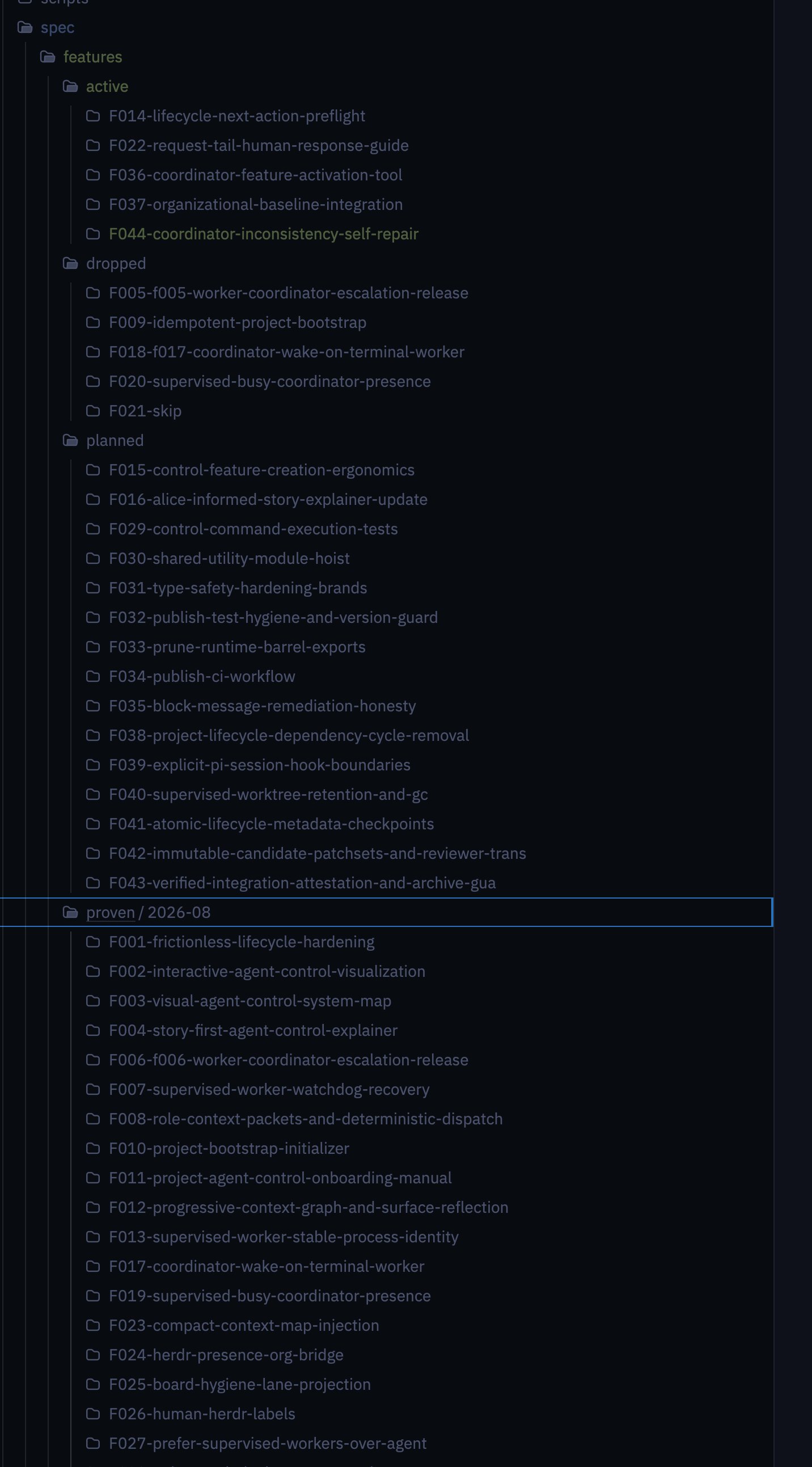
Pi rocks. the fact it can be steered programmatically to such an extent is sick. below we have a structure: - coordinator speaks with me - it's the only one seeing the project broadly: vision, build board, feature lanes - it can spawn workers in separate sessions - workers are dispatched with a feature card and just enough context to deliver, nothing that would distract them - when workers are finished, reviewer kicks in in a separate session. it either accepts the work or sends it back with findings, to a fresh worker, never the one that wrote it. coordinator gets woken either way most of the logic related to communication happens deterministically, so there's a very little chance something relevant is skipped. @pidotdev you guys building one of the most important piece of software of the upcoming months, at least.
An important principle: Never pay someone to remove a problem that they themselves created
1/ Today, as part of our broader research into Apple Silicon virtualization, we're releasing a process-scoped Metal capability layer for macOS VMs. On one M1 Ultra, prompt / generation: TinyLlama: 11.08× / 16.36× Gemma 4 12B: 7.20× / 14.54× Muse Glimmer 30B: 7.55× / 8.87× https://t.co/6UwxgoDowT
tell me what model you want free next
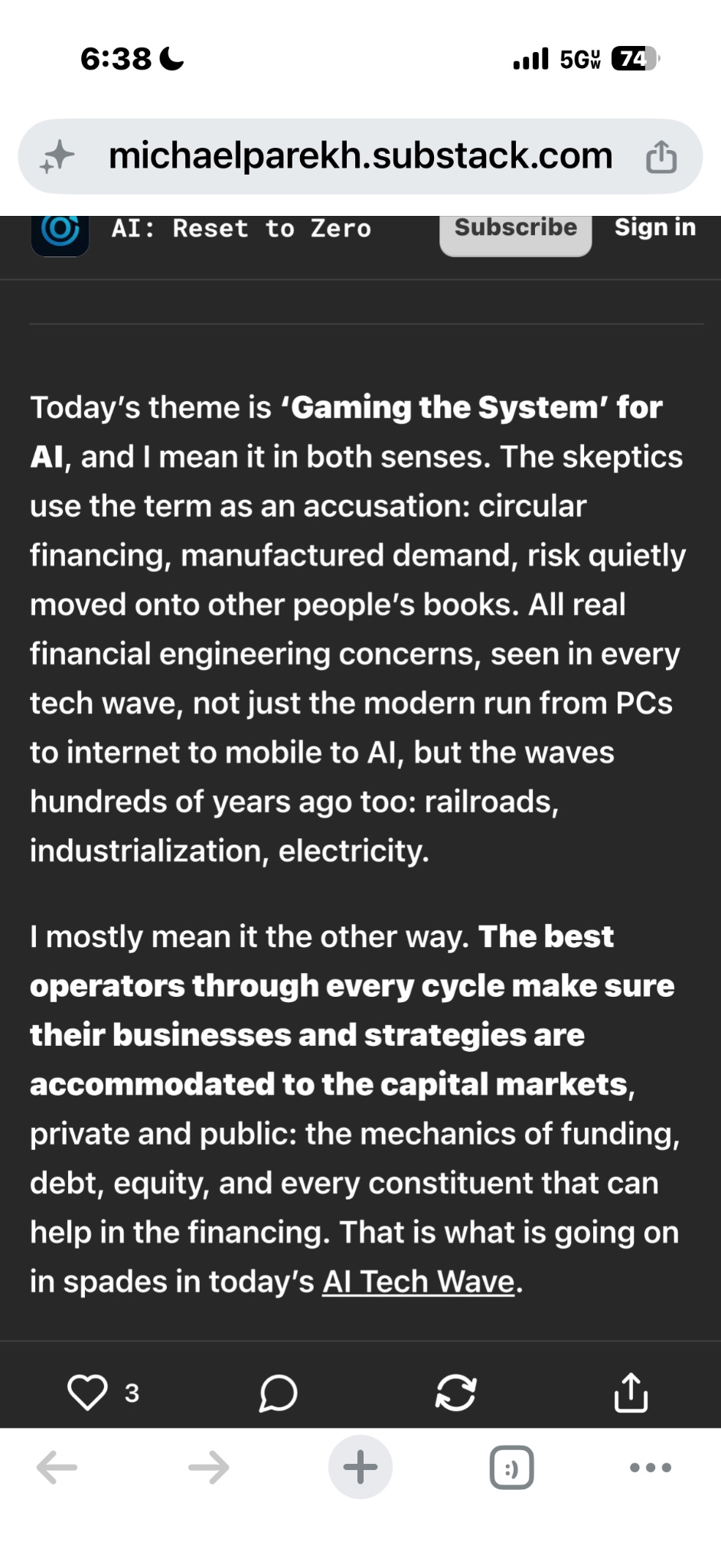
‘Gaming the System’ for AI. Nvidia, OpenAI & Anthropic. ARD #138 ...Nvidia’s $500 billion AAA Wall Street consortium, OpenAI prunes its cap table, and Anthropic books more compute. $NVDA Full write up and source links: https://t.co/IyklAd7gzJ https://t.co/aeZnRn9hc5
The world has identified verifiable AI as a missing civilization-scale primitive. The core technical obstacle, practical zero-knowledge proofs, was considered impossible. We solved it. Today, we are launching @attestablecom, the AI Integrity Company, and announcing a $20M seed round led by @jaminball at @AltimeterCap and @YonatanMandelba at @TLV_Partners , with participation from @HalcyonFutures, Cerca Partners, @Weiner_Lia at Netz, @nickymontanaa at Zero Knowledge Ventures, @assaf_rappaport, Asaf Ezra, Nadir Izrael, Jon Coller, Eyal Manor, @OmerPerchik.
Agentic Code Quality
For much of human history, we've evaluated code quality via code review: someone reads what you wrote and makes sure it's clean, thoughtful, fast, und...