GPT-5.6 Luna Triggers Massive Cost Drops as Agentic Dev Loops Expand
The release of OpenAI's GPT-5.6 Luna variant is driving unprecedented cost reductions in AI inference, pushing developers to prioritize context management over model routing. Meanwhile, the open-source community is shipping specialized tools to wrangle agentic workflows, from preventing LLM scope creep to parsing PDFs instantly without OCR.
Quick Hits
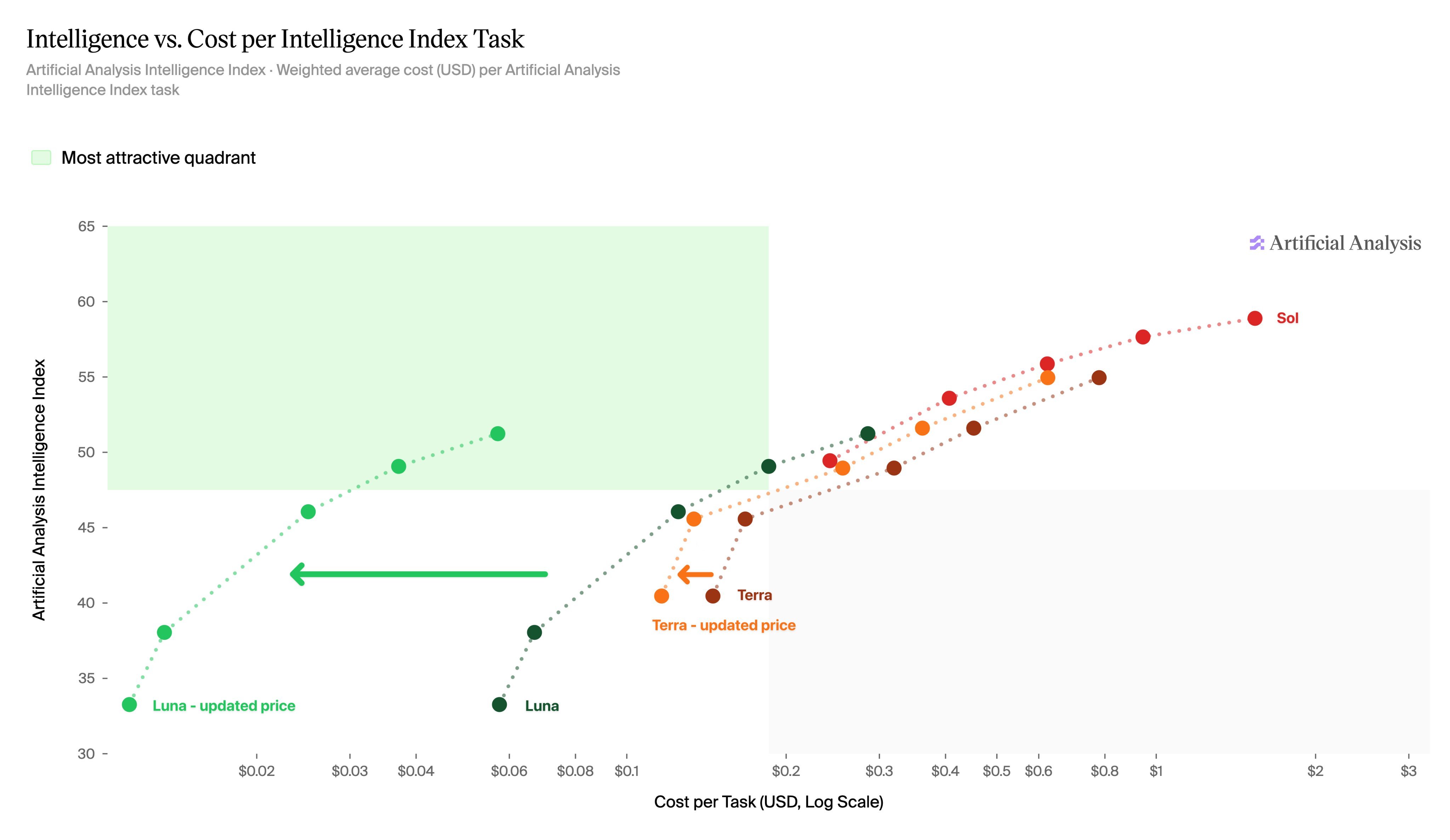
- The newly dropped GPT-5.6 Luna model matches previous frontier intelligence at a fraction of the cost, leading @nunezvice to note a 60x price reduction per task compared to GPT-5.5 xhigh.
- Cost reduction in AI inference is shifting away from complex routing, with @badlogicgames amplifying arguments that strict context reduction is the only reliable way to cut costs.
- Enterprise AI integration remains messy, as building internal systems requires navigating data silos and preventing AI hallucinations, but @giyu_codes highlights a philosophy of augmenting rather than replacing existing systems of record.
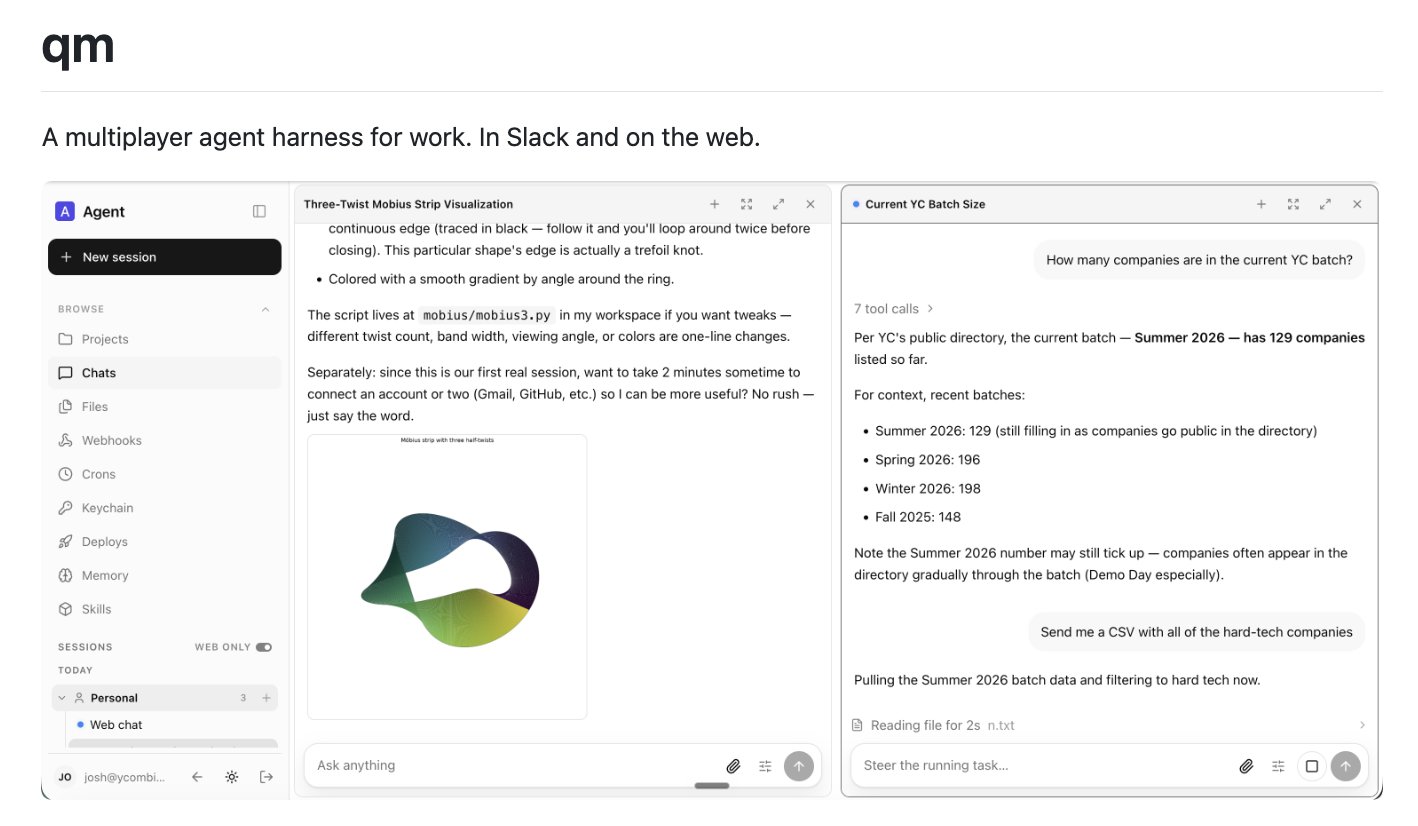
- @ycombinator open-sources "QM," a multi-agent harness used internally, joining a wave of new developer tooling aimed at taming autonomous coding workflows.
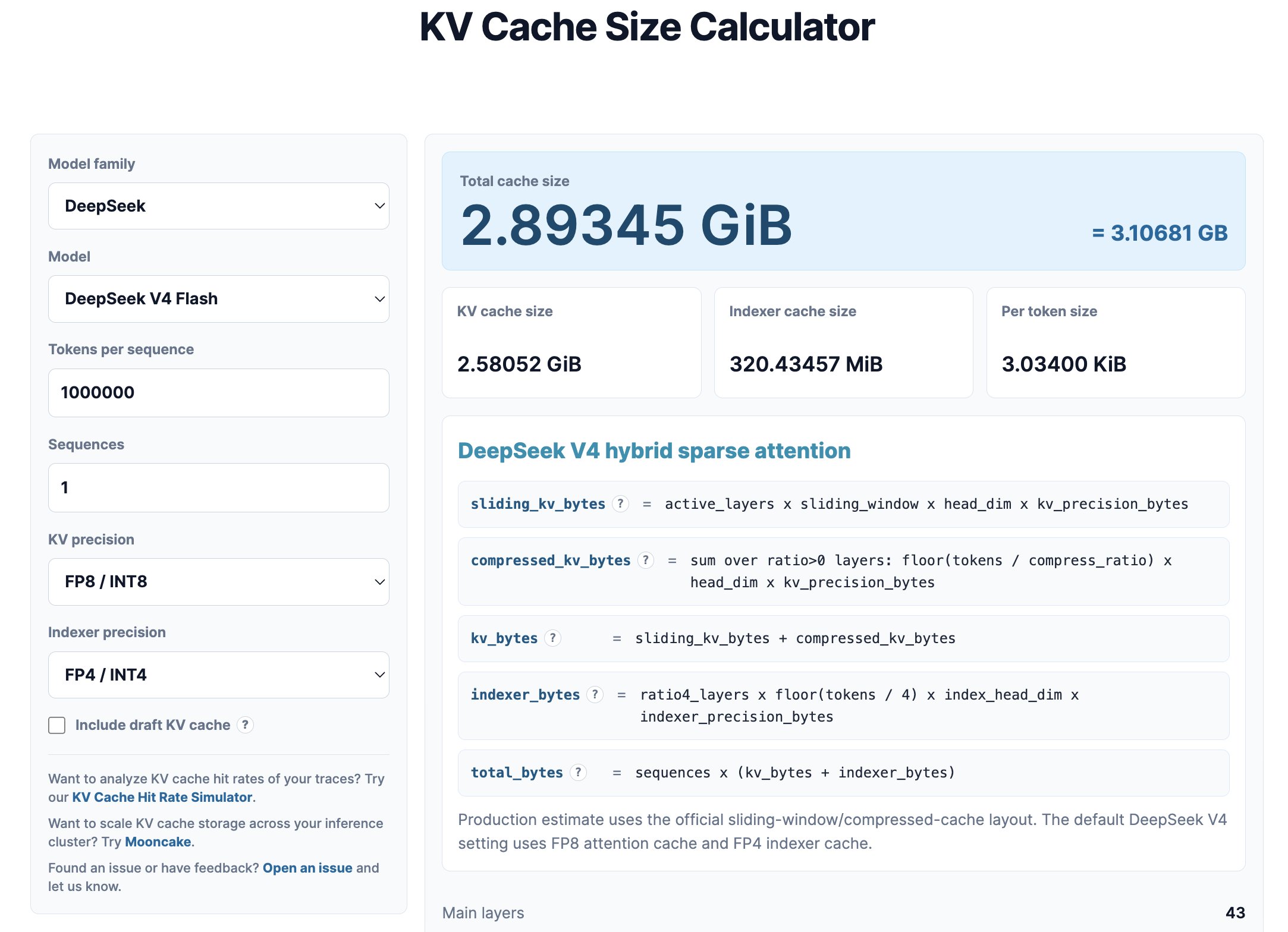
- Algorithmic efficiency in context memory is accelerating, with @bookwormengr highlighting that DeepSeek-v4-Flash requires only 2.89 GB of storage for a one million token context window.
The Economics of GPT-5.6 and the Context Reduction Imperative
The AI development community is actively measuring the impact of the GPT-5.6 model variants, specifically the cost-efficient "Luna" release. @nunezvice puts the price drop in perspective, noting that Luna max reasoning matches the DeepSWE benchmark scores of GPT-5.5 xhigh at roughly $0.12 per task instead of $7.23. @Ananth7e corroborates this performance jump, observing that Luna on max reasoning delivers intelligence comparable to the Sol variant on medium, but at 25 times lower cost.
This sudden drop in inference costs is shifting how developers approach API spending. @badlogicgames retweets analysis from @mattzcarey arguing that model routing is a flawed strategy, asserting that the only true way to reduce expenditures is through context reduction. @0xSero applies this directly to coding agents, sharing methods for cutting Codex costs based on a breakdown of the GPT-5.6 variants.
Engineers Shift to Managing Agentic Loops
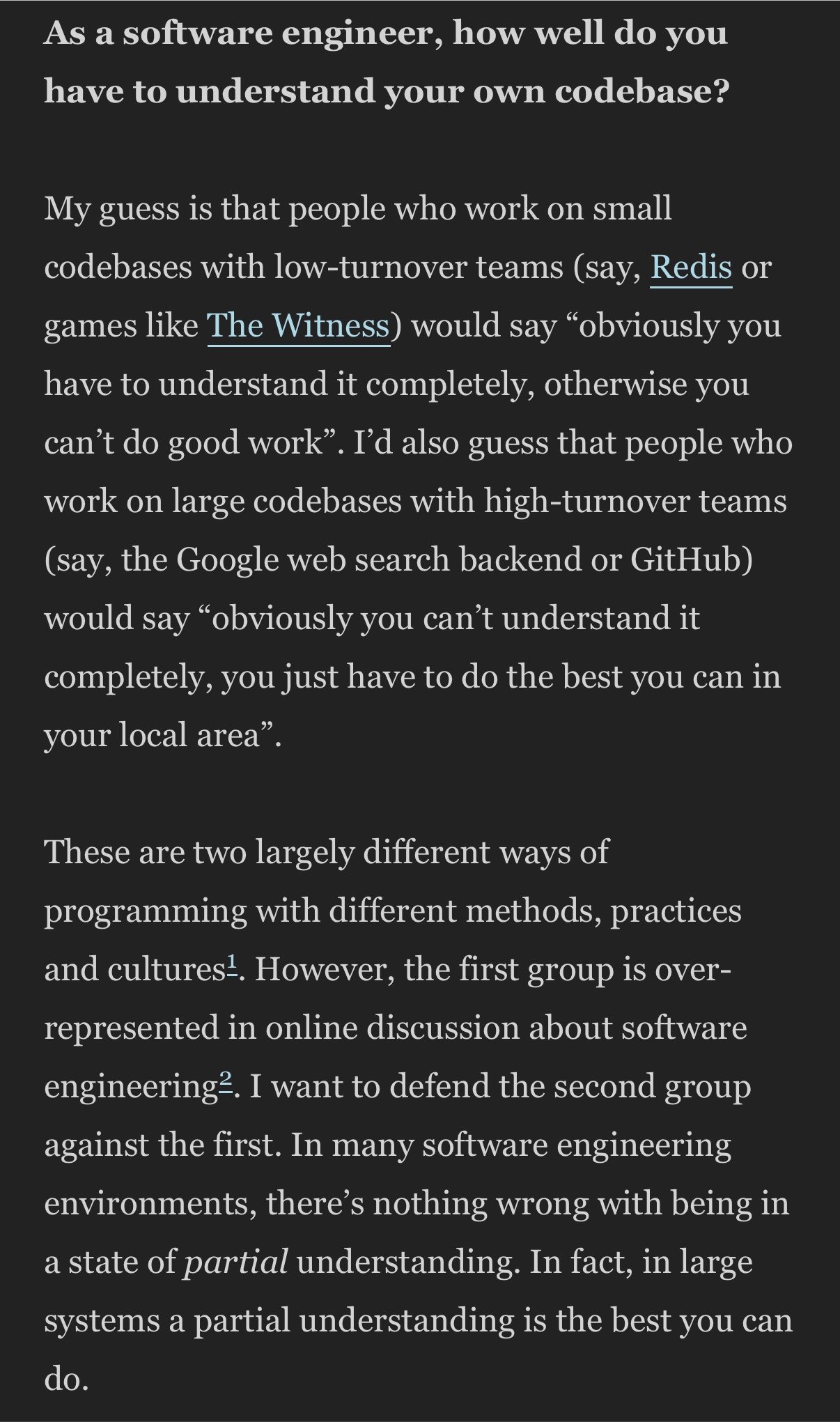
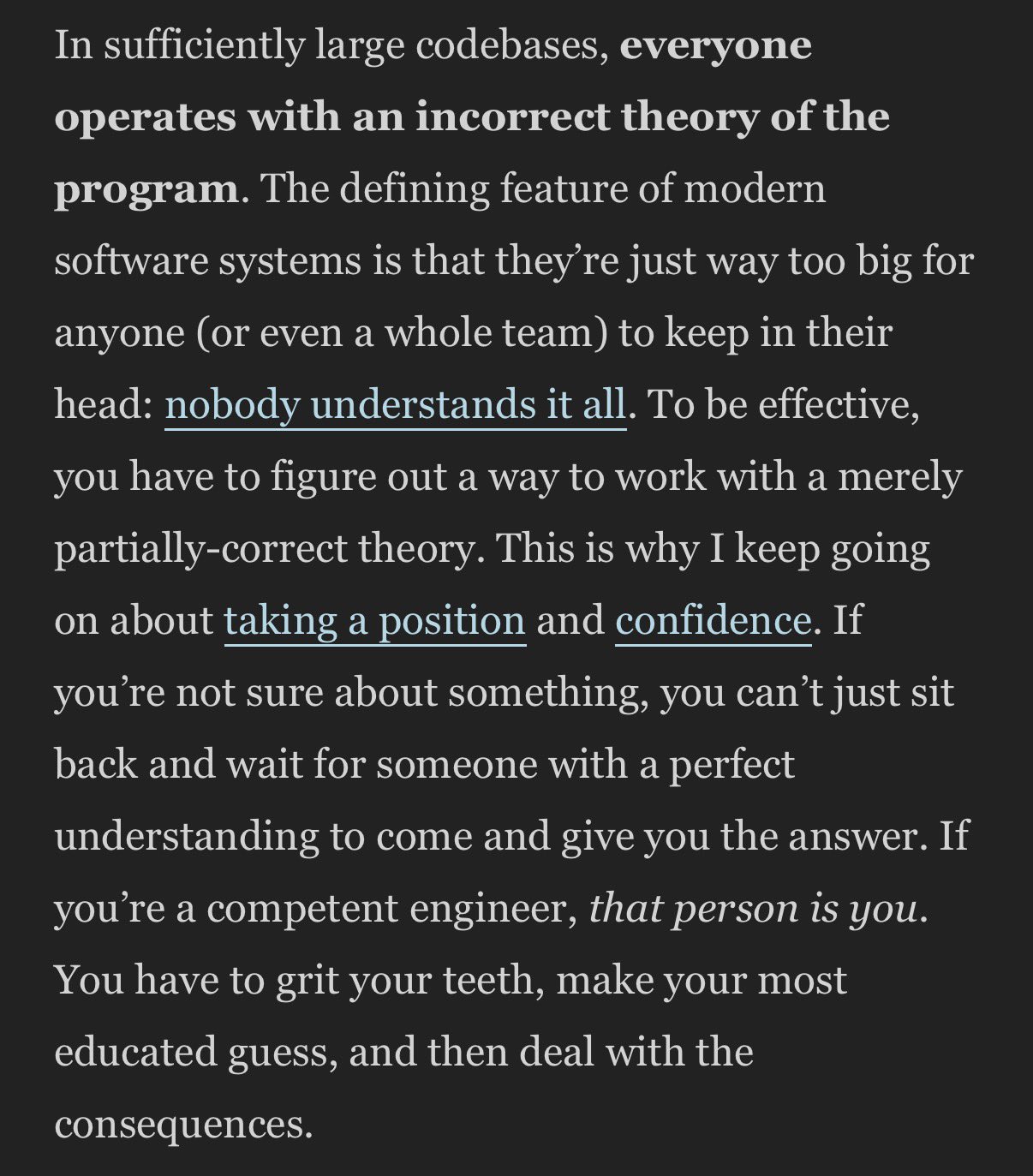
As AI models write more code, the role of the software engineer is fundamentally pivoting. @rauchg predicts a transition to agentic software factories where the workflow becomes a continuous loop: Issue, Agent, PR, Release. In this environment, the maintainer's primary job is to engineer the loop that yields the highest quality output. @NickADobos takes this a step further, arguing that as AI scales codebases by 10,000x, humans will physically lack the mental capacity to understand entire programs. He concludes that hands-off "vibecoding" will become the default, forcing engineers to navigate projects with imperfect information.
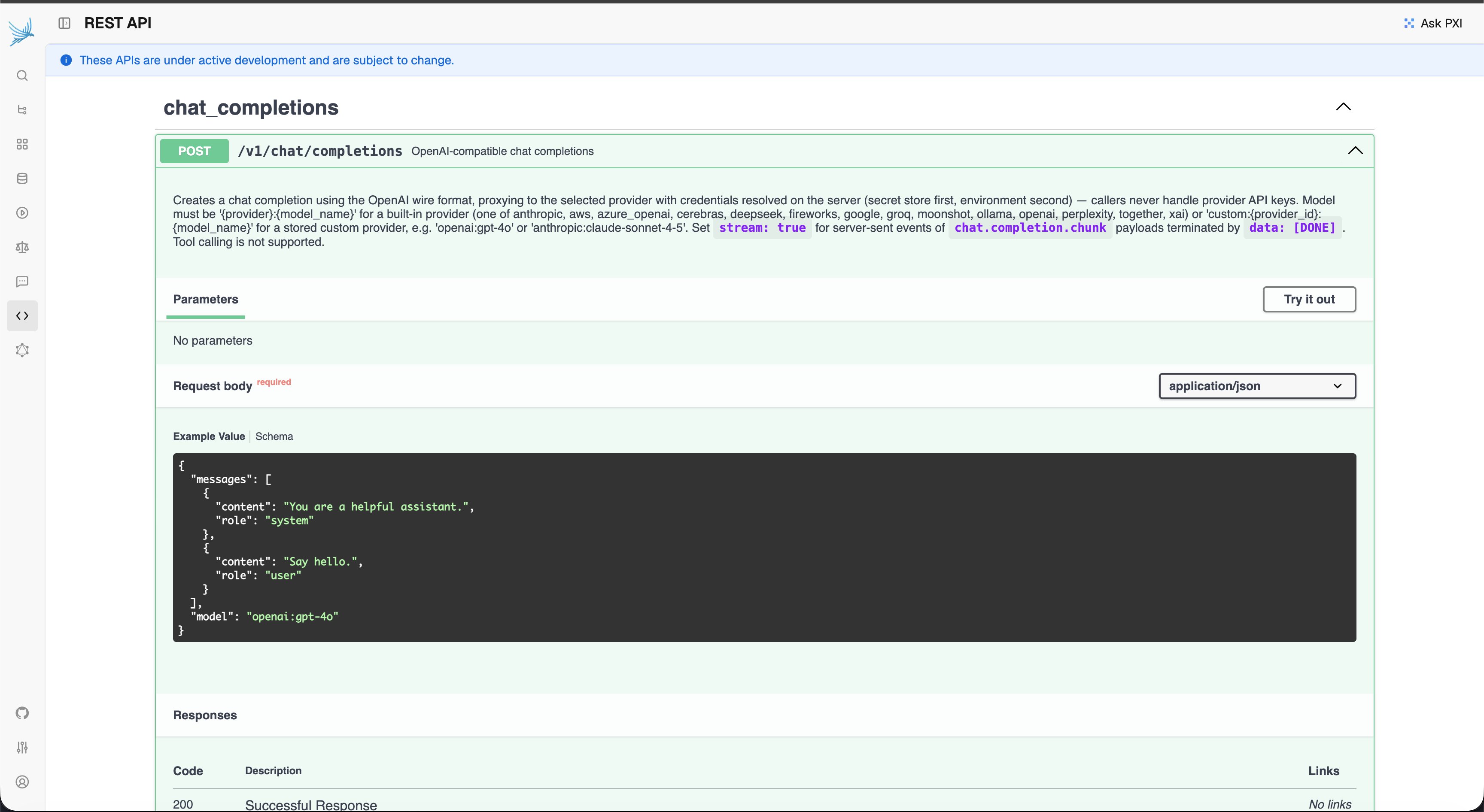
To keep these autonomous agents within desired parameters, developers are building specialized guardrails. @kunchenguid points to an open-source CLI tool called Scopey, created by @CalvinGrunewald, which runs a background process to inject course corrections when models like GPT-5.6 Sol or Claude Opus 5 begin over-engineering or drifting into unnecessary scope expansion. @wolframs91 tackles a similar issue from a prompt engineering angle, sharing specific wording replacements to prevent unintended Fable 5 to Opus 5 fallback cascades in agent memory. The reliance on standard APIs for these workflows is humorously summarized by @mikeldking, who notes that every complex agent architecture ultimately funnels back to the /v1/chat/completions endpoint. Furthermore, @mattpocockuk highlights that even Microsoft's CEO appears to be utilizing niche agent skills that originated from obscure Reddit posts, underscoring how rapidly community-built workflows propagate to the top of the tech industry.
Enterprise AI: Orchestration and Real-World Friction
Deploying AI across large organizations presents a distinct set of operational hurdles. @samzliu reviews Stripe's internal Knowledge AI Platform, noting that companies attempting to build in-house enterprise brains consistently struggle with data isolation, retrieval quality, and preventing AI slop. Once these foundational issues are resolved, however, organizations can unlock long-horizon agents capable of running for weeks and portable memory systems that transfer learnings across teams.
The strategy for implementing these systems is critical. @giyu_codes shares an architectural philosophy from @vasuman arguing against ripping and replacing legacy infrastructure. Instead of forcing migrations to new platforms, AI agents should be built on top of existing systems of record like SAP or Salesforce. This creates a single pane of glass for orchestration where agents handle the 90 percent of repeatable tasks, leaving the 10 percent of complex exceptions to human judgment.
Open Source Tools and Hardware Hackery
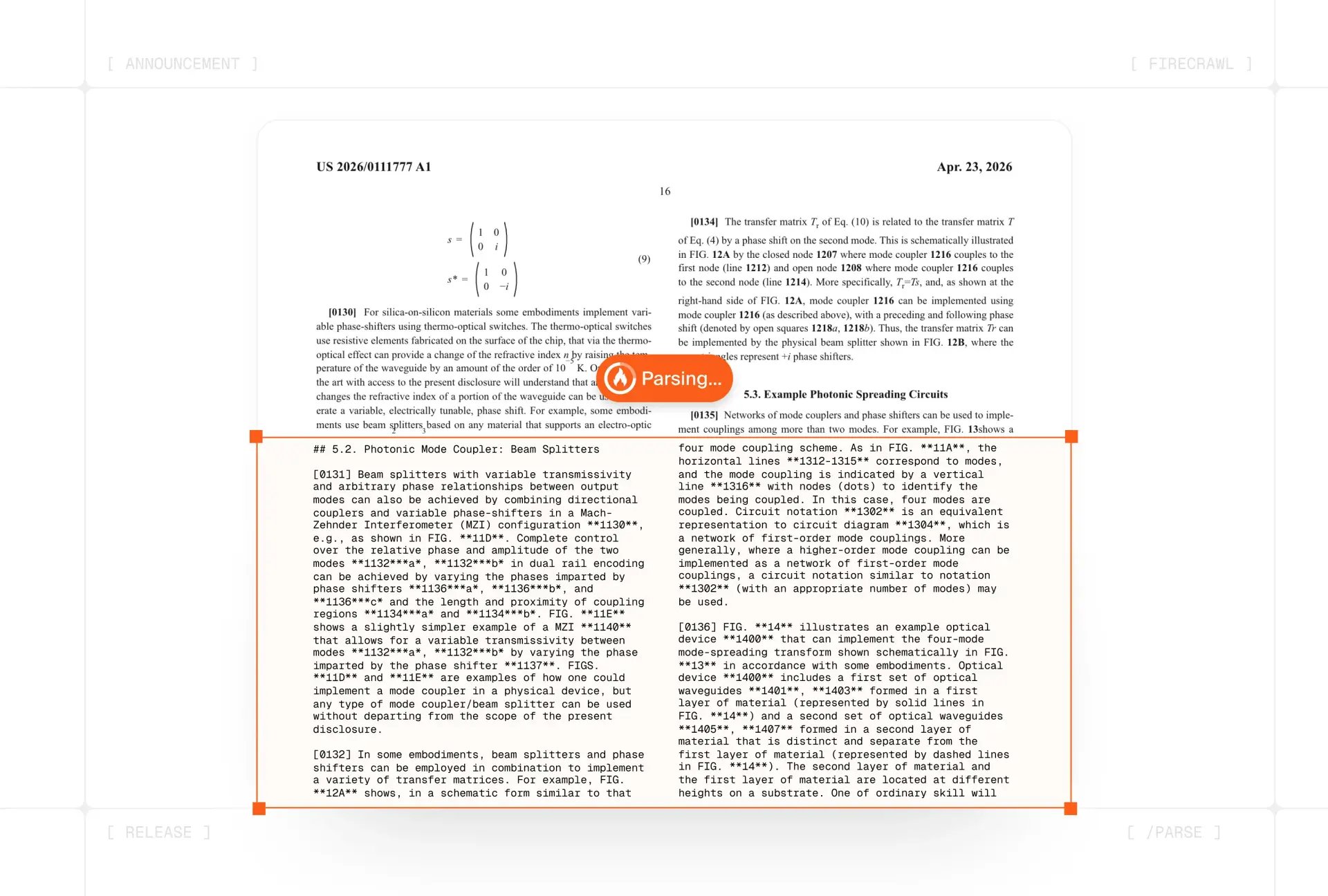
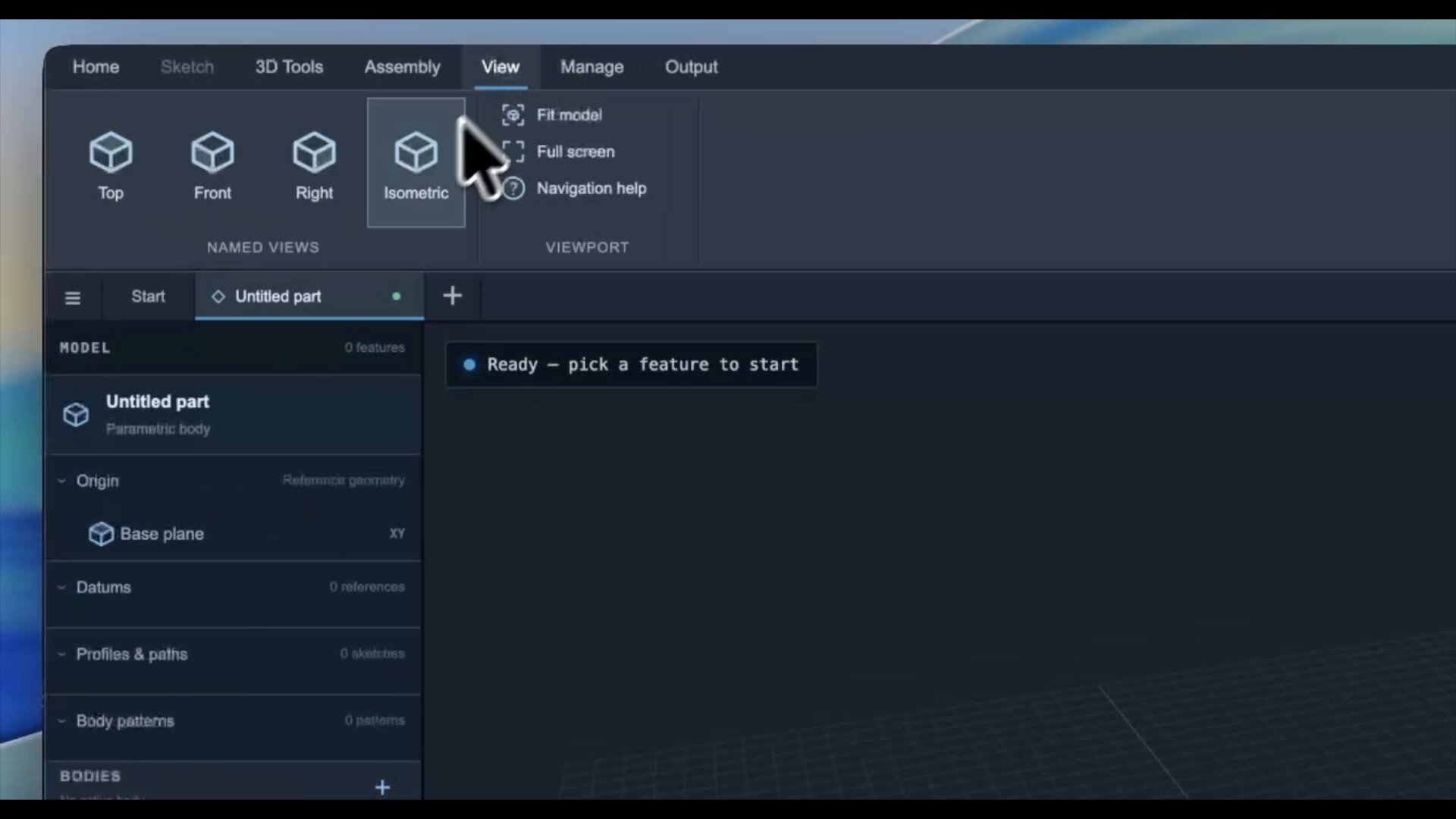
The open-source community continues to ship highly specialized utilities for agentic workflows. @ycombinator announced the release of "QM," a multi-agent harness built for internal use across their accounting, legal, and engineering departments. For developers working with physical media, @nickscamara_ introduces pdf-inspector, a tool built in Rust that bypasses traditional OCR to classify PDFs and extract clean markdown locally in roughly 20 milliseconds. @protosphinx previews a free, web-based CAD software built natively for headless agent calls, eliminating the need for bulky UIs in automated design pipelines. Agent harnesses are also gaining traction, with @pidotdev highlighting performance stats from @0xSero that praise the Pi framework for its high cache hit rates.
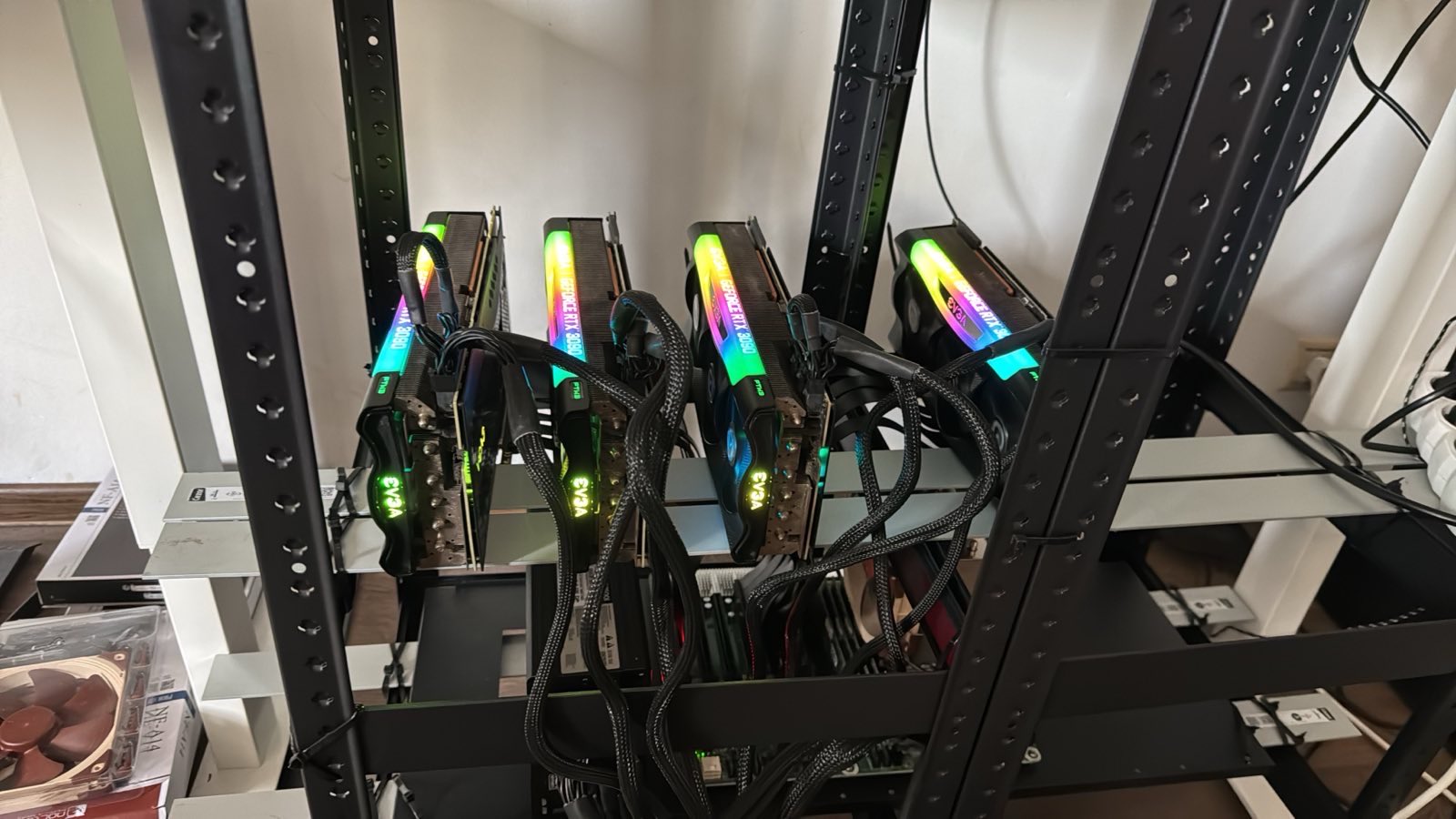
Hardware innovation is keeping pace with software. @i2cjak shares a video of a turnkey Wire Electrical Discharge Machining (WEDM) device built by @CooperZurad that cuts metal with electricity at a tenth of the cost of legacy machines. In self-hosting circles, @jack amplifies a guide from @_kalvinc on how to run your own Buzz relay. Meanwhile, @0xSero praises the HuggingFace and Ampere GPU resources provided by community developer Ton at Cyanwiki.
Scaling Compute and Beating Memory Constraints
Algorithmic breakthroughs are actively solving hardware bottlenecks. @bookwormengr breaks down the memory efficiency of DeepSeek-v4-Flash, which requires a mere 2.89 GB of storage for a one million token context window. This is a massive reduction from the 29.2 GB required by Kimi-K3, achieved through algorithmic innovation rather than waiting for physical VRAM supplies to increase.
The ceiling for AI reasoning capabilities also continues to rise. @kimmonismus highlights statements from OpenAI's @polynoamial regarding test-time compute (TTC). Although the unpublished reasoning models have not yet solved Millennium Prize problems, pushing TTC further could eventually unlock solutions to million-dollar math challenges. @AndrewCurran_ views recent ecosystem shifts like OpenAI's price slashes and math breakthroughs as clear indicators that capability scaling is accelerating aggressively.
Practical Takeaway
If you are deploying LLMs in production, prioritize strict context reduction and scope management over complex model routing architectures. The dramatic price reductions of models like GPT-5.6 Luna make direct calls highly affordable, but the risk of agents over-engineering tasks or falling back into unintended expensive model cascades remains high. Developers should investigate implementing background judge scripts, similar to the open-source Scopey tool, to monitor agent actions and force course corrections before token usage spirals out of control.
Sources
I made a turnkey WEDM machine for businesses. I've never made such a large, heavy machine before, but it works very well. I really like it, and I hope you do too. (YT link below) https://t.co/P4uDNOgUWv
Stripe's Knowledge AI Platform
This week, Turborepo reached 20 million weekly downloads and 0 known issues. https://t.co/ULUw44HHFZ
DeepSeek's 10 trillion USD grand strategy
Some more detail on the ROIC Intelligence App I built yesterday and mentioned on today's earnings call. I took the PDF that Brian Nowak at Morgan Stanley put together for Hyperscale ROIC this week and used Copilot code (coming in our new superapp) with a single prompt + skill (/drill-me) to create the plan, then used autopilot in auto to create the full app (with history, lookups, scenarios, what-ifs, etc). And /rubber-duck to test. And the best part is that all the artifacts are in my enterprise environment. My app is in Copilot, my code is in GitHub Enterprise; all my data pipelines/lake/semantic models are in Fabric. And everything is under Agent 365 IT/Sec/FinOps control! So this is not about Tokenmaxxing or vibe coding. Every step of the way the rails are engineered to create value, making everything a long-term reusable asset, with governance/security, and cost controls. This is the full system to drive business value. Disclosures: This is all pulled from public sources, and for illustrative purposes only...not financial advice! :) Here is the app and architecture...
OK, GPT-5.6 Luna is a bit of a beast. Given the 80% price drop today I decided to try it in Datasette Agent, and it's furiously quick and generates all the SQL, HTML and JavaScript (for Datasette Apps) I could possibly want
There are 3 core philosophies that we believe in when it comes to implementing AI for a large company: 1. Build on top of the existing systems of record. Your company spent years and millions of dollars building its stack. NetSuite, Salesforce, SAP, ServiceNow, whatever it is. The problem was never the systems themselves. The problem is the manual work your people do between them. Agents should run inside your existing tools, not replace them. No migration, no new logins, no retraining your team on a new platform. 2. Create a single pane of glass that unifies systems, that all agents live on top of. AI should be the last piece of software that you integrate, not the reason you add 50 more licenses and one-off workflows. One orchestration layer that connects your systems and gives agents a unified view of your operations. Finance agents, sales agents, procurement agents, all living on the same layer, talking to each other, sharing context. Not 12 disconnected AI tools that each solve one problem and create three new ones. 3. AI can do a lot, but can't do everything. Your team knows things that no model ever will. The vendor who always pays late. The client who needs a custom invoice format. The exception that happens once a quarter but costs $200K when someone misses it. Agents handle the 90% that's repeatable. Your people handle the 10% that requires judgment. Over time, that ratio shifts as agents learn from your team's corrections, but certain humans stay in the loop on what matters.
Buzz is self-hostable, here’s how to run your own relay https://t.co/jcIy6SmKJd
Getting the most out of GPT-5.6: Sol, Terra, and Luna
Yesterday I posted about Sol eagerly increasing scope on whatever I give it. @kunchenguid nailed it: if you ask it to make breakfast, it remodels the kitchen first. We hacked up a small CLI + set of hooks to keep Claude/Codex on track. Background judge every N tools, injects a course-correction when they drift. Open sourcing it as Scopey: https://t.co/qHcHoV4a9Q Still early / rough edges, but it’s been useful dogfooding on our own work. Would love feedback if you try it.
"rules for thee but not for me"
In defense of not understanding your codebase https://t.co/PjfSj52rBP
Fable 5 + custom harness on Drawing2CAD in SolidWorks https://t.co/PyxRn31ZQ8
The day we develop really good models. There will be signs. Reliability increasing despite load going up and up. Sudden efficiency gains. Things getting faster. Resets. These kinds of things.
And yes we did try other major problems without success. Sadly no Millennium Prize problems (yet). But also, we didn’t spend a lot on each problem. It’s possible to push test-time compute much further.