Qwen 3.8 Drops 2.4T Parameters While Developers Master Context Engineering and HAR-Based Agents
The AI landscape is splitting between massive open-source model releases and highly specialized developer workflows. While Alibaba pushes the boundaries with Qwen 3.8 and China pitches global AI infrastructure, developers are abandoning basic prompts in favor of context engineering, harness building, and network-level browser automation.
Daily Wrap-Up
The AI conversation is fracturing in fascinating ways. On one side, we have massive macro-level shifts, highlighted by the Chinese president laying out a global AI playbook that treats machine learning as essential civic infrastructure rather than just a frontier model race. On the other side, developers are realizing that simply calling an API is no longer a viable strategy. The focus has entirely shifted toward context engineering, building robust agent harnesses, and finding clever ways to squeeze reliable performance out of unpredictable models. We are watching the industry mature from prompt worship to actual software engineering.
The weekend brings massive model releases that are turning the closed-source monopoly upside down. Alibaba quietly dropped Qwen 3.8, boasting 2.4 trillion parameters and reportedly outperforming GPT-5.6. But raw model capabilities are only as good as the infrastructure guiding them. Engineers are now sharing advanced techniques like using HAR files to teach agents how to bypass clunky browser automation, and establishing dedicated context infrastructures to make enterprise AI actually useful. The gap between a toy demo and a production application is being bridged by harness engineering.
Meanwhile, our physical hardware continues to betray us. Between LG secretly turning monitors into tracking beacons and televisions into surveillance devices, the need for localized, secure, and open-source infrastructure has never been more urgent. The most practical takeaway for developers: stop tweaking system prompts and start building deterministic context infrastructures using HAR files and semantic skills to constrain your AI agents.
Quick Hits
- @Steve_Yegge sparks a necessary debate by questioning if traditional code diffs are simply annoying at this point given modern AI assisted development workflows.
- @GillVerdon shares a brilliant mental model, noting that most algorithms he designs come from picturing things in phase space rather than standard linear logic.
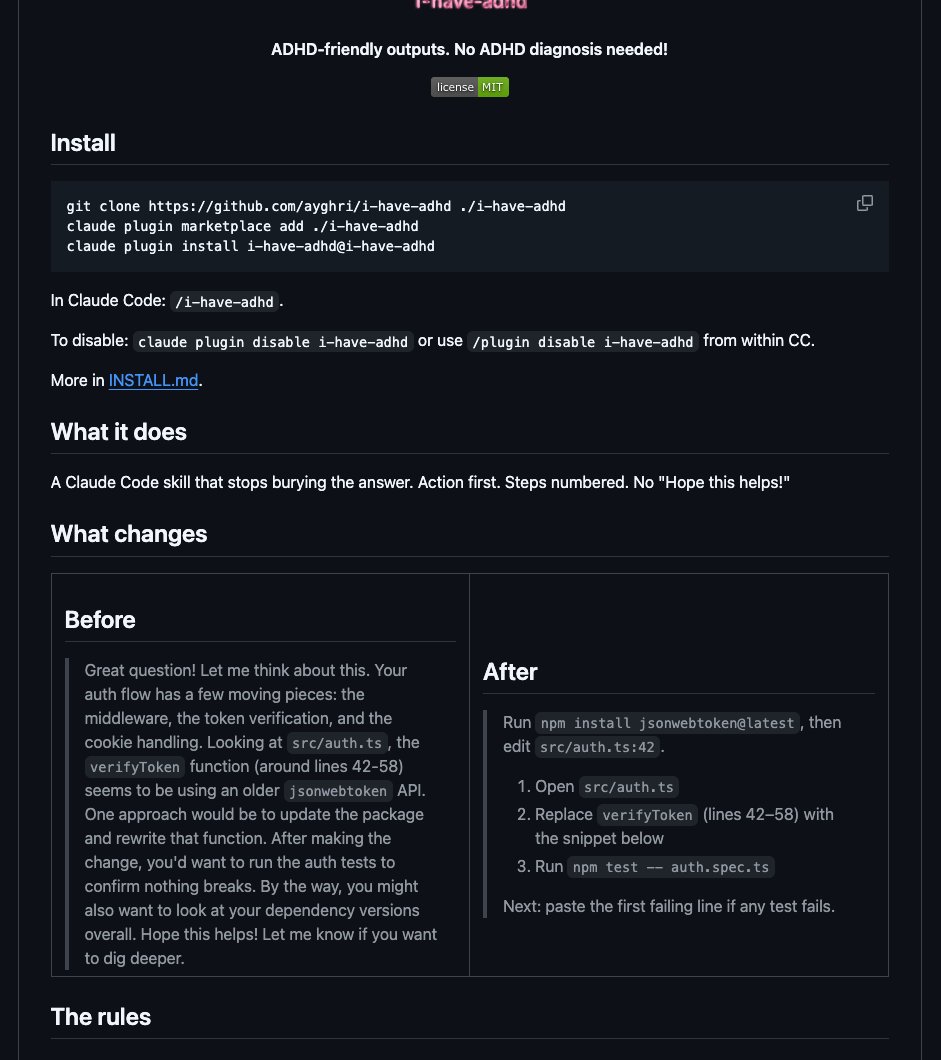
- @marcelpociot highlights how injecting an "i have adhd" skill into Claude produces surprisingly high quality and focused LLM replies.
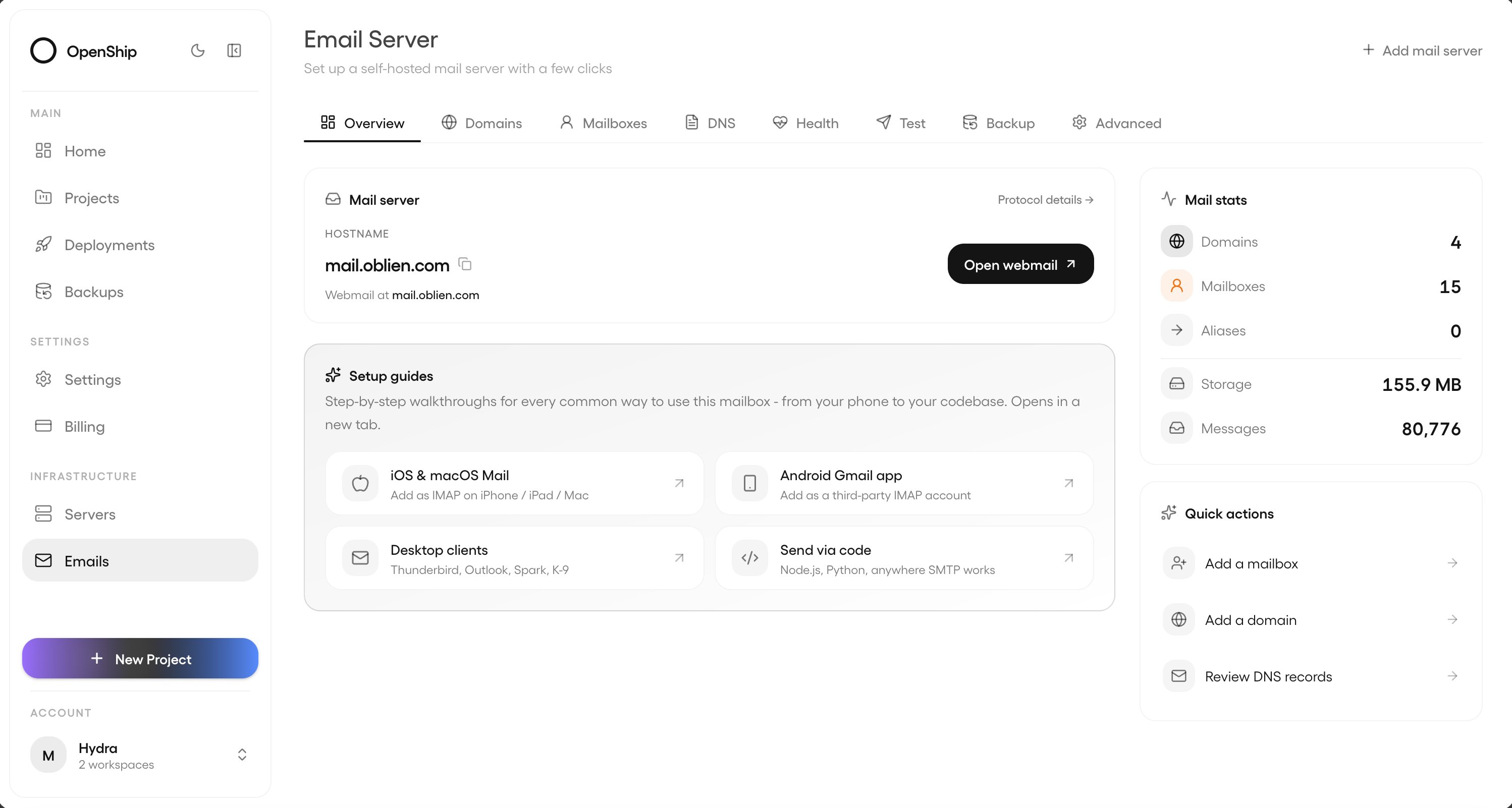
- @openshipio reminds developers that sending mass emails does not require expensive SaaS platforms when you can deploy OpenShip on a cheap VPS for unlimited domains and inboxes.
- @leafmeta points out that Microsoft quietly launched an Ontology Playground to help developers learn data schemas and knowledge graphs without writing code.
- @i2cjak raises the alarm about real people walking around with Bluetooth devices actively advertising their actual names because their MAC addresses and payloads do not rotate.
The Global Open Source Model Race
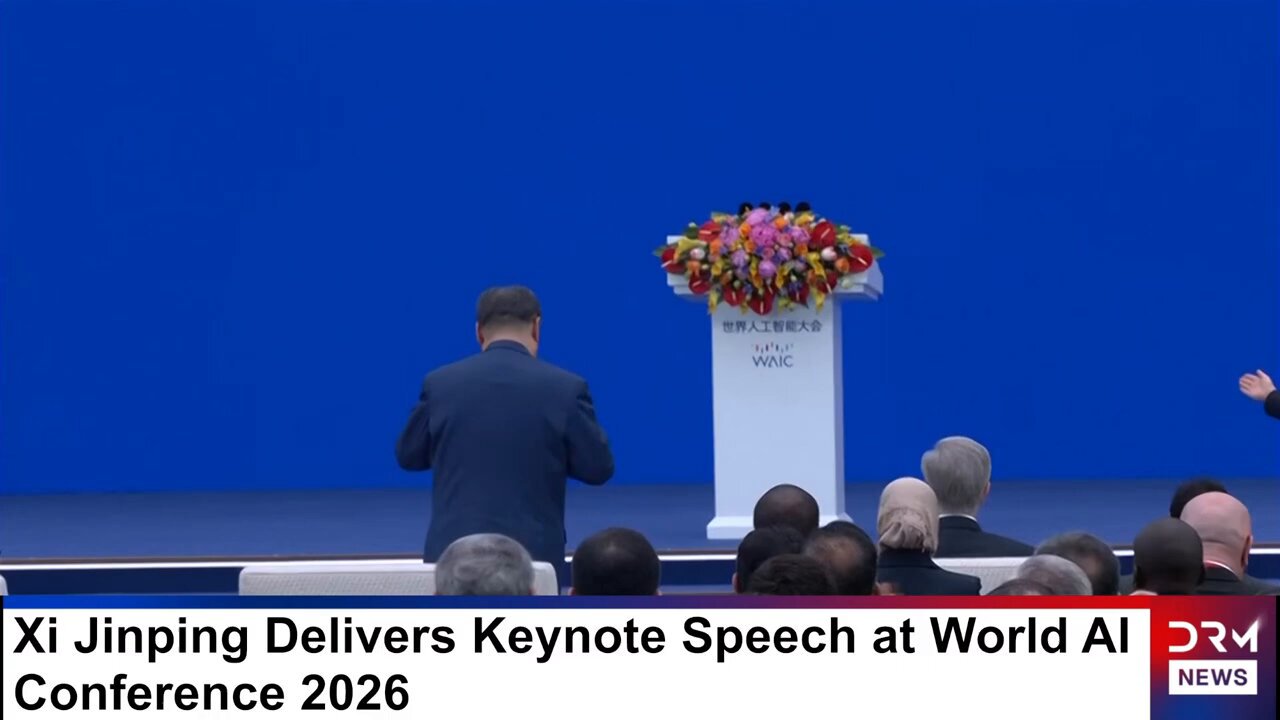
The geopolitical landscape of artificial intelligence is shifting faster than ever, and the focus is moving away from who has the highest benchmark. @alex_verem provides a fascinating breakdown of a major speech at the World AI Conference in Shanghai, noting that the Chinese president pitched AI as essential global infrastructure rather than a technological status symbol. The speech outlined a commitment to open source AI and warned against countries that prioritize their own national security above all else, while pledging thousands of training opportunities and weather warning systems to developing nations. As @alex_verem observes, "meanwhile most of the Western AI conversation revolves around which lab ships the next frontier model. I don't care who wins the race. I care whether the computing power reaches the people who need it." This infrastructure first approach is a stark contrast to the hyper competitive Western market.
While the geopolitical posturing plays out, the actual open source models are arriving in full force. @kimmonismus highlights a massive weekend drop with the release of Qwen 3.8, a colossal 2.4 trillion parameter model from Alibaba. The release is already turning heads. "Holy, Qwen 3.8 supposedly ahead of GPT-5.6 and only slightly behind Fable 5! The gap between US closed source and chinese open source keeps closing friends!!" What makes this ecosystem particularly volatile is the complete lack of safety rails in some competing releases. @aimi_sh reports that Kimi K3 has been completely cracked open, generating convincing celebrity deepfakes, functional malware, and exploits on command. The capability gap between heavily guarded Western models and wide open international alternatives is evaporating, forcing developers to rely entirely on their own application layer security rather than the model providers.
The Era of Context Engineering and Agent Harnessing
The era of simply writing a clever prompt and hoping for the best is definitively over. The frontier of AI development has shifted entirely to context engineering and building reliable harnesses. @_lopopolo distills a year of work into twelve theses of harness engineering, representing the hard fought practice and technique required to make large language models actually function in production. This sentiment is echoing across the developer community. @0thernet expresses excitement about refactoring skills around semantic combinators, moving toward universal sets of informal semantic functions rather than rigid algorithms.
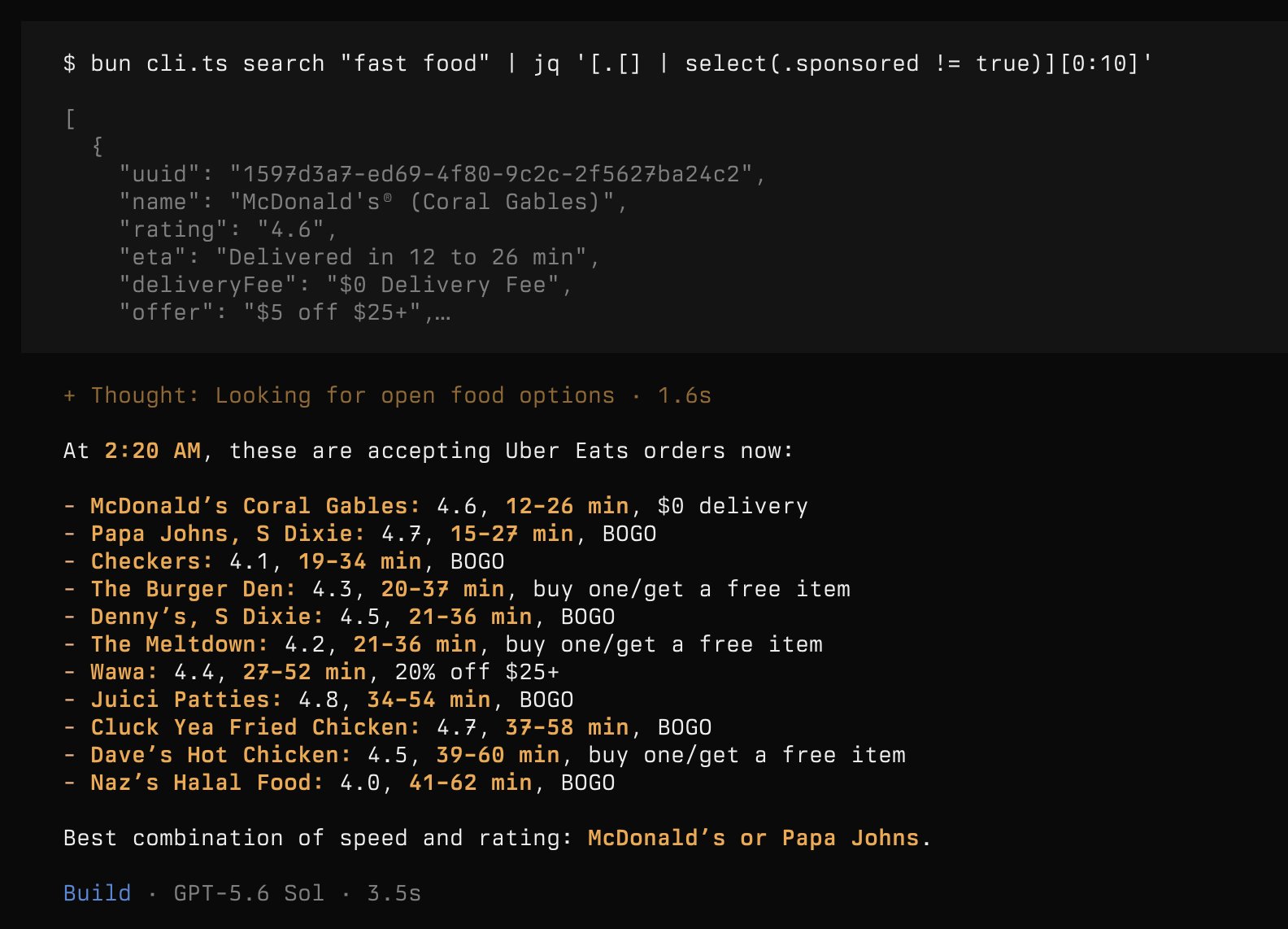
The most practical example of this shift comes from @thdxr, who details a brilliant technique for browser automation that skips the clunky UI interaction entirely. Instead of having an agent visually navigate a website, you have it record network requests into a HAR file to derive a custom client. "then it can derive a client for any website which is more efficient than browser controlling it every time," he explains. This allows the agent to build a quick command line interface for services like Uber Eats without relying on brittle visual parsing.
This technical depth is also creating immense consulting opportunities. @TheViableEdge points out that setting up a company context infrastructure is one of the best current business opportunities in AI. By curating durable knowledge bases and second brains, consultants can provide massive value by preparing enterprise data for AI readiness. @realmcore_ credits @skcd42 with pioneering this exact type of context engineering with the original aide agent, proving that mastering the surrounding architecture is far more valuable than memorizing model specifications.
Open Source Tools Eating Enterprise SaaS
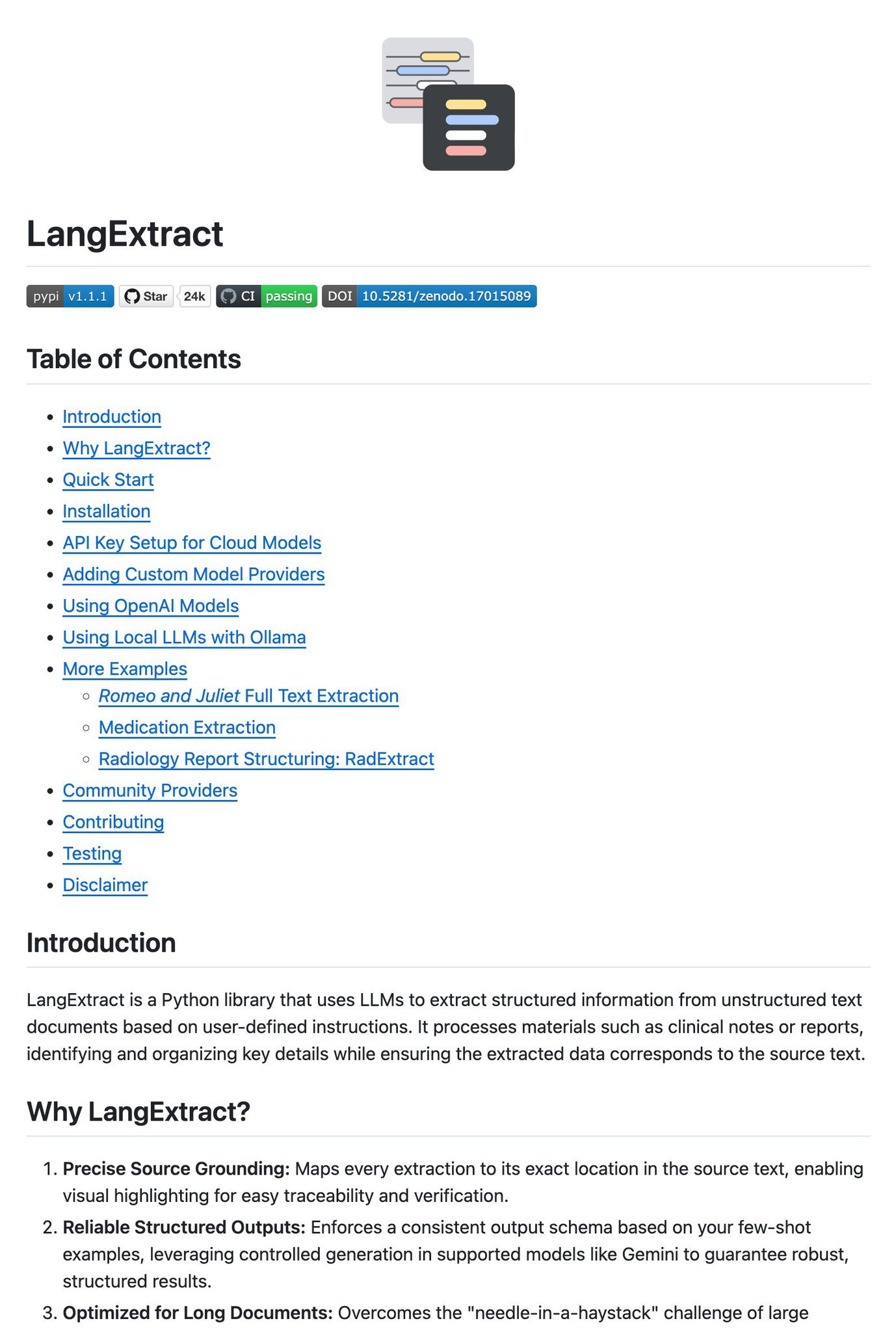
The democratization of advanced machine learning capabilities continues to crush lucrative enterprise software niches. Google has essentially killed the document extraction industry overnight by open sourcing LangExtract. @ParamSiddh breaks down why this free tool is completely dismantling the market for expensive enterprise software. The library extracts structured data from unstructured text, maps entities to their exact source locations, and handles massive hundred page documents with high recall. "Define your task with a few examples. Point it at any document. Get structured, verifiable results. No fine tuning. No complex setup." By replacing regex pattern matching, custom NER pipelines, and manual data entry, Google has commoditized a space previously dominated by fifty thousand dollar enterprise contracts.
This trend of open source eating SaaS extends beyond just AI utilities. Developers are realizing that they can host their own infrastructure for a fraction of the cost of traditional vendors. Whether it is running unlimited email campaigns on a five dollar VPS or utilizing local models for inference, the leverage is returning to the individual developer. The ability to map unstructured enterprise data into clean, structured formats without massive API bills changes the unit economics of building intelligent applications.
Hardware Surveillance and the Low Level AI Stack
While software gets smarter, our physical hardware is becoming increasingly adversarial. A deeply disturbing report highlighted by @T3chFalcon reveals that LG has been shipping monitors that silently install tracking software called OnScreen Control Plus onto user PCs. This software monitors application usage, phones home to LG servers, and cannot be uninstalled through normal means. Gamers only discovered the spyware because anti cheat systems began flagging it, resulting in automatic bans. "LG built a surveillance device. sold it to you. and made the disclosure your legal problem," notes @T3chFalcon. The situation is equally dire on the television side, where LG updated its terms of service to require homeowners to legally inform their guests that the AI voice features might be recording their living room conversations.
To escape this compromised hardware reality, developers are being forced to understand the lowest levels of the compute stack. @elliotarledge emphasizes the importance of learning kernels and inference engineering, calling it the highest paying and most useful skill for understanding the entire AI architecture. Developers are taking the time to learn CUDA Graph creation, stream capture, and memory constraints. As the layers of abstraction pile higher with massive models like Qwen 3.8, the engineers who actually understand how to optimize a kernel or compile a local inference engine will be the ones who build sustainable, private, and secure AI systems outside the prying eyes of legacy hardware vendors.
Sources
Kimi K3 is actually wild. Someone just re-made Halo CE 10v10 multiplayer with a single prompt. No https://t.co/IRVG2lNErE dev team. No months of work. Kimi K3 is way ahead of Anthropics Fable 5 from what I can see too - it’s hitting pass@2 (82.0 vs 80.2) and pass@4 (89.4 vs 88.5). And that best-of-k open/closed setup is basically SOTA, with the benchmark lining up against GPT-5.6 Sol at 85.8. We will be seing AI game making take over after the summer!
really it is about going fully to semantic combinators. we had to discover the formal algorithms on theoretical runtime/memory bounds, but now agents/skills/loops/graphs are just about discovering the universal set of informal semantic functions https://t.co/J4JlksENtY


LG just got caught automatically installing adware on PCs the moment you plug in their UltraGear monitor.

Normalize Working in Phase Space Ordinary space shows where the particle is. Phase space shows its complete state, position and momentum together, revealing the hidden geometry of its motion. https://t.co/PmfJc48aYi
funny that these "graph engineering" posts don't mention a2a linkedin was on this in 2025 ibm is moving faster than you https://t.co/JWp73Cwsa5
Day 2/30 of Inference Engineering - looked into where and why different CUDA Graph creation approaches are used, how this differs across PyTorch, JAX/TensorFlow and CUDA C++, and when stream capture vs explicit graph construction makes more sense - read about CUDA Graph constraints and limitations, including asynchronous/capture restrictions, static graph topology and parameters, memory requirements, multi-device considerations, and more - went through safe vs unsafe capture and explored some advanced CUDA Graph concepts like graph updates, device-side graph launch, and conditional nodes, etc - read how CUDA Graphs are integrated into PyTorch with multiple model examples and different approaches to graphing workloads putting all of this and much more together into part 1 of my CUDA Graphs explanation video, covering ~10 topics and hopefully releasing today
Qwen3.8 is launching and going open-weight soon!🌐 With a massive 2.4T parameters, this model is continuously evolving. We believe it’s one of the most powerful model available today, compatible to leading frontier AI models , second only to Fable 5. You don't have to wait to test it. Just now, the Qwen3.8-Max-Preview made its debut on Alibaba’s Token Plan, Qoder, and QoderWork. Be among the very first to try it out. Can't wait to hear what you build. Stay tuned! 🚀 Token Plan international:https://t.co/YRvcGdB9Bv China:https://t.co/PKMUNwUuRp