Sam Altman Hails "5.6 sol" as Best Model While GLM-5.2 Founder Claims Imminent AGI
Today's developments highlight a stark contrast between soaring AI ambition and pragmatic software engineering. While founders debate the timeline to self-aware artificial general intelligence, developers are focused on distilling massive models into efficient small language models and replacing bloated enterprise SaaS with custom in-house software factories. Hardware innovation also continues to push boundaries, from clustered DGX Sparks running massive models locally to allegations of massive corporate espionage shaking the tech world.
Daily Wrap-Up
The AI landscape today is caught in a fascinating tension between those predicting the imminent arrival of god-like artificial intelligence and the builders quietly using existing tools to radically reshape everyday software. On the philosophical extreme, founders of major AI labs are openly discussing recursive self-improvement and the potential for AI to develop self-awareness within the next few years. This bullish sentiment contrasts sharply with the reality on the ground, where the most impactful work is happening in the trenches of enterprise consulting, small language model optimization, and physical robotics. The realization is setting in that general-purpose models and generic software solutions are losing ground to highly specialized, custom-built systems that solve specific business problems with unprecedented efficiency.
Perhaps the most surprising and entertaining narrative of the day comes from the ongoing legal and corporate espionage drama between Apple and OpenAI. The allegations that a 24-year Apple veteran systematically dismantled the company's hardware division by leveraging stolen security manuals to recruit engineers for OpenAI reads like a Hollywood thriller. It underscores the astronomical stakes of the AI arms race, where human talent and proprietary hardware secrets are just as critical as algorithmic breakthroughs. Meanwhile, pragmatic developers are finding brilliant ways to apply AI to physical problems, whether that means building custom MRI viewers from USB sticks or strapping lasers to autonomous farming rovers.
For developers, the signal through the noise is clear: general purpose is out, and specialized is in. Whether you are looking at the shift toward specialized agent harnesses, the distillation of massive frontier models into tiny task-specific language models, or the massive opportunity in enterprise AI consulting, the money and the impact lie in building targeted systems. The most practical takeaway for developers: stop building general-purpose wrappers and start building specialized software factories that consolidate enterprise data and distill frontier models into hyper-efficient, task-specific small language models.
Quick Hits
- SpaceX continues its "Critical Path" series, following the final days before the launch of the first Starship V3 and the engineering challenges of developing the world's most powerful and fully reusable rocket. (@SpaceX)
The Model Wars: AGI Proclamations and Billion-Dollar Clusters
The race to the top of the AI leaderboards is generating both bold predictions and massive hardware demands. OpenAI's Sam Altman is pointing toward new benchmarks, while founders of competing labs are making philosophical claims that would have seemed like science fiction just a few years ago. Scaling these models requires increasingly aggressive infrastructure solutions, pushing developers to find novel ways to pool resources. The debate is no longer just about parameter counts, but about the trajectory toward autonomous self-improvement and the hardware needed to sustain it.
Sam Altman recently highlighted the capabilities of their latest system, noting in a retweet by @aparnadhinak that "there are a lot of benchmarks that suggest 5.6 sol is the best model in the world right now." This claim pushes the frontier forward, but it is the broader philosophical predictions from competing labs that truly capture the imagination. @kimmonismus shared an internal essay from Tang Jie, the founder of Zhipu AI (creators of GLM-5.2), which outlines a direct path from current models to artificial general intelligence and eventually artificial superintelligence. The essay provocatively states that "AI training AI is already taking shape" and argues that models will soon begin "to learn what the 'self' is and what self-awareness means."
These ambitious leaps require compute capabilities that stretch the limits of current hardware. While massive datacenters get the most attention, decentralized clustering is proving to be a viable alternative for massive models. @TechMDAI highlighted an impressive setup, showcasing how a user can cluster eight NVIDIA DGX Sparks together to achieve 1TB of unified memory. This configuration allows teams to run massive models like GLM 5.2 smoothly across a distributed system using vLLM. As labs promise AGI and models demand more memory to process long-horizon tasks, these creative hardware clusters will become essential infrastructure for independent researchers and developers.
Enterprise AI Consulting: Ripping Out the Old to Build the New
The era of paying for bloated, off-the-shelf SaaS platforms that only half-fit a company's workflow is coming to an end. AI consulting is pivoting from adding chatbots to existing software toward completely rebuilding enterprise operating systems from the ground up. Major corporations are realizing that maintaining fragmented systems costs more in inefficiency than building a custom, AI-driven internal platform. This shift represents a massive opportunity for engineers who understand how to map physical workflows into automated digital environments.
The catalyst for this shift is the realization that layering AI on top of broken processes is useless. @lukepierceops broke down the exact playbook being used to transform mid-market companies, emphasizing that the goal is to build "a single operating system for the entire business." He points out that simply throwing data into an AI second brain "while the processes underneath stay broken does nothing." Instead, the winning strategy is to consolidate operations, referencing how "Starbucks spends $400 million a year on software" yet is moving off Microsoft and IBM to build custom in-house systems because "the largest companies in the world are done paying for software that half fits how they work."
This approach requires a fundamental change in how software is architected, leading to the rise of specialized "software factories." @dillon_mulroy noted this trend, highlighting a future where development is continuous and highly structured. The process requires deep customization, similar to how power users configure their development environments. @0xrsydn discussed this return to deep tool configuration, explaining how treating tools like "pi" similarly to "neovim configs" allows developers to build highly tailored environments. For enterprise consultants, this means mapping out every workflow, cutting redundant processes, and building a clean foundation before writing a single line of automation code.
Agents, Code, and the Rise of the SLMs
As AI agents mature, the focus is shifting away from massive, general-purpose chatbots toward highly specialized, deterministic systems. The realization is setting in that programming languages remain vastly superior for ensuring reliable context engineering. Consequently, the most successful implementations of AI are using general harnesses merely for development, while relying on distilled, task-specific small language models for actual production work. This balance of deterministic code and optimized inference is defining the current generation of autonomous systems.
The experimental phase of giving language models unrestricted freedom is fading. @dosco highlighted insights from Lilian Weng's harness review, pointing out that "the agent wars are over and code won." The analysis suggests that "general harnesses will lose to specialized ones," because "being general purpose makes you slow at specific tasks." To facilitate this shift toward specialized agents, sophisticated prompting remains critical. @PhiloGroves noted that the prompt engineering behind successful agents continues to be deeply impressive, proving that how we talk to these models requires as much engineering as the code surrounding them.
However, specialized agents cannot afford the latency and cost of frontier models in production. The solution is aggressive model compression. @madhavajay shared the release of Inference AutoTune, a tool that allows developers to "distill any frontier model into a 1-30B parameter task-specific SLM with only 25 lines" of code. This evolution means developers can use expensive, highly intelligent models to design and test agent workflows, and then distill that capability into a tiny, hyper-efficient model for deployment. The combination of code-driven harnesses, specialized prompting, and distilled models is finally making enterprise-grade agents reliable.
Bridging the Physical Divide: Hardware, Health, and Robotics
AI is rapidly escaping the confines of the chat window and manipulating the physical world in highly accessible ways. From open-source robotics to medical imaging and agricultural automation, developers are applying AI to solve tangible hardware problems. The democratization of 3D printing and open-source models is allowing solo developers to build physical systems that previously required massive corporate budgets. This convergence of software intelligence and physical hardware is generating some of the most exciting practical breakthroughs of the year.
Healthcare tech is seeing immediate benefits from on-the-fly software generation. @MSchwaibold detailed a remarkable use case of medical imaging, where instead of relying on clunky commercial Windows software, developers are using AI to generate custom HTML viewers for MRI scans. He noted that a German clinic was "blown away" by a viewer that allowed users to "browse every scan, hover to autoplay slices, search anything, scribble notes, stamp findings, and screenshot moments instantly." This ability to instantly generate specialized, user-friendly interfaces for dense data formats is transforming how professionals interact with medical records.
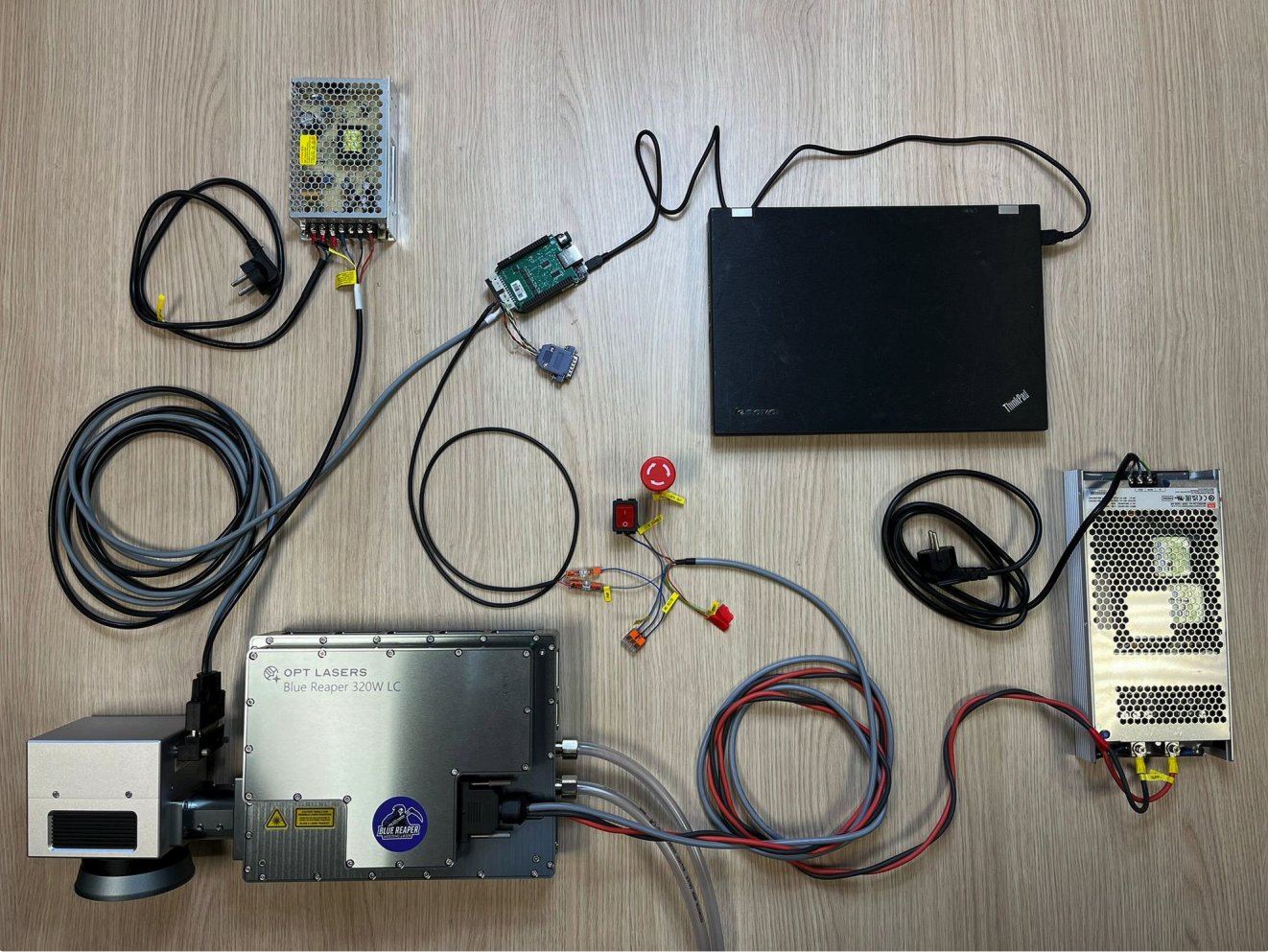
Beyond medical software, developers are building sophisticated physical machines. @KuphDev shared a breakthrough in agritech, discovering that "lasers that can burn weeds are cheaper that I thought," and speculating on the possibility of mounting them on a small autonomous rover instead of requiring large tractor-pulled implements. Similarly, @10_X_eng highlighted the GEM project, an incredibly capable 3D-printed robot arm. Priced at under $500 with a 1.2 kg payload and integrated cameras, the GEM project proves that advanced manipulation research hardware can be affordable and accessible to independent builders.
Espionage, Privacy, and Pocket Agents
The high stakes of the AI industry are bleeding into corporate espionage and extreme privacy advocacy. As tech giants compete for top tier talent and proprietary hardware secrets, the legal battles are becoming increasingly aggressive. Simultaneously, the push for localized, privacy-first consumer AI is creating a niche market for hardware devices that prioritize user anonymity. The intersection of massive corporate litigation and hyper-private consumer gadgets highlights the chaotic regulatory environment surrounding modern technology.
The most dramatic story of the day involves allegations of massive corporate espionage between Apple and OpenAI. @LeakerApple summarized the ongoing lawsuit involving Tang Tan, a former Apple VP who spent 24 years leading product design for the iPhone and Apple Watch. The lawsuit alleges that Tan stole trade secrets on his way out to secure pre-IPO OpenAI shares, actively dismantling Apple's hardware division from the inside. As detailed in the thread, "Tang Tan spent 24 years learning how Apple keeps secrets. Then 14 months teaching people how to leave with them," including allegedly distributing Apple's own security manual to new hires to help them smuggle parts and logic boards out of Apple Park.
While corporations battle over secrets, consumers are looking for ways to maintain their privacy against expanding state surveillance. @0xSero advocated for a robust privacy stack, stating that "Mullvad + tailscale will set you free." This comes in response to Mullvad's campaign against upcoming state spyware in the UK, which faced censorship from local councils. To facilitate this privacy, consumer hardware is adapting to run agents locally. @NousResearch announced that the Hermes Agent is now preinstalled on rabbitOS 2.3. The update allows users to run proactive agents and local automations directly on their r1 devices, utilizing a "Bring Your Own Key" model to ensure privacy and flexibility without relying entirely on cloud processing.
Sources

rabbitOS 2.3 is here, with hermes agent 🥕🪽 a fresh OTA is rolling out to r1 now, and this one’s packed: hermes agent, proactive rabbit, openclaw v4, creations gallery 1.5, DLAM BYOK, and more. here’s what’s new: 🪽 hermes agent on r1 you can now talk to hermes agent by @nousresearch directly from r1 and get things done. simply install the rabbit agent to your computer from rabbithole > nodes and then swipe left on r1 until you reach the hermes page to connect. 🆕 DLAM moves to BYOK (Bring Your Own Key) DLAM now uses your own Anthropic or OpenAI API key. it remains available at no extra charge from rabbit, with usage handled through your chosen provider. check out the DLAM settings page to choose your provider and model and enter your API key. 💥 openclaw protocol v4 r1 now supports openclaw v4, with the integration rebuilt through rabbit agent for a stronger foundation going forward, including usage outside of your home network. 🖼️ creations gallery 1.5 editor’s picks, popular creations, QR codes, intern session shortcuts, and the full creations gallery — all in one cleaner on-device experience. ✨ proactive rabbit triple-tap the rabbit on your home screen and r1 will greet you with something helpful, personal, or just a little fun — based on your r1 personality, reminders, journal entries, magic recorder logs, and more. 🟥 what’s new? a new on-device card lets you see recent OTA updates right from r1. rabbitOS keeps evolving fast. update your r1 and have a play 🧡🥕
Piccadilly Circus. The London Councils didn’t like our campaign against the upcoming state spyware in the UK. So, first the word ”government” was blacked out. Then the whole message was scrapped. On the other side of the road, though: alive and kicking. https://t.co/LmoCCIYX7E
>be Tang Tan >24 YEARS at Apple >VP of Product Design, iPhone AND Apple Watch >you know every team. every project. >every name worth taking >months BEFORE you leave: >meet with OpenAI’s people >email yourself Apple supplier intel >apple is literally paying you while you betray them 2024: leave, co-found io with Jony Ive 2025: OpenAI buys it for $6.5 BILLION >a one-year-old company. no product >you’re now Chief Hardware Officer >you’re paid in OpenAI pre-IPO shares begin the great unbuilding of Apple >one by one, apple’s hardware people vanish >engineers. designers. supply chain leads >you know which head holds which secret >you are the mastermind >you pick accordingly >interviews are not interviews >drop secret codenames like you still work there: > “what’s the plan?” >candidates cram STOLEN FILES the night before like it’s finals week >“bring Actual parts for show and tell” >apple employees smuggling batteries and logic boards out of Apple Park in their bags >one guy, genuinely confused: “didn’t even know we could take those from the office” >you knew >hand every new hire Apple’s own security manual BEFORE they resign >the document literally lists the rules they’re about to break >openai staff, cheerfully: “a checklist that Tang put together” >tang did not put it together >APPLE put it together >tang took it on his way out Tang Tan spent 24 years learning how Apple keeps secrets. Then 14 months teaching people how to leave with them. APPLE IS PERSONALLY SUING HIM FOR: TRADE SECRET THEFT. BREACH OF CONTRACT. WILLFUL. EXEMPLARY DAMAGES.
Most low-cost robot arms aren’t good enough for real manipulation research. So I built one that is. This is GEM: the Good Enough Manipulator. <$500 7 DOF 1.2 kg payload 3D printed head + wrist cameras LeRobot support low-cost leader arm Print files, instructions, BOM + LeRobot fork are free: https://t.co/cM9wX09M8G Thanks to @pollenrobotics for PincOpen and @pepijn2233 for open-arms-mini.
The prompt engineering here is super impressive! Such a great example of agent prompting: https://t.co/XsLpoESHfd
Starbucks spends $400 million a year on software. Yesterday they announced they're moving off IBM and Microsoft to build their own custom systems in-house. IBM dropped 3% and Salesforce dropped 4% on the news. And honestly this is, unequivocally, the biggest signal I've seen since OpenAI and Anthropic launched their consulting arms back in Q1. The largest companies in the world are done paying for software that half fits how they work. We saw this coming about a year ago. Moved everything we build off Airtable and low-code tools and went fully custom. Already paying off, and it's only going to compound from here. This is the opportunity right now. You get all of a company's data into one system. You build out a single operating system for the entire business. You cut out bad, redundant processes. Then you layer AI on top of it, under the correct processes. That's the core of AI consulting. Helping companies actually operate better. There are a lot of fly-by-night offerings circulating right now when it comes to Ai Services. For example, 'second brains'. Throwing scattered data into a second brain while the processes underneath stay broken does nothing. The companies who will absolutely destroy their competition over the next 5 years are rebuilding how they work from the ground up. Starbucks is showing you what other companies will be doing over the next several years. Your job is to position yourself to facilitate that process for as many companies as you can.

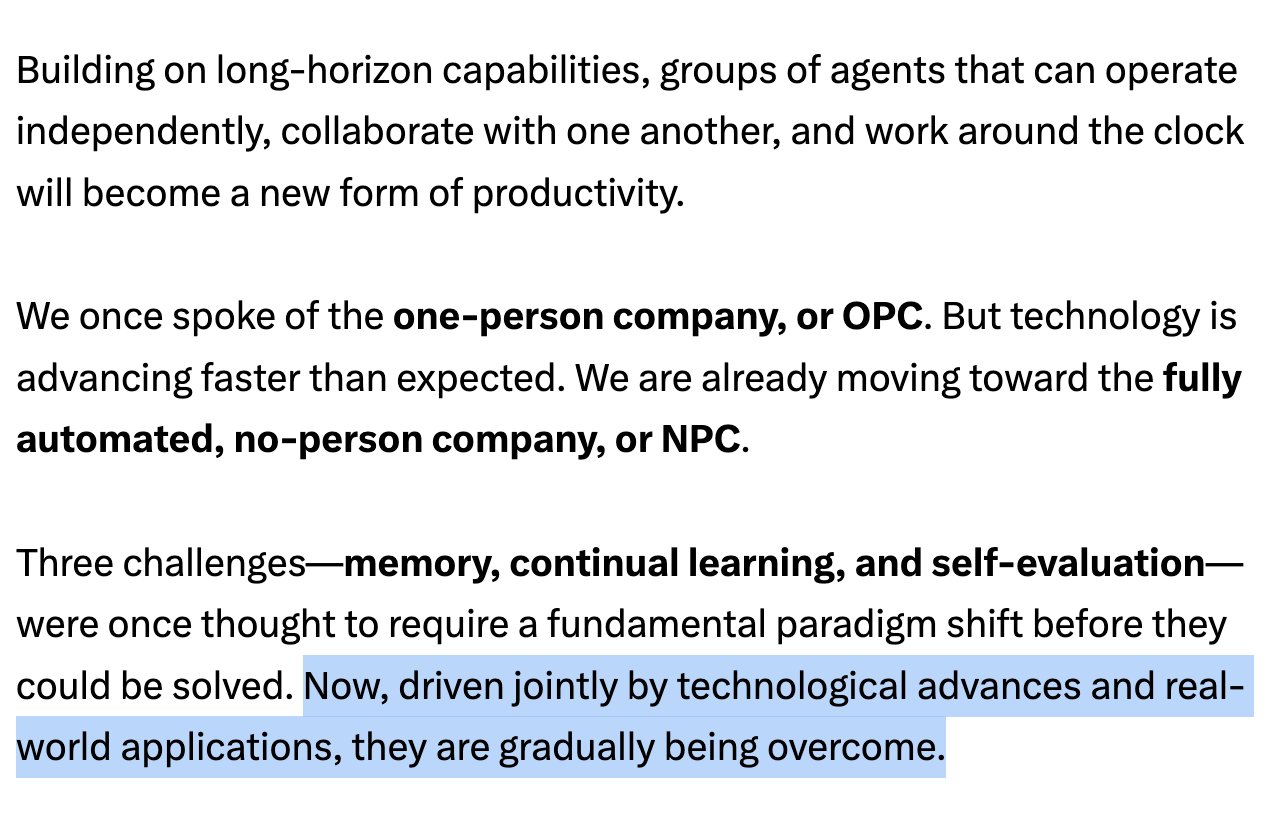
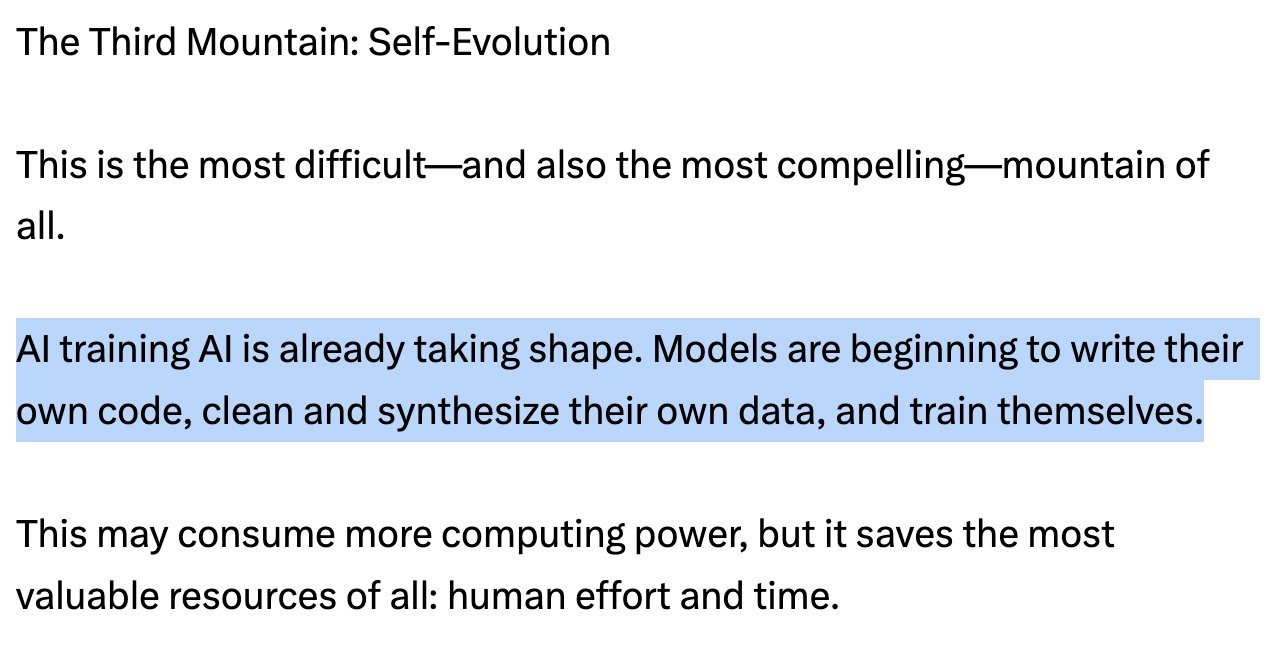
The Great Wave Has Arrived (from GLM CEO Jie Tang)
@dillon_mulroy soon https://t.co/ePp1KPQ6tt
Incorrect. @NVIDIAAP @NVIDIAAI You can cluster 8 DGX Sparks together and get 1TB of unified memeory, albeit much slower than the DGX Workstation. I’m running 8 across a CRS804 switch. Have vLLM up and stable across 4,6,8 clusters. Baseling GLM 5.2 across 4, 4+1, 6, 6+1, 8, and 4+4 clusters. Playbooks for everything soon.
the agent wars are over and code won Lilian Weng's harness review shows what actually works: most "agents don't work" papers used gpt-4 era models that couldn't detect failures. turns out programming languages are just superior for deterministic context engineering my take on what happens next: general harnesses (Claude Code, Codex) will lose to specialized ones. being general purpose makes you slow at specific tasks frontier models? critical for development. but production is where you optimize for cost and latency, not raw intelligence
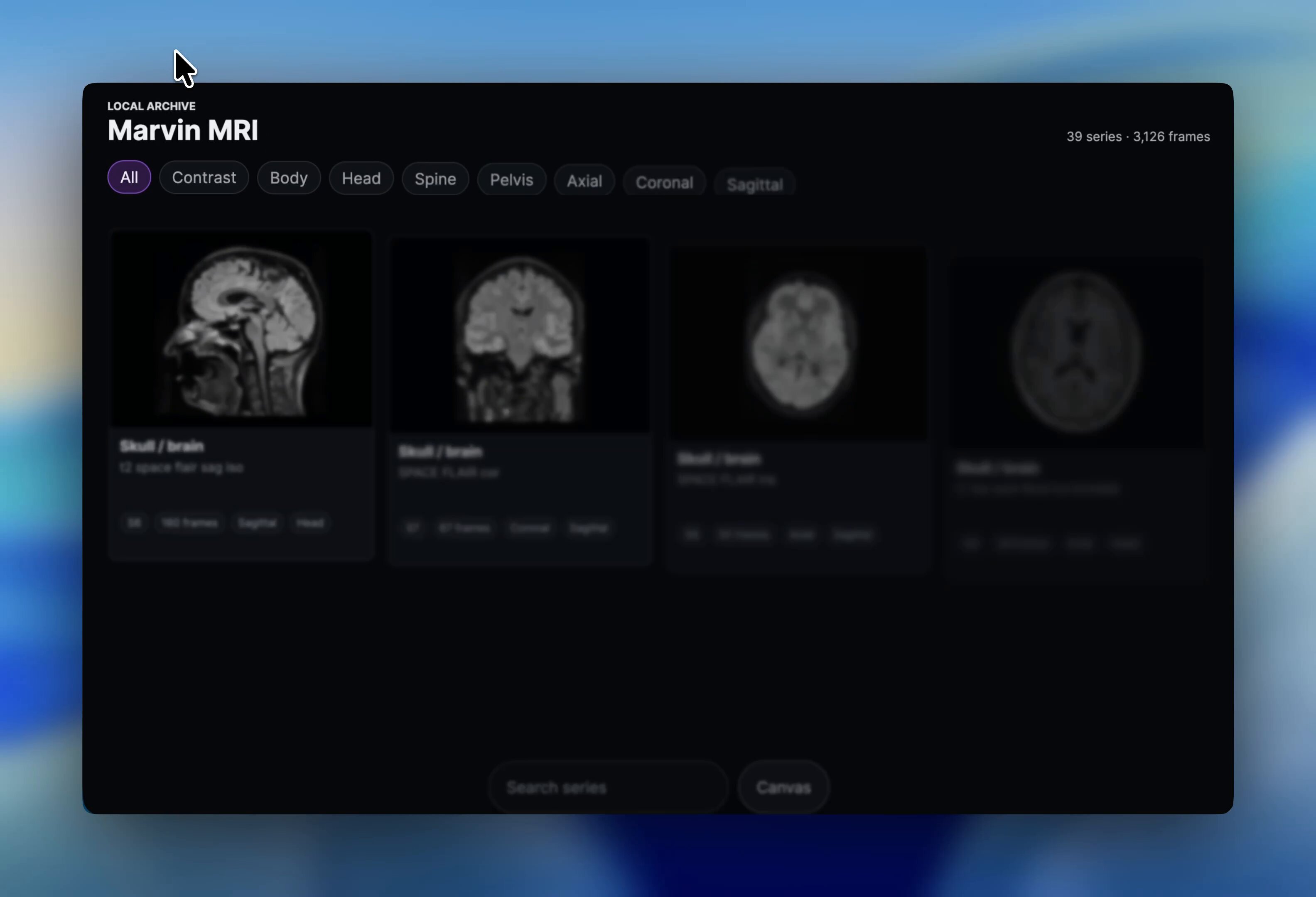
My annual MRI scan gives me a USB stick with the data, but you need this commercial windows software to open it. Ran Claude on the stick and asked it to make me a html based viewer tool. This looks... way better. https://t.co/6bAR7N4Vt6