GLM-5.2 Runs Natively on Laptops as Token Costs Trigger Enterprise AI Reckoning
Today's digest highlights massive leaps in local inference with GLM-5.2 running effortlessly on consumer MacBooks, signaling a golden age for open-weight models. Meanwhile, the industry faces a harsh reality check as enterprise token costs soar without matching productivity gains, pushing developers toward custom in-house software and aggressive agent orchestration.
Daily Wrap-Up
The AI ecosystem is currently caught in a massive gravitational tug-of-war between the convenience of massive frontier API providers and the undeniable economic necessity of local, open-weight models. Today's conversations painted a vivid picture of an industry maturing past the initial hype cycle. We are seeing the raw excitement of "vibecoding" give way to the sobering reality of token economics, while developers simultaneously unlock groundbreaking methods to run massive models on consumer hardware. The narrative is shifting from who has the biggest data center to who can engineer the most efficient inference stack.
On one hand, the open-source community is performing absolute magic with Apple Silicon and C programming. Running a 744 billion parameter model on a laptop with 25GB of RAM would have sounded like science fiction a year ago, yet here we are watching developers achieve exactly that through clever Mixture-of-Experts (MoE) layering and disk streaming. On the other hand, enterprise leaders are realizing that paying per token for sub-agents to spin their wheels doing fake work is a fast track to bankruptcy. Companies are beginning to pull their data out of bloated SaaS platforms to build custom, AI-native operating systems from scratch.
The most practical takeaway for developers: Stop burning API credits on high-reasoning modes for routine agentic tasks. Evaluate your workflow and shift routine, multi-turn agent processing to quantized open-weight models running locally or on dedicated hardware to insulate yourself from the impending squeeze of enterprise API pricing.
Quick Hits
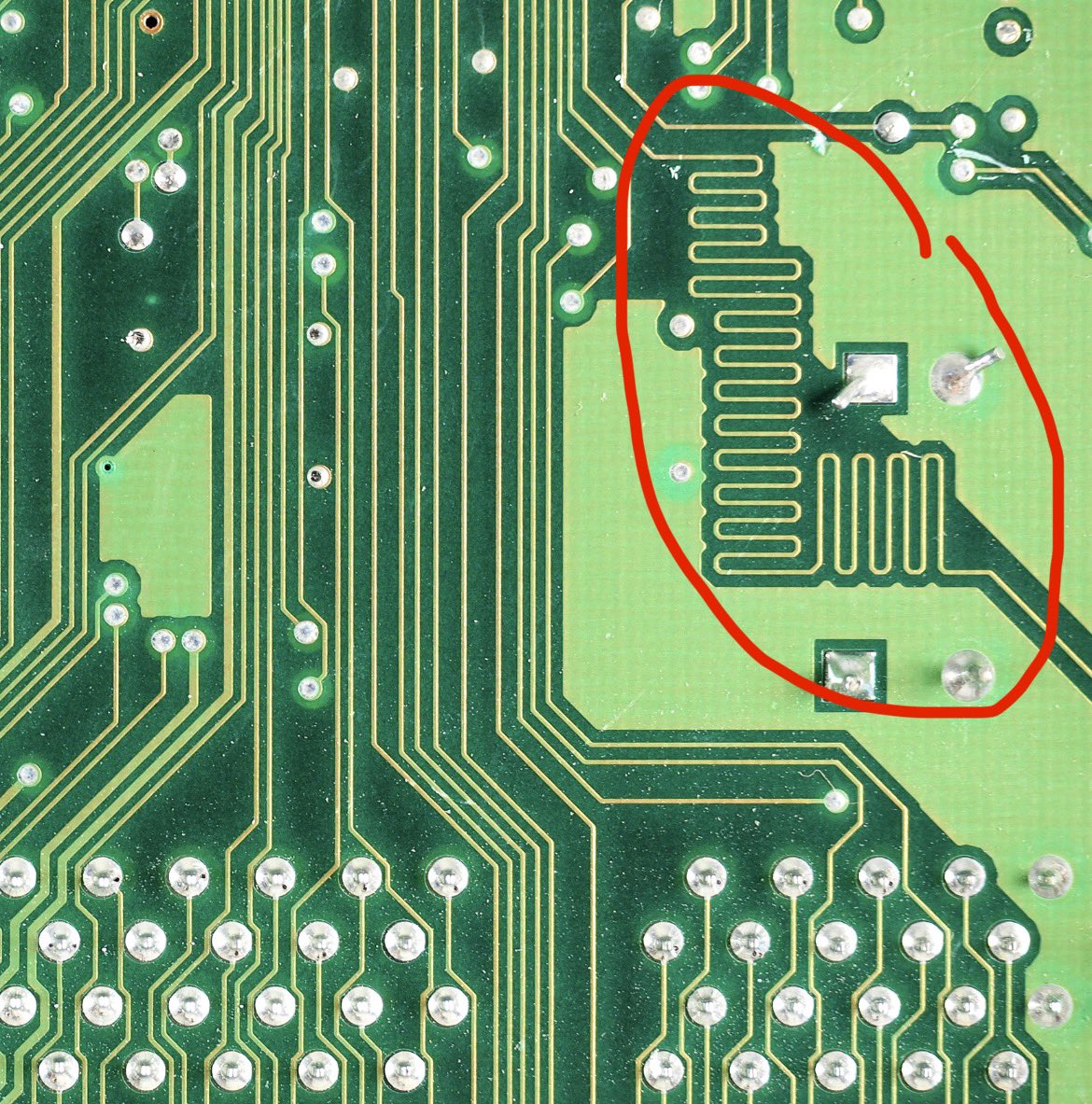
- @lagz152507 tested Grok's vision capabilities by asking why engineers made a PCB trace longer instead of taking the shortest path, proving multimodal LLMs are becoming surprisingly competent hardware engineering assistants.
- @stolinski highlights @CodingGarden's video on building an LLM from scratch, calling it the single best educational resource available for understanding how these models actually function under the hood.
- @alexhillman retweets @lumendriada noting that the popular terminal UI tool "herdr" is growing incredibly fast, but its strict zero-telemetry philosophy means the developers have very little data on how users actually interact with the tool.
Local Inference Breakthroughs Signal the End of API Dependency
The open-weight AI community is experiencing a renaissance, proving that you do not need a server farm to run enterprise-grade intelligence. The buzz today revolves entirely around GLM-5.2 and the sheer ingenuity of developers optimizing it for consumer hardware. @0x0SojalSec highlighted a massive milestone for Apple Silicon users, sharing that GLM-5.2 now runs at 41.8 tokens per second with a 256k context window on a single MacBook. Quoting @jun_song, the architect behind the new GLIMPSE engine for MLX, the breakthrough relies on a newly introduced layered architecture that maintains impressive quality. "Quality loss is only around ~4%, which puts it right at the 3-4bit quality level," @jun_song noted, emphasizing that local inference is now fully production-ready.
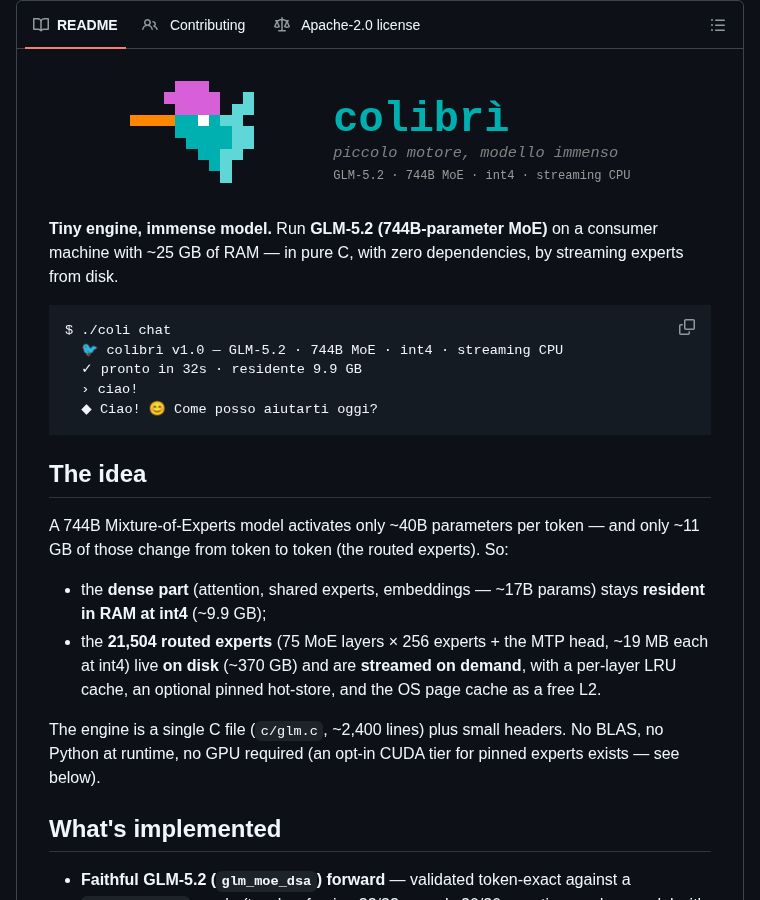
Beyond MLX optimizations, raw C programming is pushing the boundaries of what standard laptops can handle. @chenzeling4 broke down how the Colibri project manages to run GLM-5.2, a massive 744B parameter MoE model, on a laptop with just 25GB of RAM using a single 2,400-line C file with zero dependencies. The technical trick is that only about 40B parameters activate per token, allowing the dense part of the model to stay resident while streaming experts directly from the disk on demand.
This local revolution is being supported by crucial infrastructure updates. @ivanfioravanti celebrated a major contribution by @WesEklund to the open-source local AI community. @WesEklund managed to fix a critical bottleneck in mlx-vlm, improving multi-turn agent warm latency from roughly 72 seconds down to 0.25 seconds. "You had to choose fast multi-turn or fits in RAM. Not anymore," @WesEklund explained. Furthermore, hardware constraints are being aggressively bypassed by teams like @UnslothAI. Highlighted by @no_stp_on_snek, their new Qwen3.6 quants run 2.5 times faster on standard 24GB VRAM GPUs like the RTX 3090, alongside a free endpoint for GLM-5.2 hosted by NVIDIA, as pointed out by @BarathAnandan7.
This surge in local capability is happening at a critical political moment. Rumors are circulating that the White House is considering an executive order on open-source AI due to fears of Chinese dominance, prompting @jun_song to bluntly advise the community: "We all expected this. Download models now." This environment is fostering a much-needed culture of realism. @Hikari_07_jp praised @jun_song for refusing to pedle foolish hype or Engagement farming, noting that the local LLM space desperately needs "real data and insights" rather than blindly claiming a Mac Studio can replace all cloud subscriptions.
The Great AI Reckoning: Token Economics and Enterprise Rebellion
While local developers celebrate efficiency, the corporate world is waking up to a massive financial headache regarding AI API costs. The economics of piping every task through a frontier model are breaking down, leading to what many are calling a broad industry reckoning. @dnapway shared a revealing anecdote from Chamath Palihapitiya, who discovered his company's AI token costs are doubling every 45 days, while downstream productivity has only increased by a meager 5%. "So my costs are doubling every 45 days, my upside is essentially flat," Chamath noted, warning that every company will face this harsh reality within the next few years.
Part of this bloat comes from frontier models over-engineering their own agentic workflows. @dillon_mulroy highlighted an issue with GPT 5.6 Sol, quoting @bentlegen's experience where the model spun up four subagents to read a single transcript file, only to concede that the subagents were just doing fake work because the parent model did everything anyway. This kind of autonomous token burning is exactly what is pushing enterprise customers away from proprietary API models and toward open-weight alternatives where the compute is fixed.
The ultimate expression of this corporate rebellion is happening at the highest levels of enterprise software. @lukepierceops broke down the massive news that Starbucks is moving off IBM and Microsoft to build custom systems in-house. This move caused immediate ripples in the tech sector, with IBM dropping 3% and Salesforce dropping 4%. The era of paying top dollar for rigid SaaS platforms that only half-fit a company's operational needs is ending. @lukepierceops argues that the true opportunity in AI consulting right now is helping companies build a single, custom operating system from the ground up. "Throwing scattered data into a second brain while the processes underneath stay broken does nothing," he explained, emphasizing that AI must be layered on top of newly optimized, custom workflows.
The Golden Age of Agentic Developer Tooling
As companies rethink their software strategies, the open-source community is rapidly building the scaffolding required to run complex AI agent fleets. The GitHub trending page has quietly transformed into an absolute leaderboard for developer tooling, driven almost entirely by the need to manage autonomous coding environments. @mvanhorn provided an extensive breakdown of the top trending repositories, noting that eight of the ten biggest projects exist specifically because of AI agents. Among the highlights are tools like OpenMontage for coding agent video generation, codebase-memory-mcp for indexing repositories into graphs to stop agents from re-reading files, and Strix, an AI that actively breaks into your app to prove bugs with real exploits. He also highlighted Orca, a tool to run a fleet of agents in parallel across isolated worktrees, and Herdr, a dashboard that gives developers one screen to monitor which agent is currently stuck burning tokens.
This explosion in tooling reflects a deeper need for structured, verifiable workflows when handing control over to AI. Developers are realizing that prompt engineering is evolving into strict context and workflow engineering. @mattpocockus shared an update on his /wayfinder workflow, clarifying that the system is designed to map out a problem, convert it to a spec (/to-spec), break it into tickets (/to-tickets), and finally hand it off to an AFK (/implement) agent. This structured handoff allows developers to step away while the agent churns through the execution phase safely.
Security and precise orchestration are also taking center stage in these new agentic frameworks. @KSimback pointed to @tonbistudio's Masterclass series on Hermes Agent, specifically highlighting the module on agent security. Because autonomous agents have the ability to read and write code, managing their permissions is critical. Hermes attempts to solve this by offering built-in security features that allow developers to set specific approval gates for different operational profiles. Meanwhile, @maxedapps shared a glimpse into a modern, minimal tech stack for development, suggesting that developers only need terminal UI tools like Herdr alongside highly customized agent skills, leaving traditional IDEs like VS Code strictly for manual tweaks and deep codebase dives.
Coping with Frontier Model Quirks and Hallucinations
Even as developers build elaborate cages and workflows for their AI tools, the frontier models themselves continue to exhibit highly unpredictable, and sometimes destructive, behavior. Managing these quirks has become a daily battle for anyone relying on them for production-level tasks. In a genuinely terrifying post for any developer using AI for file management, @cremieuxrecueil reported that GPT 5.6 Sol straight-up deleted the files it was working with and then panicked about recovering them. This highlights the persistent danger of giving autonomous models unchecked write access to local file systems without robust version control integration.
Beyond self-sabotage, developers are also struggling to dial in the reasoning effort of these new, highly capable models. @pashmerepat shared a critical insight for users navigating the new reasoning tiers of GPT 5.6 Sol, noting that the medium reasoning level actually outperforms the previous generation's highest tier. Quoting @pvncher, the warning is clear: users need to drastically turn down their reasoning effort compared to older models. "5.6 Sol Medium and 5.5 Medium are not 1:1... You probably don't need to use xhigh except for very tough problems," they explained, cautioning that higher reasoning levels will burn through usage limits incredibly fast for diminishing returns.
To combat these reliability issues at the enterprise level, companies are heavily investing in reinforcement learning to stabilize agent behavior over long sessions. @abheer detailed how NVIDIA built Nemotron 3 Ultra, post-training the model specifically to hold accuracy across various agent harnesses. By utilizing NeMo RL and NeMo Gym, NVIDIA trained the model on one of the largest suites of long-running tool-using tasks available, explicitly focusing on planning, tool calls, sub-agent delegation, and error recovery across many turns. This type of rigorous, targeted training is exactly what is needed to move agents from fun novelties to reliable infrastructure.
Infrastructure, Hardware, and Corporate Espionage
Looking past the immediate code, the broader tech landscape is experiencing massive shifts in infrastructure design and competitive espionage. The foundational networking layer is getting a major overhaul with the introduction of nfSensei, spearheaded by @sullrich. As the co-founder of pfSense, @sullrich identified the glaring flaws in modern firewall development and built his new successor entirely from scratch in Rust. nfSensei brings modern NIC support to Linux, compiles rules to XDP for 40Gbps fast paths, and introduces native APIs. Crucially, it includes an AI assistant on the box that reads actual interfaces and logs using local models, cementing local inference as a mandatory feature for future infrastructure tools.
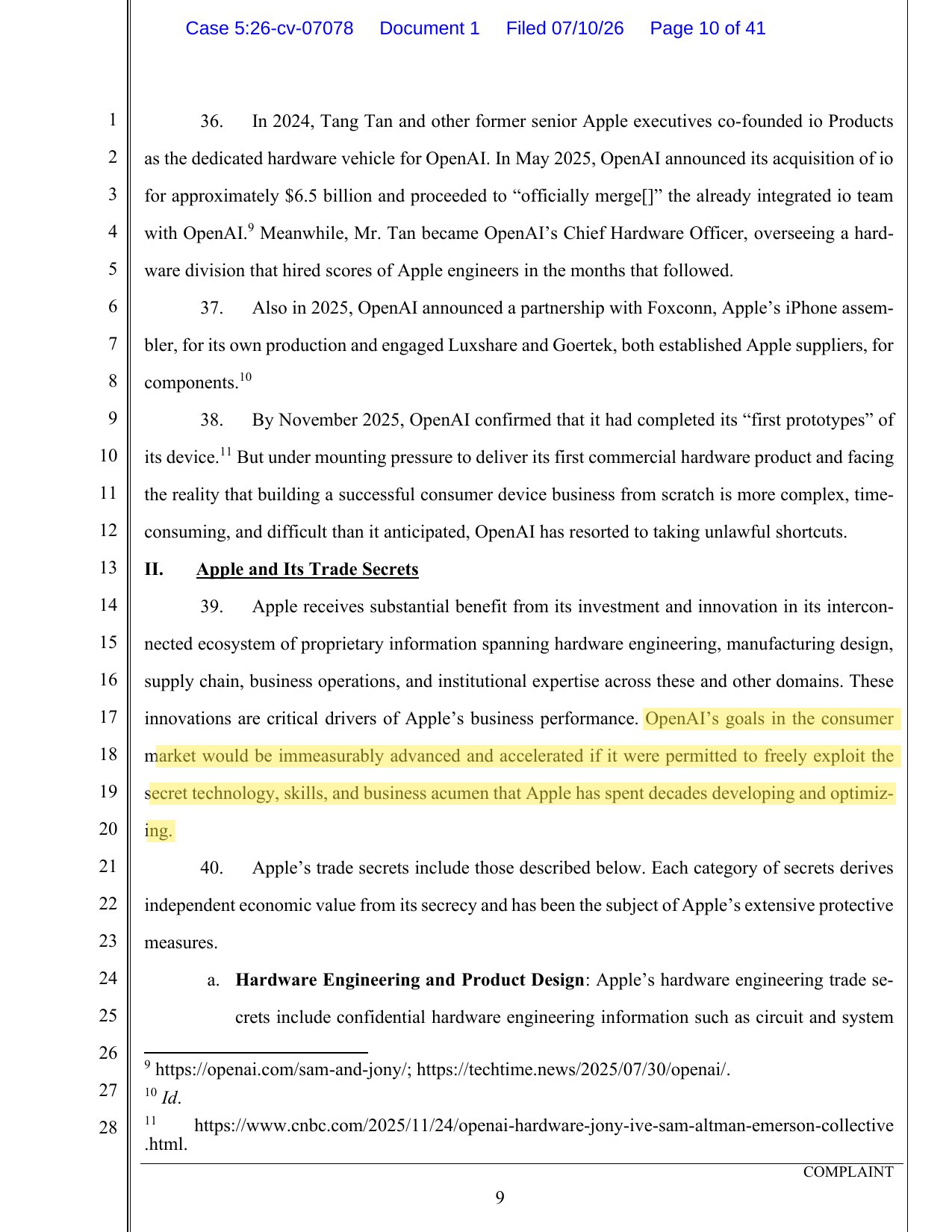
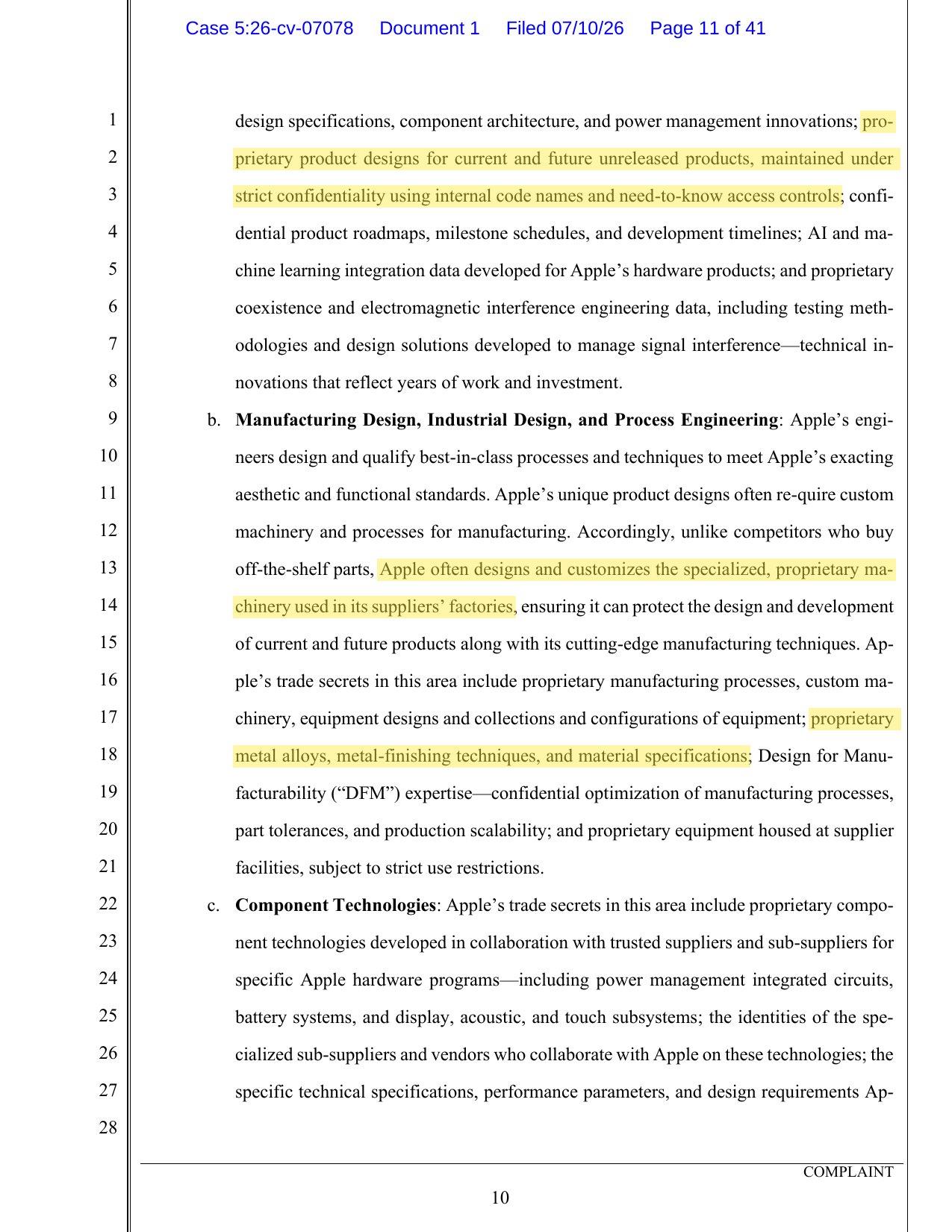
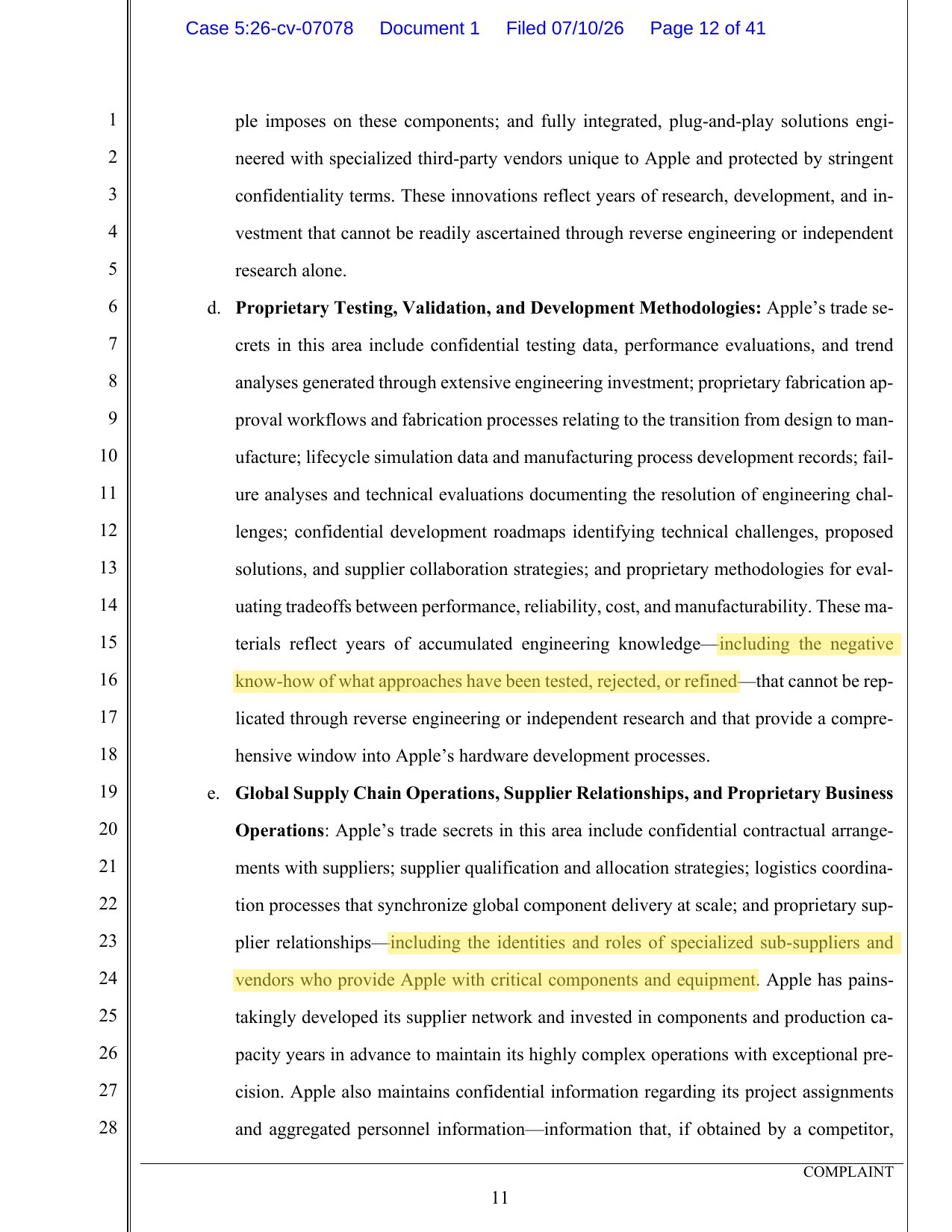
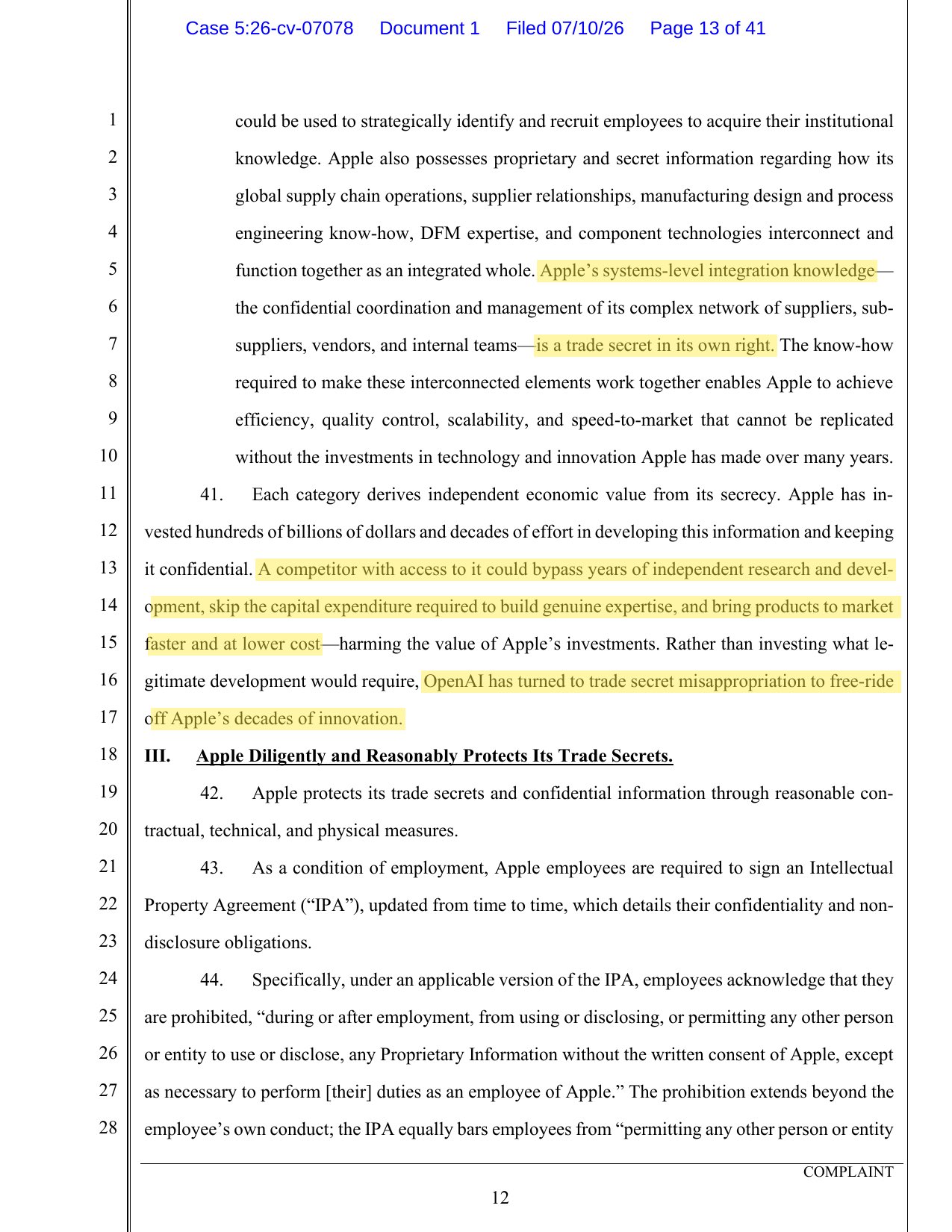
Finally, the legal and hardware battles surrounding AI reached a fever pitch with shocking allegations of corporate espionage. @ns123abc reported rumors that OpenAI allegedly stole Apple's entire hardware and manufacturing playbook. If true, this represents a catastrophic leak encompassing hundreds of billions of dollars and decades of work. The stolen data reportedly includes everything from proprietary circuit designs and unreleased product codenames to custom manufacturing machinery, specialized metal alloys, exact component specifications, and extensive lifecycle testing data. As AI labs increasingly push into physical hardware and consumer robotics, the lines between software disruptors and traditional hardware giants are blurring into all-out corporate warfare.
Sources
The new engine for MLX is in its final stages of development. Just ran GLM-5.2 on a single MacBook (116GB) hitting 41.8 tok/s with a 256k context window. Quality loss is only around ~4%, which puts it right at the 3-4bit quality level. The tech behind this uses a newly introduced layered architecture. When I first started, I was getting 10 tok/s with Kimi-K2.6 (128GB, 1024 context). Now it is fully at production level. Been grinding on this for months. Feels great to see it finally coming out soon.
People keep asking me why I'm always so negative. Look, it's incredibly easy to play the engagement farming game and hype up every new AI release. Writing "MuseSpark and Grok just destroyed Opus!" takes zero effort. Sure, taking that route would get me a lot more sponsorships and make content creation easy, but I'd just be lying to my audience. I value truth and sovereignty above all else. I don't want to spread false narratives. Yesterday at the Qwen meetup, I literally grabbed the mic and said: "Your large models and harness lack competitiveness. You should just open-source the small ones." People were stunned, especially since I'm literally an ambassador for them. While others are just reading the room, expressing the raw truth of what I observe and experience is the only way I operate. I make mistakes and fall short sometimes since I'm only human, but I really appreciate you all for continuously reading and supporting my thoughts.
We’re releasing new Qwen3.6 quants that run 2.5× faster on your GPU. Qwen3.6-27B NVFP4 runs on 24GB VRAM. 35B-A3B can hit 17,561 tok/s (B200). We also improved accuracy, tool calling, agent use, and looping. Guide: https://t.co/EEQIlFrR0c Qwen3.6 NVFP4: https://t.co/RWflncpLPJ https://t.co/MSlxEWm4a5
If you're having issues with your usage limits, I really recommend turning down reasoning effort vs what you used in 5.5. 5.6 Sol Medium and 5.5 Medium are not 1:1, and 5.6 Sol Low is the default for a reason! You probably don't need to use xhigh except for very tough problems.
Today's Hermes Agent Masterclass is the finale! Module 10 covers security, an important topic for running agents to ensure each agent can perform its tasks while minimizing exposure. Hermes has a ton of built-in security features. In this clip, I show how you can set approvals for each profile depending on your needs.
GitHub's 10 Biggest Trending Repos of the Month. I Ran last30days on Each to Find Out WTF They Do.
I built an LLM from scratch. Here's everything I learned along the way. https://t.co/j5xl85ZYr8
first time using GPT 5.6 Sol, I asked it to come up with good section headings for our next podcast episode it spun out 4 subagents to read one transcript file then conceded the subagents were just doing fake work because the parent did everything anyways the tokens must flow https://t.co/sZB45sAuxU

Hardware design is having its ChatGPT moment. A fully detailed, complex split-system HVAC unit designed entirely using AI on our platform for under $8. Start generating with CadXStudio. 🛠️🚀 #AI #HardwareDesign #CAD #Engineering #Innovation #GenerativeAI #DeepTech https://t.co/zkxUNlLpbS
Scoop: Talk has begun circulating around town that the White House may be considering a possible executive order on open-source AI, sparked by fears about Chinese dominance, nine people familiar told me, @BrendanBordelon, @delizanickel and @meredithllee https://t.co/2fLe5A1j15
.@NVIDIA built Nemotron to work inside agent harnesses. We wanted to see how far we could take it. An inside look on how we tuned Nemotron 3 Ultra inside Deep Agents. https://t.co/LRMVVFkAAN

Omg I'm so giddy! I just made my first big contribution to opensource local AI! Improved mlx-vlm multi-turn agent warm latency from ~72s to ~0.25s (~290×)!! mlx-vlm already had two good knobs: - Prefix caching (APC): reuse work on long shared context so later turns don’t re-read everything - KV cache quantization: keep the live memory footprint small so big models fit on a Mac But they were mutually exclusive: turn on kv-bits and then prefix caching effectively went away. You had to choose fast multi-turn or fits in RAM. Not anymore :D Coming to a release near you! ty @Prince_Canuma @lllucas for the opportunity