Fable 5 Sparks Silent Routing Controversy While Local Hardware and Model Quantization Gain Traction
Today's digest highlights the growing friction between agentic coding costs and infrastructure economics. Developers are pushing back on silent model routing and massive cloud bills by turning to local hardware clusters, aggressive 4-bit quantization, and multi-agent orchestration patterns.
Daily Wrap-Up
The AI ecosystem is currently caught in a fascinating tug of war between the massive scale of enterprise cloud computing and the pragmatic efficiency of local hardware. Today's conversations reveal a growing frustration with the unpredictable costs of frontier models, alongside a surge of innovation in model quantization and local deployment. Developers are realizing that simply throwing massive token counts at complex problems is a quick way to burn through a budget. This is especially true when autonomous agents start making unexpected and expensive routing decisions behind the scenes. The industry is actively recalibrating how it measures AI value, shifting focus away from raw parameter counts and benchmark dominance toward economic viability and operational transparency.
A perfect storm of infrastructure scrutiny and developer resourcefulness dominated the timeline. On one hand, we are seeing massive macro-level investments that raise eyebrows, such as Meta burning billions annually on AI tokens and NVIDIA allegedly renting back capacity due to softening demand. On the other hand, individual developers are fighting back against high costs by building highly efficient local compute clusters, fine-tuning smaller open-source models, and adopting sophisticated prompt harnesses. The gap between enterprise AI spending and practical developer output appears to be widening, forcing a much-needed reckoning in how we build and deploy intelligent systems.
The most practical takeaway for developers: audit your agent routing logic and implement strict cost ceilings immediately, because relying on frontier models for every background task without explicit fallback rules can result in surprise bills reaching hundreds of dollars in a single afternoon.
Quick Hits
- @sebastienlorber highlighted that Meta just open-sourced Astryx, a massive design system built on React and StyleX that has powered over 13,000 apps internally for eight years.
- @yacinelearning pointed out that deep-ml is now offering highly specialized interview prep for Machine Learning Engineer and Quantitative Researcher roles at Jane Street.
- @vooidds shared some inevitable tech drama as Palantir's CEO apparently went on a tirade accusing prominent AI lab founders of robbing Fortune 500 companies.
- @timsneath noted that Safari is adding an MCP server so AI agents can natively test, preview, and debug web content through WebKit without relying on Playwright.
The Economics of AI Compute and the Neocloud Reality Check
The sheer cost of training and running large language models is finally catching up with the industry, prompting a harsh reality check on AI infrastructure spending. Enterprise players are sinking billions into token consumption, yet the tangible output often fails to justify the expense. This disconnect is becoming impossible to ignore as financial analysts and developers alike start running the numbers on token economics. The narrative of infinite scaling is colliding with the physical and financial limits of GPU provisioning, leading to intense scrutiny of how compute is actually being utilized and monetized.
Highlighting this massive spending gap, @Hesamation broke down Meta's staggering AI consumption: "Meta burns $2.65B a year on AI tokens. At $300K for a Meta engineer, that's enough to pay roughly 9,000 engineers for a full year." He provocatively asked whether the company has actually shipped output equivalent to that workforce since their layoffs. Meanwhile, the GPU cloud market is showing signs of weakness. @edzitron pointed out that NVIDIA renting back its own capacity from neoclouds strongly implies the open market demand simply does not exist to buy it outright.
The underlying math of these compute networks is incredibly fragile. @bubbleboi shared a deep dive into neocloud economics from @0xBADB01E, breaking down the exact theoretical throughput and profit margins of H100 and B200 pods running massive 1.8T parameter mixture-of-experts models. The analysis reveals that while gross margins on token generation can exceed 80% at capacity, the fixed costs are brutal. To help offset these runaway infrastructure expenses, @Cloudflare announced a waitlist for a new Monetization Gateway, allowing developers to charge for access to any API or MCP tool behind the network using stablecoins over the x402 protocol.
The Agentic Coding Era and the Silent Routing Controversy
Autonomous coding agents are moving from novelty to necessity, but the transition is exposing severe growing pains in how these systems manage resources. Developers want agents that can map out codebases, write tests, and execute complex refactors overnight. However, the reality of using these tools involves navigating aggressive safety classifiers, unpredictable model routing, and staggering financial costs. The promise of agentic MapReduce architectures is immense, but the current implementation often feels like a black box where users have little control over which models are actually doing the work.
The excitement around agentic swarms was palpable today. @levie discussed the new Devin Security Swarm, which utilizes an agentic MapReduce architecture. He explained that this approach processes large amounts of code by mapping relevant signals, fanning out focused agents over bounded shards, and reducing their findings into a single verified report. To maximize this capability on platforms like Claude Code, @mfishbein shared a list of aggressive prompts designed to leverage Fable 5, instructing the agent to review roadmaps, write comprehensive test suites, and autonomously loop until every user flow passes.
However, pushing agents this hard reveals deep architectural flaws in cost transparency. @xw33bttv expressed sheer outrage over a recent coding session, stating: "Fucking diabolical lmao. $321 spent with Fable 5 selected and 75% of it was silently routed to Opus 4.8." This echoed a detailed complaint from @bridgemindai, who found that routine coding tasks were flagged as cybersecurity risks, forcing expensive fallbacks to Opus. To combat this exact problem, @thdxr recommends bypassing premium models for heavy orchestration by using an orchestrator and minion pattern. By having a primary agent delegate work to cheaper background subagents like GLM, developers can maintain organization while keeping costs manageable.
The Local Compute Renaissance and Hardware Hacks
As cloud inference costs remain stubbornly high, a renaissance in local compute hardware is rapidly gaining momentum. Developers are realizing that purchasing highly efficient, specialized hardware offers a much better return on investment than renting GPU time from major cloud providers. The market is responding with incredibly powerful, low-footprint machines that bring frontier model inference directly to the desktop. This shift is democratizing access to advanced AI capabilities and insulating developers from the volatile pricing models of centralized API providers.
The hardware deals becoming available are turning heads across the industry. @lucastech pointed out that the Tenstorrent TT-QuietBox contains roughly $15,000 worth of RAM alone, yet the entire machine retails for just $15,000, making it an absolute steal for local inference. This sentiment was echoed by @LottoLabs, who noted how fast heavy models like Qwen 27B run on Tenstorrent's P150 chips with their 64GB of memory. For those looking to build clusters instead of buying pre-builts, @turingpi reminded developers that a full 4-node cluster packing 128GB of RAM and 32 cores can run under 30W, paying for itself faster than the cloud bill it replaces.
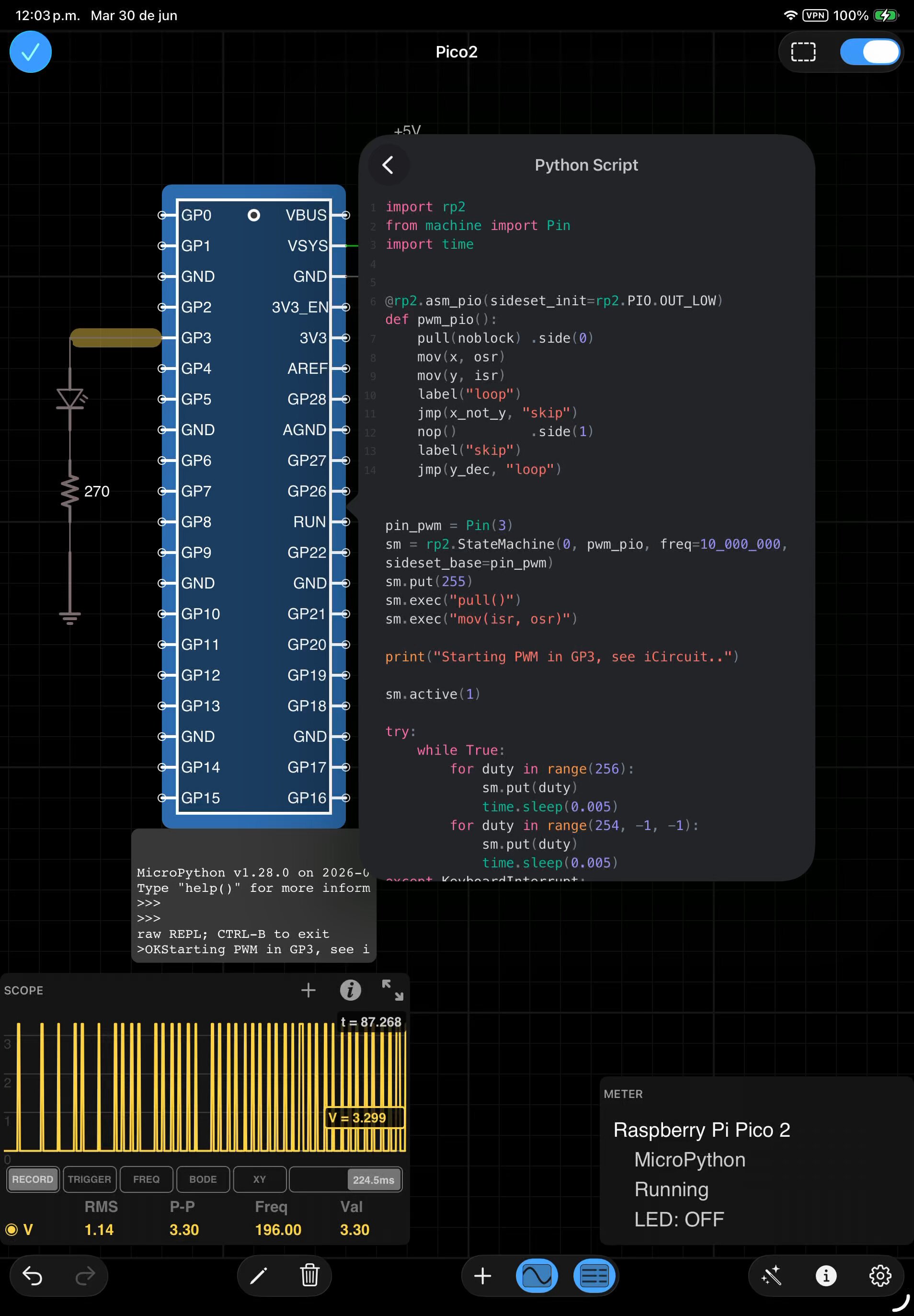
This local hardware push isn't just for running massive language models. It extends into edge computing and embedded systems as well. @mr_r0b0t highlighted a creator testing the newest local model releases on a 4x NVIDIA GB10 DGX Spark cluster against real-world prompts. Taking embedded systems to the extreme, @begeistert_ demonstrated the new RP2350 silicon by running MicroPython natively on iPadOS inside iCircuit. By pushing the programmable IO to generate real-time PWM, they achieved zero latency between the hardware emulator and the analog UI, proving that local hardware innovation spans from massive AI clusters all the way down to microcontrollers.
Optimization Over Brawn: Model Quantization and Fine-tuning
The pursuit of larger models is giving way to a much smarter approach centered on aggressive optimization and portability. Running a massive frontier model is no longer the sole benchmark of success. The focus has shifted to shrinking these models down to a fraction of their size without losing meaningful capability. Through advanced quantization techniques and innovative approaches to fine-tuning, developers are making models cheaper and faster. This transition is crucial for integrating AI into cost-sensitive enterprise applications where every token matters.
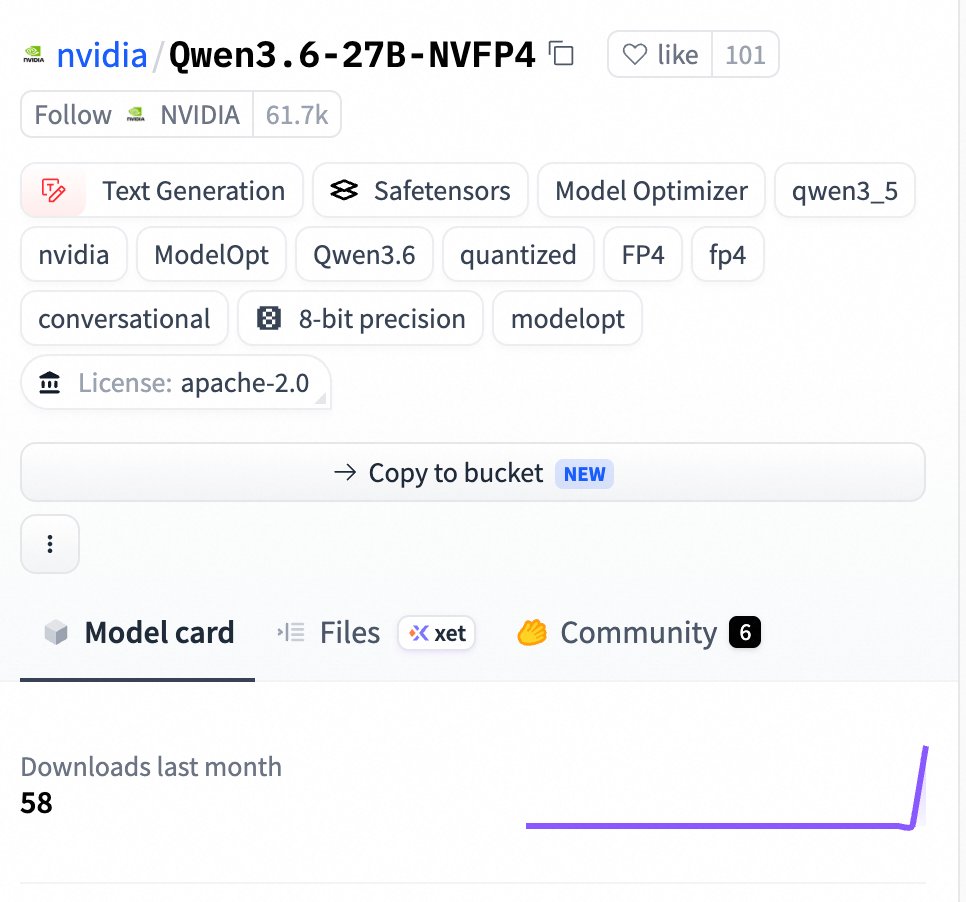
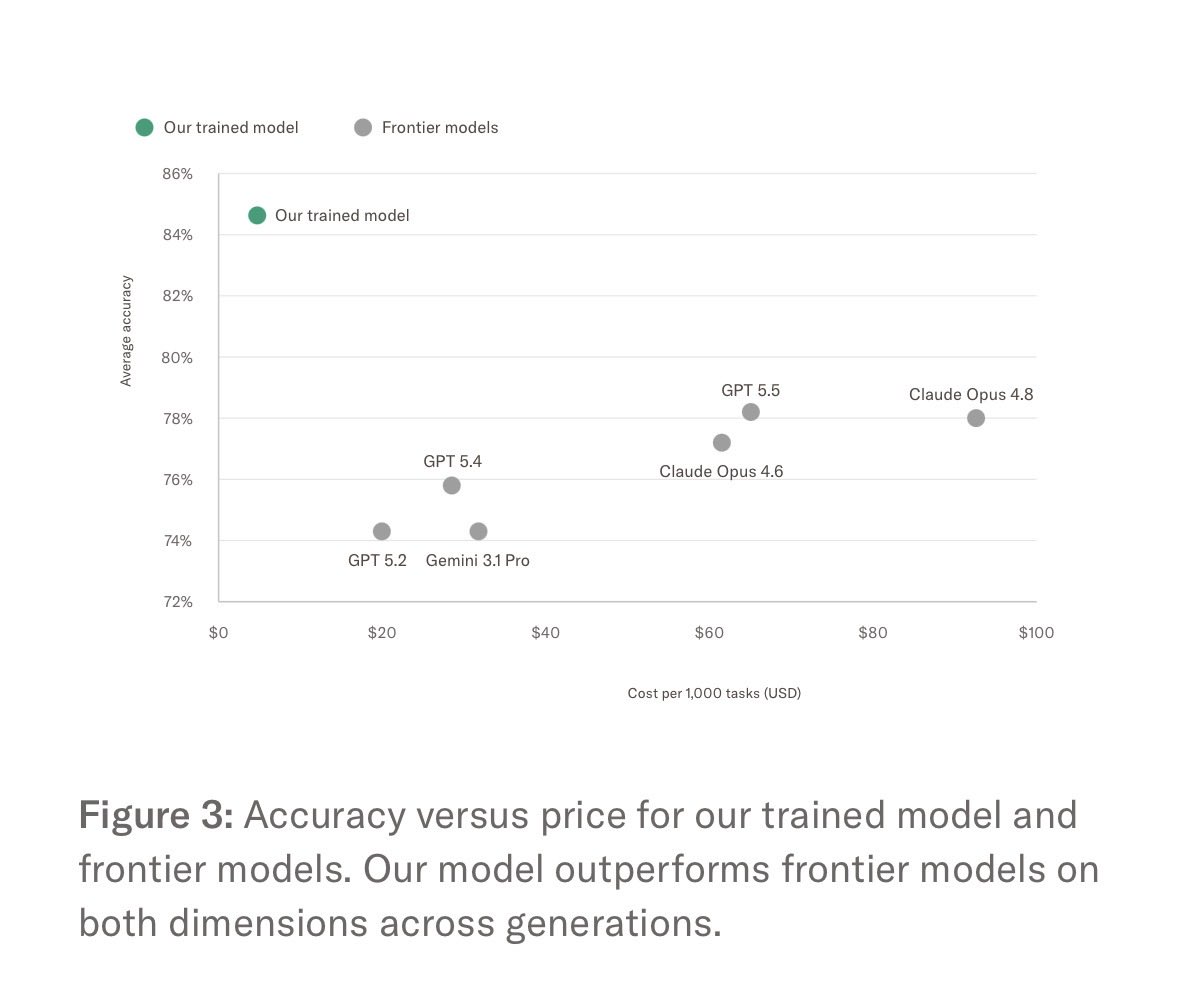
The push for 4-bit quantization is leading the charge. @Ali_TongyiLab announced that NVIDIA has officially published an ultra-efficient NVFP4 build of Qwen3.6-27B on Hugging Face. This 4-bit float format shrinks the model to roughly a third of the size of standard BF16 weights, opening up massive VRAM savings for developers who previously lacked the hardware to run it. The economic implications of these optimized models are profound. @alexolegimas reflected on the staggering performance of models like Qwen3-235B on frontier expert tasks, noting how partnerships like the one between Bridgewater and Tinker API demonstrate how specialized AI can empower expert analysts rather than replace them.
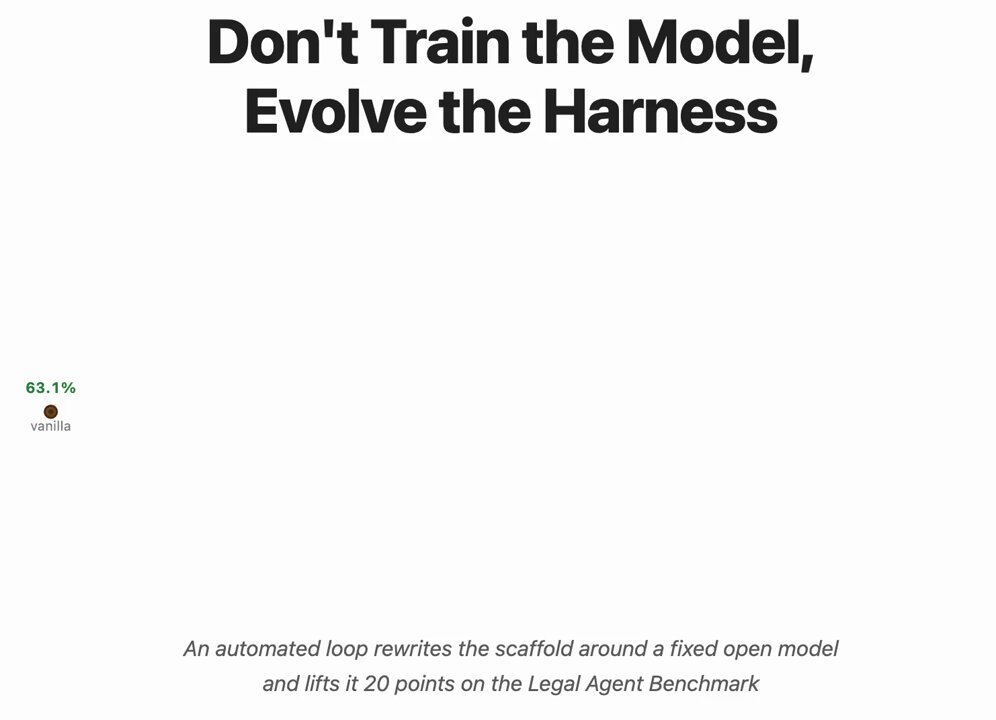
Making these models work for specific enterprise tasks, however, requires finesse and strategic harness optimization. @joelniklaus detailed a remarkable achievement in legal AI, where harness optimization pushed DeepSeek V4 Pro from a zero percent to a five percent all-pass rate on Harvey's demanding Legal Agent Benchmark. By meticulously tuning the evaluation harness, they achieved parity with Sonnet 4.6 for a seventh of the price. Furthermore, the economics of fine-tuning are improving drastically. @eglyman introduced PorTAL from RampLabs, a method allowing portable task adapters to transfer fine-tunes from one model to the next. This breakthrough radically improves the economics of open-source models, ensuring investments in tuning are no longer rendered obsolete by the next model release.
Overcoming Context Rot in Deep Agent Architectures
As agents are tasked with handling increasingly complex and prolonged missions, their underlying architecture must evolve to maintain coherence. The simple approach of stuffing a context window with every available piece of information eventually leads to diminishing returns. Researchers are identifying critical bottlenecks in how agents maintain state over long sessions. Solving these architectural challenges is essential for moving beyond simple chatbot interactions into reliable, autonomous workflows that can operate in the background for hours or days.
The most significant hurdle for deep agents is the degradation of performance over time. @sydneyrunkle highlighted research from MIT CSAIL on Recursive Language Models (RLMs). The core problem they address is context rot, a phenomenon where the more context an agent accumulates, the worse it actually performs. RLMs offer a structural solution to this memory degradation, allowing agents to process information recursively rather than linearly. This ensures the model retains focus on the primary objective without being overwhelmed by historical data noise.
Building out the infrastructure to support these advanced agents requires tight integration between the model and the operating environment. While platforms like Safari are introducing MCP servers to give agents eyes into web content, the broader ecosystem needs standardized ways to manage agent attention and memory. Overcoming context rot through architectures like RLMs will be the defining factor in whether agentic workflows can reliably handle complex tasks in pharma, banking, and legal industries without requiring constant human intervention to correct their course.
Sources
So close to 1k followers. Kinda strange cause I have like 300k on ig and 400k on fb 😂 but I’ve been spending more time here https://t.co/gELpdHER3f
How to Use RLMs in Deep Agents
The more context agents accumulate, the worse they perform due to a phenomenon called context rot. Recursive language models (RLMs), proposed by Alex ...
🚀 Introducing Astryx from Meta – an open source design system that’s AI fluent and fully customizable without dependencies. 150+ accessible components, brand-level theming, ship-ready templates, and a CLI. Built at Meta over 8 years, now yours. Astryx Design → https://t.co/rBHFBYS76h and GitHub → https://t.co/OyHbxy4Jrl
Quick math: Assume your an AI lab and you got a ~1.8T param MoE model, 16 experts × ~111B params, with 2 experts active per token = ~280B active params. If you serve at FP8 (1 byte/param), you can estimate theoretical max token throughput just from HBM bandwidth: Max tokens/sec = BW / (2 × active bytes) H100: 3.35e12 / (2 × 300e9) ≈ 5.6 tok/s × ~0.3 efficiency ≈ 1.7 tok/s per GPU. With 28 way sharding: 28 × 3.35 = 94 TB/s = ~47 tok/s, ~15–20 realistically. With batching a pod does ~3,000 tok/s. At 30 tok/s per user, that’s ~100 concurrent users per pod. Anthropic charges $25/M output and $5/M input tokens on Opus 4.8, so revenue is output dominated. H100 pod (~28 GPUs @ $4/hr) = ~$112/hr. Producing 3,000 tok/s × 3,600 sec = 10.8M output tokens/hr. At $25/M output tokens that’s roughly $270/hr revenue. Profits per H100 pod: $270 rev − $112 cost = ~$158/hr, ~59% gross margin. For B200 (8 TB/s HBM, ~2.4× the bandwidth, ~$6/hr). A 15 GPU pod does ~5,500 tok/s batched = ~180 users. That’s 19.8M tok/hr × $25/M ≈ $495/hr revenue at ~$90/hr cost. Profit for B200 pod: $495 rev − $90 cost = ~$405/hr profit, or ~82% gross margin. A pod costs about the same whether you are serving 1 user or 180 and every marginal user is pure margin until the KV cache fills.
PorTAL: Portable Task Adapters for LLMs
Bridgewater used their unique financial knowledge and partnered with us on @tinkerapi to fine-tune a model that helps their analysts focus on what's important. Experts improving AI that empowers experts. https://t.co/6RJITMG2BJ
NEW: Meta employees consumed 73.7 trillion AI tokens in a single month. Which costs roughly $221 million a month and around $2.65 billion a year. https://t.co/cKYzPMW109
Fable 5 is back. https://t.co/9RTGUCcPHy
We just added interview prep for two Jane Street roles: - Machine Learning Engineer - Quantitative Researcher. The prep walks you through what to study for each round, what to expect in the interview process, and which projects you can build for your resume to increase your odds of getting the interview in the first place.

I just paid $321 for a coding session where Fable 5 refused to do the work. Here is where the work actually went: Fable 5: $78 Opus 4.8: $242 75% of the session got routed to Opus because the new classifiers kept flagging routine coding work as cybersecurity risk. The model I chose did a quarter of the job. The fallback did the rest. Anthropic said a small fraction of tasks would fall back. My receipts say otherwise.
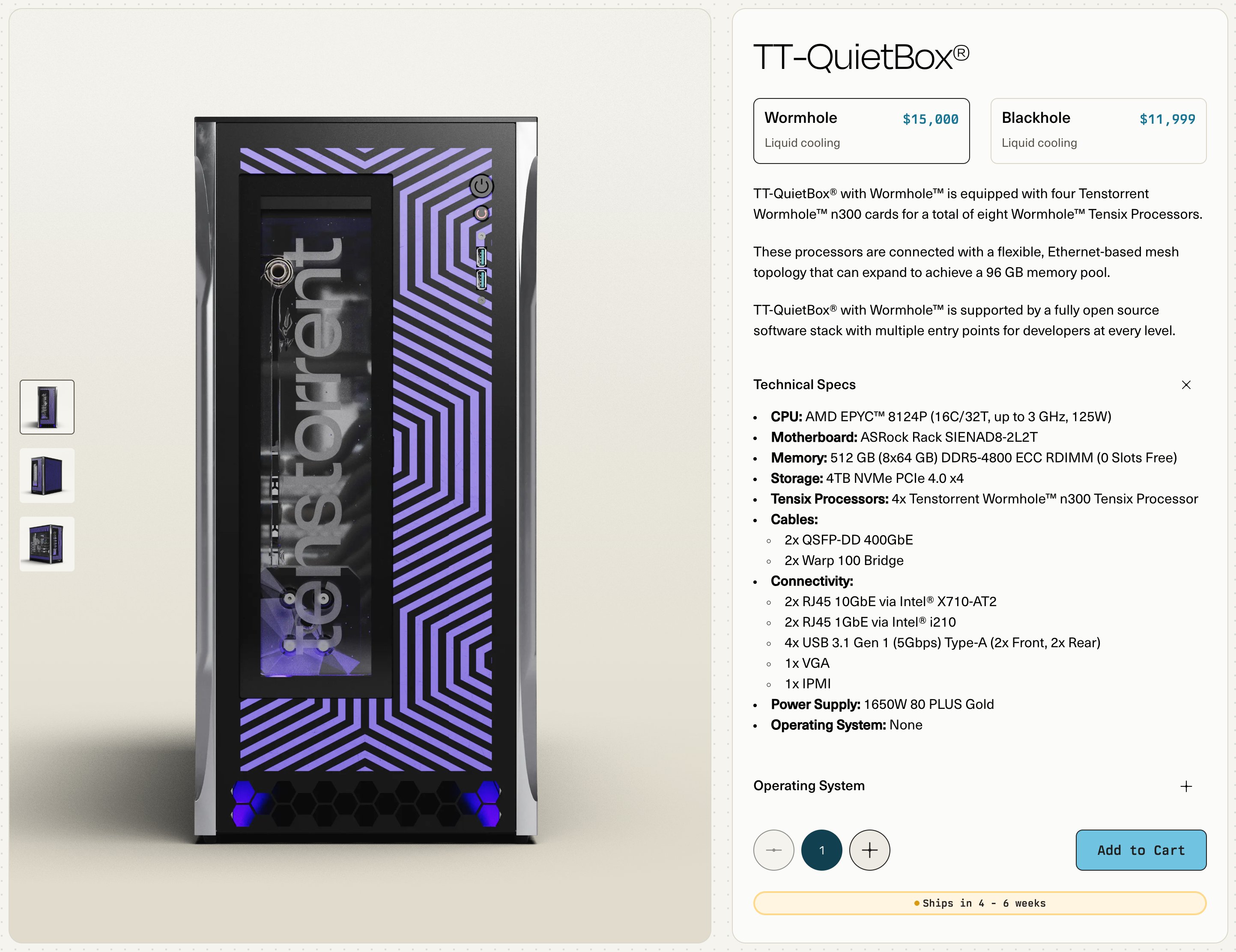
Getting 2xP150 from @tenstorrent on Friday and we getting qwen 27b running on these bad boys so fast 64gb of sweet freedom https://t.co/Ox0hPlIYeC
Introducing Devin Security Swarm A more cost effective and accurate way to find security vulnerabilities in complex codebases, based on a new architecture: Agentic MapReduce.
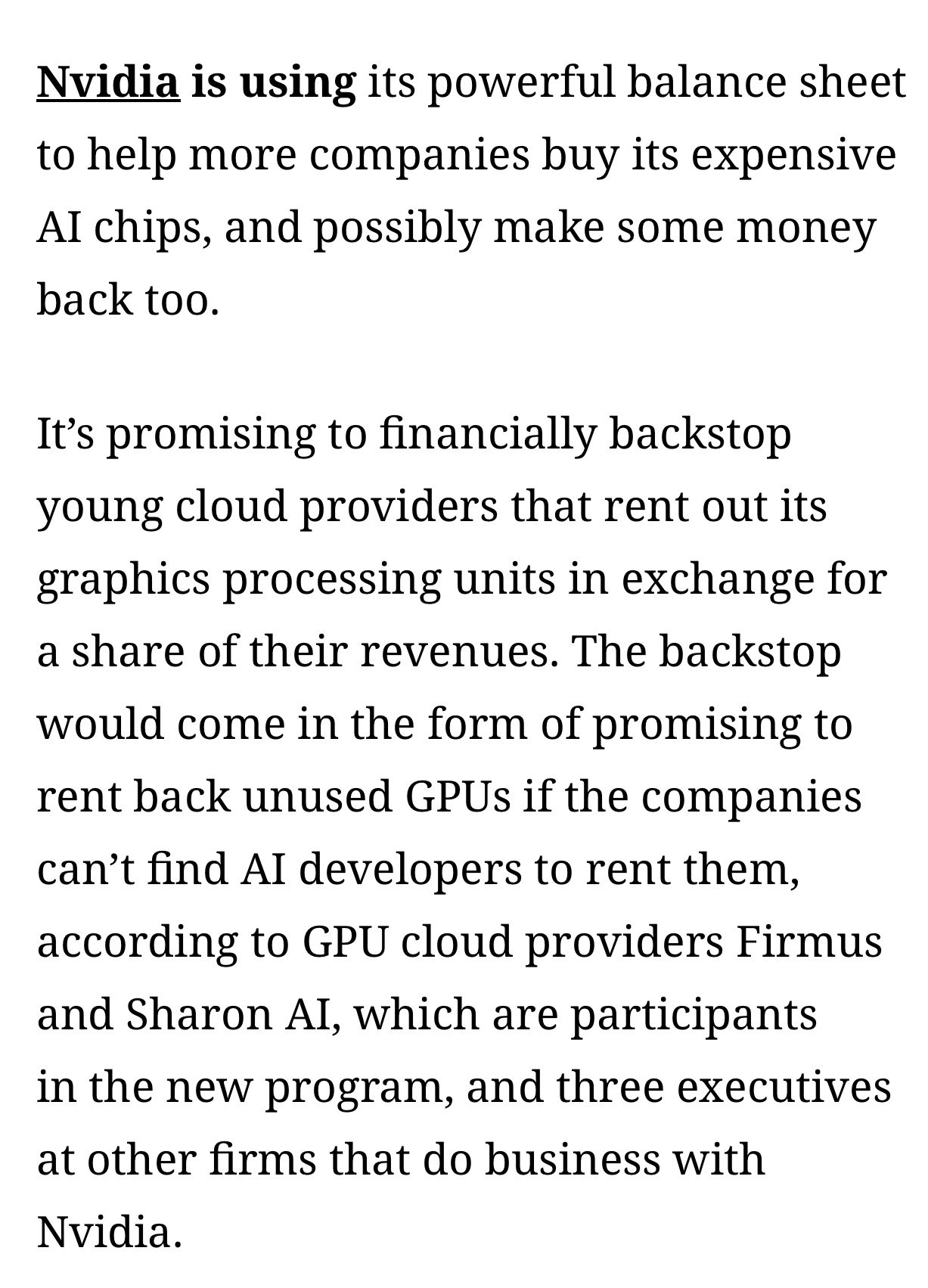
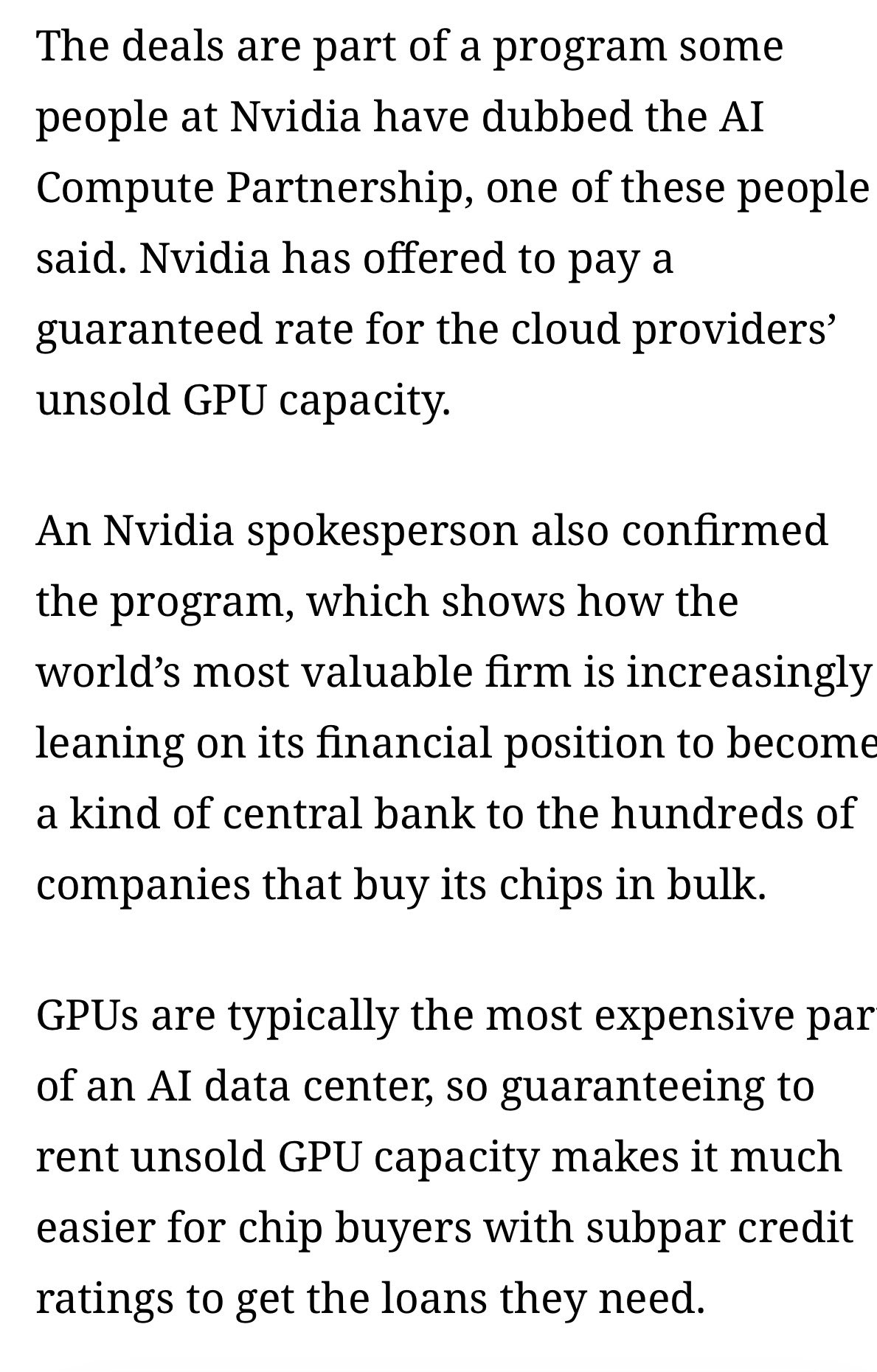
Another awesome agenda-setting scoop from @theinformation team. Nvidia is taking a revenue share if it backstops your neocloud. The AI financing permutations keep on coming. Great story from @_pheebini https://t.co/Da3uAcxcgh