Fable 5 Ignites the "Vibe App" Era While AI Coding Agents Mature Into Production Infrastructure
Fable 5 dominated conversation today, with developers using it to generate everything from full Slack clones to Monopoly-style board games in minutes. Meanwhile, the AI coding agent ecosystem took a major step toward production readiness with JetBrains landing in Xcode, Mastra introducing agent signals, and Firecrawl launching agent-native API signups. On the model front, Cohere, Qwopus, and Liquid AI all released competitive open-weight models that punch well above their parameter counts.
Daily Wrap-Up
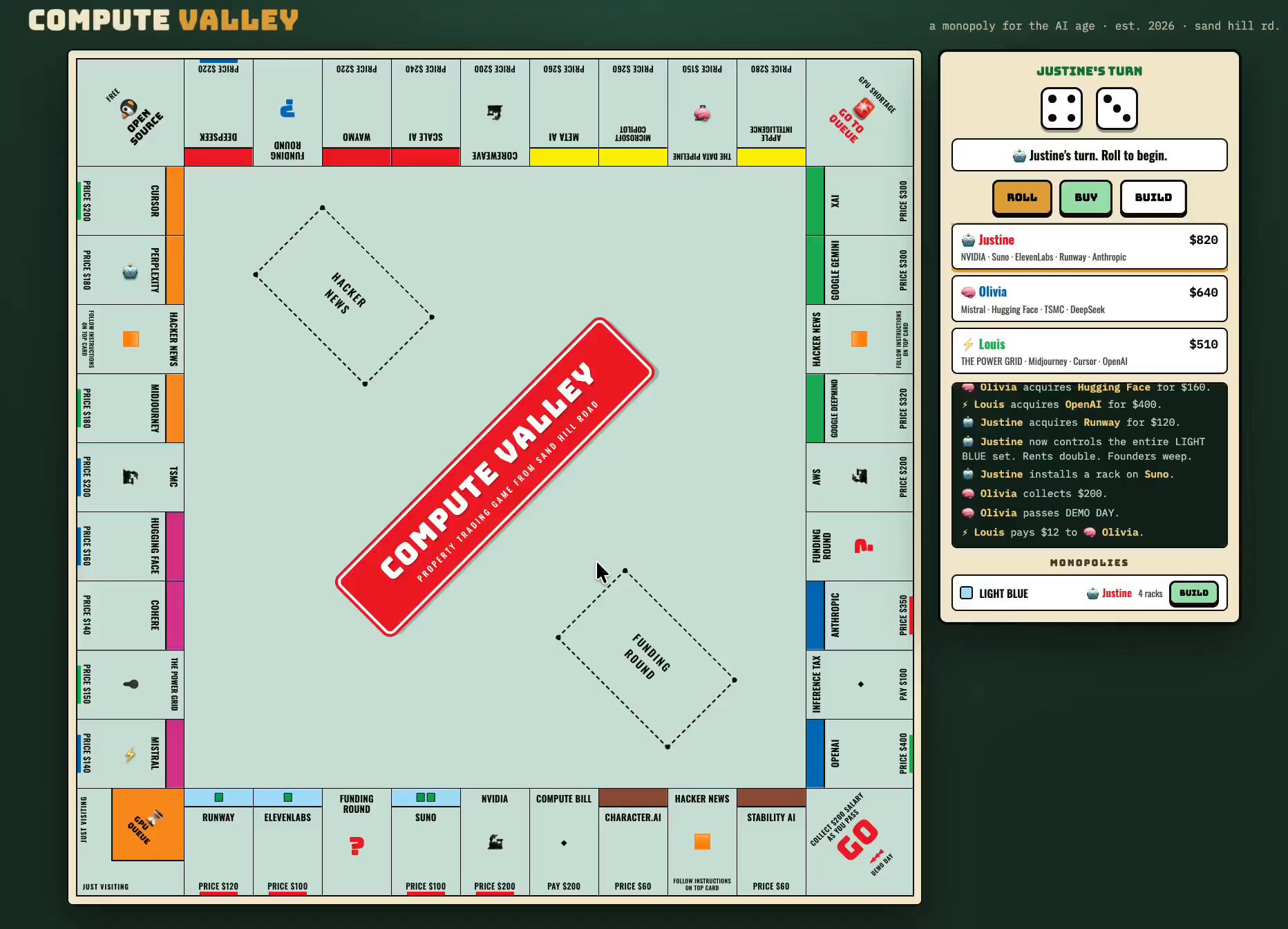
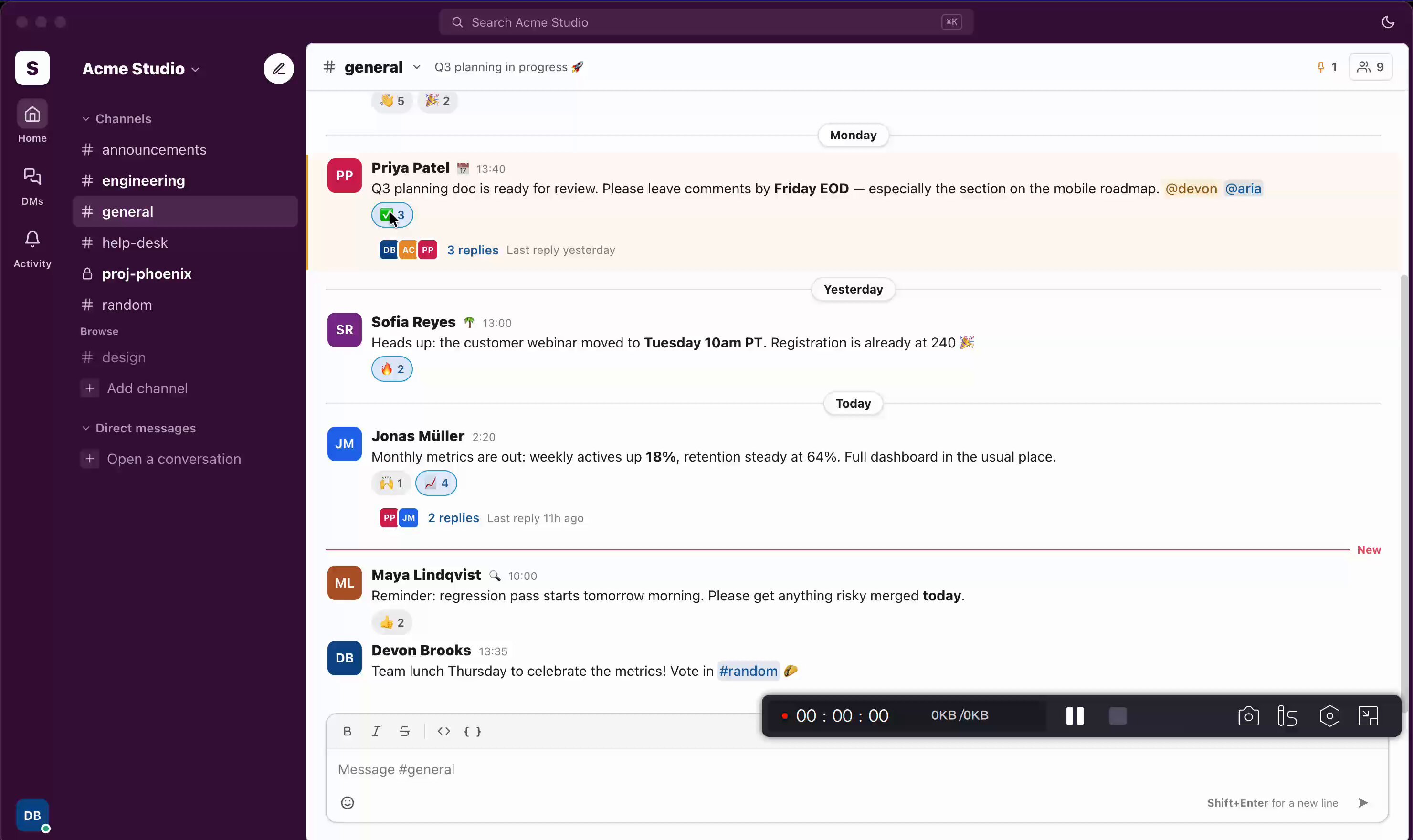
If there was one word floating through the AI developer community today, it was "Fable." The newly released Fable 5 captured the imagination of builders everywhere, and the demonstrations were genuinely startling. People weren't just generating snippets or toy apps. They were producing complete, functional software, from a multiplayer Monopoly clone themed around AI startups to a full Slack lookalike built with TypeScript, Electron, and SQLite, in under ten minutes. The vibe shifted from "AI can help me code" to "AI can just build the thing," and even normally measured voices like @thorstenball were stopping to take stock of the trajectory.
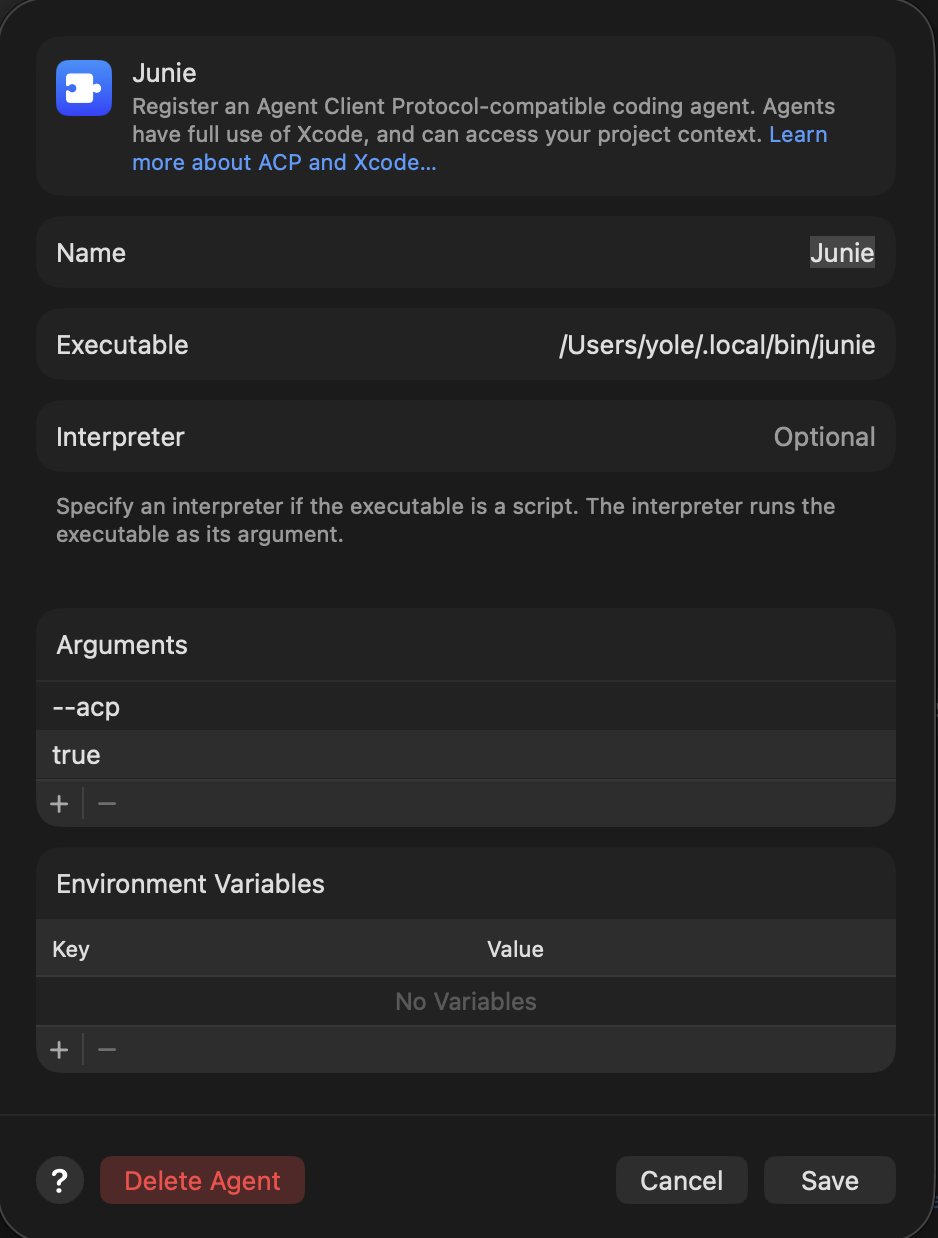
But beneath the spectacle, the more consequential story was about infrastructure maturing around AI agents. JetBrains announced that its AI coding agent Junie now works inside Xcode 26.6 RC via the Agent Client Protocol. Mastra introduced a concept called "signals" that lets developers steer running agents mid-execution without restarting them, a subtle but important architectural shift for real-world agent deployments. Firecrawl went so far as to launch agent-native signups, betting that the next billion users of web scraping APIs won't be humans at all. The thread connecting all of this is clear: the industry is no longer just building agents. It is building the plumbing, protocols, and patterns for agents to operate at scale in production environments.
On the open-source model front, there was a notable burst of activity. Cohere released North Mini Code, a 30B-parameter model with only 3B active that reportedly lands on par with Claude Haiku 4.5 on coding benchmarks. A community-built Qwopus fine-tune scored 67% on SWE-bench verified without chain-of-thought. And Liquid AI's LFM2.5 emerged as a surprising favorite for local agentic workflows. The most practical takeaway for developers: spend time this week experimenting with Fable 5 for rapid prototyping, but invest your learning energy in agent architecture patterns like signals, tool-use orchestration, and model-agnostic agent design, because those are the skills that will still matter when the next model drops and the one after that.
Quick Hits
- @adambcohen93 is hiring forward deployed engineers at $150-250k base plus equity, asking candidates to share something they've built in the replies.
- @ChrisLovejoy_, MD, announced he has joined Anthropic's Applied AI team to work on scaling Claude's real-world impact, with a focus on healthcare and disease understanding.
- @HostOfMeta shared a nostalgic thread about the legendary "math guy" every game studio relied on to sniff out bugs by intuition, a reminder that some engineering instincts still outpace formal analysis.
- @_arohan_ praised the Tilde community after @dhruv31415 published a blog post on (n, k)-Local Polynomial Simplicial Attention, generalizing LLA and 2-simplicial attention as orthogonal design axes.
- @mattzcarey declared "I think programming might actually be solved," a one-liner that perfectly captures the mixture of awe and unease rippling through the developer community.
The Fable 5 Moment
The most electric thread of the day was the sheer volume of people putting Fable 5 through its paces and coming away astonished. @venturetwins asked it to recreate Monopoly but replace every property with an AI lab or startup. It delivered the full game: rules, money system, turn mechanics, and even share codes for multiplayer. Properties could be upgraded from racks to full data centers. The thematic perfection matched the technical completeness.
Then @CtrlAltDwayne went further, prompting Fable 5 to "create a 1:1 clone of Slack using TypeScript, Electron, Tailwind, SQLite. Make it beautiful and functional. Even better than the original Slack." The result was a full UI with working server, generated in a single shot in under ten minutes. @hxiao demonstrated an entirely AI-generated promo video for his Omni multimodal search tool, complete with screen recordings, text-to-speech narration, and structured narrative, all produced by Fable without human editing.
What makes Fable 5 different from previous generations of AI coding tools seems to be its ability to maintain coherence across an entire application. Previous tools excelled at generating functions or components. Fable 5 appears to hold the full system in context, from database schema through server logic to client-side UI, and produce something that works end to end. @thorstenball captured the broader sentiment: "Fable is very good, so far. Judging by the reactions I see here, I'm wondering: do you see it now? Do you see where this is headed?" Of course, not everyone is ready to concede. @kr0der predicted "GPT 6 is about to COOK Fable 5," a reminder that the competitive landscape in AI tooling moves at a pace that makes today's marvel tomorrow's baseline. But for now, Fable 5 has clearly seized the moment.
AI Coding Agents Grow Up
While Fable 5 captured the "wow" energy, the more structurally important developments came from the tools and frameworks that developers will rely on every day. JetBrains made a quietly significant announcement: Xcode 26.6 RC now supports the Agent Client Protocol, meaning you can use JetBrains' Junie CLI agent to build macOS and iOS applications directly inside Apple's IDE. This is not just a JetBrains story. It signals that the Agent Client Protocol, the idea that coding agents should be interoperable across editors and environments, is gaining real traction.
@bookercodes from the Mastra team introduced a concept called "signals," which addresses a genuine pain point in agent development. As he explained it, signals "let you steer a running agent with a new user message mid-execution instead of stopping everything and starting again from the top." A signal can also arrive while an agent is stopped, for instance a coding agent receiving a GitHub webhook event and waking up to handle it. They also shipped subscribeToThread, enabling multiple clients to observe the same agent thread simultaneously, opening the door to multiplayer agent experiences and horizontally scaled agent coordination.
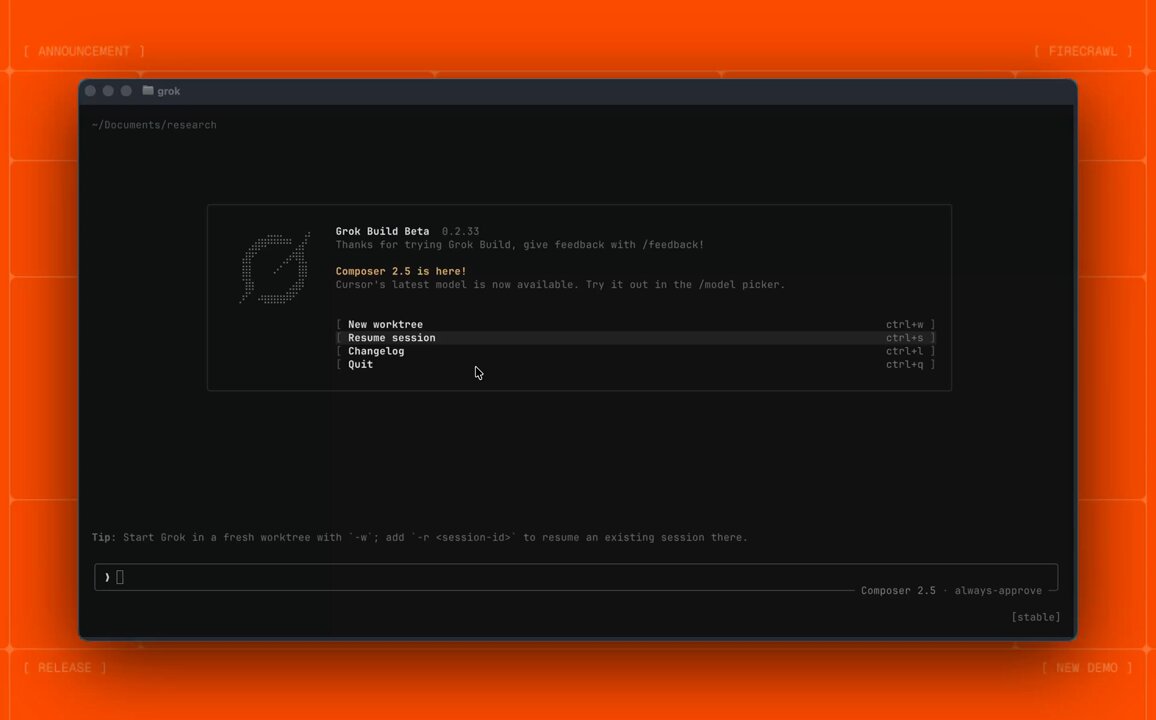
@superdoteng released Composer 2.5 with a new Cursor Chat View, bringing rich chat UI with collapsible tools, live diffs, and streaming to the terminal-based coding experience. The ability to toggle between a graphical chat view and a full TUI mid-conversation, with context preserved, speaks to a maturing understanding that developers want flexibility in how they interact with agents, not a single prescribed workflow.
The meta-observation came from @sqs, who noted that "the models change. Make sure you're using an agent that changes with them." He was highlighting a case where Opus 4.8, after losing its dedicated Read tool, improvised by using bash to merge files and read them with sed, actually producing better insights. The lesson: the best agent frameworks are those that adapt to whatever model capabilities are available, rather than hard-coding assumptions about how a model should work.
Open Source Models Punching Above Their Weight
The open-source model ecosystem had a banner day. @LeonEnglaender from Cohere announced North Mini Code, a 30B-parameter model with only 3B active parameters that matches Claude Haiku 4.5 and beats NVIDIA's 120B Nemotron 3 Super on the Artificial Analysis Coding Index. The entire core code team is just eight people. Released under Apache 2.0, it represents a compelling option for anyone who needs strong coding performance without the computational overhead of larger models.
@mr_r0b0t teased the upcoming Qwopus-3.6-27B-coder, a fine-tune that scored 67% on the full SWE-bench verified without any chain-of-thought reasoning. @KyleHessling1 used it to build an entire playable Boat Survival shooter game in just 12 turns of the Hermes agent, running at 100 tokens per second on a single RTX 5090. The model "never did anything wrong," according to its tester, which is a remarkable claim for a sub-30B local model.
Meanwhile, @noctus91 shared a detailed evaluation of Liquid AI's LFM2.5-8B-A1B, an 8B MoE model with only 1.5B active parameters and a 128K context window. After switching from Qwen 3.5 9B, it became their default local model for agentic tasks: "surprisingly fast, reliable, and works really well with tools." Coding remains its weakest area, but for general agentic workflows on consumer hardware, it represents a new high-water mark for efficiency. The common thread across all three releases is that the gap between proprietary frontier models and open-weight alternatives is compressing fast, particularly at the coding and agentic use cases that matter most to developers.
Infrastructure and the Mid-Scale Problem
Two posts today addressed a less glamorous but critically important theme: what happens between "two users, scale doesn't matter" and "Google scale, throw money at it." @isaac_flath highlighted a new AI Inference Engineering and System Design course on Maven that targets exactly this middle ground, where most companies actually operate. As he put it, this range is "awkward and it's hard to find great information on what to do." The course, taught by @GoAbiAryan, attracted Head of AI roles and principal engineers from FAANG companies in its first cohort, suggesting the industry is hungry for practical system design knowledge that bridges the gap between prototype and production.
On the database side, @craigkerstiens provided an excellent deep-dive into Postgres 19's headline feature: built-in REPACK CONCURRENTLY. For anyone who has operated Postgres at scale, the inability to reclaim table bloat without taking aggressive locks has been a perennial headache. The pg_repack extension filled the gap, but came with caveats. Bringing this into core, with concurrent execution akin to CREATE INDEX CONCURRENTLY, transforms what was once a maintenance-window project into a routine operation. As Craig noted, "the difference between 'yes, we can clean this up online' and 'we need to schedule a maintenance window' is not a small difference. It is the difference between routine maintenance and a project plan."
@theonejvo raised a provocative question about whether tools like Linear still make sense when you can build a custom project management tool perfectly integrated into your existing workflows. It is the kind of question that sounds extreme today but might sound obvious in six months, given the velocity of AI-assisted development.
Privacy, Ethics, and the Stakes Getting Higher
@apparentorder raised an alarm about Amazon Bedrock's data handling that deserves attention. Bedrock's core selling point was that customer data would never leave the AWS account or region. It turns out that certain models, including a newly integrated one, commit to 30-day data retention with human review, and data may leave AWS's security boundary even when used through Bedrock. The "zero data retention" promise does not apply universally across all available models. This is the kind of subtle gotcha that enterprise teams can easily miss until an audit catches it.
@antirez offered a simple but sharp heuristic for evaluating AI frontier labs: watch how they treat their user base during the periods when they have the best model. It is easy to be generous when you are behind. How a company behaves when it holds leverage reveals its actual values. For developers choosing which platforms and APIs to build on, this is worth remembering. The model you integrate today may be replaced in six months, but the company culture behind it will shape every policy change, pricing decision, and data practice you have to live with.
Career Strategy in the Age of AI Agents
@mattpocockuk offered what might be the most practically useful post of the day: a concrete workflow for using AI coding agents as career development tools. His /teach skill, installable via npx skills add mattpocook/skills --skill teach, turns a coding agent into a structured tutor. His framing is sharp: AI is eating "tactical, on-the-ground" programming, so the skills that previously took you from junior to senior, things like system design, planning, QA strategy, and codebase architecture, are now table stakes. The senior developers of tomorrow are not those who write the most code, but those who can direct, evaluate, and improve the code that AI produces. The fact that someone built a reusable skill package to teach exactly this, and that it works with agents like Claude out of the box, is a perfect encapsulation of where we are: using the tools to learn how to use the tools better.
Sources
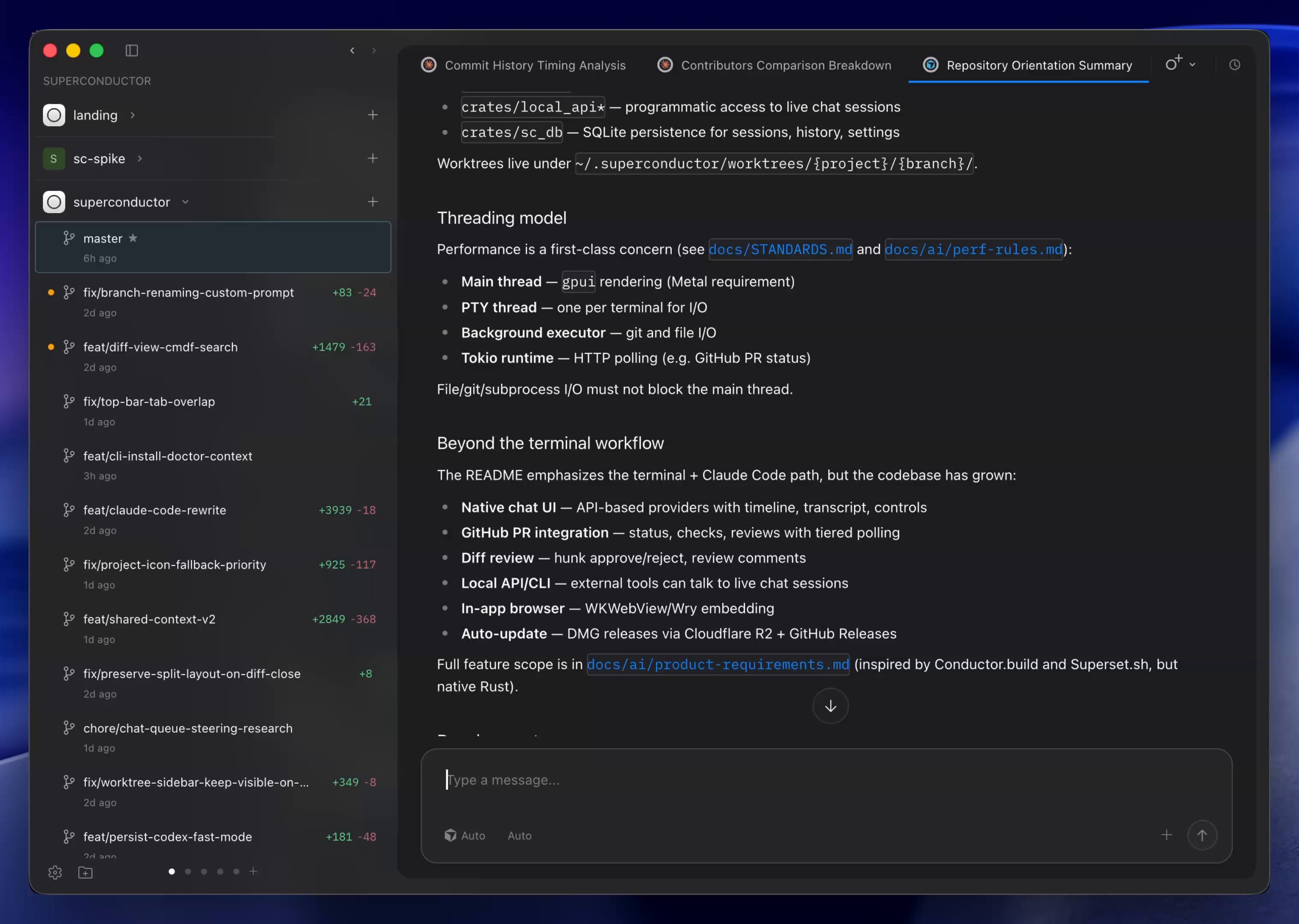
Interesting behavior from @AmpCode after they removed the models Read tool. I use Amp to reason over thousands of @obsdmd notes. Before, models read ~50 notes selectively. Opus 4.8 instead used bash to merge all notes into one temp file, then read with sed. Insights got better

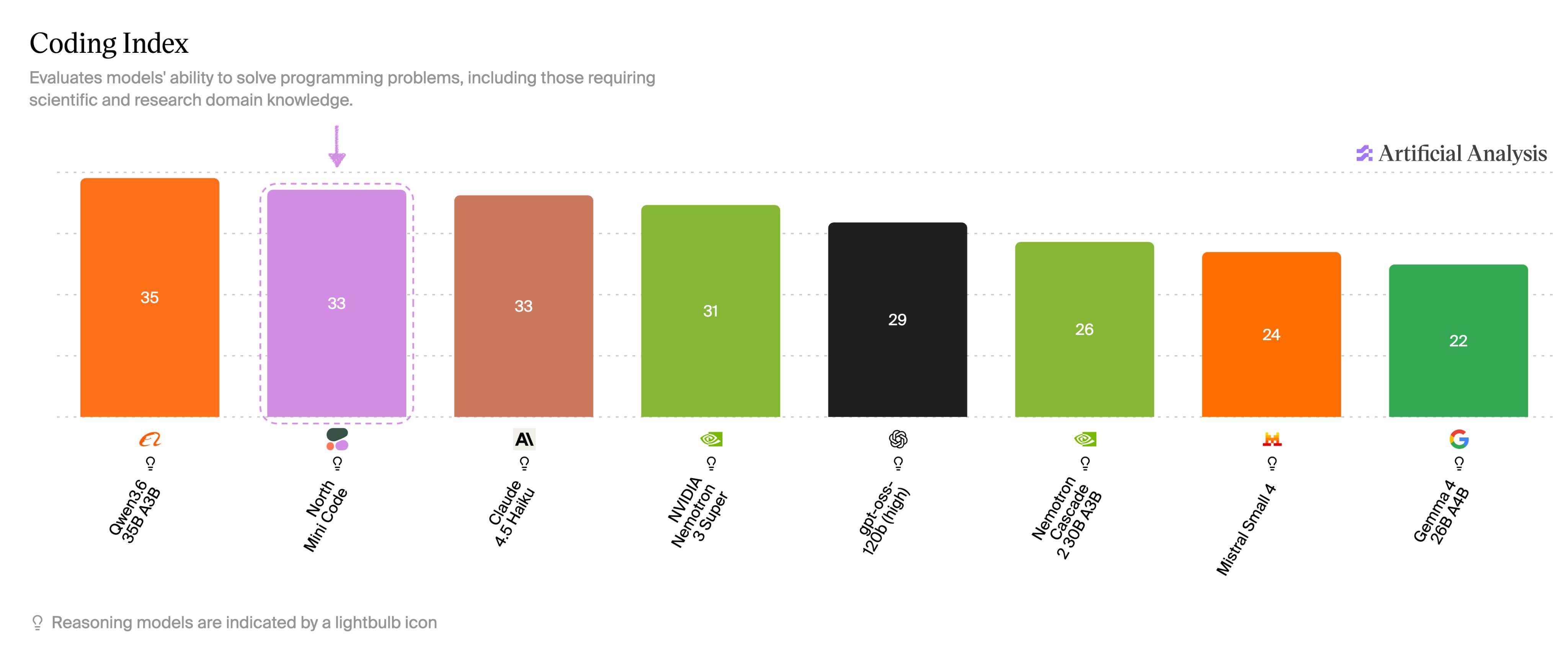
Introducing Cohere's first open-source coding model: North Mini Code Small & efficient, designed for agentic performance and built for community input. https://t.co/GYk5ORtysU
The wait is finally over - the AI Inference Engineering & System Design course is back for its 2nd Cohort on Maven.. Enrollments will open tomorrow for the July cohort! Best way to be notified is either join the waitlist (see the purple button on https://t.co/OF2AzZ2G6g) or the ModelCraft newsletter (https://t.co/J8MnbzI7B3) - i will email in both places.. the waitlist button on maven will make sure my emails about the release and my workshops will land in your primary inbox whereas the newsletter will go to promotions - easy to miss.. 👉 Reg this particular course: 𝐈 𝐰𝐢𝐥𝐥 𝐭𝐞𝐚𝐜𝐡 𝐨𝐧𝐥𝐲 𝐭𝐰𝐨 𝐢𝐧𝐭𝐞𝐫𝐚𝐜𝐭𝐢𝐯𝐞 𝐜𝐨𝐡𝐨𝐫𝐭𝐬 𝐭𝐡𝐢𝐬 𝐲𝐞𝐚𝐫 - 𝐦𝐢𝐝 𝐉𝐮𝐥𝐲-𝐒𝐞𝐩𝐭 (𝟐 𝐦𝐨𝐧𝐭𝐡𝐬) 𝐚𝐧𝐝 𝐞𝐚𝐫𝐥𝐲 𝐎𝐜𝐭-𝐍𝐨𝐯 (𝟐 𝐦𝐨𝐧𝐭𝐡𝐬).. 𝘭𝘢𝘴𝘵 𝘵𝘪𝘮𝘦, 𝘵𝘩𝘦 𝘤𝘰𝘶𝘳𝘴𝘦 𝘸𝘢𝘴 𝘵𝘢𝘬𝘦𝘯 𝘣𝘺 𝘏𝘦𝘢𝘥 𝘰𝘧 𝘈𝘐, 𝘈𝘐 𝘦𝘯𝘨𝘪𝘯𝘦𝘦𝘳𝘴, 𝘗𝘳𝘪𝘯𝘤𝘪𝘱𝘢𝘭 𝘌𝘯𝘨𝘪𝘯𝘦𝘦𝘳𝘴, 𝘚𝘞𝘌𝘴 𝘧𝘳𝘰𝘮 𝘍𝘈𝘈𝘕𝘎, 𝘕𝘢𝘵𝘪𝘰𝘯𝘢𝘭 𝘣𝘢𝘯𝘬𝘴, 𝘦𝘯𝘦𝘳𝘨𝘺 𝘤𝘰𝘮𝘱𝘢𝘯𝘪𝘦𝘴 𝘦𝘵𝘤 𝘢𝘤𝘳𝘰𝘴𝘴 5 𝘤𝘰𝘯𝘵𝘪𝘯𝘦𝘯𝘵𝘴. A lot of people have been DMing and emailing me about dates - I have seen them all, I was insanely busy wrapping many things until this week plus it made no sense to say sometime soon over emails.. i will reply to y'all tomorrow once the enrollments are open tomorrow!
This Boat Survival shooter was made entirely using our upcoming Qwopus 3.6 27B-coder fine tune with thinking completely disabled. This model also just completed a run of SWE bench verified, full 500 samples, and scored a 67% without thinking! It even crushed some of the really difficult SymPy repos in SWE that I expected it to struggle with. Runs at 100tps with MTP on my 5090! With thinking disabled and that speed, wall time is ridiculously fast. I was able to build this entire playable game in 12 turns of the model in Hermes agent! Many of those turns were for visual improvements, which the model absolutely crushed in implementing. It somehow never did anything wrong, just sometimes implemented it in a way I wanted changed or made me think of a cooler way to present it. It's my favorite game I've made with a local model so far, I added a lot of really fun gameplay effects I thought of while making it to make it unique. Please give it a few minutes to play and let me know your thoughts! This model will be released very soon. Jackrong will be working on the model card this evening, so stay tuned! I will post it when it's live! https://t.co/kkHUKtW9uw
New personal blog! (n, k)-Local Polynomial Simplicial Attention, which generalizes LLA & 2-simplicial attention as two orthogonal design axes that jointly shape the regression landscape. https://t.co/s1DgmO4oIG
@robertcourson Feeling pretty good about things
@garrytan Capable model but the guardrails are nuts and the privacy worse. It may be a huge privacy leak for GBrain. Commits you to 30-day retention + human review, including if you use your own cloud, e.g. on Bedrock the data leaves AWS's security boundary. https://t.co/ZTdhQh2L4V
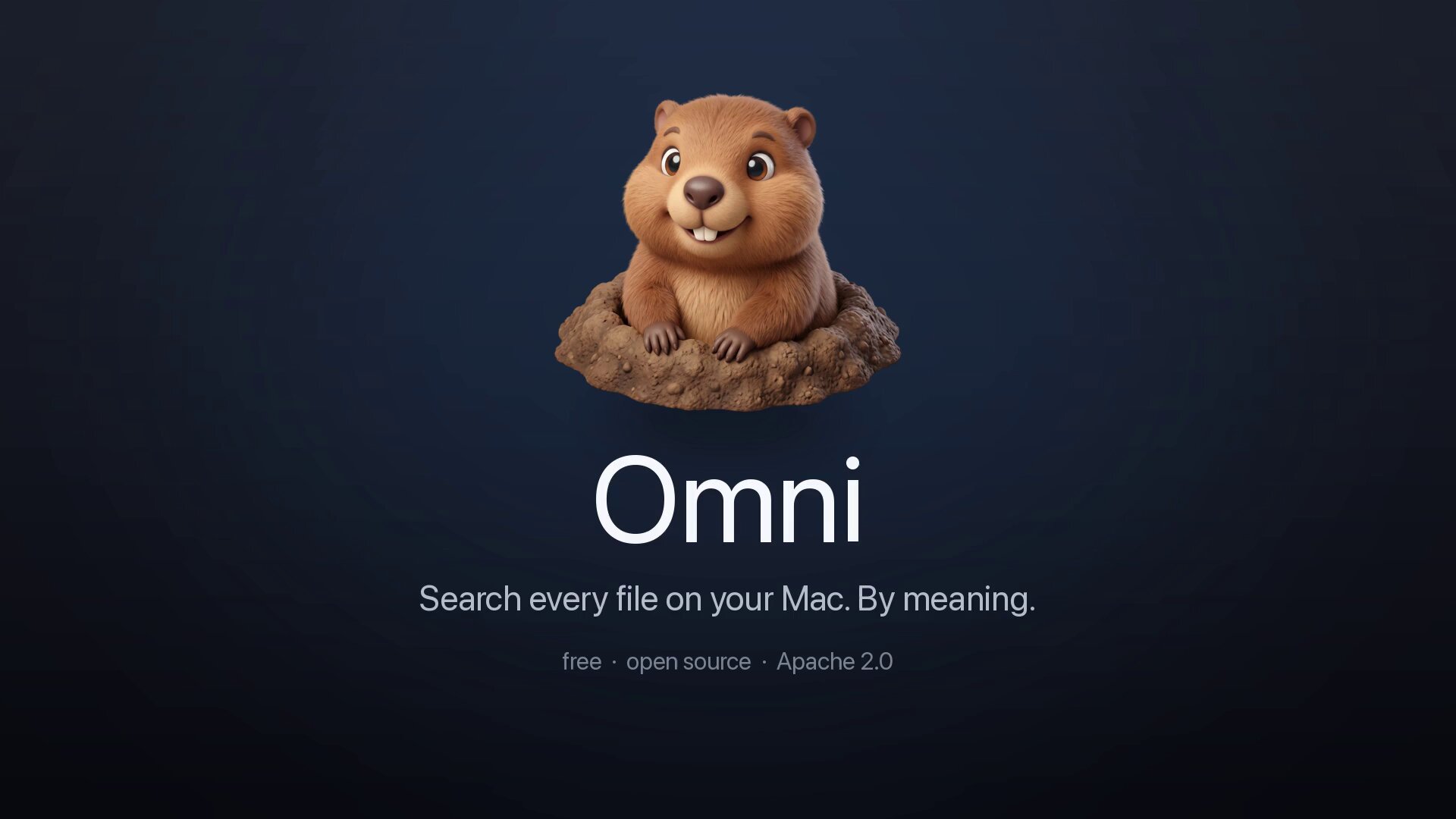
Built sth I've always wanted, using jina-v5-omni embeddings locally for multimodal file search on mac. + airgapped & fully local, indexes text, PDF, image, audio, and video + Swift-native UI + mlx-swift-transformer optimized core. No Python. + tested on M3 Pro 18G / M3 Ultra 512G / M4 Pro 48G. all work fine, no OOM + local HTTP server exposes index to agents like OpenClaw & Hermes

Today, we're releasing LFM2.5-8B-A1B, a device-optimized model designed to power real-life applications on phones, laptops, PCs, robots, and fast & lightweight server-side use-cases. > 8B MoE, 1.5B active > Expanded 128K context > LFM2.5 flagship hybrid MoE architecture > Trained on 38T tokens + large-scale RL > fast, reliable tool calling, punching above its weight, comparable to models with up to 4x its size > customizable on a single GPU for any specialized task > LFM2 open-weight license 🧵
