Claude Code Workflows Mature as Open-Weight AI Floods the Market and Agents Get Sandboxed
The Claude Code ecosystem is rapidly evolving from a simple coding assistant into a full development environment, with users building multi-agent review loops and discovering official plugins. A staggering 25+ open-weight models dropped in a single week, highlighted by NVIDIA's Nemotron 3 Ultra matching GPT 5.5 at a tenth of the cost. Meanwhile, Microsoft demonstrated how to run AI agents safely in production using Hyperlight microVMs, signaling that agentic infrastructure is getting serious.
Daily Wrap-Up
If there is one word that captures the current moment in AI development, it is "workflow." The conversation has moved well beyond which model scores highest on benchmarks. Developers are now focused on how to chain agents together, automate review cycles, and build systems where the AI handles the tedious parts of software engineering without blowing things up. Claude Code is at the center of this shift. Over the past 48 hours, multiple developers shared sophisticated setups involving loops, sub-agents, automated testing pipelines, and an official plugin system that most people apparently do not know exists. The gap between casual Claude Code users and power users is widening fast, and the difference comes down to ecosystem configuration rather than raw prompting skill.
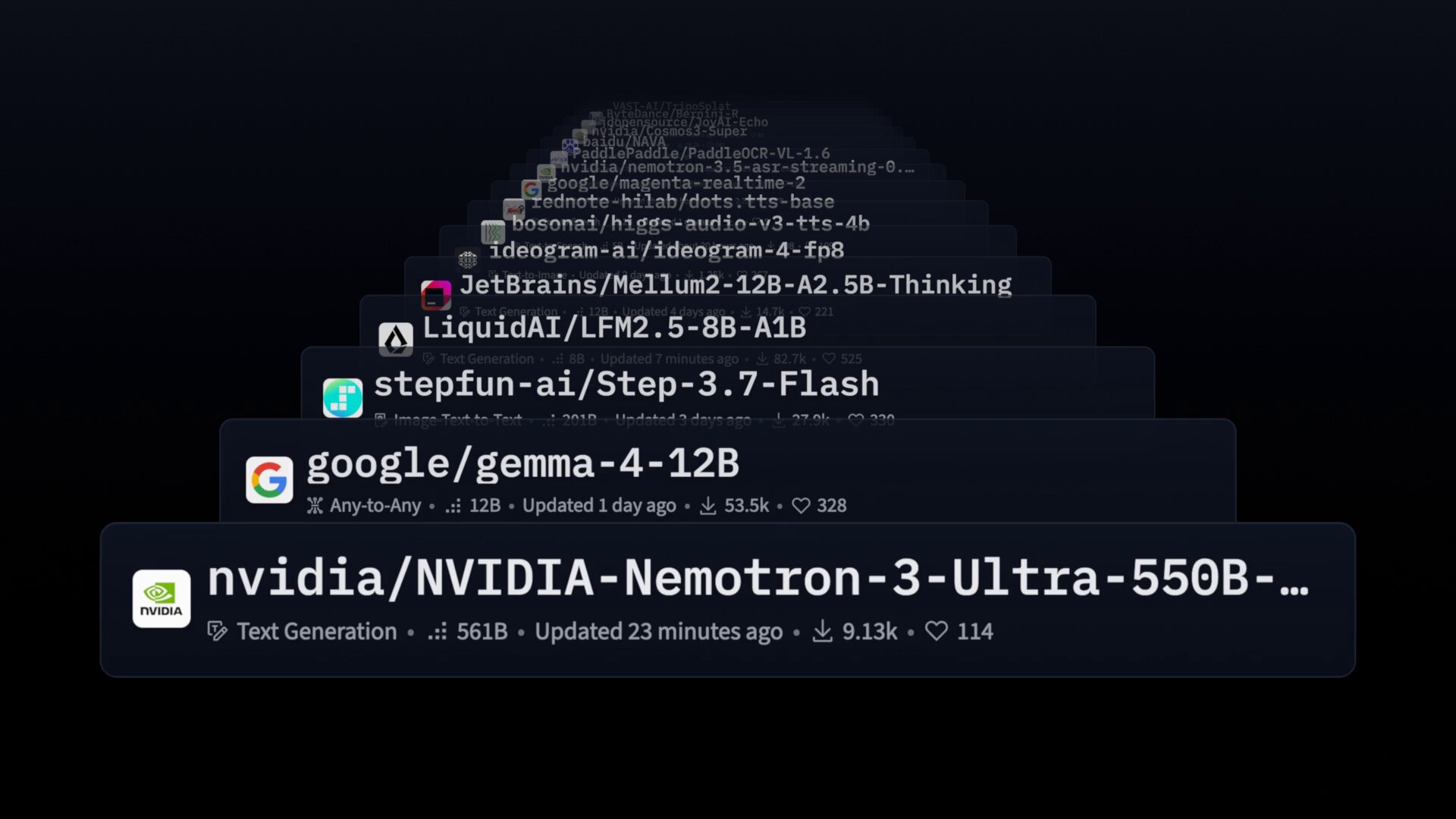
The second big story is the sheer volume of open-weight model releases. Victor Mustar cataloged over 25 notable drops in a single week spanning LLMs, image generation, audio, vision, video, and 3D. NVIDIA's Nemotron 3 Ultra, a 550B hybrid Mamba-MoE model with only 55B active parameters, is drawing particular attention for delivering GPT 5.5-level output at roughly a tenth of the price. When combined with Ideogram 4's first-ever open-weight release and Google's Gemma 4 12B shipping with 23 quantized checkpoints, the message is clear: the open-source AI ecosystem is no longer playing catch-up. It is competing on quality and winning on cost.
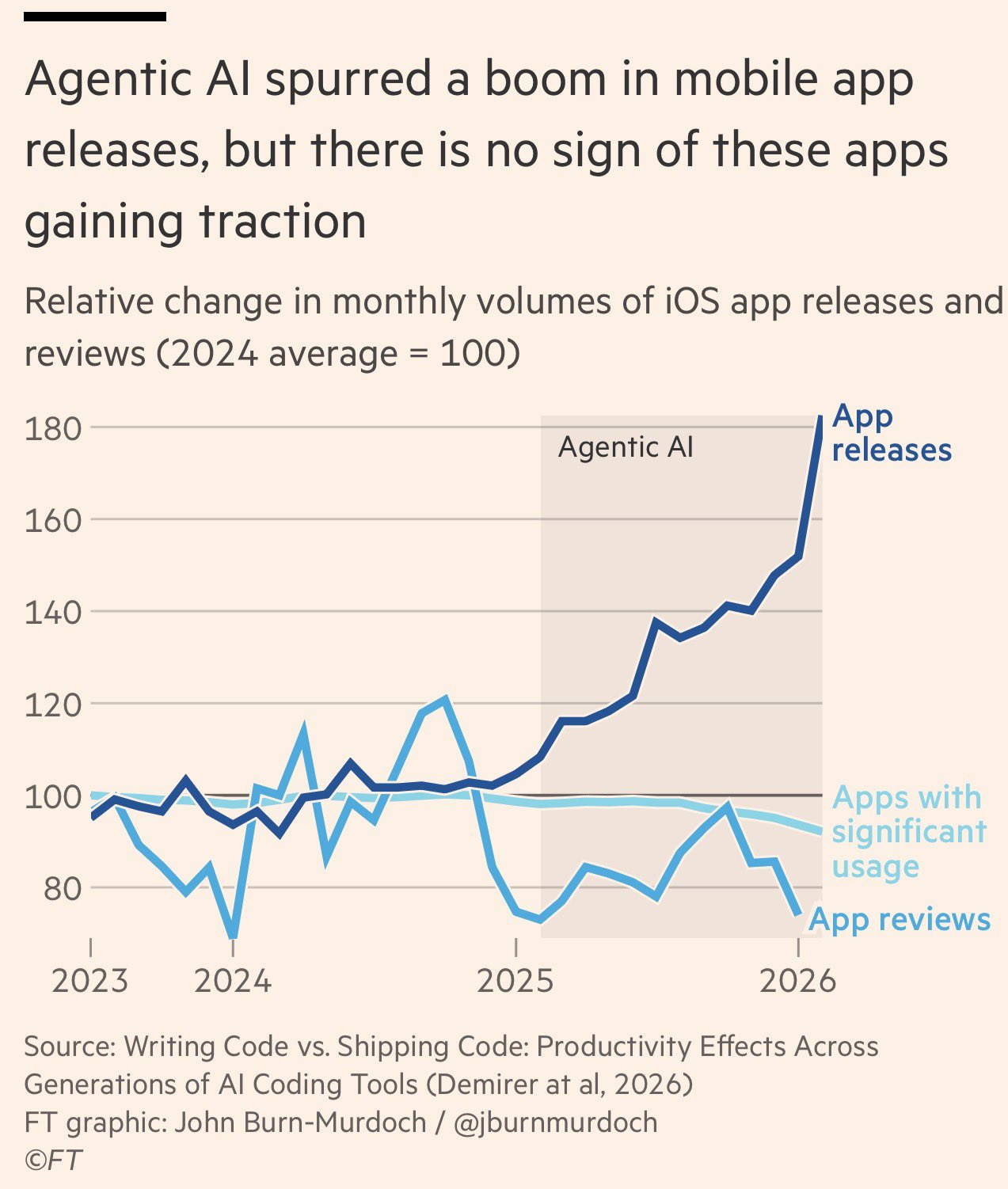
The third theme worth watching is the maturation of agentic infrastructure. Microsoft's Hyperlight microVM demo showed how to give agents sandboxed environments where they can execute code safely, boot in milliseconds, and reset to clean snapshots between runs. This is the kind of unglamorous plumbing work that makes production deployment possible, and it is happening just as adoption data shows massive output gains from agentic AI alongside completely flat organizational adoption rates. The technology is ready. The organizations are not. The most practical takeaway for developers: stop tweaking prompts and start building repeatable agent workflows with skills, plugins, and automated review loops. The developers seeing the biggest gains are not the ones writing better instructions; they are the ones building systems that let agents iterate, test, and fix their own output without human intervention at every step.
Quick Hits
- @elonmusk reminded everyone that his old Tesla is still in an Earth-Mars elliptical orbit and will be there for at least 10 million years. Not AI-related, but somehow still the most-liked post of the day.
- @Senpai_Gideon highlighted the developer who found a critical ZEC cryptocurrency bug using Claude Opus, pointing to a growing trend of LLM-based security auditing tools that can automate significant portions of vulnerability research.
- @OpenAIDevs showed off a new Build iOS Apps plugin for Codex that lets developers view, test, and hot reload SwiftUI previews inside the in-app browser without leaving the Codex environment.
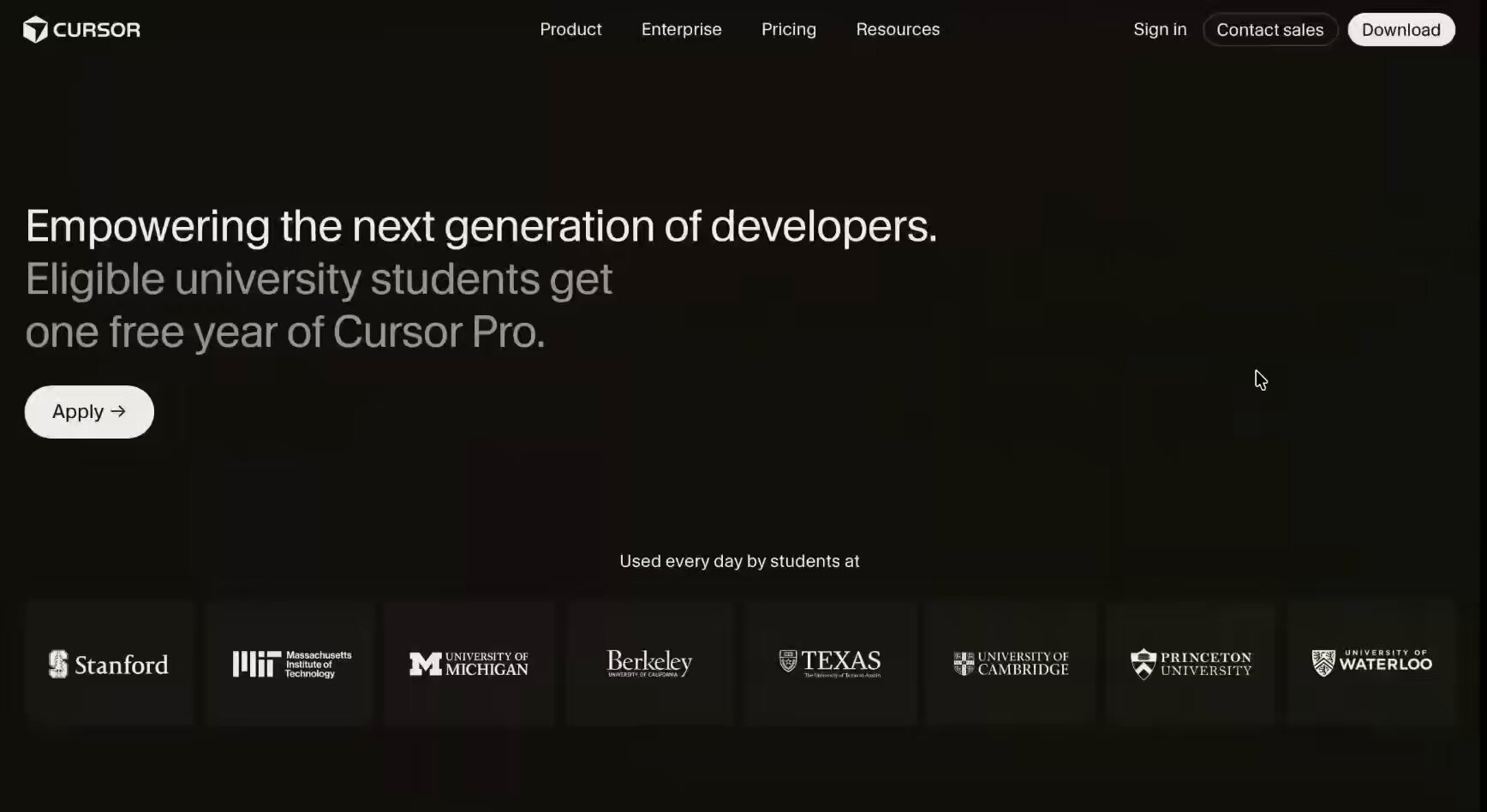
- @igus_ai shared that Cursor is giving away a full year of Pro access for free to anyone with a student email, including access to GPT, Claude, and Gemini models. The offer works with university verification systems that vary by country.
- @TheAhmadOsman connected users experiencing RTX PRO 6000 and DGX Spark issues with NVIDIA's Senior Director of Product, who offered to escalate problems directly to the engineering team.
- @DSPyOSS amplified a point about the framework's philosophy: write prompts yourself as little as possible, but hold the system accountable for outcomes. The focus should be on programmatic optimization over manual instruction crafting.
The Claude Code Ecosystem is Becoming a Real IDE
The biggest story of the past two days is how quickly Claude Code has evolved from a conversational coding tool into something that resembles a full development environment, complete with plugins, skills, sub-agents, and automated workflows. The shift is happening so fast that many users are still interacting with Claude Code in its vanilla configuration, unaware of the ecosystem that has grown around it.
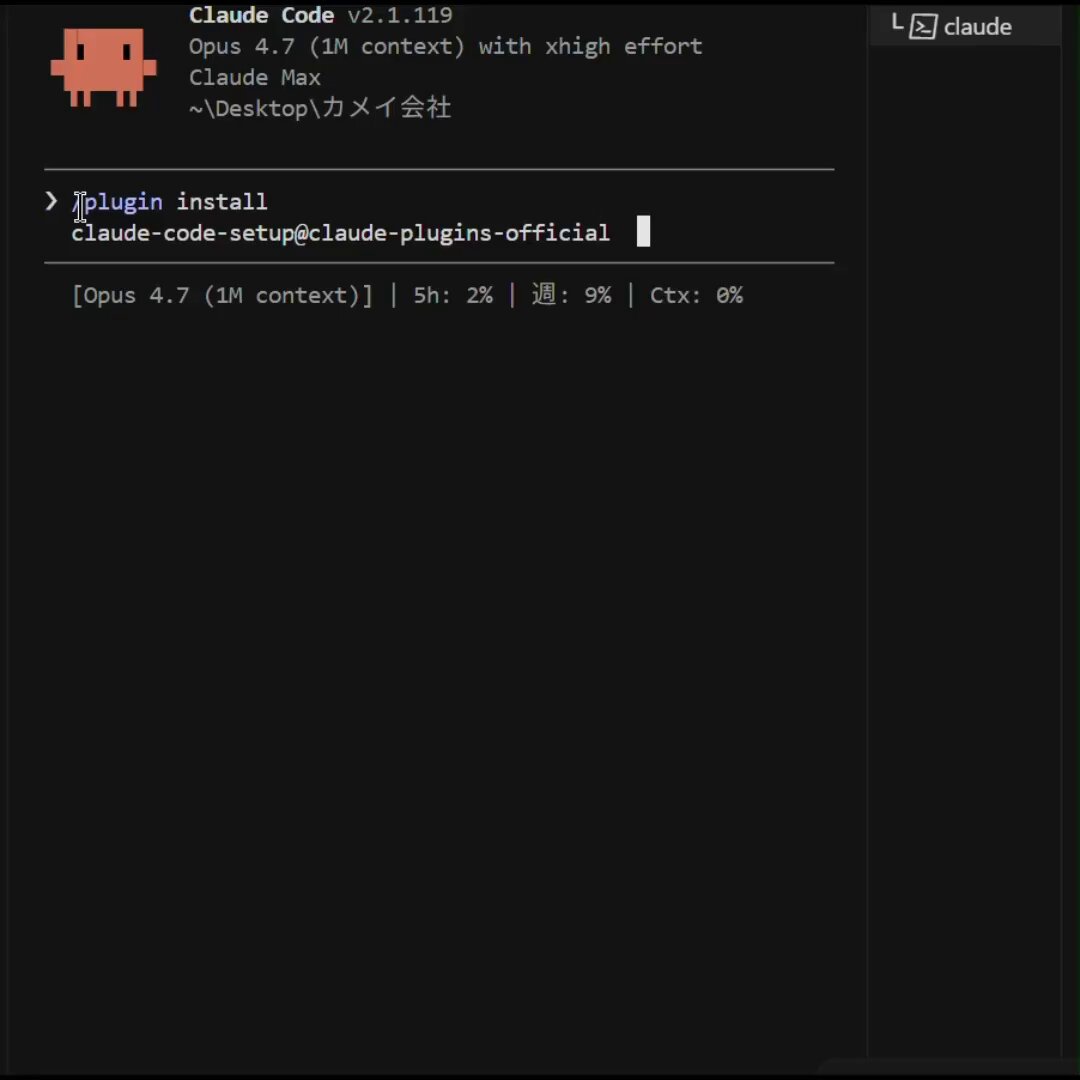
@Suryanshti777 flagged a quiet release from Anthropic: an official plugin called claude-code-setup that scans your project and recommends hooks, skills, MCP servers, subagents, and automations, then walks you through setup step by step. As he put it, "Most people are using Claude Code completely vanilla, which is why their experience feels messy. The real power comes from the ecosystem around it." The plugin can be installed with a single command, and it appears to be the onboarding path that Anthropic always intended but never heavily publicized.
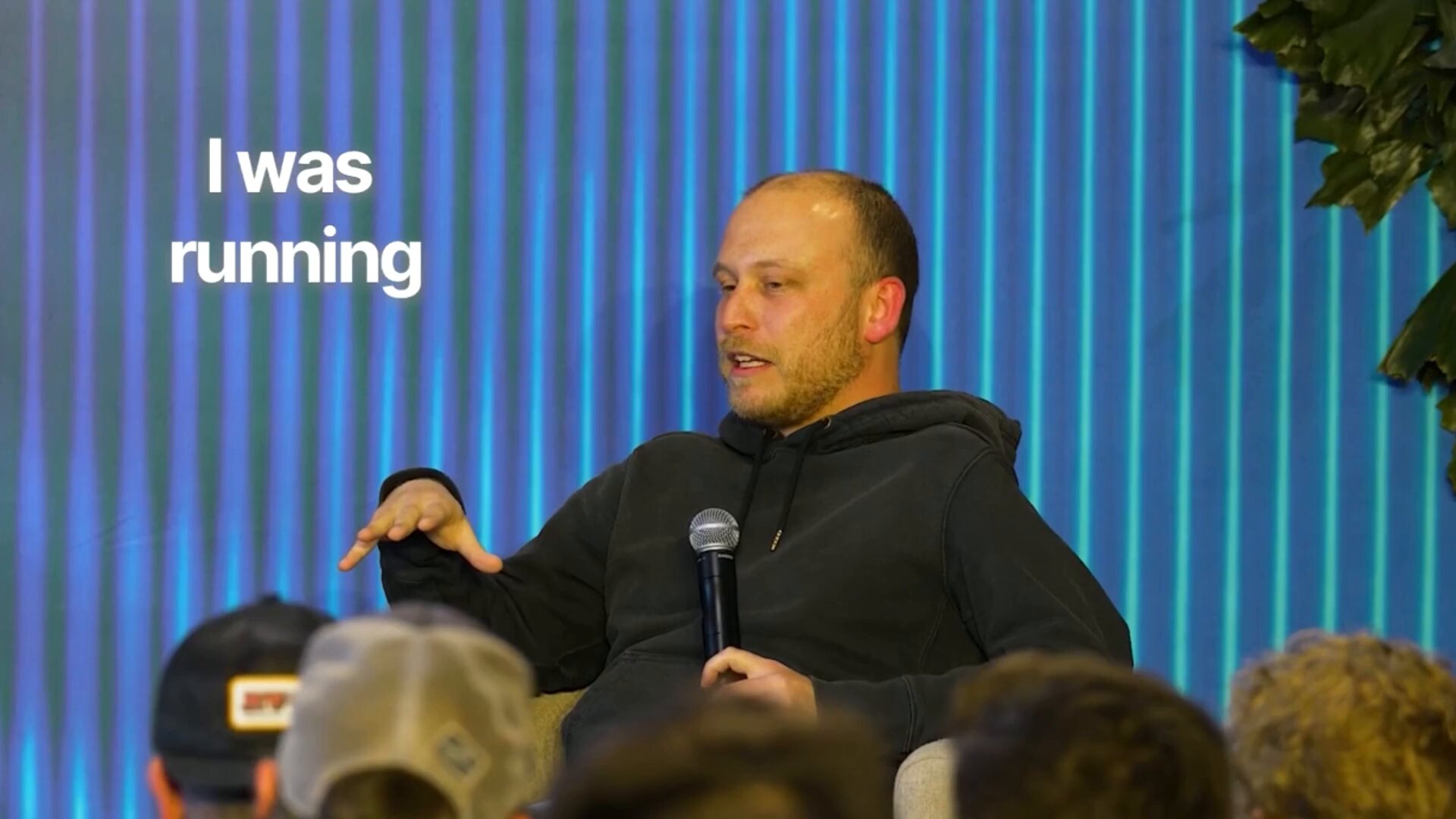
The loop-driven workflow philosophy was echoed by @0xCodez, who summarized a 30-minute breakdown from Claude Code's creator: "I don't prompt Claude anymore. I write loops, and the loops do the work. My job is to write loops." This is a significant conceptual shift. Instead of crafting the perfect prompt for a single task, developers are writing small programs that describe how Claude should iterate, evaluate its own output, and self-correct. The human becomes a loop architect rather than a prompt engineer.
Perhaps the most detailed workflow came from @manthanguptaa, who described a three-skill setup he runs after finishing any feature. A review skill spins up three sub-agents using different models from different providers to independently hunt for performance issues, security vulnerabilities, and logical bugs. An integration testing skill generates 30 to 40 aggressive user-style queries and monitors traces and logs while fixing failures on the spot. And a babysit skill watches the PR for CI failures as they appear. He still reviews all code before handoff, but the automation handles the tedious parts. This is the pattern that separates productive AI-assisted developers from those still copy-pasting snippets from chat windows.
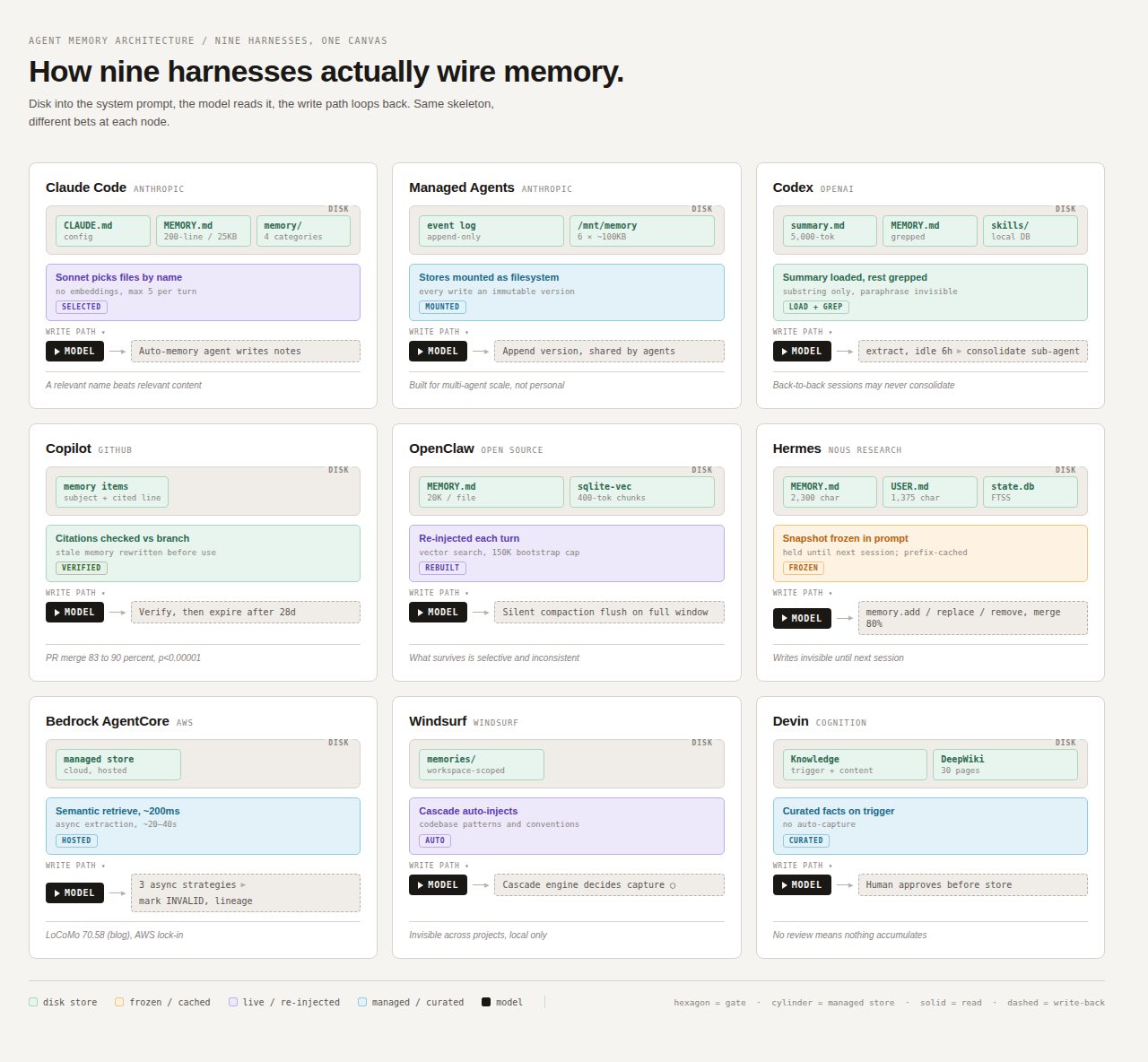
On the foundational side, @ellen_in_sf shared a deep-dive article analyzing how nine major agent harnesses, including Claude Code, Codex, Copilot, Devin, Bedrock, and Windsurf, actually wire memory. The hard part, she notes, is not storing context. It is retrieving, updating, isolating, and making it portable across sessions. This is the infrastructure layer that determines whether an agent feels like a stateless chatbot or a persistent collaborator.
The Open-Weight Flood is Reshaping the Market
The sheer volume of open-weight model releases this week is remarkable. @victormustar compiled a comprehensive list of over 25 notable drops across every modality, and several stand out as genuinely competitive with closed-source alternatives.
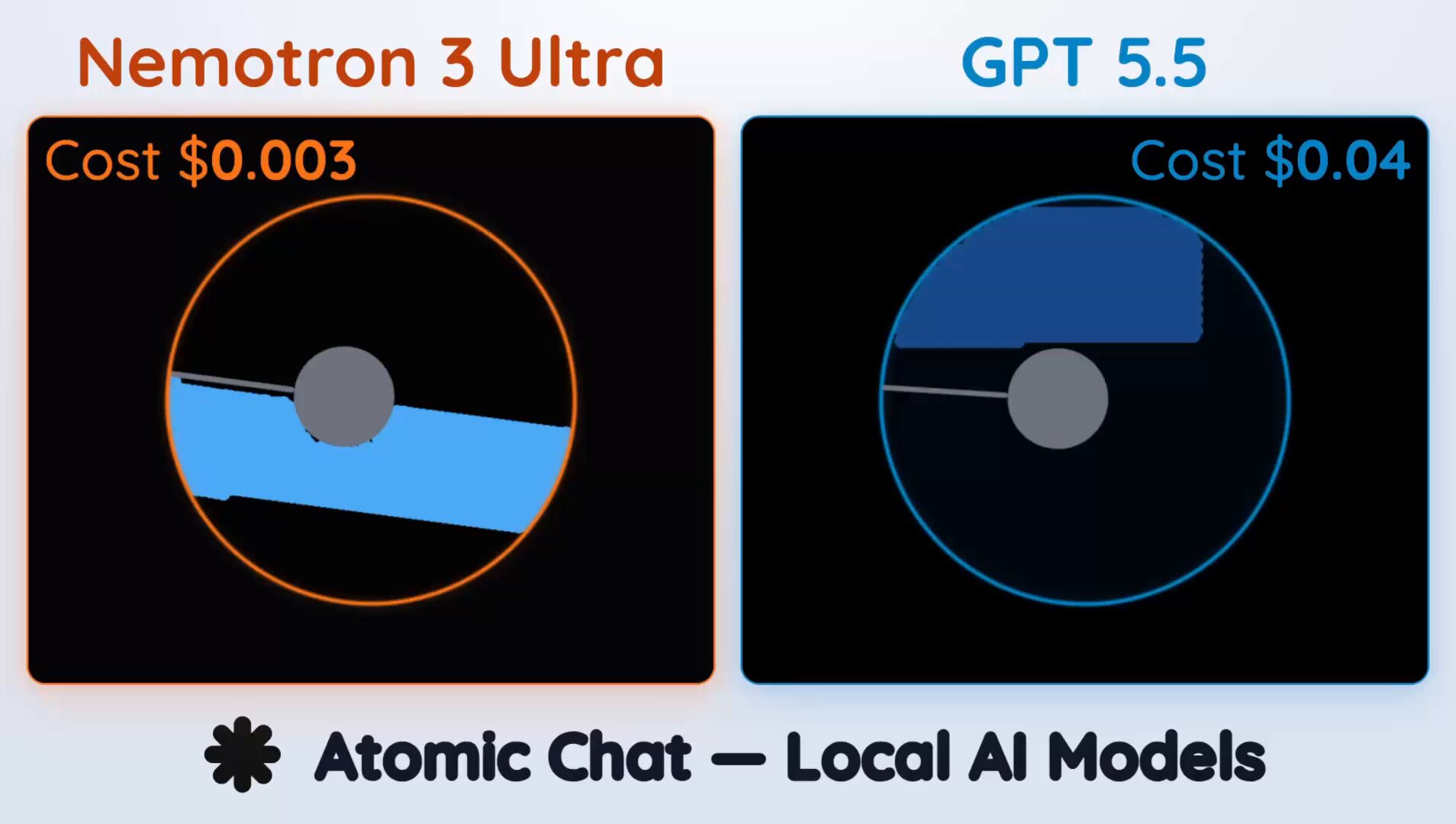
NVIDIA's Nemotron 3 Ultra leads the pack. It is a 550B hybrid Mamba-MoE model with only 55B active parameters and a 1M context window, scoring 89.1 on MMLU. The NVFP4 variant claims roughly 5x throughput on Blackwell hardware. @atomic_chat_hq ran a head-to-head benchmark against GPT 5.5, giving both models the same three physics simulation prompts involving water in a spinning drum, a Galton board, and block collisions with extreme mass differences. Nemotron 3 Ultra produced 11.3k tokens at $0.051, while GPT 5.5 produced 11.0k tokens at $0.57. The quality gap was minimal. The price gap was enormous. As @atomic_chat_hq summarized, "Nemotron stays right on GPT 5.5's heels, but at 10x cheaper. The gap in quality is far smaller than the gap in price."
The image generation space saw a surprise entry from Ideogram 4, which released its first-ever open weights: a 9.3B flow-matching DiT trained from scratch that ranks second overall behind GPT Image 2 and leads all open-weight models on Design Arena and LMArena. For text-rich image generation specifically, it appears to be the strongest open checkpoint available.
Other notable releases included Google's Gemma 4 12B, a fully open dense any-to-any model supporting 140+ languages with 256k context; JetBrains' Mellum2-12B, their first open MoE coding model at Apache 2.0; and Boson's Higgs Audio v3 4B, which handles 102 languages with 21 emotions including singing and whispering. The breadth of this release cycle suggests that open-weight AI is no longer a niche. It is becoming the default.
The counterpoint to all this optimism came from @benjamin_horne, who posted a satirical greentext-style rant about Sam Altman potentially offloading OpenAI stakes onto the American taxpayer as LLM revenue stalls and AGI remains elusive. While clearly written for entertainment, the underlying anxiety about commoditization, plateauing capabilities, and massive infrastructure commitments is real and widely shared in developer circles.
Agents Get Sandboxed for Production
As coding agents become more autonomous, the question of how to run them safely in production is becoming urgent. @\_vmlops highlighted a Microsoft demo that sandboxes AI agents inside Hyperlight microVMs, and the approach is elegant. Hyperlight is not cloud infrastructure. It is a library embedded directly inside your application. MicroVMs boot in milliseconds, guest function calls complete in microseconds, and there is no kernel, no OS, no filesystem, and no network access unless explicitly granted. Three agents share one HyperlightRuntime, and the guest resets to a clean snapshot before every code execution.
The core philosophy is captured in two lines: "the harness decides, the microvm contains." In 2025, agents were demo material. In 2026, they are showing up on cloud invoices and need blast radius controls. Hyperlight is a CNCF sandbox project, and the demo is open source on GitHub under multi-ai-agents-cloud-native. This is the kind of infrastructure that makes the difference between an agent that can run safely in production and one that stays permanently in development.
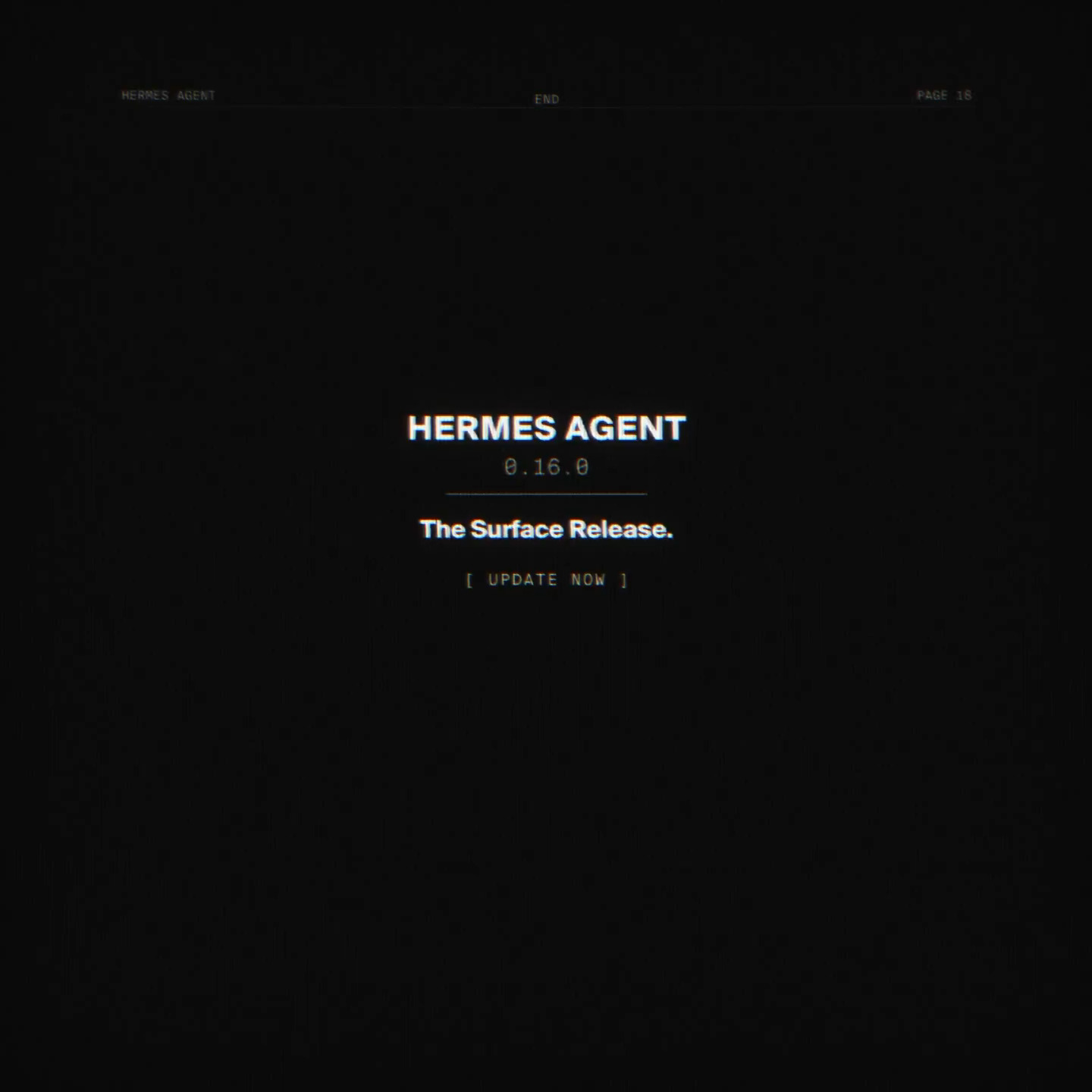
On the agent framework side, @NousResearch shipped Hermes Agent v0.16.0, dubbed "The Surface Release," while @ElevenLabsDevs demonstrated calling Hermes Agents over the phone using ElevenAgents. The convergence of voice interfaces with agent capabilities is progressing quickly, and the combination of Nous Research's open agent framework with ElevenLabs' voice synthesis suggests that voice-driven autonomous agents are becoming a practical reality rather than a research curiosity.
The Adoption Paradox and Developer Tooling
@jenzhuscott posted a striking chart showing massive output uptick from agentic AI alongside completely flat organizational adoption. The technology is delivering results, but companies are not structurally adapting to absorb it. This gap between what the tools can do and what organizations are prepared to use represents both the biggest opportunity and the biggest risk in the current landscape.
On the tooling front, @fernandorojo recommended adding Vercel's composition-patterns skill for React developers, which packages lessons from his talk into a reusable agent skill that helps both developers and LLMs produce cleaner React code. The pattern of encoding best practices into agent-consumable skills rather than documentation is emerging as a key workflow improvement, and it aligns with the broader shift from manual prompting to programmatic agent configuration.
Sources
C
Claude Code creator:
"I don't prompt Claude anymore. I write loops - and the loops do the work. My job is to write loops."
in 30 minutes Boris reveals his actual daily Claude Code setup.
Claude Code + loops + dynamic workflow
Worth more than a $500 vibe-coding course https://t.co/wf5CRlGr0G
0
0xCodez
@0xCodez
https://t.co/RSly7N44jl
E
Call your Hermes Agent https://t.co/NJcWGfefPw

E
ElevenLabsDevs
@ElevenLabsDevs
Call Your Hermes Agent over the phone using ElevenAgents
O
More of the iOS app loop, now inside Codex.
The Build iOS Apps plugin lets Codex view and test your iOS app in the in-app browser, open SwiftUI previews, and hot reload edits without leaving Codex. https://t.co/SksapiJFjY
E
This article breaks down how nine major agent harnesses actually wire memory.
Claude Code, Codex, Copilot, Devin, Bedrock, Windsurf, and more.
The hard part is not just storing context.
It’s retrieving, updating, isolating, and making it portable.
It covers:
- how it works
- shortcomings
M
mem0ai
@mem0ai
https://t.co/cQ9EO2FSzc
A
Nemotron 3 Ultra performed GPT 5.5 level 10× cheaper
We gave three same prompts to build HTML5 canvas with real physics. At first scene we have water in a spinning drum. Galton board - balls through pegs into bins. And a block collision setup with extreme mass differences.
Outputs:
Nemotron 3 Ultra: 11.3k tokens, $0.051
GPT 5.5: 11.0k tokens, $0.57
Nemotron stays right on GPT 5.5's heels, but at 10× cheaper. The gap in quality is far smaller than the gap in price.
N
NVIDIAAI
@NVIDIAAI
Today we're shipping Nemotron 3 Ultra. A 550B MoE frontier-intelligence open model built for long-running agents. It delivers 5x faster inference and lowers the cost of complex agentic tasks by up to 30% versus other open frontier models. https://t.co/FEXqvfzQFO
S
Claude Code feels completely different once you install this.
Anthropic quietly released an official plugin called claude-code-setup and it basically turns Claude Code from “pretty good” into an actual AI dev environment.
It scans your project and recommends:
→ hooks
→ skills
→ MCP servers
→ subagents
→ automations
Then sets everything up step-by-step for you.
Most people are using Claude Code completely vanilla…
which is why their experience feels messy.
The real power comes from the ecosystem around it.
Install:
/plugin install claude-code-setup@claude-plugins-official
Bookmark this before you forget it.
S
Suryanshti777
@Suryanshti777
The Claude Code + Cursor + Kombai Workflow That Made AI-Generated Frontends Feel Production-Ready
J
This is the man who found the ZEC bug with Opus
D
DefuseSec
@DefuseSec
Is anyone working on LLM-based security auditing tools? I have a hunch that like 50%+ of what I do during an audit can be completely automated now with some clever prompting and ways of presenting the source code to the LLM.
V
Before the week ends, let's acknowledge one of the most INSANE week ever for open AI, with 25+ notable open-weight drops across every modality:
🧠 LLMs
→ NVIDIA Nemotron 3 Ultra: 550B hybrid Mamba-MoE, only 55B active, 1M context, MMLU 89.1. NVFP4 variant claims ~5x throughput on Blackwell. First openly-weighted 550B hybrid Mamba-Transformer, closing the gap with frontier closed models.
→ Google Gemma 4 12B: fully open dense any-to-any (text/image/audio/video), 256k context, encoder-free, 140+ languages, AIME 2026 at 77.5. Shipped with a 23-checkpoint QAT wave (mobile ONNX + MLX). Most deployable model of the week.
→ StepFun Step-3.7-Flash: 198B sparse MoE VLM, ~11B active, SWE-Bench PRO 56.3. Apache 2.0.
→ Liquid AI LFM2.5-8B-A1B: edge MoE, just 1.5B active, 128k ctx, MATH500 88.8, MLX-ready. Best on-device option this week.
→ JetBrains Mellum2-12B-A2.5B-Thinking: their first open MoE, near-Qwen3-14B coding at 2.5B active. Apache 2.0.
🎨 Image gen (the surprise of the week)
→ Ideogram 4: their FIRST-EVER open weights. 9.3B flow-matching DiT trained from scratch. #2 overall behind GPT Image 2, top open-weight model on Design Arena + LMArena. Strongest open checkpoint for text-rich images, full stop. It has taste. Still can't believe this is open weights.
🔊 Audio & Speech (a breakout week for open TTS, 4 labs shipped)
→ Boson Higgs Audio v3 4B: 102 languages, 21 emotions, singing/whispering/shouting, sub-second TTFA.
→ RedNote dots.tts: the only fully continuous (no codec) open TTS pipeline, Apache 2.0.
→ Google Magenta RealTime 2: real-time music gen, <200ms latency, text+audio+MIDI. multimodalart ported it to PyTorch within hours with live ZeroGPU demos.
→ NVIDIA Nemotron-3.5 ASR: 600M streaming, 17x more concurrent streams vs Parakeet RNNT 1.1B.
👁️ Vision & VLMs
→ PaddleOCR-VL-1.6: SOTA document parsing at 1B params, Apache 2.0.
→ Baidu NAVA: 6.3B joint audio-video gen, best-in-class A/V sync, Apache 2.0.
🎬 Video, 3D & World Models
→ NVIDIA Cosmos3-Super: 64B omnimodal world model coupling action trajectories with video+audio gen, for Physical AI.
→ JD JoyAI-Echo: up to 5-min multi-shot text-to-video on LTX-2.3.
→ ByteDance Bernini-R + VAST TripoSplat (single-image-to-3D Gaussian splats, MIT).
F
if you're using react, add this skill and thank me later
F
fernandorojo
@fernandorojo
We just launched 𝚟𝚎𝚛𝚌𝚎𝚕-𝚌𝚘𝚖𝚙𝚘𝚜𝚒𝚝𝚒𝚘𝚗-𝚙𝚊𝚝𝚝𝚎𝚛𝚗𝚜: every lesson from the talk below, now available as a skill. Turn your React code into something you (and your LLM) enjoy working with. ▲ ~/ npx skills add vercel-labs/agent-skills https://t.co/1xQpArcB7i
G
CURSOR está regalando 1 año de Pro GRATIS
solo necesitas conseguir un correo de estudiante, tuyo o de alguien que conozcas
lo que incluye:
→ 12 meses de Cursor Pro (valor $240)
→ acceso completo a GPT, Claude y Gemini
→ sin tarjeta tras la verificación
cómo conseguirlo:
1. entra en https://t.co/hA5iiAXMqj
2. regístrate con un email universitario
3. pasa la verificación de estudiante
en algunos países es con un email .edu, pero cada país tiene su propio sistema de verificación estudiantil
mientras todos pagan $20/mes, tú puedes programar proyectos enteros GRATIS durante un año
aprovecha antes de que termine el plazo
N
nicos_ai
@nicos_ai
🚨OpenAI está regalando $1.200 GRATIS para usar Codex Solo necesitas un repo público en GitHub, rellenar un formulario y te dan 6 meses de ChatGPT Pro + Codex Y casi nadie está hablando de esto, seguramente porque no quieren que se entere todo el mundo Todavía estás a tiempo de solicitarlo, aunque no sepas programar o estés empezando Así funciona: 1. Instala Cursor, Codex, Claude Code o lo que uses 2. Monta un proyecto, de lo que sea 3. Súbelo a GitHub 4. Pide a tus amigos que le den stars Deja el link de tu repo en los comentarios, entre todos te daremos Star. Si tienes dudas de si aceptarán tu proyecto, no te preocupes. Estos programas aceptan hasta proyectos a medias Enlace para aplicar abajo👇
B
> be Sam Altman
> see internally that ARR numbers are brutally contracting bc tokenmaxxing era is over + cheaper models are closing the gap on frontier models + LLMs are plateauing and becoming commodities
> see that you are trapped in hundreds of billions of dollars in commitments and circular debt, with no way out
> panic
> see socialist senior citizen Bernie on social media calling for gov to acquire 50% stake in AI companies…
> 💡realize that this is a gift from God: a golden opportunity to offload your bags onto the American taxpayer
> call up the retards at the White House
> tell them you’re willing to donate 50% of your giant AI shitco to the American people for free
> wrinkly old retards at White House and in government fall for your shtick and think you’re being altruistic and patriotic even though you’re just being a con man as usual and dumping your bags
> libertarian wannabe tech oligarchs like @DavidSacks and @pmarca bitch and moan about this under the pretense of “sOciAliSm bAd” but the *real* reason they complain is because more power for gov definitionally means less power for them (but they’re jumping way too far ahead, bc we are still nowhere near AGI)
> gov falls for scam and acquires big % stake in OpenAI
> months later it becomes clear to everyone lab revenue has stalled and AGI is nowhere in sight
> AI bubble bursts leading to massive stock market crash and recession
> you non-chalantly tell the world “it is very unfortunate that this happened” but you don’t actually gaf bc you’re still rich
> you make more vague hollow promises that AGI is still getting closer (this is bullshit and you know it) and say the important thing is that “at least we are aligned now” and “well we had to be supported by gov bc we can’t afford to lose to China” even though profitable companies like Google always had the $ to fund AI research organically without gov support
> Trump is so embarrassed he fell for your con that to save face he uses taxpayer money to pay down all the various debt commitments for you in a desperate attempt to prop up the economy and your shitco, so it doesn’t go to zero (his fam and buddies own lots of shares)
> everyone hates you but what else is new
> Just another day in Scam Altman’s America
D
RT @dbreunig: This is the DSPy way.
Prompts are imperfect instructions, always.
Write them yourself as little as possible, but hold the…
D
RT @oscabriel: made a new agent skill callled /docs-to-types.
@mattpocockuk's /grill-with-docs is excellent for getting domain language ou…
A
Gerardo is a Senior Director of Product at NVIDIA AI
Reply to him with your RTX PRO 6000 / DGX Spark issues and I am confident he’ll forward them to the right people to take care of
G
gerdelgado
@gerdelgado
@TheAhmadOsman Wait what's the issue? Give me the info I can look into this. Our model optimizations targets for vLLM include RTX 6000. What model is not behaving correctly?
M
I have a similar setup of 3 skills that I now run on almost every feature after I am done coding.
1. Review skill
Spins up 3 sub-agents using different models from different providers. They independently look for performance issues, over-engineering, security vulnerabilities, missed edge cases, logical bugs, etc. GPT-5.5 then fixes the issues they find.
2. Integration testing skill
Runs the backend server, generates 30-40 user-style queries designed to aggressively test the feature, executes them one by one, and monitors Braintrust traces, terminal logs, and Tempo logs. If something breaks, it gets fixed on the spot, and the process continues until everything passes.
3. /babysit skill
Watches the PR and fixes CI failures as they show up.
I still review all the code before handing it off to another engineer, but automating review, testing, debugging, and CI cleanup takes a massive amount of work off my plate.
This is where I have found the most value from coding agents by having them relentlessly review, test, and polish it.
D
delba_oliveira
@delba_oliveira
Feedback loops: Help Claude Code complete ambitious tasks with less babysitting
V
Microsoft just published a harness-driven agent demo that sandboxes ai agents inside hyperlight microvms and it changes how you think about running agents in production.
here's what's wild:
→ hyperlight isn't cloud infra it's a library embedded inside your app
→ microvms boot in milliseconds guest function calls complete in microseconds
→ no kernel, no OS, no filesystem, no network unless you explicitly grant it
→ 3 agents share one HyperlightRuntime. guest resets to a clean snapshot before every code execution
→ the podcast pipeline runs end-to-end: transcript → summary → tts all inside a sandbox
the core idea is two lines:
the harness decides
the microvm contains
in 2025, agents were demo material.
in 2026, they're on your cloud invoice and now they have blast radius controls
hyperlight is a CNCF sandbox project. the demo is open source on github under multi-ai-agents-cloud-native.
give your agent a room where it's allowed to fail then let it be brilliant.
https://t.co/eaZN1skvHi
E
The car that used to be in my garage is currently in an Earth-Mars elliptical orbit and will be there for at least 10 million years
C
cb_doge
@cb_doge
Elon Musk sending a Tesla into space remains one of the most iconic and entertaining moments in SpaceX history. 🚀😂 https://t.co/cSBJVyXJYg