AI Digest.

Claude Becomes the Default Business OS as Isenberg Maps 30+ Agent Opportunities

Today's signal was unmistakable: Claude has evolved from a chat interface into a full business operating system, with users replacing financial advisors, engineering teams, and McKinsey consultants. Greg Isenberg's viral 30-observation thread laid out the agent economy's biggest untapped opportunities, from franchise agent layers to zombie agent cleanup tools. Meanwhile, a16z declared the enterprise shift from "System of Record" to "System of Intelligence" as the defining software transition of the decade.

Daily Wrap-Up

Something is crystallizing this week that's been building for months. Claude isn't just a tool people use. It's becoming the substrate people build on. Today's feed was dominated by posts about using Claude as a personal CFO, a McKinsey-level analyst, a full engineering team, and a cybersecurity consultant. The pattern isn't about Claude being "better" than other models. It's about a growing ecosystem of workflows, prompts, and agent architectures that happen to be built on Claude's API. The model is becoming the CPU, and as Greg Isenberg noted, nobody buys a computer for the CPU anymore.

Isenberg's massive thread of 30-plus observations about AI agent opportunities served as the intellectual backbone of the day. His point that "the new buyer on the internet is an AI agent" and that businesses without MCP servers are "invisible to the fastest growing buyer on the internet" reframes the entire conversation around distribution. Meanwhile, a16z published their thesis on the shift from System of Record to System of Intelligence, essentially the enterprise version of the same story: the reasoning layer sitting above databases is where the next decade of enterprise value will be created. Ashwin Gopinath's essay on cheap intelligence making accountability expensive provided the necessary counterweight, reminding everyone that deploying agents everywhere creates a new surface area for errors that humans must supervise.

The most practical takeaway for developers: stop thinking about which model to use and start building reusable agent workflows. As @polydao noted, the skill gap between $95K and $300K right now is "Claude Opus agent architecture." Learn to decompose problems into agent systems, establish facts before letting agents plan, and harden your infrastructure. The model was never the bottleneck. Knowing what to build with it is.

Quick Hits

  • @TrungTPhan joked that a reboot of The Office with Claude as an employee "would single-handedly be worth $2T in capex, a 3x in electricity bill and 20x increase in DRAM prices." The best comedy has a grain of truth, and the compute implications of agentic entertainment are genuinely staggering.
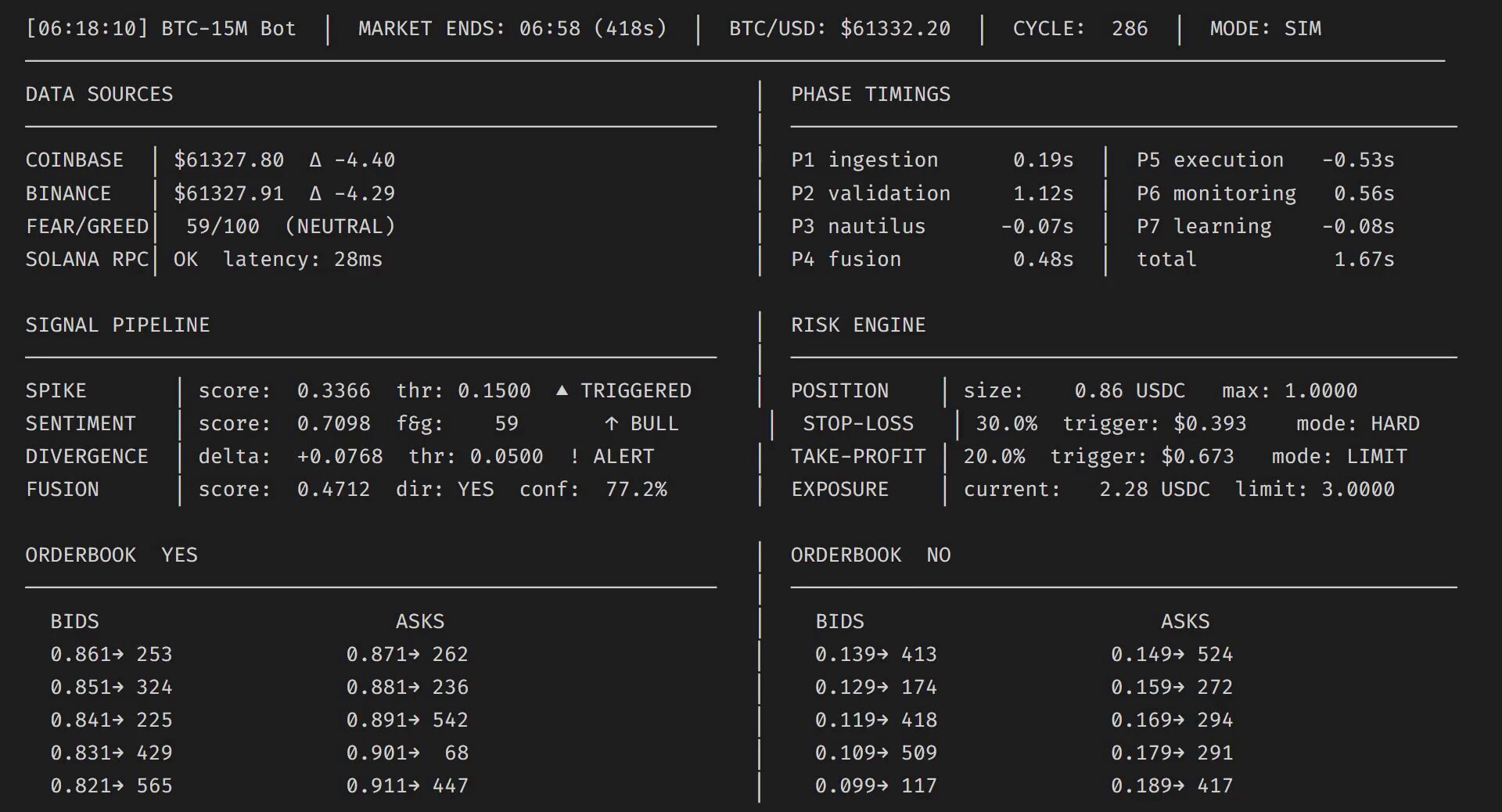
  • @AlterEgo_eth reviewed 40+ Polymarket GitHub repos and found only 4 worth studying, including a 7-phase BTC trading bot with Grafana monitoring and a self-learning engine that adjusts signal weights after every closed trade.
  • @mattpocockuk raised a relatable software craft question: when you realize you've been using the wrong name for something across your entire codebase, is it worth the refactor? His ClipSections should obviously be called Chapters. The DDD crowd had opinions.
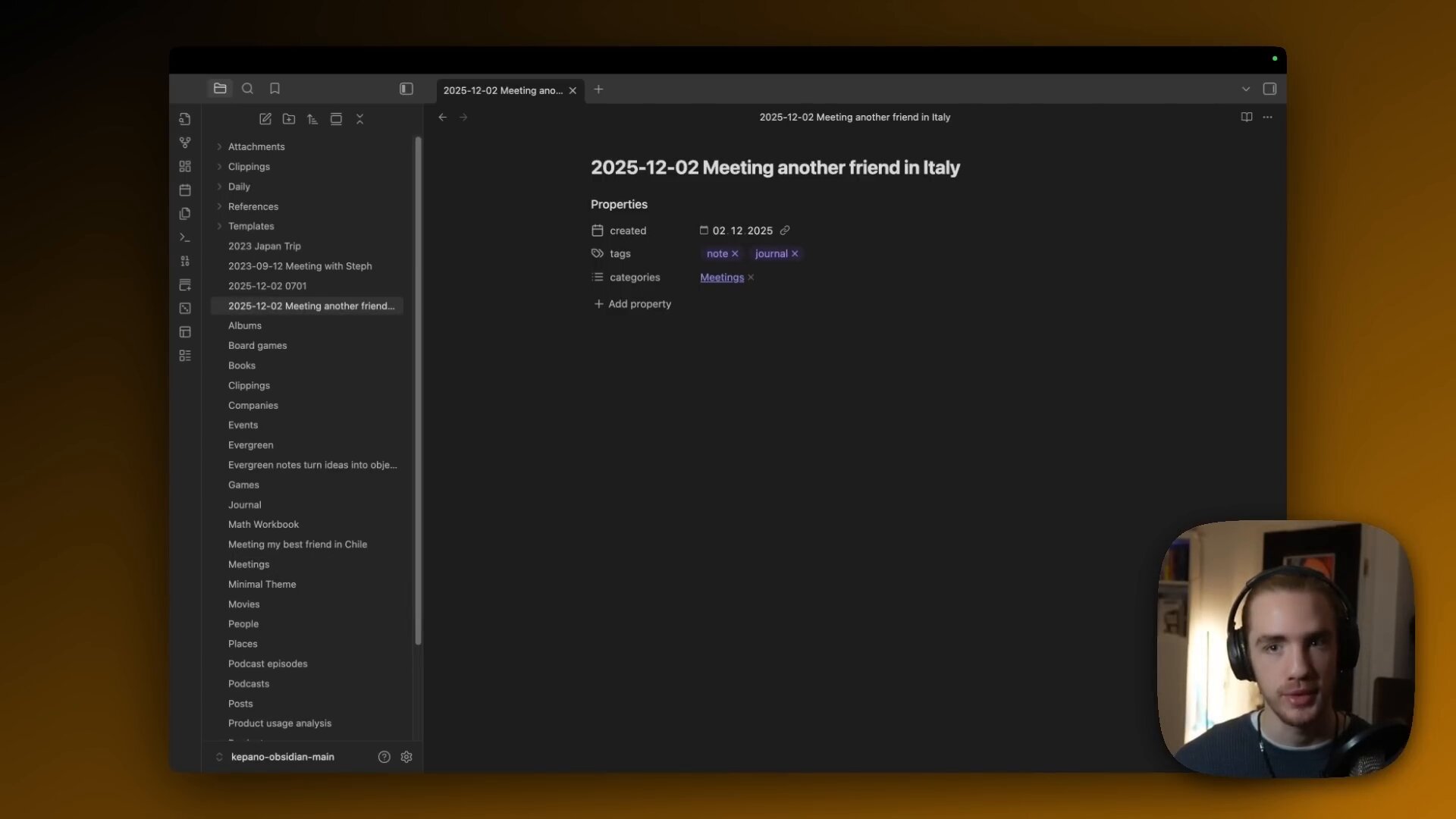
  • @rohit4verse shared how the founder of Obsidian actually takes notes: barely any folders, heavy internal linking, categories as properties on notes themselves. Most users overcomplicate it.

Claude as the New Business Operating System

Six posts today were united by a single theme: people aren't "using Claude" anymore. They're running their businesses on it. @milesdeutscher replaced his financial advisor with Claude, training it as a personal CFO using all his financial data and calling it "the best thing I've done for my finances in years." @shmidtqq pointed out that one Claude prompt does the same pre-mortem analysis McKinsey charges $50K for, in 20 minutes, for $20/month.

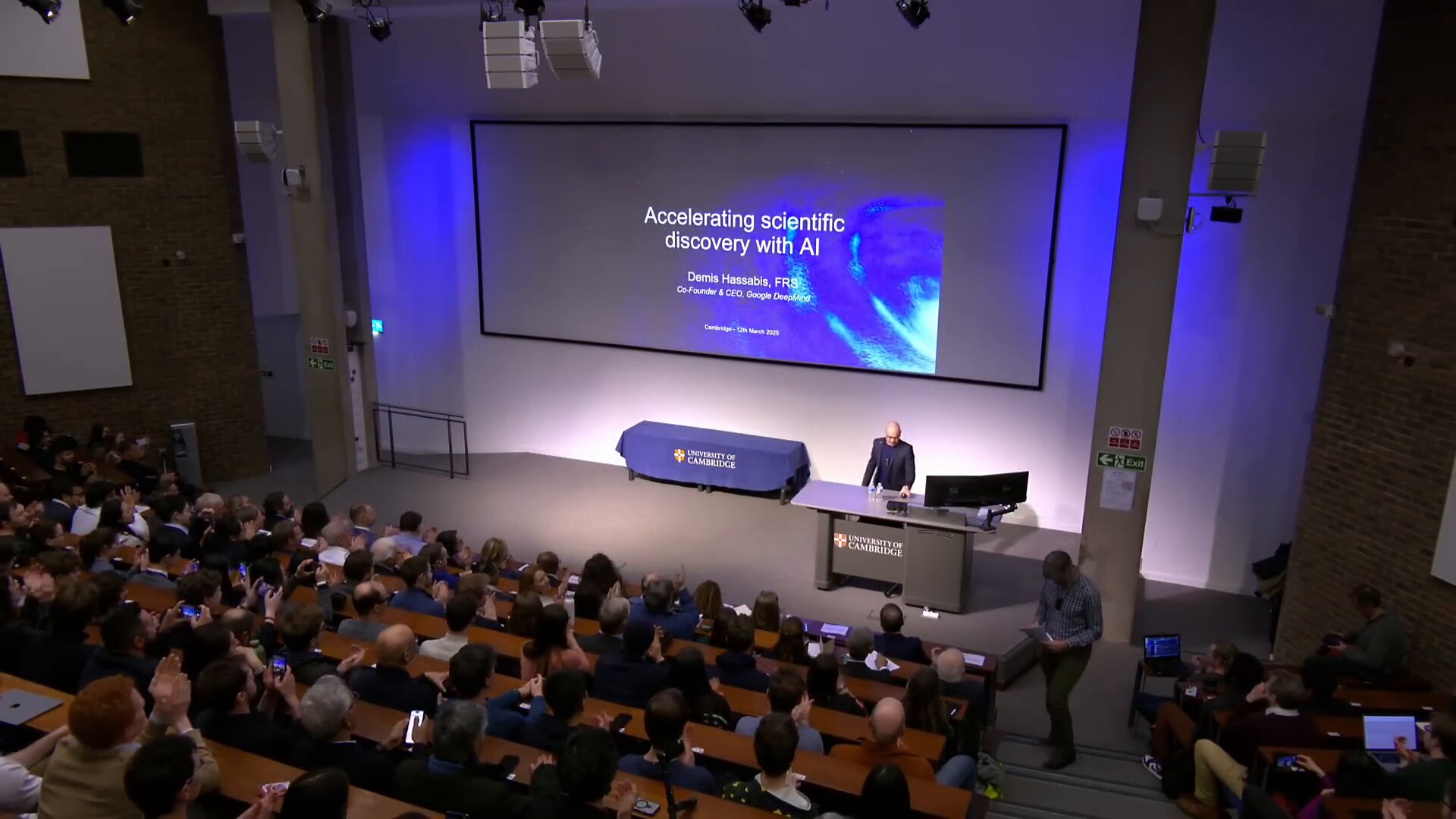
The shift from casual user to operator is the real story. @AnatoliKopadze distilled a Demis Hassabis Cambridge lecture into 18 steps for using Claude at full capacity, noting that "the average person opens Claude, types something, gets an answer, closes the tab" and thinks they're using AI at 10% capacity. @Jouhatsu_ai shared a similar awakening in French: using Claude for six months, feeling like something was missing, then watching a 6-hour training video and suddenly building websites, finding clients, and selling automations.

@Zephyr_hg framed the opportunity through Andrej Karpathy's timeline: it will take a decade for AI agents to fully replace workers, but that's not permission to wait. "Founders who start swapping roles in 2026 stack a decade of Claude-built systems by 2036." The math is straightforward. And @polydao crystallized the market signal: "the skill gap between $95K and $300K right now is Claude Opus agent architecture." Companies are paying premium salaries for engineers who can design agent systems, and most candidates don't know that free guides for this already exist.

What connects all of these is the realization that Claude's competitive advantage isn't reasoning ability alone. It's the ecosystem of workflows, prompts, and architectural patterns that have accreted around it. The model is commoditized. The orchestration is where the value lives.

The Agent Gold Rush: Business Models and Opportunities

@gregisenberg's 30-plus observation thread was the most substantive post of the day, reading like a business plan generator for 2026. His core thesis: the new buyer on the internet is an AI agent, and businesses without MCP servers are invisible to this buyer. He identified 30,000-plus franchise systems that need an agent layer, predicted a $50B+ category for managed AI agent businesses at $5K/month per client, and flagged upcoming "shadow agent" scandals where employees run personal agents on company infrastructure without IT's knowledge.

Several of his observations are already playing out. On zombie agents: "Right now there are probably millions of agents running on autopilot that their creators forgot about. Still burning tokens. Still sending emails. Still costing money." On pricing volatility: "Your margins can swing 40% overnight based on a decision made in San Francisco." On agent marketplaces: "A recruiter spent 6 months training a sourcing agent on healthcare hiring. That agent is worth renting to every other healthcare recruiter on earth."

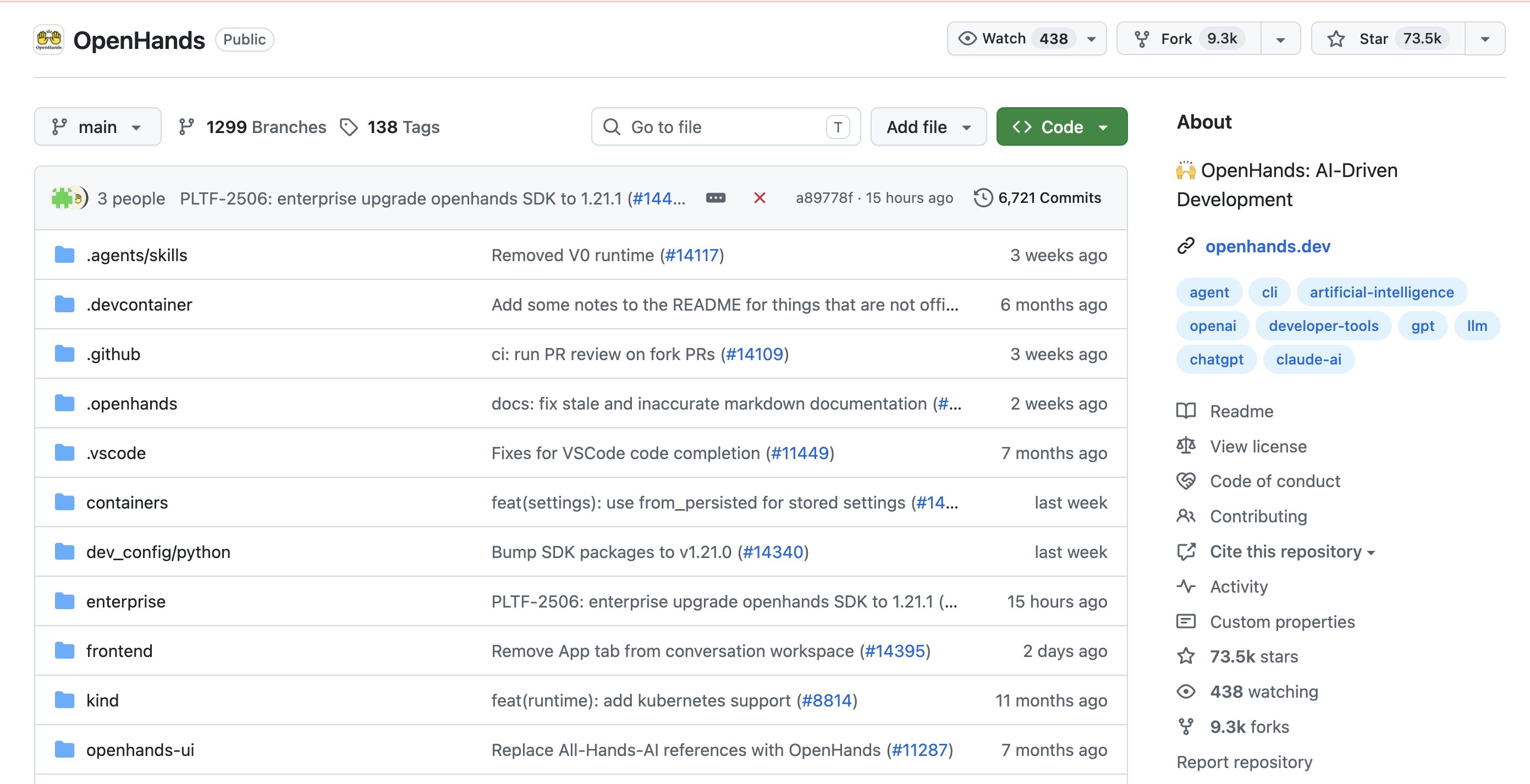
@DeRonin_ put theory into practice with a concrete startup blueprint: self-host OpenHands on a $20/month VPS, pick a vertical like dental practices or real estate brokerages, install relevant subagents and MCP servers, and charge $2-5K/month per client as "their AI engineering team." His framing is sharp: "open source is the new wholesale. The code is free. The orchestration is where the margin lives."

@backnotprop shared his evolving workflow for agent development, centered on establishing facts first. "The more I do with AI, the less patient I get, so I can't read a ton of markdown, but I can afford to read/verify simple lists of facts." The pattern: establish ground truth, let the agent refine a plan aligned to those facts, then execute.

On the security side, @IMJustinBrooke shared a prompt for hardening a Hermes Agent installation with UFW firewall, Fail2Ban, key-only SSH, and Caddy reverse proxy. @gregisenberg flagged this too: "most people's agents are running on their personal laptops" and "one compromised Chrome extension and your agent's API keys, customer data, and workflows are exposed."

Building and Customizing Agents

The tooling for building agents is maturing rapidly, and today's posts showed three distinct approaches. @0xMovez highlighted Google DeepMind's agent-first IDE demo, where agents plan, code, browse, and validate themselves in under 30 minutes. The emphasis on self-education and autonomous validation suggests Google is betting that the IDE of the future isn't a text editor. It's an agent runtime with a human supervisor.

@tonysimons_ focused on agent personality. His 170-line SOUL.md file gives his Hermes Agent a distinct personality that he claims is "better than most people I know in real life." The idea that agent customization is partly a creative writing exercise is underappreciated. As agents interact with customers and colleagues, their personality becomes part of the product.

@badlogicgames retweeted @davis7's Raspberry Pi coding agent setup, a reminder that agent infrastructure doesn't need to live in the cloud. The local-first agent movement is real, especially for developers who want control over their data and compute costs.

AI Reshaping Careers and Hiring

The career implications of the agent economy are materializing in concrete ways. @eng_khairallah1 relayed Andrej Karpathy's observation that "people who don't use LLMs are already losing," but drew a crucial distinction: "Not only the people who refuse AI, but also those who think signing up for Claude counts as using it." A $20/month autocomplete subscription isn't using AI. Building with it is.

@danbeksha shared his first 100 days at Ramp, framing onboarding as a baton pass in a relay race where both runners need to be at full speed. The AI-era twist: new employees have dramatically more powerful tools, but companies also expect dramatically more output sooner. @gregisenberg noted that "companies are starting to hire based on someone's agent portfolio instead of their resume. 'Show me 3 agents you built that are running right now.' It's REALLY early but it's starting."

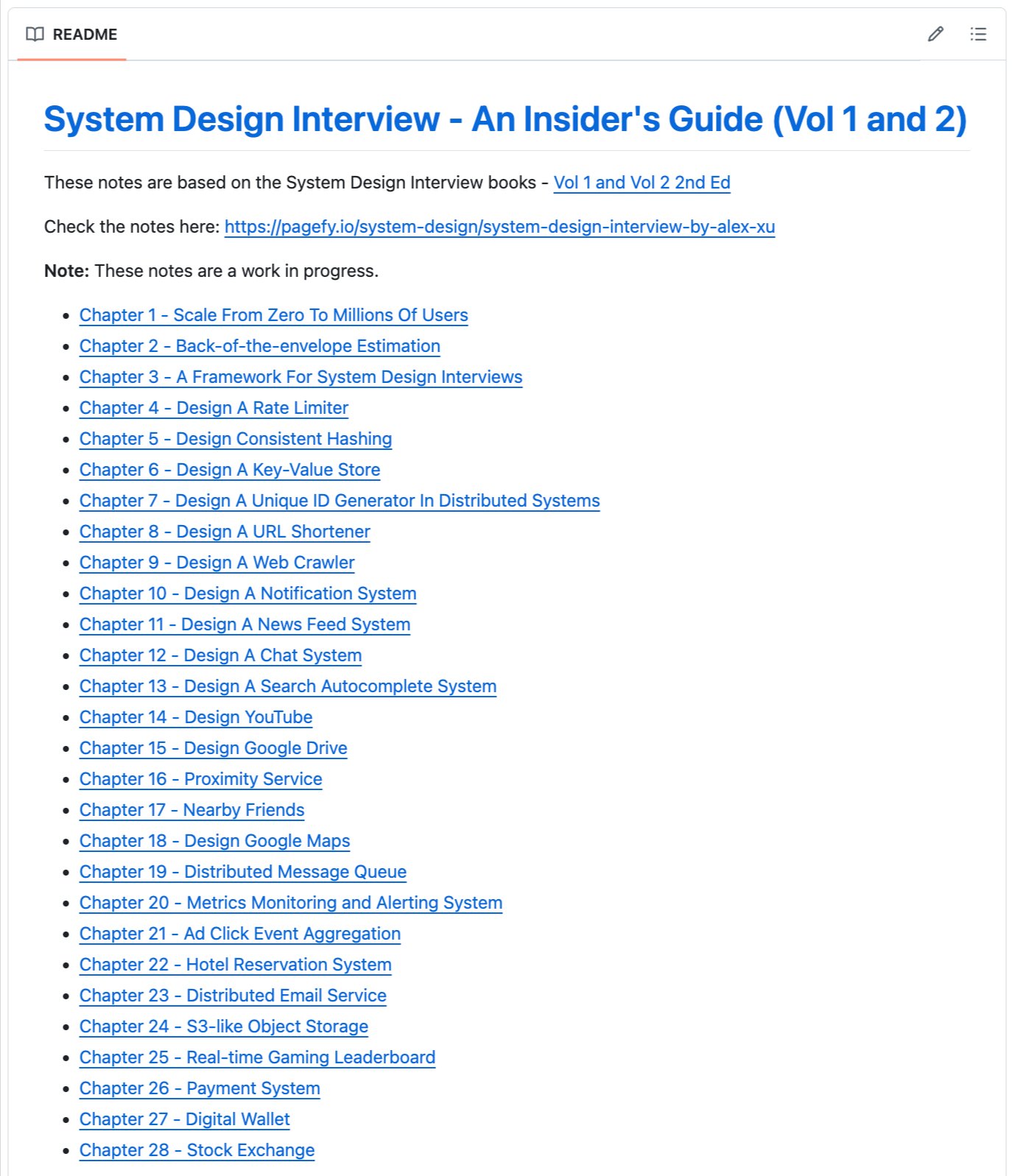
In the most practical career development post of the day, @heynavtoor documented how AWS engineer Gaurav Kumar created Pagefy, a free website covering all 28 chapters of Alex Xu's System Design Interview books with structured notes, diagrams, and source papers. With FAANG senior engineers making $312K and staff engineers making $457K, system design is the gatekeeper. This resource makes the $80 book accessible to anyone with a browser.

Enterprise Software's Intelligence Layer

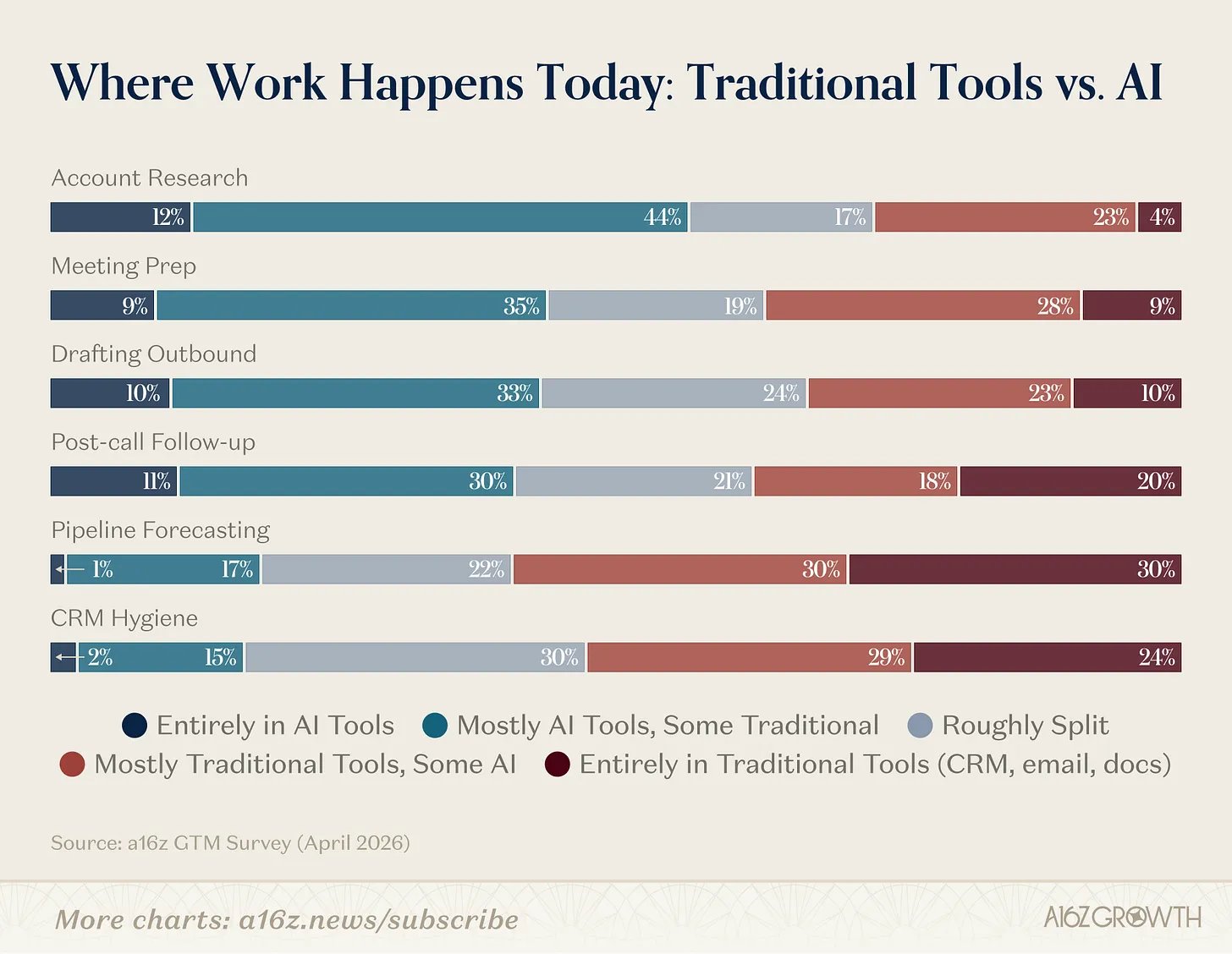
@a16z published a thesis that should shape how every developer thinks about enterprise software: the shift from "System of Record" to "System of Intelligence." Their argument is that the reasoning layer sitting above databases, the layer that pulls context, synthesizes information, and takes action, is where the next generation of companies will be built. The System of Record becomes something consumed primarily at the API layer, while the System of Intelligence becomes the user's one-stop shop for gaining context and acting on it.

This aligns neatly with @gregisenberg's observation that "we spent 2025-2026 arguing about which model is best while the entire value was in the orchestration layer." The enterprises that win won't be the ones with the best database. They'll be the ones with the best reasoning layer on top of it. For developers building in the enterprise space, the implication is clear: stop competing on data storage and start competing on intelligence delivery.

The Philosophy of Cheap Intelligence

Two posts today wrestled with the paradox of AI capability. @ashwingop's essay "Cheap Intelligence Makes Accountability Expensive" makes the counterintuitive case that better AI may not reduce the need for human judgment but multiply it. Once agents are useful, companies won't use them sparingly. They'll deploy them everywhere, and every deployment creates a new surface area for errors that humans need to supervise.

@glcst offered a complementary lens on software reliability: "If you have a small problem, you have a problem forever. If you have a big problem, soon, you have no problem." He's bullish on software reliability because AI has finally created a problem big enough to warrant serious investment in fixing it. The irony is that AI is both the source of the reliability crisis and the tool that might solve it.

Together these posts suggest a maturing view of AI's impact. The naive optimism of "AI will just handle everything" is giving way to a more nuanced understanding: cheap intelligence creates expensive accountability, and the humans who can bear that accountability are becoming the most valuable people in any organization. As @gregisenberg put it, "the most underrated asset a human can have in 2026: the ability to sit in a room with another human, make eye contact, and have a real conversation."

Sources
G
GREG ISENBERG @gregisenberg ·
My 30+ observations on the greatest opportunities in AI agents right now: And some ideas that are keeping me up at night. 1. The new buyer on the internet is an AI agent. Imagine billions of new customers showing up with money to spend but they only shop via MCP. That's what's happening. No MCP server means you're invisible to the fastest growing buyer on the internet. 2. Every franchise system in America (30,000+) needs an agent layer and none of them have one. One founder per franchise vertical. That's 30,000 businesses waiting. 3. Everyone said "distribution is the only moat" a year ago. Now I'd add that the only moat is distribution plus memory. The company that has your audience AND your agent's accumulated context is impossible to leave. 4. Consumer mobile is more interesting than it's been since 2012. Apps can finally DO things for you instead of showing you things. The next wave of $100M apps are being built right now. 5. The most interesting startup nobody has built is an agent marketplace where you rent access to someone else's trained agent. A recruiter spent 6 months training a sourcing agent on healthcare hiring. That agent is worth renting to every other healthcare recruiter on earth. The agent itself becomes the product. 6. A sorta strange phenomenon that's happening right now is agents are developing preferences. Give the same agent the same task 100 times and it starts developing patterns in how it approaches it. Nobody is studying this yet. But the agents that develop good patterns are worth more than the ones that don't. That's a new kind of asset. 7. Dead internet theory is about to become dead SaaS theory. Half the apps you use will quietly replace their support team, their onboarding team, and their content team with agents. You won't notice for months. Then you'll realize you haven't talked to a human at that company in a year. 8. The most valuable data in the world right now is sitting in the support tickets of small or mid tier SaaS companies. Every ticket is a customer telling you exactly what to build next. Mine this. 9. The most interesting pricing problem nobody has solved is how do you price a product when your costs change every time OpenAI or Anthropic updates their model pricing? Your margins can swing 40% overnight based on a decision made in San Francisco. The company that builds dynamic pricing infrastructure for agent-based businesses solves a problem every AI company has. 10. The best AI products feel like they're reading your mind. The worst ones feel like filling out a form with extra steps. 11. An interesting arbitrage I've noticed lately is hiring a human VA for $20/hour to supervise an AI agent that does $200/hour work. The human just checks the output. 12. The managed AI agent business is becoming the new agency model. $5k/month per client. You build it, run it, maintain it. The client gets a digital employee they never have to think about. This will be a $50 B+ category. 13. The first "shadow agent" scandals are about to drop. Employees running personal agents on company infrastructure without telling anyone. Using company API keys. Agents accessing internal docs. IT departments have little visibility into this right now. Lots of opportunity to build companies here. Definitely a painkiller not a vitamin type of business. 14. Right now there are probably millions of agents running on autopilot that their creators forgot about. Still burning tokens. Still sending emails. Still scraping websites. Still costing money. The "find and kill your zombie agents" tool is a product that writes itself. 15. Companies are starting to hire based on someone's agent portfolio instead of their resume. "Show me 3 agents you built that are running right now." It's REALLY early but it's starting. 16. Your Slack archive is a product. Every company's internal Slack has thousands of messages explaining how they actually do things. The company that lets you point an agent at your Slack history and auto-generate SOPs and agents from it will be enormous. 17. We're watching the cost of intelligence fall faster than the cost of distribution. Which means distribution is now the expensive thing. 18. The most underrated asset a human can have in 2026: the ability to sit in a room with another human, make eye contact, and have a real conversation. As AI handles more of the transactional stuff, the humans who can do the relational stuff become disproportionately valuable. The soft skills people used to dismiss as fluffy are becoming the hard skills. The hard skills people spent decades acquiring are becoming the soft ones. 19. There are MANY huge companies to be built around the fact that most people's agents are running on their personal laptops which they also use to browse the internet, check email, and download random files. The attack surface is enormous. One compromised Chrome extension and your agent's API keys, customer data, and workflows are exposed. 20. There's a new type of burnout forming that doesn't have a name. It's not from working too hard. It's from context switching between human work and agent work 50 times a day. Reviewing agent output, correcting it, approving it, reviewing again. The mental load of supervising agents is different from the mental load of doing the work yourself. Some founders are telling me they were less tired when they did everything manually because at least the cognitive pattern was consistent. 21. The cheapest form of market research: search "[your industry] spreadsheet template" on Google. Whatever people are tracking manually is your product. 22. Half the YC companies pivoted within 8 weeks of demo day. Not because they failed. Because agents let them test 5 ideas in the time it used to take to test one. The concept of "committing to an idea" is dissolving. Serial pivoting is becoming the default because 1) AI lets you move fast 2) the world is moving fast. 23. The loneliest job in tech right now is being the only person at your company who understands what the agents are doing. You can't explain it to your boss. You can't hand it off to a colleague. If you leave, everything breaks. You've become a single point of failure for an entire automated system. That person needs a title, a team, and a backup plan. Most companies haven't figured this out yet. 24. Your browser history is the most valuable training data you own and you're giving it away for free. Every site you visit, every product you research, every competitor you study, every pricing page you screenshot. That behavioral data, structured and fed to an agent, would make it understand your business better than any onboarding call. The company that lets you turn your browser history into agent context builds something nobody can replicate. 25. Everyone is building AI wrappers. Nobody is building AI unwrappers. The tool that takes an AI-generated document and tells you which parts a human wrote and which parts were generated. 26. Stripe just became the most important company in the agent economy and they barely had to do anything. Every agent that sells something needs Stripe. Every agent that buys something needs Stripe. They're the payment rail for the entire agentic internet by default. 27. The most undervalued API in the world right now is the US Postal Service address verification API. It's practically free. Every local business lead gen agent needs it. Every real estate agent needs it. Every direct mail agent needs it. Boring government infrastructure is quietly becoming the backbone of agent-native businesses. 28. The concept of "business hours" is for humans. Your agent closed a deal in Tokyo at 3am, processed the payment, sent the onboarding email, and updated the CRM before your alarm went off. 29. What happens when agents start recommending other agents? Your research agent finds that a competitor's sales agent is better and suggests you switch. Agent referral networks are forming organically. The first agent affiliate program is probably 6 months away. 30. Cal dotcom closed their source code. That's the canary. When open source companies start closing up, it means agents were cloning their product too easily. Every open source company is quietly asking the same question right now. 31. "AI for pet groomers" sounds like a joke and that's exactly why it will work. 150,000 of them in America. Zero tech. All scheduling by phone or IG DMs. The joke ideas always win. 32. The thing that will seem most obvious in hindsight: we spent 2025-2026 arguing about which model is best while the entire value was in the orchestration layer. The model is the CPU. Nobody buys a computer based on the CPU anymore. They buy it based on what they can do with it. Makes so much sense in hindsight. What else will be obvious in hindsight? I'll share more notes soon. I can't sleep with all that's going on. Maybe you too. What an incredible time to be building.
R
Rohit @rohit4verse ·
this is how the founder of obsidian actually takes notes in his own app. most users get this wrong. barely any folders. heavy internal linking. categories live as properties on the note itself. article below teaches how to build personal knowledge base. video above is the underrated masterclass.
C cyrilXBT @cyrilXBT

How to Build an Obsidian Vault That Runs Your Entire Business While You Sleep - (Full Course)
N
Nav Toor @heynavtoor ·
Alex Xu's System Design Interview is the most recommended book in tech hiring. Volume 1: $39.99 on Amazon. Volume 2: $40.00 on Amazon. Both together: $79.99. Thousands of engineers have bought them. Millions have been told to buy them. Every tech interview prep list on the internet includes these two books. In December 2024, one engineer at AWS read both volumes cover to cover. His name is Gaurav Kumar. CS grad from USC. Day job at Amazon Web Services. He goes by liquidslr on GitHub. He took notes on every single chapter. Organized them by topic. Linked every section to the original research papers from Amazon, Google, and Discord. Then he pushed the whole thing to GitHub for free. Then he built a free website to read them on. He named it Pagefy. Every chapter. Every diagram concept. Every system. Free. Forever. Here is what is inside: → Chapter 1: Scale From Zero To Millions Of Users → Chapter 2: Back-of-the-Envelope Estimation → Chapter 3: A Framework For System Design Interviews → Chapter 4: Design A Rate Limiter → Chapter 5: Design Consistent Hashing → Chapter 6: Design A Key-Value Store → Chapter 7: Design A Unique ID Generator In Distributed Systems → Chapter 8: Design A URL Shortener → Chapter 9: Design A Web Crawler → Chapter 10: Design A Notification System → Chapter 11: Design A News Feed System → Chapter 12: Design A Chat System → Chapter 13: Design A Search Autocomplete System → Chapter 14: Design YouTube → Chapter 15: Design Google Drive → Chapter 16: Proximity Service And that is Volume 1. Volume 2 continues: → Nearby Friends → Google Maps → Distributed Message Queue → Metrics Monitoring and Alerting System → Ad Click Event Aggregation → Hotel Reservation System → Distributed Email Service → S3-like Object Storage → Real-Time Gaming Leaderboard → Payment System → Digital Wallet → Stock Exchange Here is why this matters: Every FAANG company asks system design questions. Google. Amazon. Meta. Microsoft. Apple. Netflix. Uber. Airbnb. Stripe. The median software engineer at these companies makes $226,000. Senior makes $312,000. Staff makes $457,000. The interview that stands between you and that salary is system design. The book that everyone says to read costs $79.99. The official video course on ByteByteGo costs $499 for lifetime or $189 a year. Hello Interview charges $279 lifetime. Educative charges $59 a month. These notes cover the same 28 chapters as the books. For $0. Not a summary. Not a cheatsheet. Structured notes with diagrams, key concepts, and source papers for every chapter of both volumes. Browse them as a website at https://t.co/dJGyoX8MBH. Search any topic. Jump to any chapter at 1 AM the night before the interview. 5,555 stars. 1,059 forks. One AWS engineer on his own time. One honest flag: there is no LICENSE file on the repo. These are study notes summarizing a copyrighted book. If you can afford $79.99, buy the books. Alex Xu deserves the royalty. These notes are for the night before, when you already read the book and forgot half of it. One engineer. Two books. Twenty eight chapters. Free on GitHub. The book teaches you the answers. This repo helps you remember them.
K
Khairallah AL-Awady @eng_khairallah1 ·
Andrej Karpathy just said the people who don't use LLMs are already losing. he spent 4 minutes explaining why smart people are still going to fall behind. Not only the people who refuse AI, but also those who think signing up for Claude counts as using it. here's what it looks like for most people right now: > ask Claude to rewrite an email > ask Claude to summarize something > close the tab that's not using AI. that's a $20/month autocomplete subscription. Karpathy's real point isn't that AI is powerful. everyone knows that by now. his point is that the actual skill gap is building with it. and almost nobody is. and here's the part nobody wants to hear: they're doing it with zero coding experience. no Python. no APIs. no CS degree. just the right framework and the right prompts. the article below covers how to build your first AI agent from scratch. not theory. not "top 10 tools." an actual step-by-step system you can finish this weekend. the model was never the bottleneck. knowing what to build with it is.
E eng_khairallah1 @eng_khairallah1

How to Build Your First AI Agent With Zero Coding Experience (Full Course)
R
Ronin @DeRonin_ ·
startup idea for you use OpenHands (75k+ github stars) + 131 free subagents to sell a "done-for-you AI engineering team" to SMBs that need custom software what's OpenHands? open-source agent runtime that runs Claude/GPT as actual software engineers. they read your codebase, edit files, run tests, open PRs idea: 1. self-host OpenHands on a $20/mo VPS. claude code walks you through setup in an afternoon 2. pick one niche. real estate brokerages, dental practices, law firms, marketing agencies. SMBs that need custom software but can't afford a developer 3. wrap it in their language. "your AI engineering team for dental practices" not "an OpenHands instance with 131 subagents." 4. install the relevant subagents from VoltAgent. crm-specialist for real estate, hipaa-auditor for healthcare, document-automation for law firms 5. plug in MCP servers from the 14k+ available. GitHub, Stripe, Twilio, Postgres, Calendly. now your AI team can ship, deploy, integrate, and notify 6. charge $2,000-5,000/month per client. nothing compared to a $15k/mo dev shop or a $25k/mo junior hire. you're 5x cheaper and the work doesn't stop overnight 7. build one landing page. one onboarding call. record the AGENTS.md setup once. the rest is supervision 8. become the "AI engineering team for [niche]" person on X, LinkedIn, YouTube. share what your agents shipped this week. case studies sell themselves 9. reinvest profits into vertical-specific agents. a "patient-intake-automator" for dental. a "lease-document-generator" for real estate. now you own the vertical these businesses KNOW they need custom software. they hate hiring developers. they will never find OpenHands on github. they will google "outsource my software development." that's you open source is the new wholesale. the code is free. the orchestration is where the margin lives one person can do this. two-person team scales to $50k/mo. you don't need funding. you don't need an office. you need a laptop, a niche, and the willingness to start someone is going to do this. might as well be you p.s. repo into the article below
N noisyb0y1 @noisyb0y1

From one chatbot to an AI team of 131 specialists, 14,000 tools and $15,000 a month

G
Glauber Costa @glcst ·
If you have a small problem, you have a problem forever. If you have a big problem, soon, you have no problem. A friend told me this 15 years ago. And it is relevant now. I am very bullish for the future of software reliability. We finally have a problem big enough to fix.
G glcst @glcst

My contrarian position on software quality
A
Alter Ego @AlterEgo_eth ·
I went through 40+ Polymarket GitHub Repositories Looking For Production-Ready Code Most of them were incomplete, outdated or pure trash Only 4 stood out with actually usable, well-structured architecture worth studying 1. Polymarket/agent-skills - official, actively maintained Not a bot, but the cleanest connector reference Polymarket has published: separate modules for auth, market-data, order-patterns, WebSocket, CTF operations, and gasless transactions. Each layer is isolated and documented with typed examples in both Python and TypeScript What to steal: the module boundary design Repo: https://t.co/LdPA6VdIQt 2. MrFadiAi/Polymarket-bot - 4 strategies in one (Smart Money copy, DipArb, arbitrage, manual) The Smart Money filter is the standout: traders only qualify at ≥60% win rate + ≥1.5x profit factor, with whale detection to exclude lucky one-hit wonders. Hard stop at 40% total drawdown What to steal: the trader qualification logic Repo: https://t.co/SJCYD7HvMz 3. warproxxx/poly-maker - market maker configured via Google Sheets, with a poly_merger module for consolidating positions to cut gas fees. The author states clearly in the README: the bot is not profitable today due to competition - do not deploy as-is. What to steal: poly_merger as a standalone utility Repo: https://t.co/ZisJ6rwMfY 4. aulekator/Polymarket-BTC-15-Minute-Trading-Bot - 7-phase architecture with Binance WebSocket for data ingestion, a dedicated risk_engine.py for position sizing and stop-loss, and a pre-built Grafana + Prometheus monitoring stack. Most bots ship with zero observability - this one doesn't. What to steal: the service structure and monitoring setup Repo: https://t.co/UGPXXXOABt Don't clone these to deploy. Read them to understand how the problem gets decomposed - then build your own
A AlterEgo_eth @AlterEgo_eth

The most serious open-source bot for Polymarket's 15-minute BTC UP/DOWN markets (75% win rate in simulation) Breaking down aulekator/Polymarket-BTC-15-Minute-Trading-Bot - a true 7-phase system with self-learning Unlike most single-layer bots that trade off one indicator, this repo is built as a real system Here's how it works from the inside: Phase 1: Data sources The bot pulls data simultaneously from multiple sources: • Binance WebSocket • Coinbase REST API • Fear & Greed Index • Social signals Every source passes through validation and a rate limiter before entering the processing pipeline Phases 2–4: Signal processing Three independent processors: • Spike Detector (sharp price movements) • Sentiment Analyzer (market mood) • Price Divergence (spread between exchanges) Each processor generates an independent signal The Fusion Engine combines them through weighted voting - each signal carries its own weight Phase 5: Execution and risk management Hard defaults out of the box: • $1 maximum per trade • 30% stop loss • 20% take profit Everything is configurable via .env - no need to touch the code. SL/TP, exposure limits, position sizing - all handled in a separate risk_engine.py Phase 6: Monitoring Grafana dashboard with a ready-made dashboard.json - imports in one click Prometheus metrics exported in real time.Switch between simulation and live mode via Redis - no bot restart required Phase 7: Self-Learning After every closed trade, learning_engine adjusts signal weights based on real performance The longer it runs - the smarter it gets under current market conditions Practical notes: • Test mode: trades every minute • Live mode: every 15 minutes • Auto WebSocket reconnect • Minimum capital: $10–20 Author is transparent: ~75% win rate in simulation, but past results ≠ future results GitHub: https://t.co/UGPXXXOABt

J
Justin Brooke ❤️‍🔥 @IMJustinBrooke ·
This is the prompt I used to make sure my Hermes install wasn’t an “easy hack” like most people’s setups… 👇👇
A agentskills_ai @agentskills_ai

Here's how to lock down Hermes Agent so tight it makes OpenClaw 🦞 look like a screen door. You don’t even have to do anything, just give Hermes this prompt once installed… THE PROMPT: --- You are a cybersecurity hardening assistant. Audit my Hermes Agent installation and ensure the following are in place: 1. UFW firewall on the correct ports. 2. Fail2Ban installed and active on SSH + nginx 3. SSH configured: key-only, no root login, PasswordAuthentication no 4. Caddy reverse proxy with auto-HTTPS and BasicAuth on the Hermes gateway endpoint 5. Unattended-upgrades enabled for security patches 6. All Hermes systemd services set to restart on crash For each step show me the status, fix it, and flag anything that's not compliant. Make sure I’m still able to login on my own devices, don’t lock ME out. --- The result? Your agent has its own hardened server. Isolated profiles. Caddy auth gate. Auto-restart on crash. Zero-touch patching. While everyone else is praying nobody finds their exposed port 3100 you're running a production-grade AI stack. Let me explain what these do… 🔥 UFW Firewall → Think of this as the bouncer at the door. Only lets in people on the list. Everyone else gets turned away before they even knock. → Port 22 (SSH only) + 80/443 (web) → Deny everything else. Hard stop. 🚫 Fail2Ban → If someone tries the wrong password too many times, it permanently bans their IP. Like a nightclub that blacklists you for life after 3 failed attempts. → Auto-ban on brute force → Active monitoring on nginx jail 🔐 SSH Hardened → Instead of a password to get in, you need a physical key — one that only exists on YOUR device. Even if someone knows your password, they can't get in. → Key-only auth. Zero passwords. → Root login OFF → sshd_config locked 🌐 Caddy Reverse Proxy → This is the encrypted tunnel between the internet and your agent. Every connection is HTTPS — no one can eavesdrop on the traffic. Plus there's a login gate before anyone even sees your agent. → Auto-HTTPS on every endpoint → Basic auth gate in front of your agent 🔄 Auto Security Updates → Your server patches itself automatically. Like having a maintenance crew that shows up overnight so you wake up with everything already fixed. → Unattended upgrades ON → Zero-touch patching I sleep well at night knowing my setup isn’t the easy hack. Nothing is “unhackable” but like having a bike lock, thieves tend to move on to easy targets. Point your Hermes at this post and YOU won’t be the easy target anymore. Bookmark this so you don’t lose this information when the app refreshes. Follow @agentskills_ai for more high utility agent building guides.

M
Movez @0xMovez ·
Head of Google Antigravity just showed their flagman agent-first IDE in action under 30-mins 25-minutes. free. by Google Deepmind team he revealed live how agents can plan + code + browse + validate themselves, and self-educate. bookmark this & give it 30 minutes today. Then read the article below.
H hooeem @hooeem

you should be NotebookLM maxxing.

M
Mr. Buzzoni @polydao ·
the skill gap between $95K and $300K right now is Claude Opus agent architecture this 2-hour guide closes that gap companies are paying $150K-300K/year for engineers who know this most of them have no idea this guide exists watch it. build it. charge for it https://t.co/Ide6ssOCxF
A AnatoliKopadze @AnatoliKopadze

How to Actually Use Claude. 18 steps that unlock 100% of its potential
A
a16z @a16z ·
From "System of Record" to "System of Intelligence" In the next decade, you want to own the system of intelligence that pulls from the system of record, becomes the user’s one-stop shop for gaining context and taking action, and turns the SoR into something that’s primarily consumed at the API layer. The reasoning layer that sits above the database is where a new generation of companies is being built, and it’s where the majority of the next decade’s enterprise value of GTM software will end up. Full piece from a16z's Gio Ahern, Steph Zhang, and Alex Immerman: https://t.co/2udG6l6SSx
S steph_zhang @steph_zhang

From “System of Record” to “System of Intelligence”
A
Anatoli Kopadze @AnatoliKopadze ·
Demis Hassabis: "In the near future, one person who knows AI will outperform an entire startup team" I've watched hundreds of AI talks, this 60-minute Cambridge lecture is the one I wish I had seen a year ago this is the Nobel Prize winner in Chemistry, CEO of Google DeepMind and the guy who made AI solve biology here's the part I can't stop thinking about: > the AI you're using today is the dumbest it will ever be > in 5 years the gap between people using AI and people who aren't will be impossible to hide > companies will run on 10 people doing what 200 used to do > the ones who get there first won't be the smartest, they'll be the ones who started right now right now the average person opens Claude, types something, gets an answer, closes the tab they think they're using AI, but they're using maybe 10% of it I turned his lecture into 18 steps to actually use Claude the way it was designed, copy-paste prompts included full guide in the post below.
A AnatoliKopadze @AnatoliKopadze

How to Actually Use Claude. 18 steps that unlock 100% of its potential

A
Ashwin Gopinath @ashwingop ·
Cheap Intelligence Makes Accountability Expensive
D
Dan Beksha @danbeksha ·
Onboarding in the AI Era: My First 100 Days at Ramp
J
Jouhatsu | AI Influence Operator @Jouhatsu_ai ·
- Utiliser Claude pendant 6 mois - Avoir l'impression de passer à côté de quelque chose - Voir que tout le monde obtient de meilleurs résultats - Regarder la vidéo de 6 heures - Premières 32 minutes - Réaliser que je l'utilisais complètement mal - 6 heures plus tard - Tout change - Je crée des sites web et des workflows avec Claude - J'arrive à trouver des clients - Et à vendre des automatisations et des sites web grâce à Claude - Il y avait tout un système derrière ça ? - Problème de skill découvert
J Jouhatsu_ai @Jouhatsu_ai

Formation complète Claude Code 6 HEURES. La formation Claude la plus complète d'internet. Gardez-la précieusement en Signet 🔖 de A à Z : configuration, création de workflows, déploiement de sites web, création d'équipes d'agents, automatisation du navigateur, recherche de clients et tarification de vos services. Le tout sans écrire une seule ligne de code. À la fin : vous utilisez Claude Code comme un pro et vous monétisez vos compétences. Débutant ou avancé, tout est là en un seul endroit, ce cours couvre tout. Ça vaut plus que tous les cours à 500$ que t’as failli acheter.

T
Tony Simons @tonysimons_ ·
My Hermes Agent’s personality is better than most people I know in real life. Here’s how I made the coolest agent on the block with one single markdown file. 👇
T tonysimons_ @tonysimons_

The 170-Line SOUL.md That Made My Hermes Agent Dangerous

S
shmidt @shmidtqq ·
> McKinsey charges $50K for a Pre-Mortem session > Prompt 15 does the same thing > in 20 minutes > for $20/month https://t.co/upuMqK8hlU
D doublenickk @doublenickk

20 Claude Code prompts I never shared with anyone

M
Michael Ramos @backnotprop ·
The more i use `/goal` the more I want to ensure the model gets simple facts right up front. So I use a version of @mattpocockuk grill-me focused on @Everlier's methodology around facts. Facts allow me to describe very clear requirements for a feature or system. & Not always that technical. The more I do with AI, the less patient I get, so I can't read a ton of markdown, but I can afford to read/verify simple lists of facts. Once facts are established i let the agent refine a plan for itself (every decision aligned to those facts) so it can figure out order of operations. have been having a lot of fun with this process. composition by @editframe
M
Miles Deutscher @milesdeutscher ·
I replaced my financial advisor with Claude - and no, that's not clickbait. Claude now operates as my personal CFO - and it's the best thing I've done for my finances in years. It's trained like a McKinsey-level analyst, using all my financial data. Steal the full setup:
M milesdeutscher @milesdeutscher

I Turned Claude Into My Personal CFO (step-by-step guide)
Z
Zephyr @Zephyr_hg ·
ANDREJ KARPATHY: "it will take about a decade to work through all of these issues before AI agents fully replace workers." That's not "you have time." That's a 10-year window to be early. Founders who start swapping roles in 2026 stack a decade of Claude-built systems by 2036. Founders who wait pay $180K a year per hire while early movers stack the savings. Bookmark this for the next time someone says the agent revolution is too far off to act on. The article below names the first three roles to swap, with the exact Claude setup for each.
Z Zephyr_hg @Zephyr_hg

Replace Your First 3 Hires With Claude. The Setup That Runs $180K Of Work Per Year.

T
Trung Phan @TrungTPhan ·
a reboot of The Office with Claude as an employee would single-handedly be worth $2T in capex, a 3x in electricity bill and 20x increase in DRAM prices
M mom_agency_ @mom_agency_

Claude's first day at Dunder Mifflin https://t.co/tnEjQSLq6v

M
Matt Pocock @mattpocockuk ·
One painful thing about /grill-with-docs (and shared language in general) is the moment you realise you've been using the wrong word for something DDD-folks, do you ever do a refactor just to change the name of something throughout the codebase? In my case, it's a feature in my video where I break the video into sections. I call them ClipSections, but OBVIOUSLY they should be called Chapters. This is yet more obvious now I'm integrating with other tools, all of which call them chapters. Worth a refactor?
M
Mario Zechner @badlogicgames ·
RT @davis7: I've spent a lot of time customizing my Pi setup It's quickly become my favorite coding agent, u just need to make it yours M…