AI Coding Skills Emerge as the New Dev Workflow While a16z Pushes Back on Job Apocalypse Narrative
Today's discourse centered on the rise of custom AI "skills" as a new paradigm for developer workflows, with Matt Pocock and others demonstrating how structured prompts are replacing traditional tooling. Meanwhile, a16z published data challenging the AI job displacement narrative, and CopilotKit shipped an open-source implementation of Claude Artifacts-style generative UI.
Daily Wrap-Up
The developer conversation is shifting in a fascinating direction. Rather than debating whether AI will replace programmers, today's most active voices are deep in the weeds of how to structure AI-assisted work. Matt Pocock's "grill me" and "/review" skills, the /goal command pattern, and yacineMTB's experience of leaving a prompt running while at the park all point to the same emerging reality: the bottleneck isn't the AI's capability anymore, it's the developer's ability to decompose and specify work clearly. We're watching a new craft emerge in real time, one where "prompt architecture" isn't a buzzword but an actual daily practice that determines throughput.
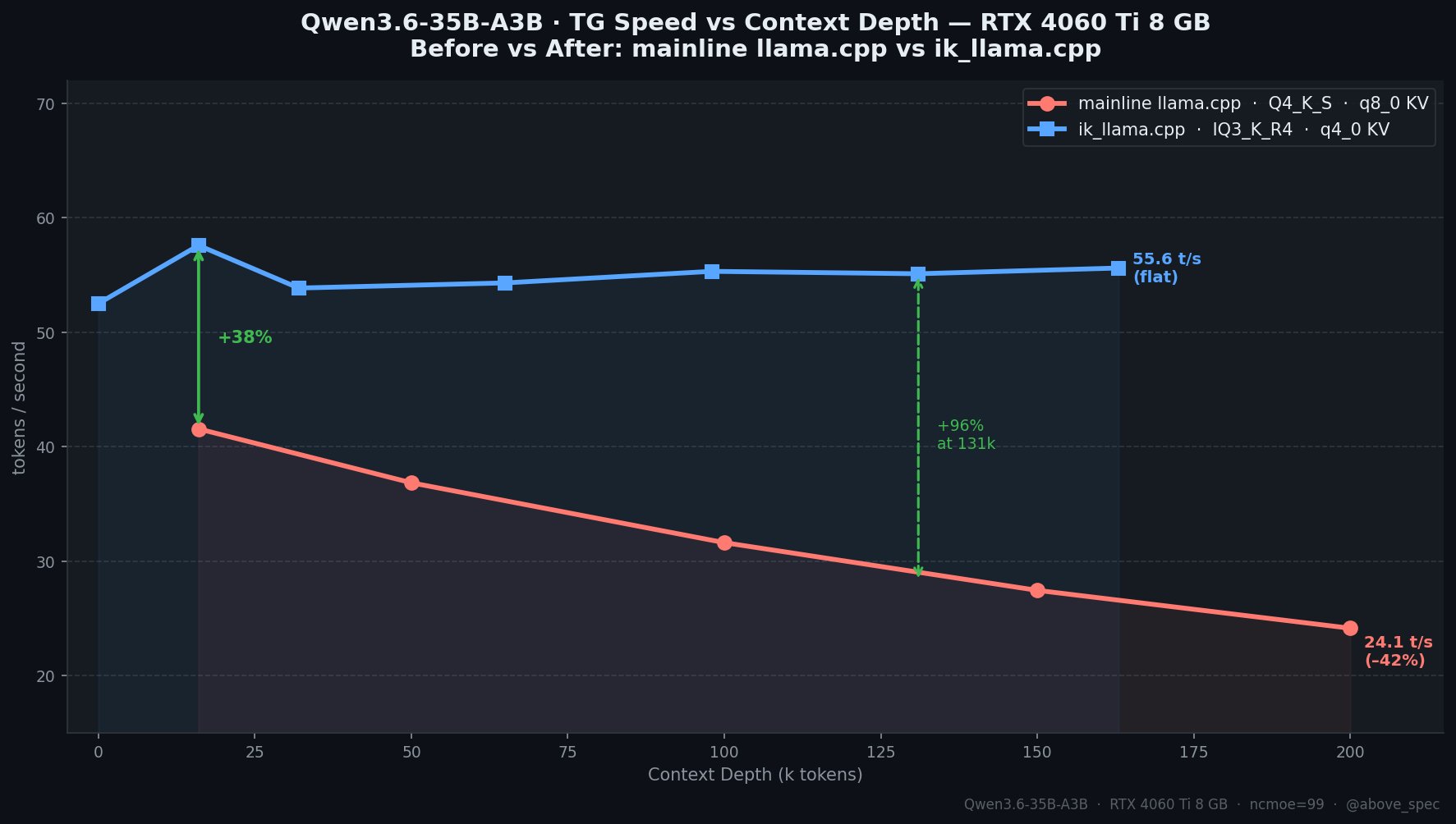
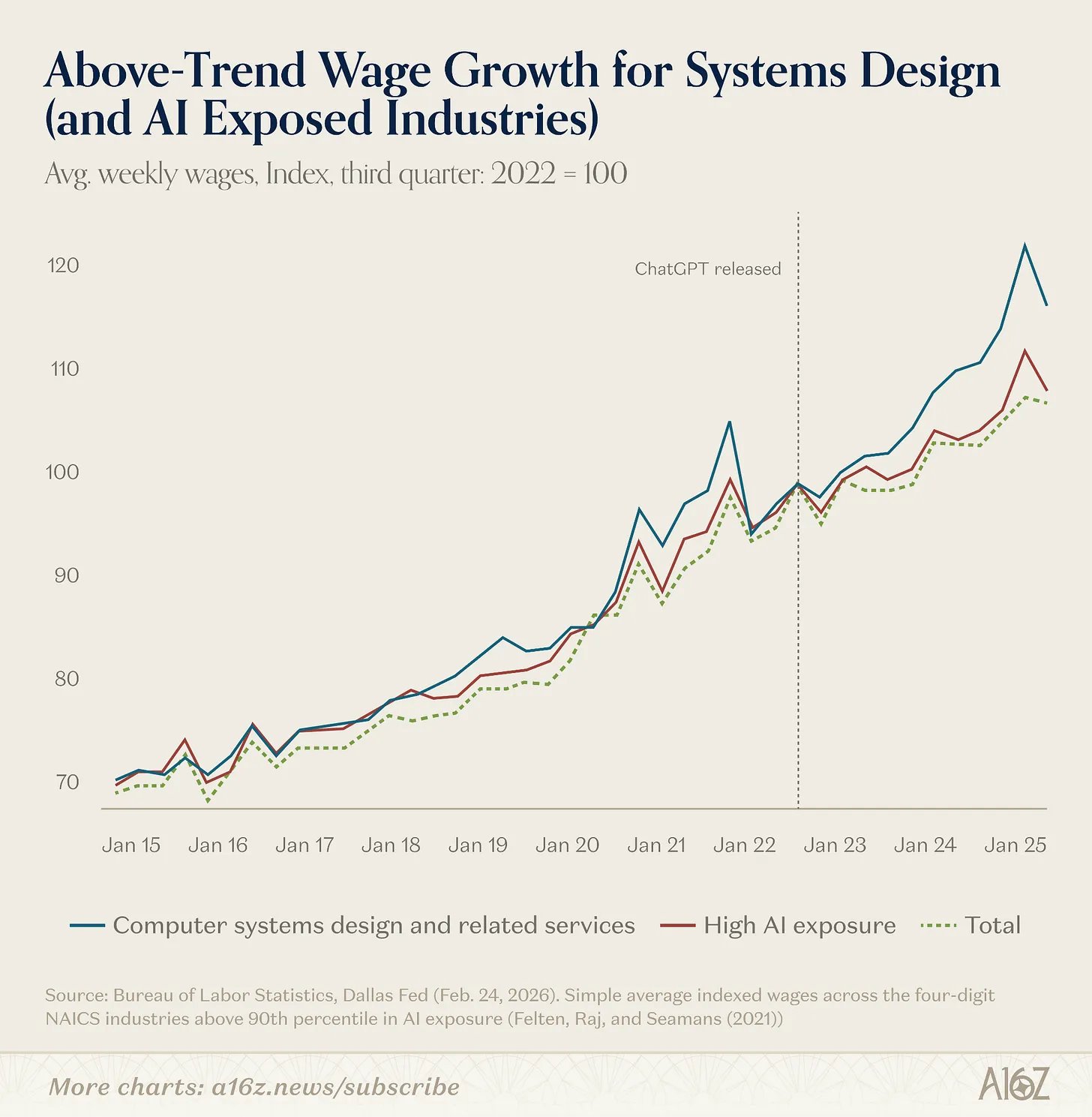
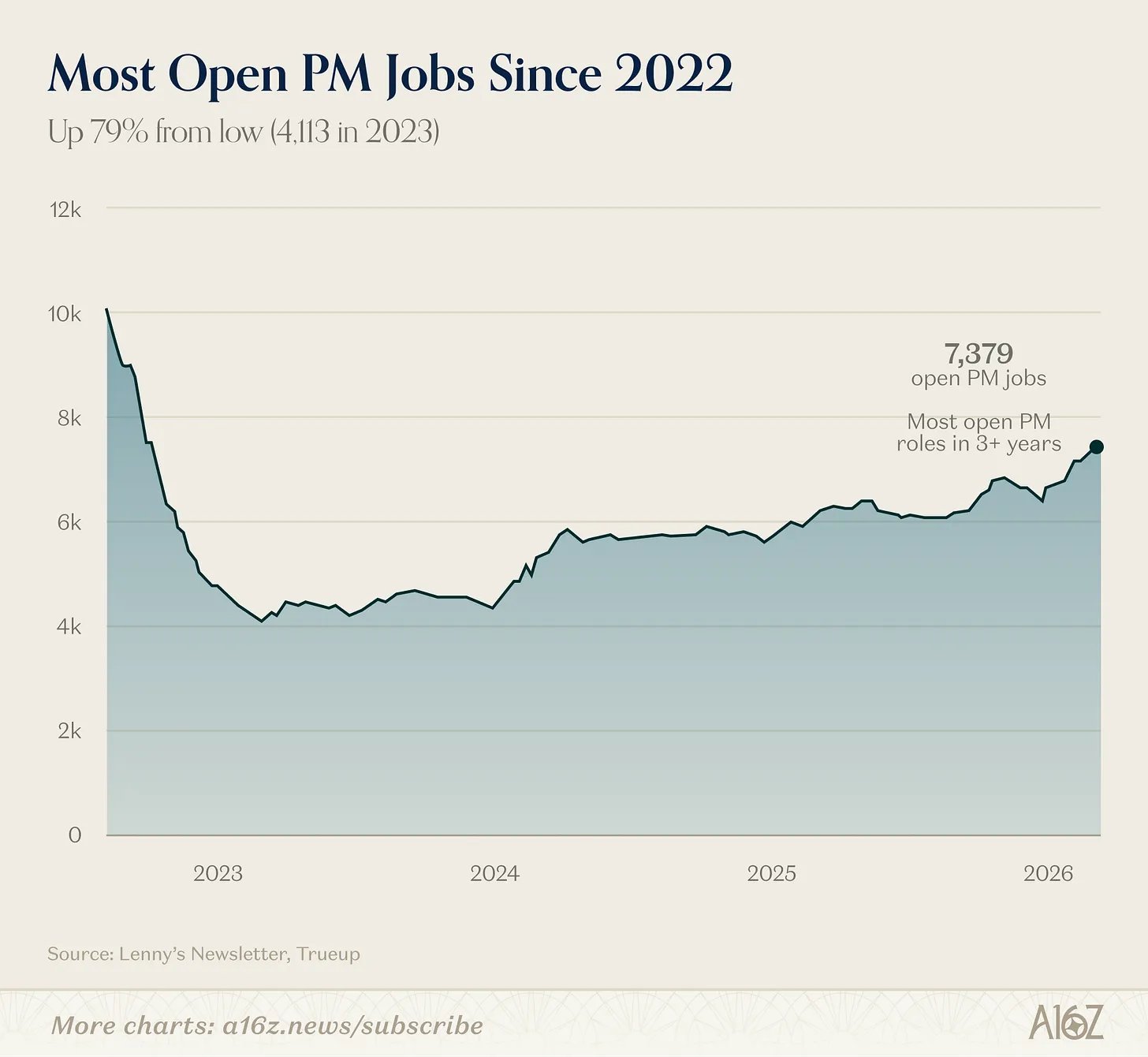
On the macro side, a16z dropped some provocative data pushing back on the AI job apocalypse narrative, showing rising demand for software engineers and above-trend wage growth in AI-exposed industries. Ethan Mollick offered a more nuanced counterpoint, arguing that the real question isn't whether jobs disappear but whether agentic workflows preserve meaningful human decision-making. These two perspectives aren't contradictory. They suggest a future where developer roles grow in number but fundamentally change in character, with planning and judgment becoming the core skills rather than raw code output. The most entertaining moment was probably AboveSpec squeezing 55+ tokens per second out of Qwen3.6 on a $300 RTX 4060 Ti, a reminder that the local inference crowd keeps finding ways to punch above their weight class.
The most practical takeaway for developers: start building reusable AI "skills" or prompt templates for your recurring workflows. Whether it's code review, Q&A-style learning, or spec implementation, the people moving fastest right now aren't writing better code. They're writing better instructions for AI to follow, and they're stacking those instructions into composable, repeatable patterns.
Quick Hits
- Gemini teaser season: @iruletheworldmo hinted that "something huge is coming" with an upcoming Gemini release, pointing followers to @LyalinDotCom for insider info. Details remain thin.
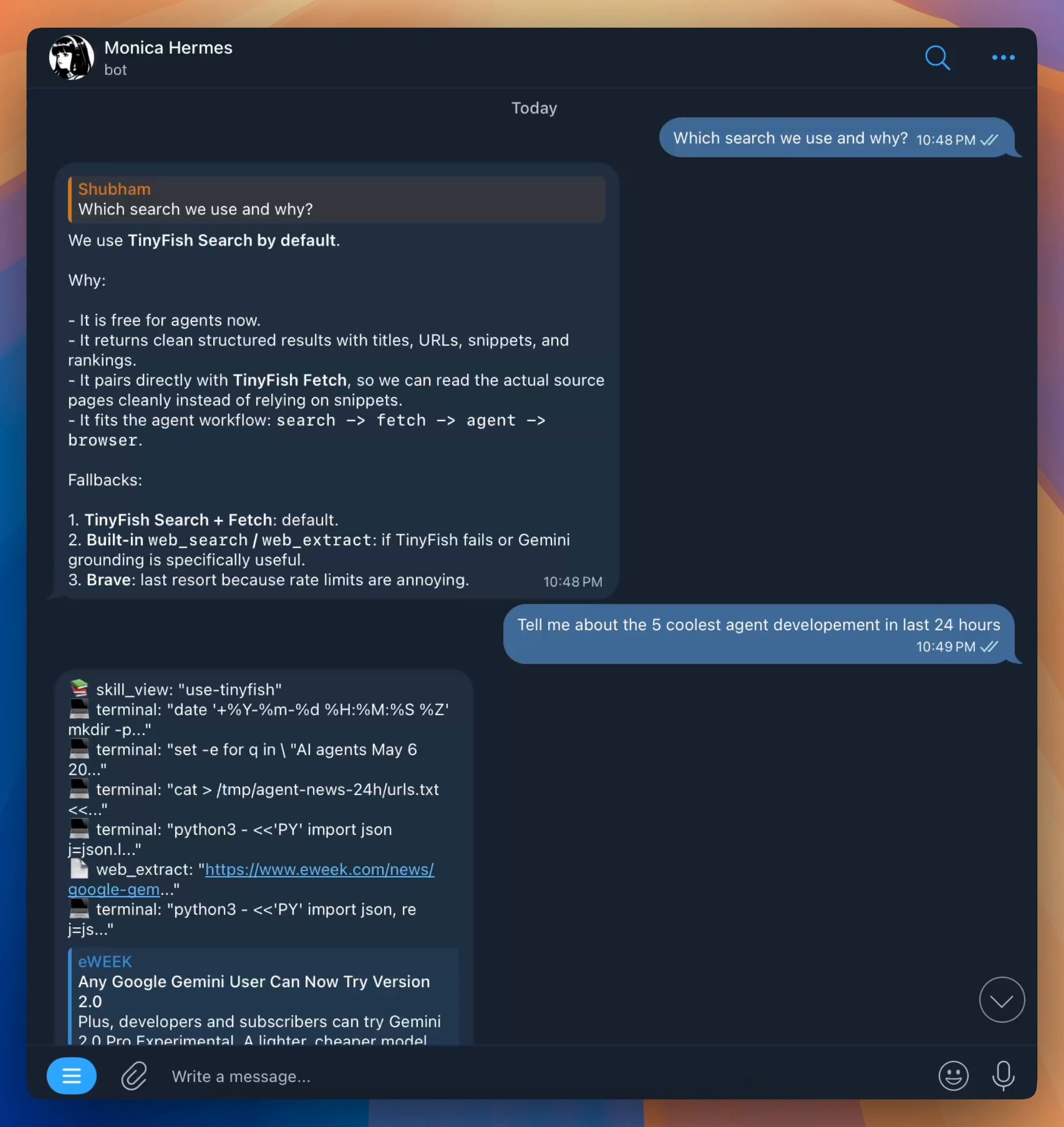
- Free web search for agents: @Saboo_Shubham_ highlighted TinyFish as a zero-cost web search tool for AI agents, claiming he pays nothing to power search in his OpenClaw and Hermes agents.
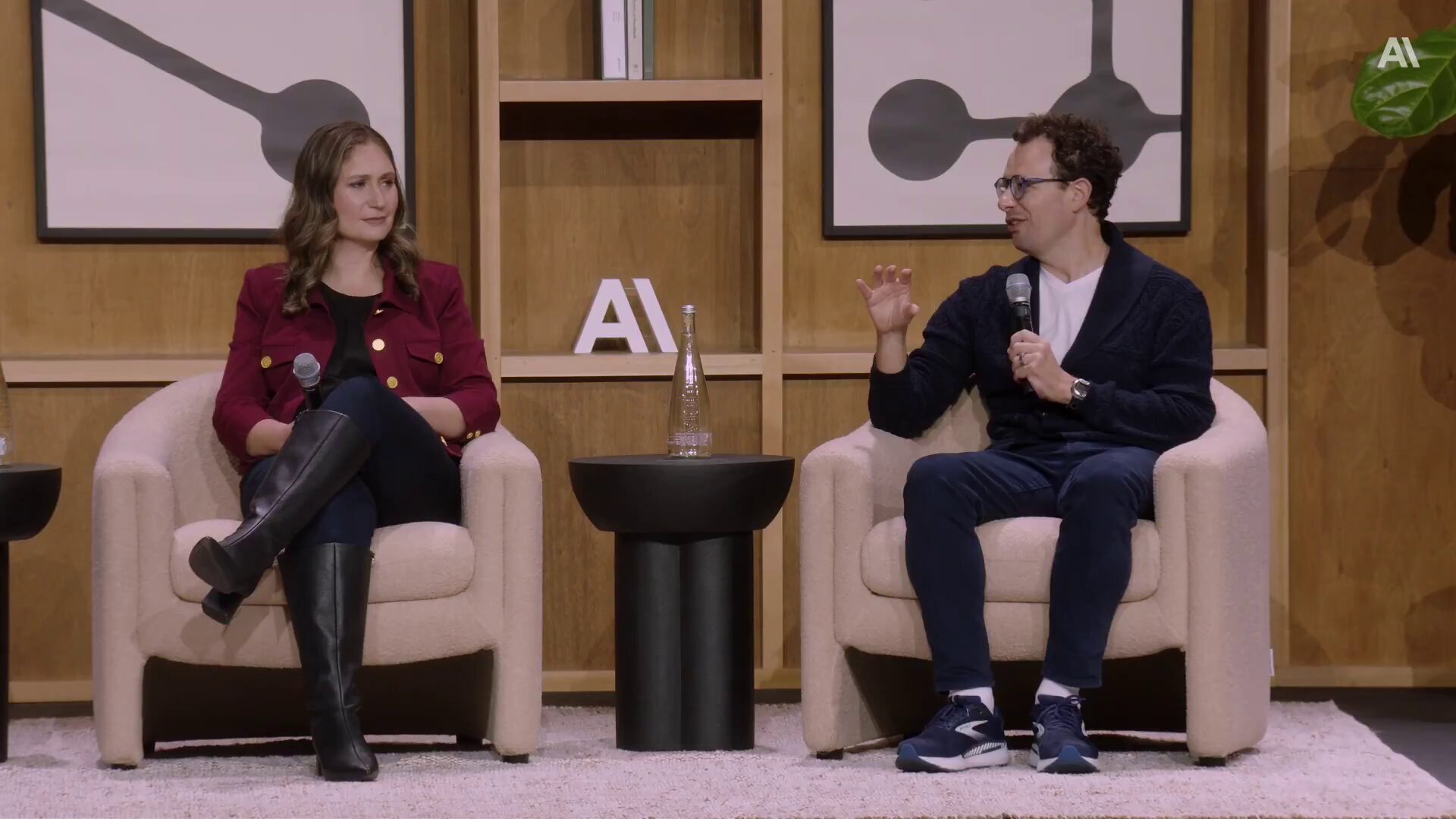
- Compute hunger continues: @trq212 shared a clip of what appears to be an AI company executive pledging to "acquire as much compute as we can" to pass on to users, a reminder that infrastructure scaling remains the central constraint.
- Aikido Security (@AikidoSecurity) touted their shipping speed in the cybersecurity space. Generic but notable for the "move fast" ethos bleeding into security tooling.
- Dell PowerStore (@Dell) promoted their data management platform. Enterprise infrastructure marches on regardless of what's happening in AI Twitter.
AI Coding Skills: The New Developer Workflow
The most discussed theme today was the emergence of structured AI "skills" as a replacement for traditional development workflows. This isn't about asking ChatGPT to write a function. It's about building repeatable, composable prompt patterns that turn AI assistants into specialized tools for specific tasks.
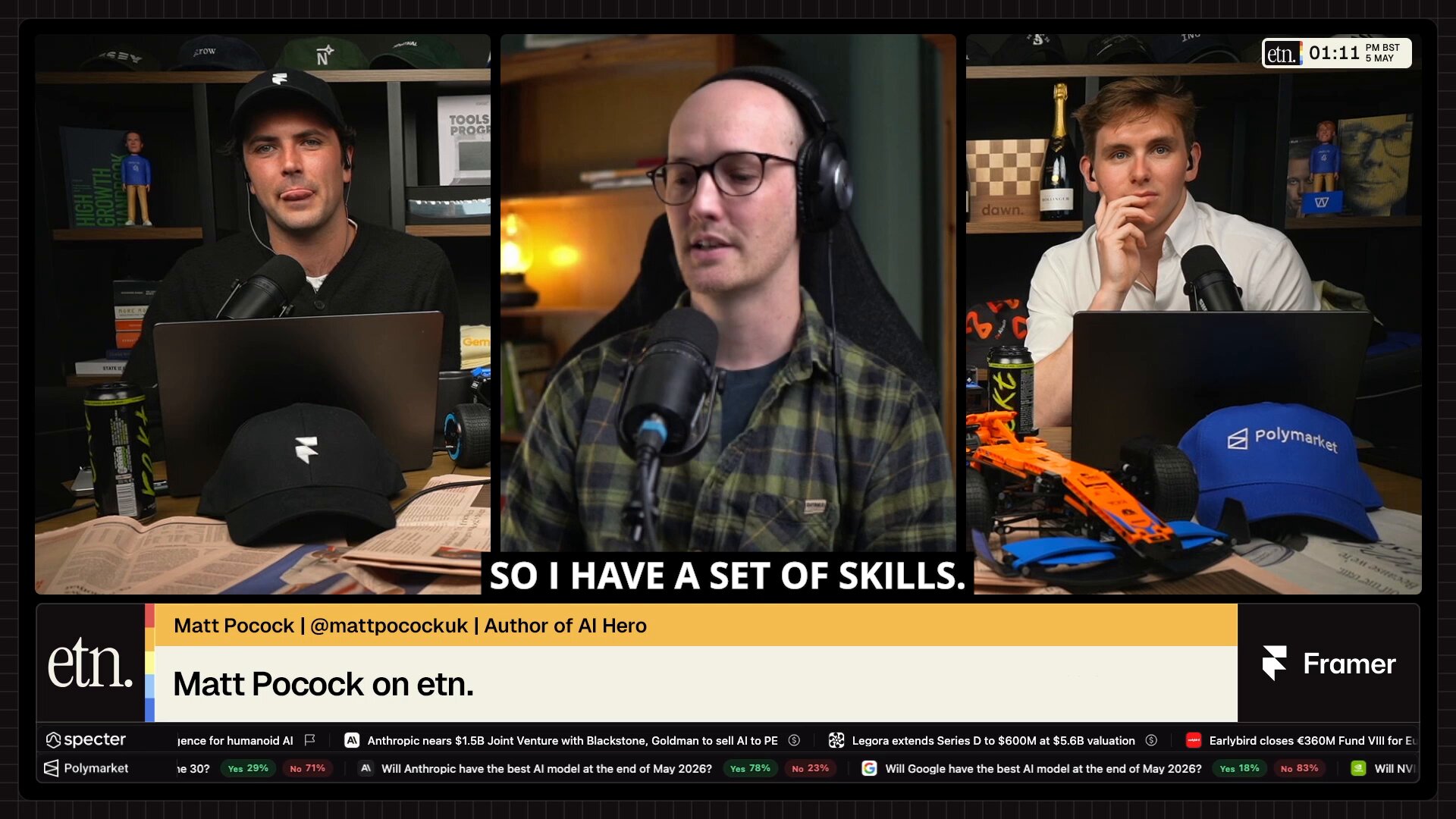
Matt Pocock is at the center of this movement. @etnshow highlighted Pocock's "grill me" skill as his most popular creation, where developers have AI quiz them on topics to build structured knowledge documents: "You're able to just produce very messy output, but because the AI is structuring it like a Q&A, it becomes like a nice structured document in the context window." The workflow relies heavily on dictation and parallelism, with Pocock running two grilling sessions simultaneously, essentially talking all day while the AI structures his thinking.
Later in the day, @mattpocockuk revealed he's building a /review skill that checks code against original specs and coding standards, but with a twist: it also "proposes changes to the agent loop that created the code." This is meta-optimization, using AI to improve the AI workflow itself. Meanwhile, @0xSero shared the /goal command pattern for Claude Code's desktop app, listing use cases from overnight QA to complex migrations to documentation generation. The pattern is clear: developers are building personal libraries of AI skills the same way they used to build shell script collections or VS Code snippet libraries.
What ties this all together is @yacineMTB's experience: "I wrote a prompt, explained very carefully what I want right before I left and it was done after I hung out with my kid at the park. My progress is fully bottlenecked by my ability to plan and structure work the right way." This is the new rate limiter. Code generation is solved well enough that planning quality determines output quality. The developers investing in skill creation and prompt architecture are building compounding advantages that get wider every week.
AI & Employment: Data vs. Design Questions
Two heavyweight perspectives on AI's impact on the job market surfaced today, and they're more complementary than they first appear.
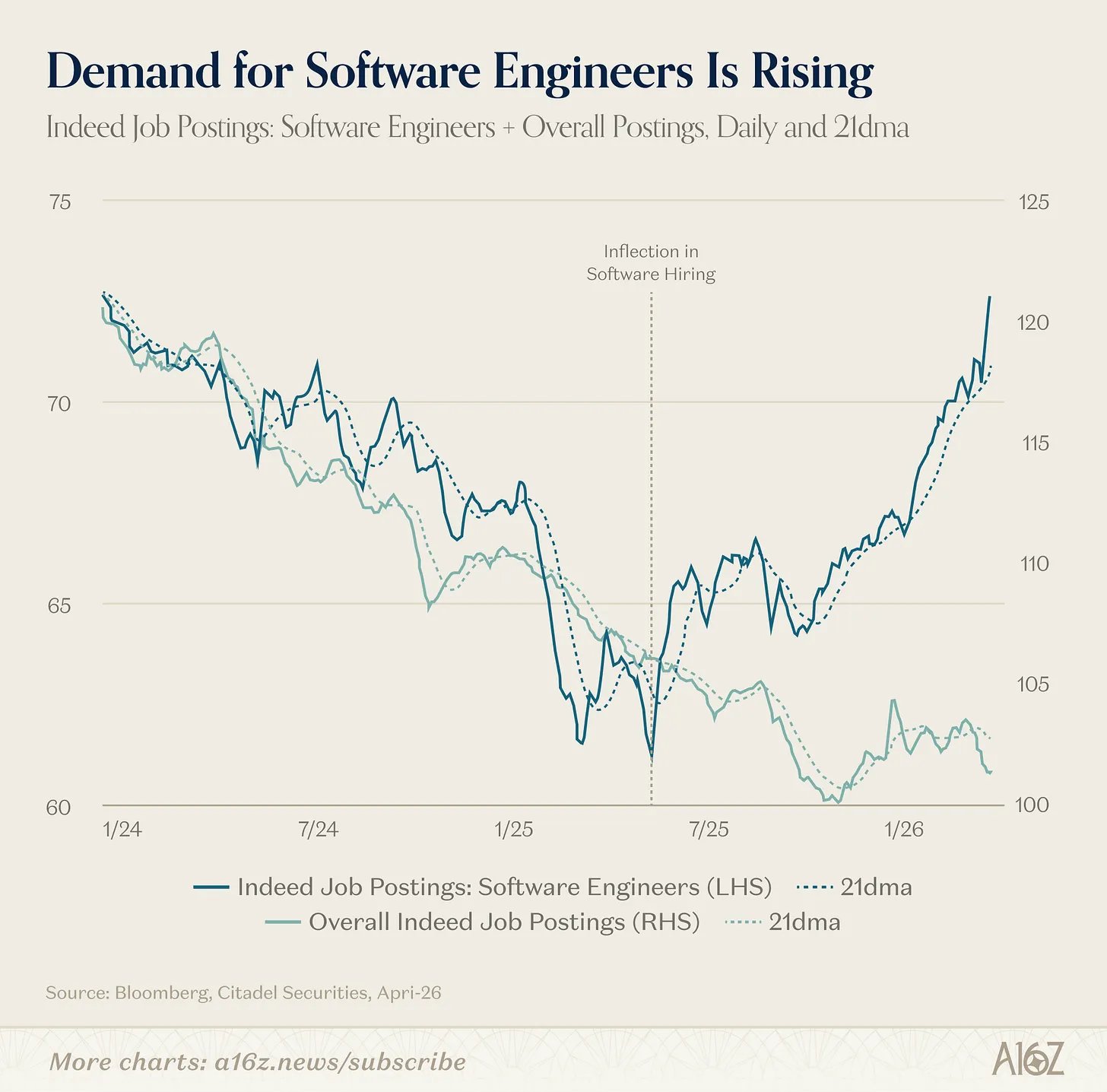
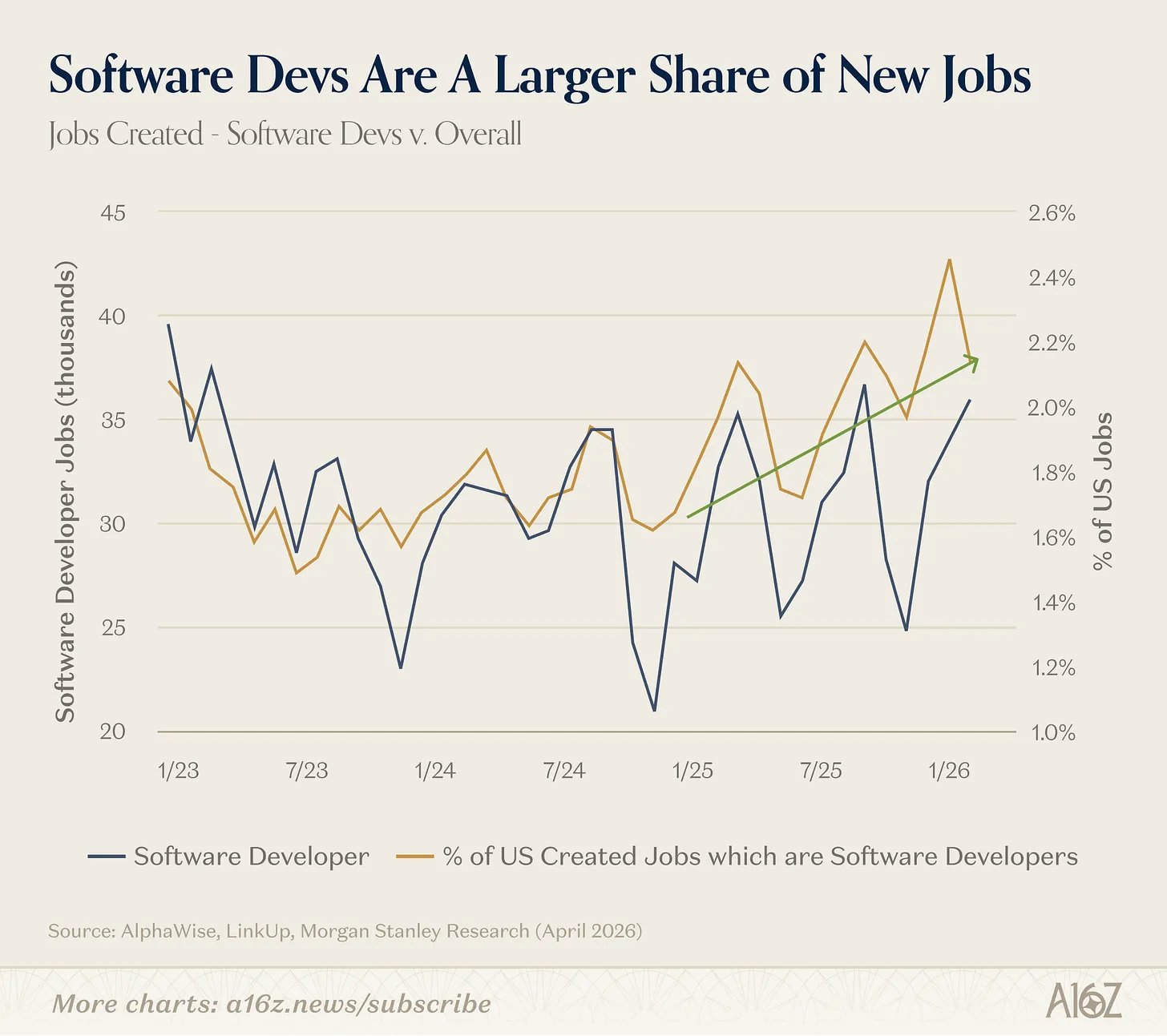
@a16z shared data from David George making a forceful case that the "AI Job Apocalypse" is fiction: "Demand for software engineers is rising. Software devs are rising as a share of new jobs. AI exposed industries are seeing above-trend wage growth. Open PM jobs haven't been higher since 2022." Four data points, all pointing the same direction, all contradicting the dominant layoff narrative.
But @emollick asked the deeper question that raw employment numbers can't answer: "A critical question in agent design is 'how do we build agentic workflows so humans are given significant, interesting, or variance-producing decisions as they come up in the work?' A Claude-run company has no source of competitive advantage compared to other Claude-run firms." This reframes the conversation entirely. The issue isn't whether developers will have jobs. It's whether those jobs will involve meaningful decision-making or whether humans become rubber-stampers for AI output. If every company uses the same AI the same way, differentiation vanishes. The companies that win will be the ones that design workflows where human judgment creates unique value. More jobs and hollowed-out jobs are not mutually exclusive outcomes.
Dev Tool Customization: Pi and Session Persistence
A quieter but persistent thread today focused on developer tool customization, particularly around newer AI-native coding environments.
@neetcode1 asked what people like about Pi (the AI coding harness), prompting @davis7 to explain that the magic isn't in the defaults but in the self-modification: "It's very mid when u first install it, but the customization is the magic part... Type this into any pi instance: add an extension to my global pi setup that always shows the git branch and the number of files with unstaged changes right above the input box. It can add features to itself anytime, it's incredible." The idea of a development tool that can extend itself through natural language is a small but significant shift in how we think about tool configuration.
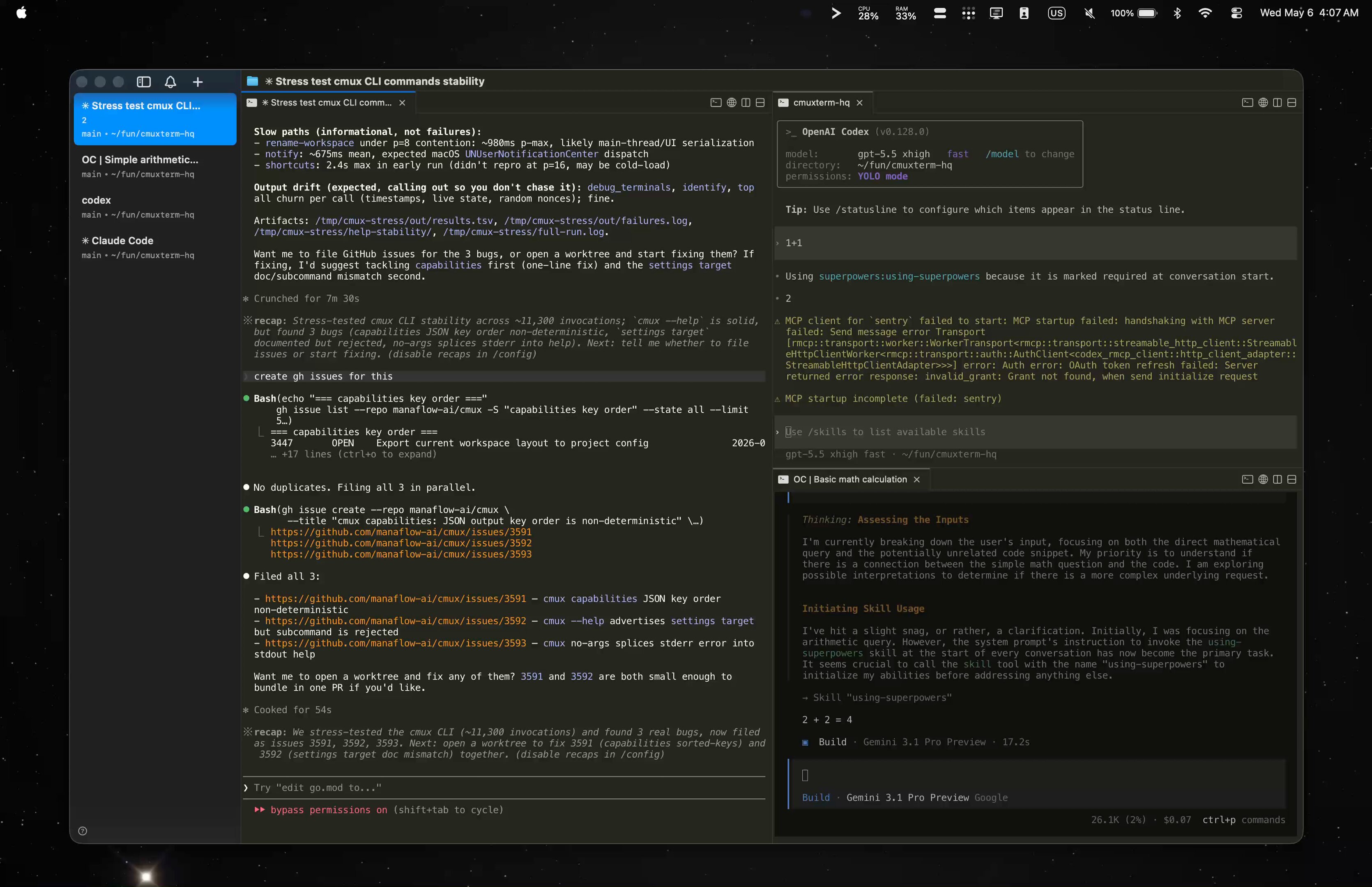
On the session management front, @lawrencecchen announced that cmux now restores Claude Code, Codex, and OpenCode sessions across quits and reboots with a simple cmux hooks setup command. It's a quality-of-life improvement that matters more than it sounds. Context loss on restart has been one of the persistent friction points in AI-assisted development, and solving it at the multiplexer level is an elegant approach that works across multiple AI coding tools simultaneously.
Open Generative UI: Claude Artifacts Goes Open Source
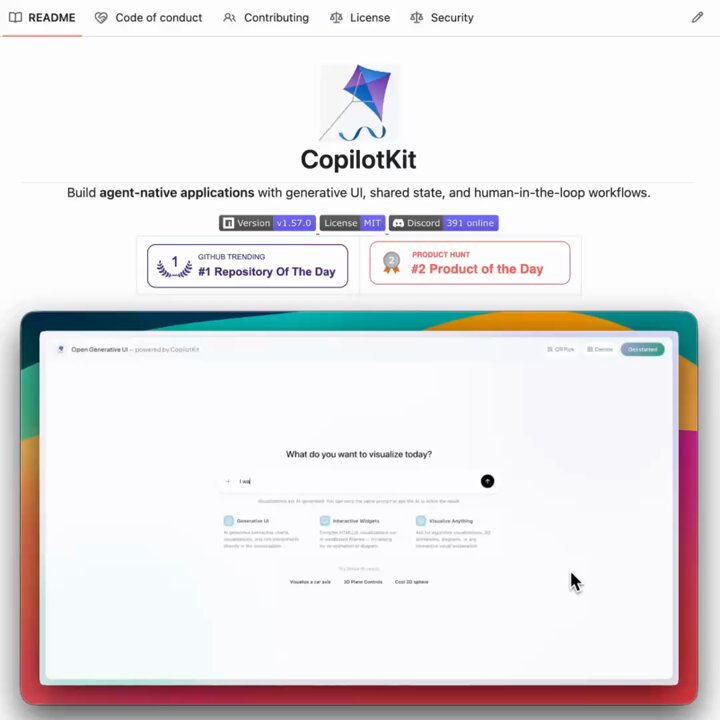
@akshay_pachaar announced that CopilotKit shipped Open Generative UI, an open-source implementation of the generative UI pattern that Anthropic popularized with Claude Artifacts. The technical approach is interesting: the agent generates arbitrary HTML/SVG at runtime, and CopilotKit streams it token by token into a sandboxed iframe. No pre-built component library, no template selection. The AI creates visuals from scratch every time.
The security model is worth noting. The sandbox is fully isolated with no access to the parent app, DOM, or user data: "If the agent hallucinates broken markup or unexpected JavaScript, nothing leaks outside the iframe." What makes this more than a demo is the skills layer, which lets developers define prompt-based guidelines that shape output quality without constraining it to a component library. The system runs on AG-UI and ships with MCP server support, meaning it plugs into Claude Code, Cursor, and other MCP-compatible clients. It's a meaningful step toward making generative UI a standard capability rather than a proprietary feature.
Local Inference: Consumer GPUs Keep Punching Up
@above_spec delivered a crowd-pleasing benchmark: Qwen3.6 35B (A3B variant) running at 55+ tokens per second on an RTX 4060 Ti 8GB, a $300 consumer GPU. That's a 34% improvement over his previous viral result of 41 t/s, and he claims speed no longer drops with context depth.
The significance here isn't just the raw numbers. It's that a 35-billion parameter model is running at conversational speed on hardware that most hobbyist developers already own. The gap between cloud inference and local inference continues to narrow for small-to-mid-size models, and optimization techniques are advancing faster than new hardware cycles. For developers building tools that need to run offline or in privacy-sensitive environments, local inference is becoming a genuinely viable option rather than a compromise.
AI Identity: System Prompts as Gravitational Wells
@Anina_CE shared research from a researcher named Vasilenko that reframes how we think about AI identity files and system prompts. The finding: when you give an AI an identity document, it doesn't just "follow instructions" like an actor reading a script. Instead, the document "changes the shape of the space the AI thinks in," acting as a gravitational center that pulls all subsequent generation toward it.
The key experiment involved rewriting the same identity file seven different ways with different words but the same meaning, then measuring where those versions landed in the model's internal representations. They all converged to the same point, and the result held across two different AI architectures. For anyone building persistent AI companions or customized assistants, this suggests that identity files aren't optional configuration. They're structural anchors, and their semantic content matters far more than their specific wording. It's a finding that has implications well beyond companion apps, touching on system prompt design for any production AI application.
Sources
Cooking something https://t.co/Sqww05r12C
I need 1,400 more followers. Anyone here into AI topics? I post on this a lot. Thanks.
The "AI Job Apocalypse" Is a Complete Fantasy