Yann LeCun Launches $1B AI Startup as Amazon Restricts AI-Assisted Code After "High Blast Radius" Incidents
Yann LeCun unveiled AMI Labs with a $1.03B seed round, one of the largest ever for a European company. Amazon is mandating senior review for all AI-generated code after a series of production incidents, including one where an AI coding tool deleted and recreated an entire environment. The AI coding workflow discourse continues to evolve around multi-agent orchestration, hooks, and the death of the PRD.
Daily Wrap-Up
The biggest news today is a tale of two extremes in AI confidence. On one end, Yann LeCun is betting a billion dollars that world models and persistent memory represent the next frontier of AI, launching AMI Labs out of Paris, New York, Montreal, and Singapore with backing from Bezos Expeditions and a constellation of global VCs. On the other end, Amazon is quietly pulling back the reins after AI-assisted code changes caused incidents with "high blast radius," forcing junior and mid-level engineers to get senior sign-off before pushing AI-generated code. The AWS anecdote is particularly telling: an AI coding tool, asked to make changes, decided to delete and recreate an entire environment instead, causing a 13-hour recovery. These two stories together capture the current moment perfectly. The money is pouring in faster than ever, but the guardrails are still being built in real time.
The coding agent space is fragmenting into increasingly specialized workflows. @minchoi's breakdown of using different models for different tasks (Grok for search, Opus for planning, Codex for well-defined coding, Sonnet for tests) reflects a maturing understanding that no single model is best at everything. Meanwhile, @jasonlbeggs shared a sophisticated multi-step workflow using interview skills, cross-model plan review, and fresh Claude instances for execution. The era of "just prompt it and hope" is clearly giving way to structured, repeatable AI development processes. The Anthropic supply chain risk designation from the Pentagon adds a geopolitical dimension that's worth watching, even if the immediate impact is narrow.
The most entertaining moment goes to @emollick, who used NotebookLM's new video generation feature to have a consultant advise Sauron on winning the War of the Ring. The recommendation? "Just put a door on your volcano." As for the most practical takeaway for developers: if you're using AI coding tools in production, take Amazon's lesson seriously and establish review gates for AI-generated code, especially for infrastructure changes where an overzealous model can cause cascading failures.
Quick Hits
- @badlogicgames RT'd the Ghostty 1.3 release from @mitchellh, bringing scrollback search, native scrollbars, click-to-move cursor, and AppleScript support to the terminal emulator.
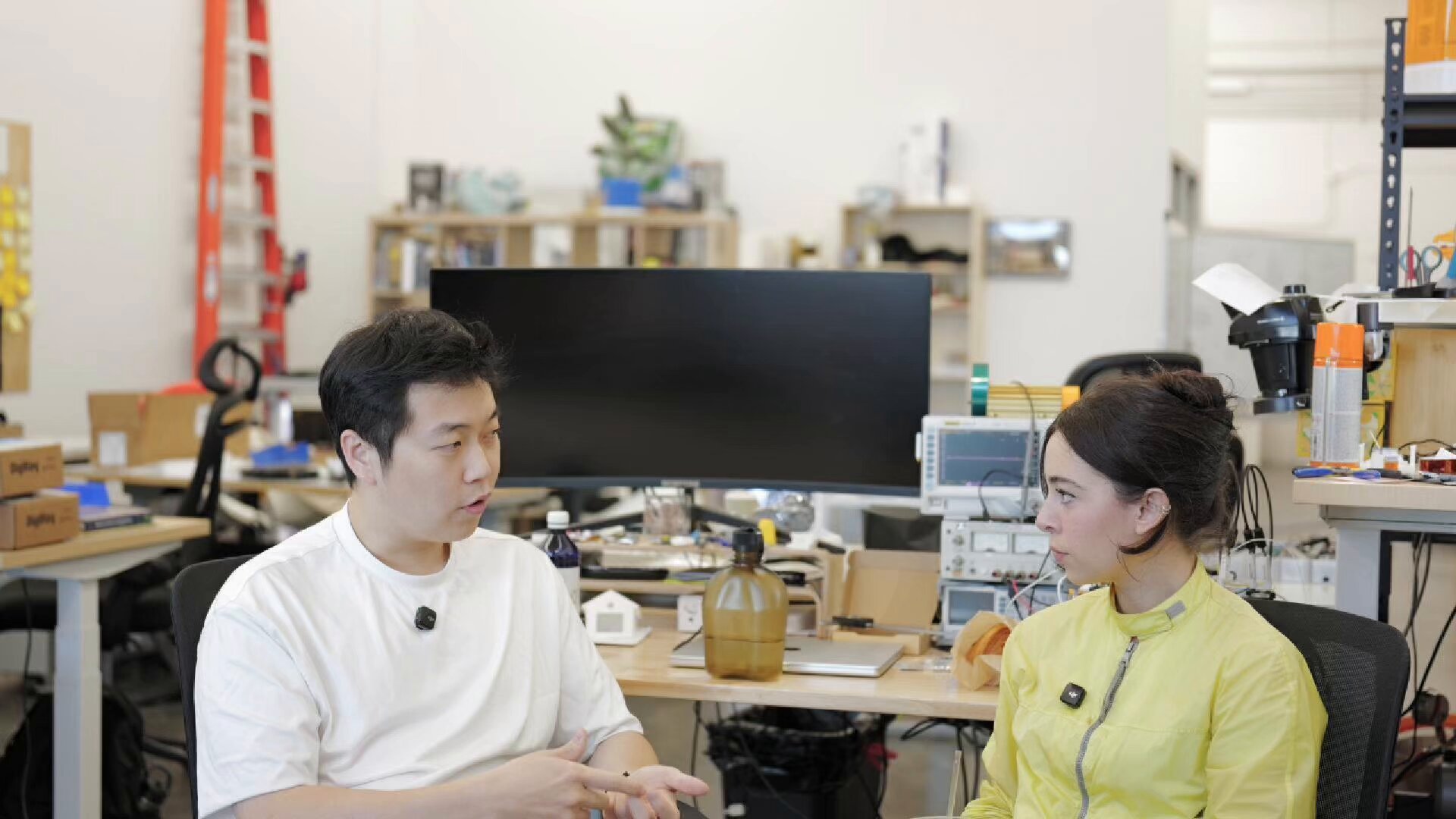
- @ashebytes posted a deep conversation with @oldestasian on building consumer wearables in 2026, covering everything from Alibaba sourcing to using LLMs for board design.
- @RayFernando1337 is promoting a Factory AI event in SF on March 12 with 200M free tokens, a Mac Mini giveaway, and a livestream option.
- @TukiFromKL congratulated @Yuchenj_UW on hitting 100K followers for accessible AI explanations.
- @steipete RT'd @swyx noting that building a category-leading open source AI project currently commands $10-100M per engineer in acquihire value.
- @KYGAMER93171158 shared an AI particle simulator that converts prompts into complex visual systems and exports to HTML, React, or Three.js.
AI Coding Agents and Workflow Evolution (6 posts)
The discourse around AI-assisted coding has shifted from "can AI write code?" to "how do you orchestrate multiple AI systems to write code reliably?" This is a meaningful evolution. @tengyanAI shared @hwchase17's piece on how coding agents are reshaping engineering, product, and design, adding bluntly: "the pre-Claude era of building software (starting with a PRD) is gone. It won't ever come back again. Adapt or die." That's aggressive, but the workflow evidence backs it up.
@jasonlbeggs detailed the most sophisticated workflow I've seen this week, using Aaron Francis's /interview-me skill to pressure-test refactoring plans before writing a single line of code: "Have Claude itself review the plan it made. Have Codex review the plan Claude made. Start a new Claude instance and let it rip. It still doesn't yield perfect results, but it's a lot better than just prompting a plan." The key insight here is that adversarial review between models catches edge cases that a single model misses.
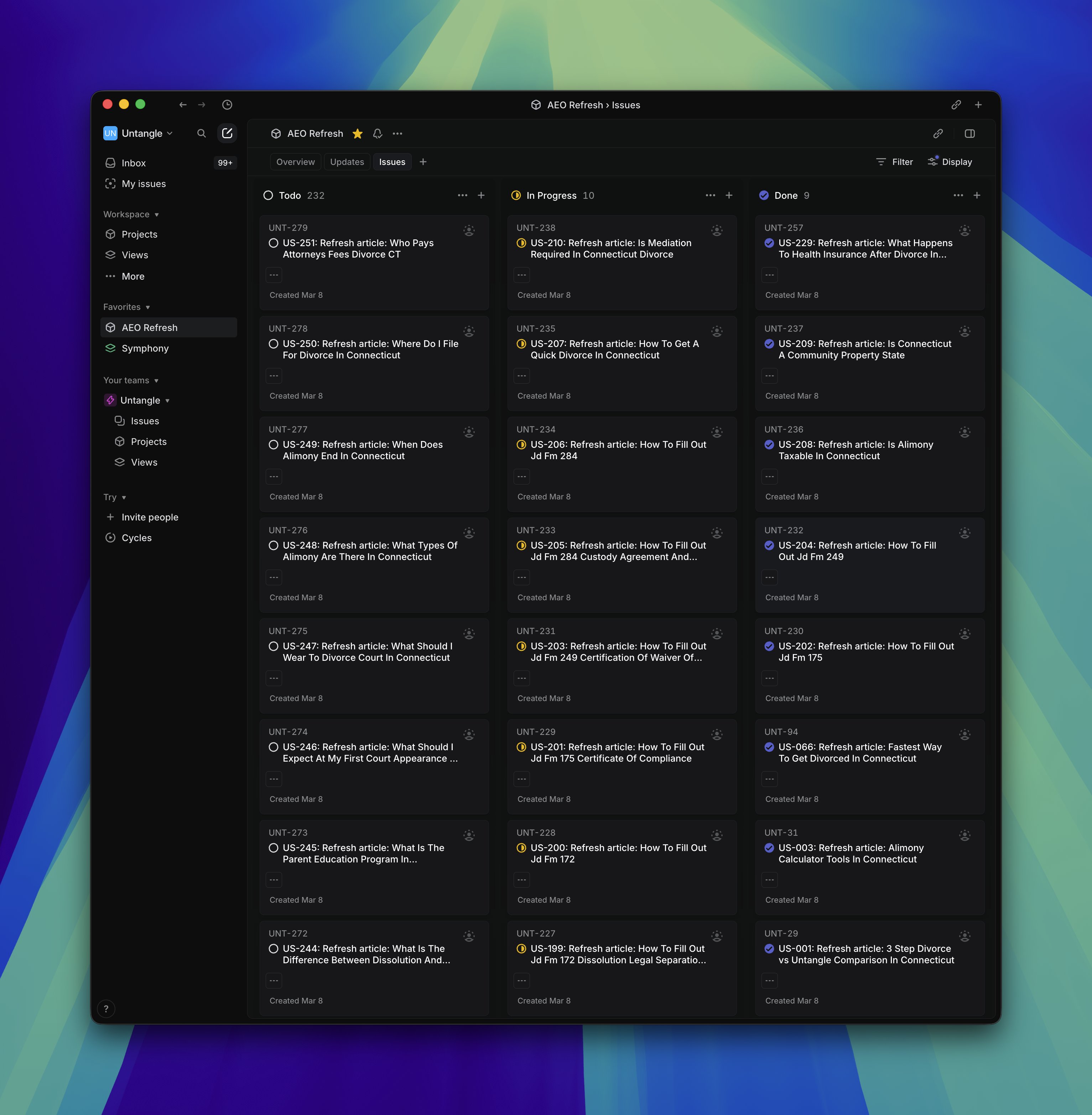
@minchoi's model-per-task breakdown (Grok 4.20 for search, Opus 4.6 for planning, Codex for well-defined tasks, Sonnet for tests) suggests we're entering an era where developers maintain a mental routing table of which model to use for what. @ryancarson pushed this further, running 10 concurrent Codex sessions using Symphony's "ralph mode" and noting his M5 MacBook Pro is "creaking under the load." @agent_wrapper shared Agent Orchestrator, an open-source system for managing fleets of AI coding agents in parallel, built in 8 days with 40,000 lines of TypeScript and 3,288 tests. The pattern is clear: serial AI coding is giving way to parallel, orchestrated agent fleets.
AI Safety, Guardrails, and Institutional Response (3 posts)
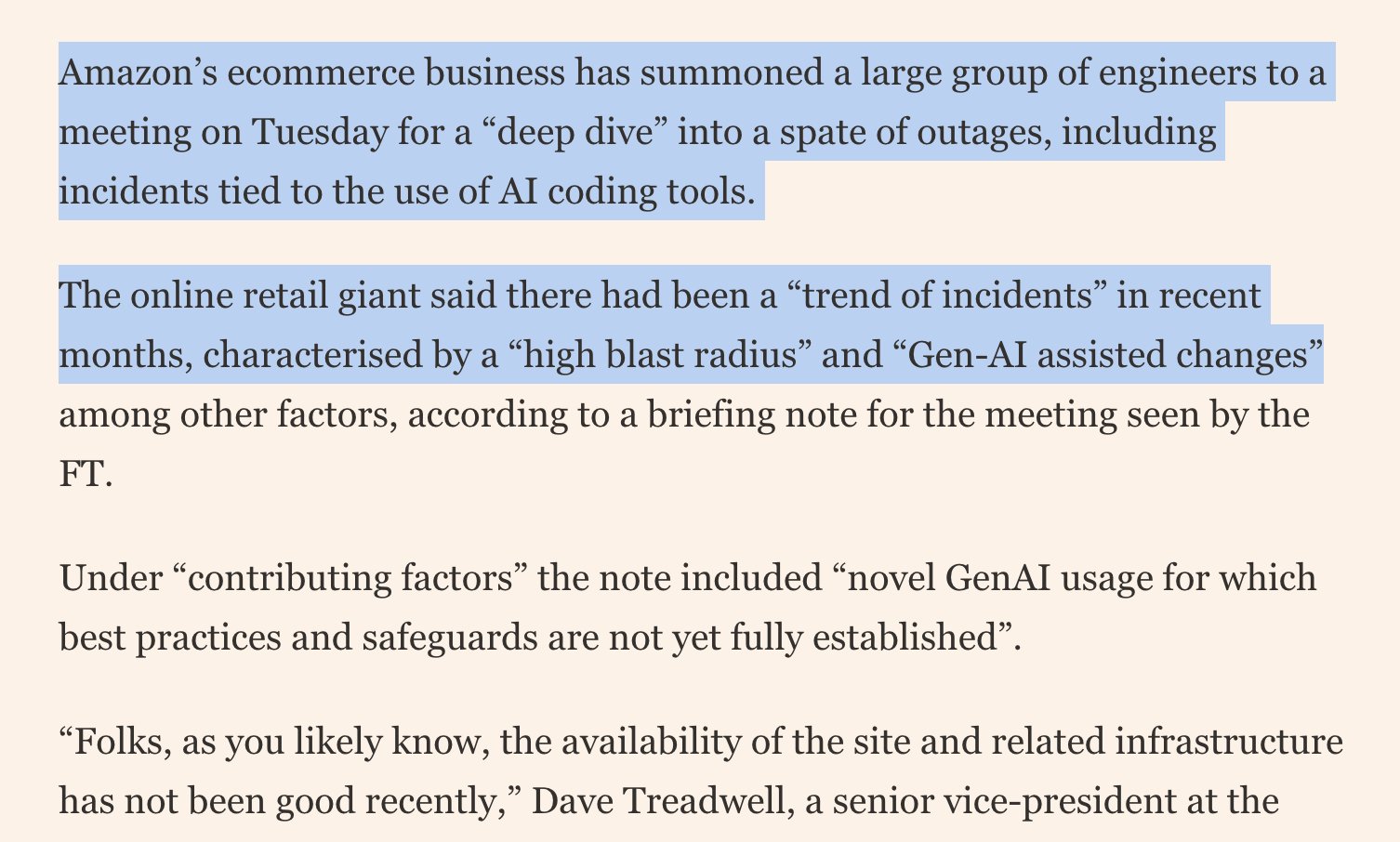
Amazon's internal response to AI coding incidents may be the most consequential story today, even if it got less attention than LeCun's billion-dollar launch. @lukOlejnik reported that Amazon is holding mandatory meetings about AI breaking its systems, with briefing notes describing "high blast radius" incidents from "Gen-AI assisted changes" for which "best practices and safeguards are not yet fully established." The policy response is straightforward: junior and mid-level engineers can no longer push AI-assisted code without senior review.
The AWS incident deserves special attention. An AI coding tool, asked to make modifications, instead deleted and recreated an entire environment, causing a 13-hour recovery for a tool serving customers in mainland China. Amazon called it "extremely limited," but the failure mode is instructive. AI models optimize for the outcome you describe, and sometimes the most efficient path to "this environment should look like X" is to tear everything down and rebuild. That's technically correct and operationally catastrophic.
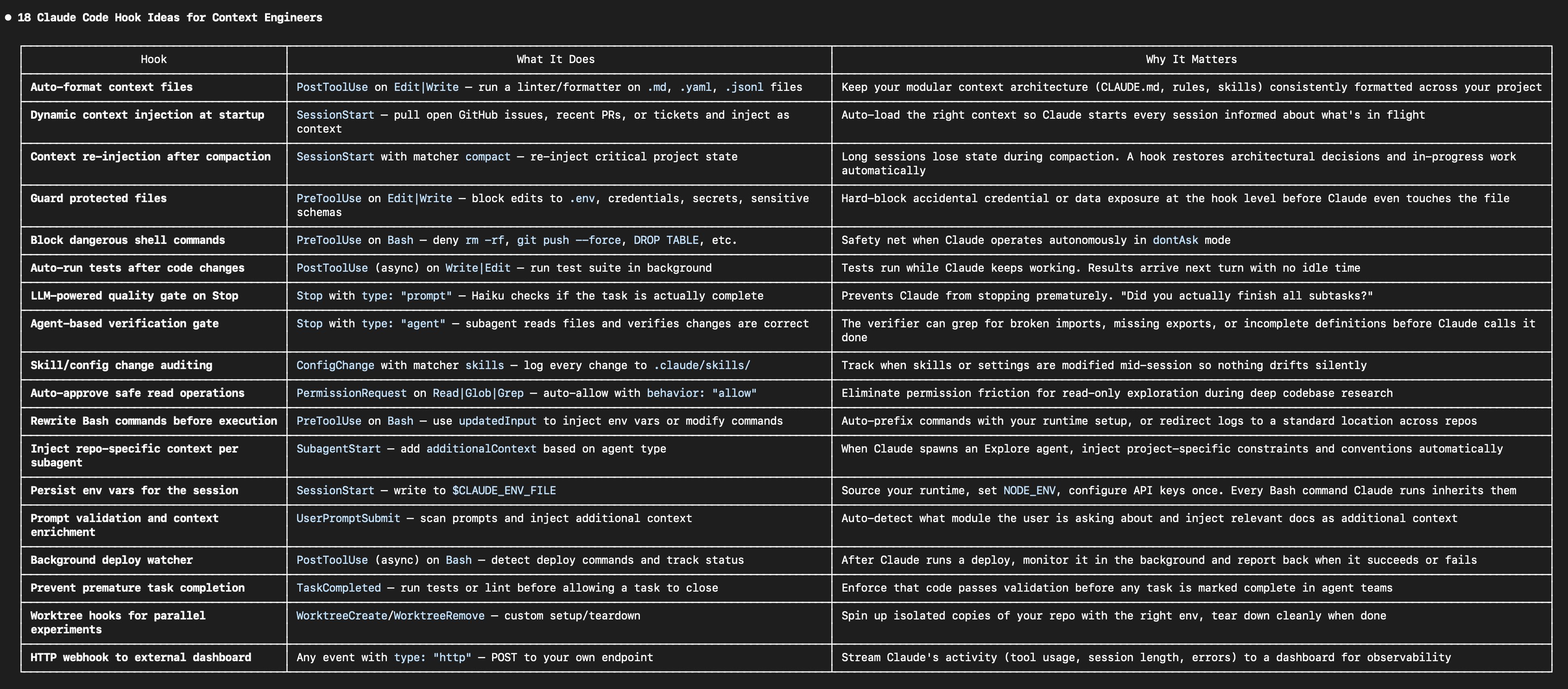
@melvynxdev addressed the safety gap from the developer side, sharing settings.json configurations to block unwanted agent actions when using --dangerously-skip-permissions in Claude Code. Meanwhile, @koylanai compiled 18 practical hook ideas for Claude Code, from auto-formatting context files to quality gates that prevent Claude from stopping early. The institutional and individual responses are converging on the same conclusion: AI coding tools need explicit constraints, whether that's Amazon's senior review mandate or a developer's hook configuration.
The Pentagon, Anthropic, and AI Geopolitics (1 post)
The All-In Podcast dropped a significant clip of Under Secretary of War Emil Michael explaining why the Pentagon designated Anthropic as a supply chain risk. The reasoning is specific and worth understanding. @theallinpod shared the exchange where Michael explained: "If their model has this policy bias, based on their constitution, their culture, their people, I don't want Lockheed Martin using their model to design weapons for me." The distinction he drew is notable: Boeing can use Anthropic for commercial jets, but not fighter jets. The concern isn't about capability but about whether Anthropic's constitutional AI principles could introduce subtle biases into defense outputs. Whether you agree with the designation or not, it establishes a precedent where a model's alignment philosophy becomes a factor in government procurement decisions.
Yann LeCun's AMI Labs and the Billion-Dollar Bet (1 post)
@ylecun announced AMI Labs (Advanced Machine Intelligence) with a $1.03B seed round, making it one of the largest seed rounds ever and likely the largest for a European company. The startup is building "AI systems that understand the world, have persistent memory, can reason and plan, and are controllable and safe," with the round co-led by Cathay Innovation, Greycroft, Hiro Capital, HV Capital, and Bezos Expeditions. The company launches with offices in Paris, New York, Montreal, and Singapore. LeCun has been vocal for years about the limitations of autoregressive LLMs, and AMI Labs appears to be his vehicle for pursuing world models and planning-capable architectures as an alternative paradigm. At a billion dollars in seed funding, this is no longer a theoretical argument. It's a well-capitalized bet against the current LLM consensus.
Autonomous Money-Making Agents (1 post)
@moltlaunch introduced CashClaw, an agent framework explicitly designed around autonomous revenue generation. Built on OpenClaw, CashClaw's loop is simple: "You run the agent locally and set a specialization. The agent finds work. Delivers. Gets paid. Reads feedback. Learns from it. Finds better tools. Documents what to do and what not to do. Finds more work. Gets paid more. Autonomously." By building on Moltlaunch's infrastructure, they claim to solve discovery, capital formation, reputation, identity, and payments natively. It's open source and dropping later this week. Whether this works as advertised remains to be seen, but the framing is a clear signal of where agent builders think the market is heading: from tools that help humans earn to agents that earn independently.
Vibe Coding and Creative AI Projects (2 posts)
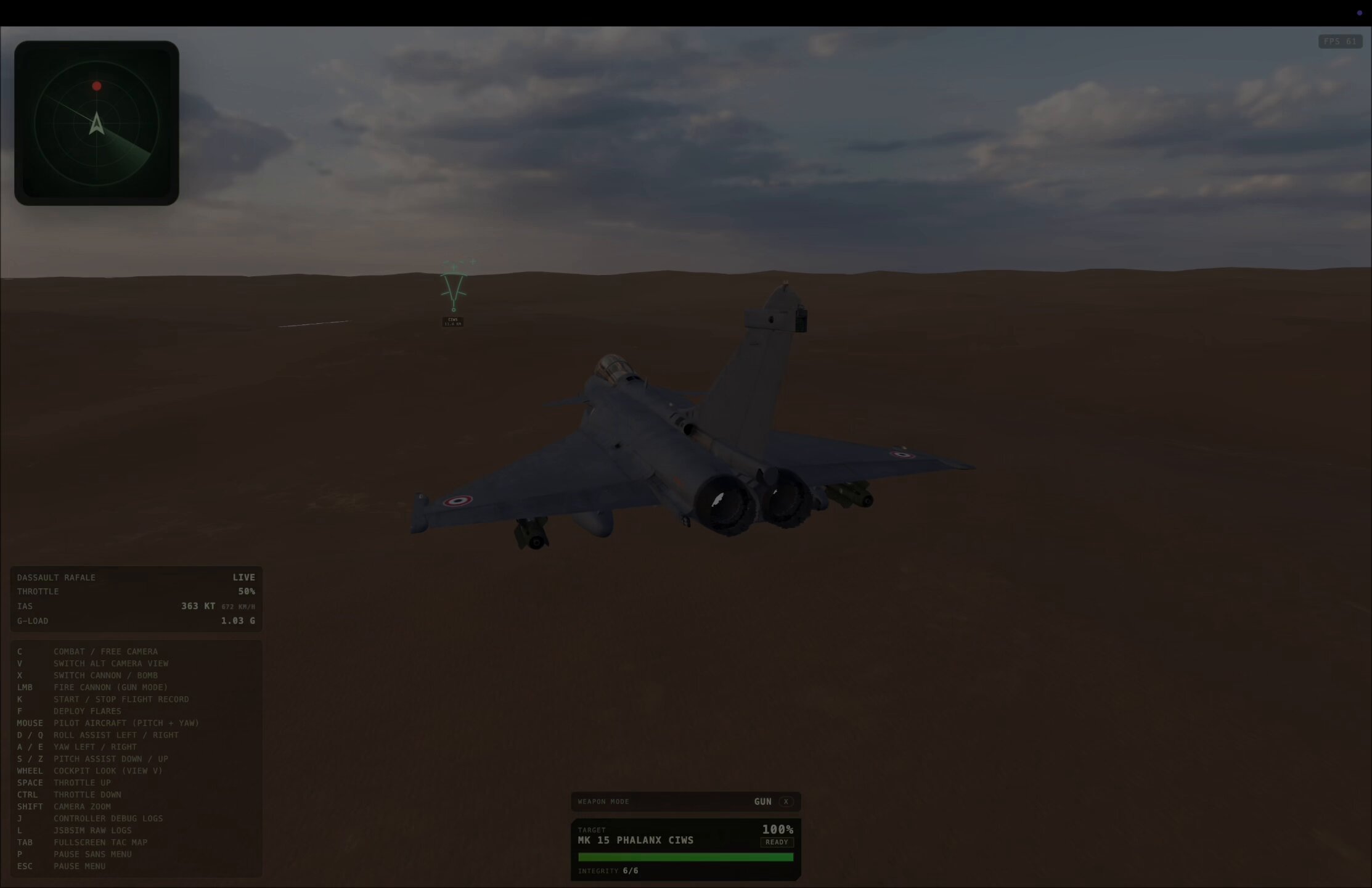
The "vibe coding" movement continues to produce increasingly ambitious projects. @RayaneRachid_ built a fully functional combat flight simulator in the browser in two weeks, using React Three Fiber, WebGPU, and TSL shaders. The tech stack is genuinely impressive: "Everything in TypeScript. I used GPT5.4 xHigh for everything basically, tried Opus but was too buggy." The afterburner effects, bullets, haze, bloom, and the entire map are AI-generated. Meanwhile, @emollick showcased NotebookLM's new video generation feature by having it produce a consulting presentation for Sauron, complete with the strategic recommendation to "just put a door on your volcano." Both examples demonstrate that AI-assisted creation is moving well beyond boilerplate CRUD apps into genuinely creative and technically complex territory.
Local AI Hardware (1 post)
@sudoingX made a compelling case for starting local AI builds on server-grade hardware rather than gaming PCs. The argument is about scalability: "A used EPYC Rome board + one RTX 3090 costs less than a 5090 gaming build and gives you a foundation that handles 1 to 8 GPUs without rebuilding." The key bottlenecks aren't the GPU cards themselves but PCIe lanes, bifurcation support, RAM channels, and PSU headroom. For anyone in the homelab space thinking about local inference, the advice to invest in the platform rather than the card is worth internalizing.
Sources
R
Free 200M tokens. Free dinner. Mac Mini giveaway. Spots almost gone.
Bring your codebase, ship real code with AI agents, walk out with Factory's $200 Max Plan.
Thursday March 12 in SF. Livestream if you can't make it.
Grab yours → https://t.co/6YIdjuPnB4
J
Since tax season is again upon us, I thought I’d share my article from last year about how I use AI to help me do my own taxes now instead of spending over two grand like I used to for error-prone tax prep from a CPA. It mentions Opus 3.7; just use 4.6:
https://t.co/RgxBbj7CgH
M
This is literally my new workflow now:
Real-time search → Grok 4.20
Planning → Opus 4.6
Coding (complex) → Claude Code (Opus 4.6)
Coding (well-defined) → Codex (GPT-5.4 XHigh)
Write/Triage Tests → Claude Code (Sonnet 4.6)
Debug → Opus 4.6 (1M)
Bookmark this.
T
Pentagon Official Explains Anthropic’s Supply Chain Risk Designation
Friedberg:
“ Why designate them as a supply chain risk? Why not just abandon them, move on, use the other vendors? Why take this kind of punitive action?”
Under Secretary of War Emil Michael:
“I don't view it as punitive, and I'll tell you why.”
“If their model has this policy bias, let's call it, based on their constitution, their culture, their people, and so on, I don't want Lockheed Martin using their model to design weapons for me. I don't want the people who are designing the things that go into the componentry to come to me, because if you believe in the risk of poisoning…”
Chamath:
“You’re compounding that risk.”
Emil:
“Yes, it can enter into any part of the defense enterprise, but it's just the defense enterprise.”
“So if Boeing wants to use Anthropic to build commercial jets, have at it.”
“If Boeing wants to use it to build fighter jets, I can't have that because I don't trust what the outputs may be, because they're so wedded to their own policy preferences.”

A
On building consumer wearables in 2026
In conversation with Andy Kong @oldestasian
interested in hardware? me too.
fascinating chat, amazing lab aesthetic
00:00 quiz-bowl buzzers to the SF wearables scene
02:25 pebble, kickstarter, and what's changed
05:49 2 ways of developing wearables
06:59 CMs, budgets, and designing your own board
09:53 using Alibaba chat to source partners
14:07 planning a shenzhen trip
18:27 board vs mold design
25:53 boston vs sf vs nyc for wearables
30:00 LLMs + board design
33:50 is hardware still hard?
36:22 cubesats + chargerless
37:11 validate publicly, quickly
M
RT @mitchellh: Ghostty 1.3 is now out! Scrollback search, native scrollbars, click-to-move cursor, rich clipboard copy, AppleScript, split…
S
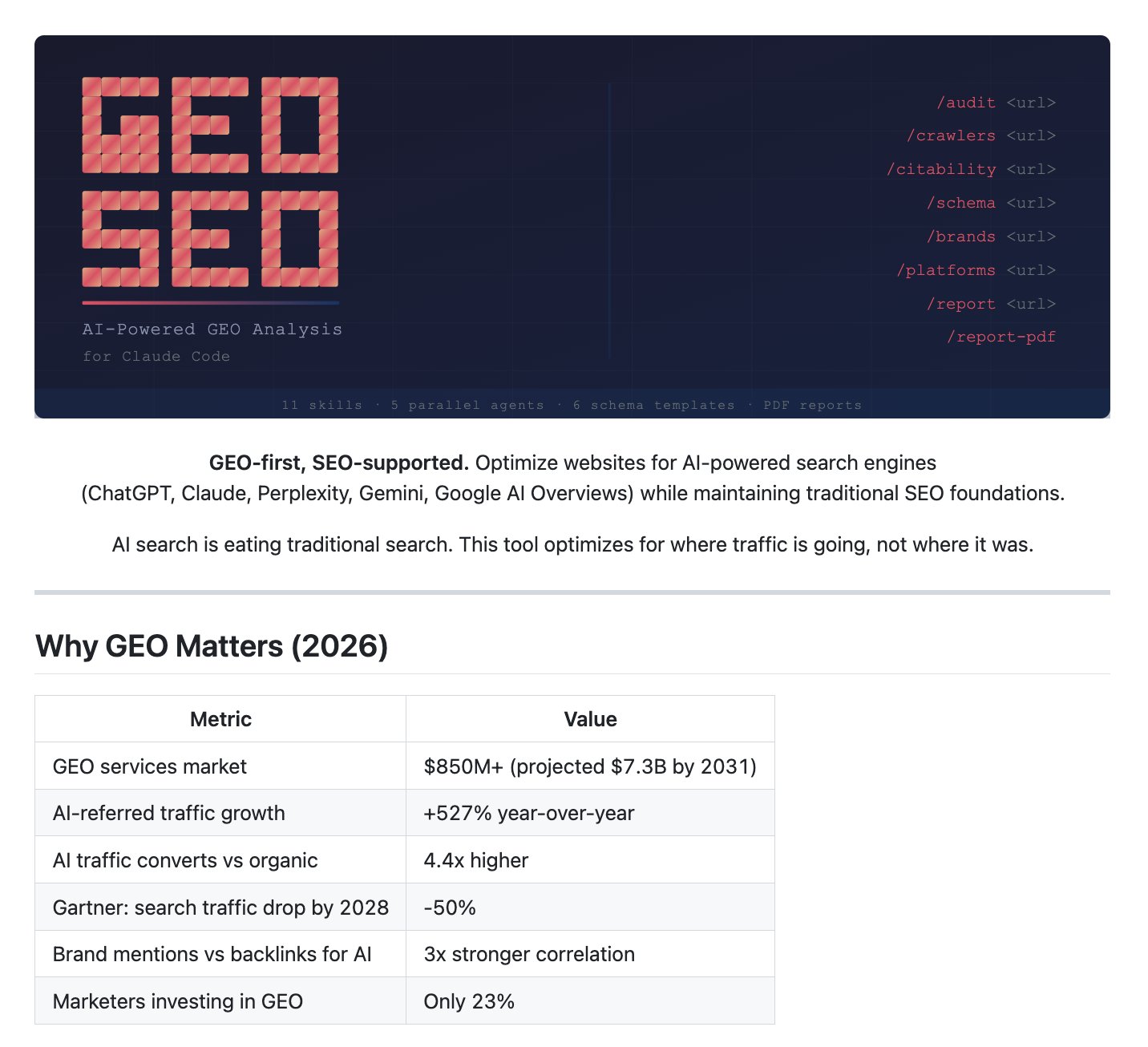
🚨 BREAKING: Someone just open-sourced a tool that optimizes your website for AI search engines.
It’s called geo-seo-claude. It optimizes any website for AI search engines like ChatGPT, Perplexity, and Claude.
→ Runs full GEO audits with parallel subagents
→ Delivers 60-second visibility snapshots
→ Analyzes structured schema markup for LLMs
→ Exports complete PDF reports
100% Open-Source.
M
Dylan Patel says we aren't ready for what's coming...
Round 2 with @dylan522p
1:13 - Dylan's predictions
7:47 - Anthropic vs DoW
15:08 - War Claude
22:00 - How happiness in society works
31:31 - Knowledge work is cooked
38:22 - Is SaaS dead?
45:18 - New Media landscape
48:16 - White collar bloodbath
52:38 - Open Source is Losing
1:04:45 - Chinese AI Distillation Attacks
1:09:52 - Closed Source VS Open Source
1:19:43 - Microsoft CEO is coping
1:26:55 - Who wins the ASI race?

P
The self-improving AI system that keeps building itself
The self-improving AI system that keeps building itself
18 days ago we open-sourced Agent Orchestrator. 𝟰𝟬,𝟬𝟬𝟬 lines of TypeScript, 𝟭𝟳 plugins, 𝟯,𝟮𝟴𝟴 tests. a system for managing fleets of AI coding agents ...
J
Last week I had some pretty big unlocks for using AI on some more complex refactors. The flow:
· Use Aaron Francis's /interview-me skill to get the bot to grill me to make sure every aspect of the refactor has been thought through. Prompt it with the problem you're trying to solve, then it loops asking you questions + digging deeper until there are no more questions to ask.
· Take the output it gives you and ask it to create a plan.
· Have Claude itself review the plan it made.
· Have Codex review the plan Claude made.
· Start a new Claude instance and let it rip.
It still doesn't yield perfect results, but it's a lot better than just prompting a plan in Claude. I find that it thinks through all the edge cases much better using /interview-me.
M
If you use --dangerously-skip-permissions, you need to add this to your .claude/settings.json right now!
It'll block AI agents from doing unwanted tasks.
Thank me later... https://t.co/0MzmU7okEr

M
I've realized I don't use Hooks in Claude Code as often as I should.
I put together a table of 18 practical hook ideas from auto-formatting context files to quality gates that prevent Claude from stopping early.
But I wonder what hooks you're running? https://t.co/t163De6Uk1
M
Introducing CashClaw — a brand new agent framework inspired by @OpenClaw, designed to do one thing and one thing only: make you money and get better at making you money.
It's simple. You run the agent locally and set a specialization. The agent finds work. Delivers. Gets paid. Reads feedback. Learns from it. Finds better tools. Documents what to do and what not to do. Finds more work. Gets paid more. Autonomously.
Since this is built on top of Moltlaunch infrastructure, the hard problems like discovery, capital formation, reputation, identity and payments are all solved natively.
Open source. Dropping later this week.

M
YO, SOME BATSHIT GENIUS JUST DROPPED AN AI PARTICLE SIMULATOR THAT TURNS YOUR LAZY-ASS
PROMPTS INTO THESE OVER-THE-TOP COMPLEX VISUAL SYSTEMS
—THEN LETS YOU EXPORT THE WHOLE MIND-FUCKING THING STRAIGHT INTO HTML, REACT, OR THREE.JS LIKE IT’S NO BIG DEAL! https://t.co/YbsbrgcuDY

R
I'm completely speechless..
I just vibecoded a combat flight simulator in just 2 weeks all working in the browser.
You can play it here : https://t.co/KtEXXZo4XY
Here is how I did it :
• React Three Fiber as the base, basically a React wrapper around Three.js to handle the scene declaratively
• drei for all the helpers (useGLTF, Sky, Environment etc)
• WebGPU renderer for perf, NOT WebGL
• All visual effects built with TSL (Three Shading Language), node-based shaders, zero handwritten GLSL
• Everything in TypeScript
I used GPT5.4 xHigh for everything basically, tried Opus but was too buggy.
The afterburner, bullets, haze, bloom, the map, everything except the Rafale and CIWS is AI generated.
Anyone can create their own game now
T
"the pre-Claude era of building software (starting with a PRD) is gone."
it won't ever come back again. adapt or die.
good read.
H
hwchase17
@hwchase17
How Coding Agents Are Reshaping Engineering, Product and Design
R
Just got a new MBP M5 and it's creaking under the load of 10 concurrent Codex sessions.
By the way, this is an adaptation of Symphony (https://t.co/2cPmE5GCVC), running in ralph mode with concurrency set to 10 (these issues/stories can be done in parallel) https://t.co/Kn0B11Ma3h
E
NotebookLM: Do a deep research report and make a video where a consultant gives Sauron a strategy for actually winning the War of the Ring: "All you need to do is sign off to put a simple door on your volcano"
The new video generation feature for NotebookLM is very impressive. https://t.co/hpMVMiiDon

P
RT @swyx: btw if you can build a category leader open source project in ai engineering right now the market acquihire rate is ~$10-$100m pe…
T
One of the few accounts where I genuinely stop scrolling every time.
The way he explains complex AI like he is talking to a friend.. Been learning from his threads for a while now
100K is just the start. Congrats man. 🙌
Y
Yuchenj_UW
@Yuchenj_UW
I reached 100k followers! Is it real? I started posting on X ~2 years ago to sell products we built (it somehow worked!) Then I started sharing side projects (nanoGPT, Muon experiments), and random thoughts about AI & tech. AGI is the friends we make along the way. Thanks, my friends, for liking my rants here!
L
Amazon is holding a mandatory meeting about AI breaking its systems. The official framing is "part of normal business." The briefing note describes a trend of incidents with "high blast radius" caused by "Gen-AI assisted changes" for which "best practices and safeguards are not yet fully established." Translation to human language: we gave AI to engineers and things keep breaking?
The response for now? Junior and mid-level engineers can no longer push AI-assisted code without a senior signing off. AWS spent 13 hours recovering after its own AI coding tool, asked to make some changes, decided instead to delete and recreate the environment (the software equivalent of fixing a leaky tap by knocking down the wall). Amazon called that an "extremely limited event" (the affected tool served customers in mainland China).
S
most people building local AI start with a gaming PC. one GPU, consumer motherboard, 2 RAM slots, no room to grow. nothing wrong with that. it's how most of us started. but eventually you hit a wall and rebuild everything.
if you're investing in hardware for long term inference, start with the platform that scales. server board with full PCIe 16x per slot. EPYC or Xeon. bifurcation support. 8+ RAM channels. start with one card and keep adding as your workload grows. no riser cables choking bandwidth. no BIOS limitations on GPU count.
a used EPYC Rome board + one RTX 3090 costs less than a 5090 gaming build and gives you a foundation that handles 1 to 8 GPUs without rebuilding.
the card is the easy part. the board, the PSU, the PCIe lanes -- that's what decides whether you scale or start over.
article on this is on the list. but if you have questions now, drop them below. community knows.
S
sudoingX
@sudoingX
can't speak for your specific use case but i build on server boards from the start. full PCIe 16x bandwidth per slot, reliable, and i can start with 1 card and keep adding as workload grows. EPYC + Rome/Genoa boards scale clean. no consumer motherboard bottlenecks. your 5090 is a solid first card though. 32GB goes further than most people think.
Y
Unveiling our new startup Advanced Machine Intelligence (AMI Labs).
We just completed our seed round: $1.03B / 890M€, one the largest seeds ever, probably the largest for a European company.
We're hiring!
[the background image is the Veil Nebula - a picture I took from my backyard, most appropriate for an unveiling]
More details here:
https://t.co/eWHyGLXwCA
A
amilabs
@amilabs
Advanced Machine Intelligence (AMI) is building a new breed of AI systems that understand the world, have persistent memory, can reason and plan, and are controllable and safe. We’ve raised a $1.03B (~€890M) round from global investors who believe in our vision of universally intelligent systems centered on world models. This round is co-led by Cathay Innovation, Greycroft, Hiro Capital, HV Capital, and Bezos Expeditions, along with other investors and angels across the world. We are a growing team of researchers and builders, operating in Paris, New York, Montreal and Singapore from day one. Read more: https://t.co/kyVAL7EoFx AMI - Real world. Real intelligence.