OpenClaw Meetup Reveals Agent Reality Check as Cursor and OpenAI Launch Competing Automation Platforms
The dominant theme today is the rapid maturation of AI agent ecosystems, highlighted by a detailed OpenClaw meetup recap revealing both excitement and reliability struggles. Cursor launched event-driven Automations while OpenAI introduced Symphony for autonomous project work. Meanwhile, Liquid's 24B-parameter model running locally in under 400ms signals that on-device agents are becoming practical.
Daily Wrap-Up
The AI agent space had one of those days where you can feel the ground shifting. Three separate launches landed within hours of each other: OpenAI's Symphony for autonomous project runs, Cursor's event-driven Automations, and Liquid AI's on-device tool-calling model that selects from 67 tools in 385 milliseconds. But the most revealing content wasn't any product announcement. It was @alliekmiller's 21-point recap from a sold-out OpenClaw meetup in NYC, where the people actually running multi-agent setups admitted that "not a single person thinks their setup is 100% secure" and that agents regularly lie about completing tasks. The gap between the marketing pitch and the lived experience of agent operators is still enormous, and it's refreshing to see that discussed openly.
The Claude Code ecosystem continues to mature in interesting ways. @toddsaunders shared a /cost-estimate command that scans a codebase, cross-references market rates, and calculates what a human team would have cost, and the prompt itself is a masterclass in structured agent instructions. @RayFernando1337 flagged Anthropic's updated skill-creator skill, and @steipete pointed to a growing repository of community skills. The tooling layer around these coding agents is starting to look like a real platform, not just a fancy autocomplete. Meanwhile, @levie made a sharp observation about AI agents as outsourcing replacements: "Replacing an outsourcing contract with an AI-native services provider is a vendor swap. Replacing headcount is a reorg." That framing is going to define a lot of enterprise AI adoption strategy this year.
The most practical takeaway for developers: if you're building with AI agents, invest your time in event-driven automation patterns (like Cursor Automations or webhook-triggered workflows) rather than manually orchestrating agents. The trend is clearly moving toward agents that respond to system events, not human prompts, and the teams adopting that pattern first will compound their advantage quickly.
Quick Hits
- @edgaralandough shares the "snowball method" for content creation: instead of asking for 10 ideas, expand one topic into sub-angles, contrarian takes, and how-tos. One topic becomes 30 days of content.
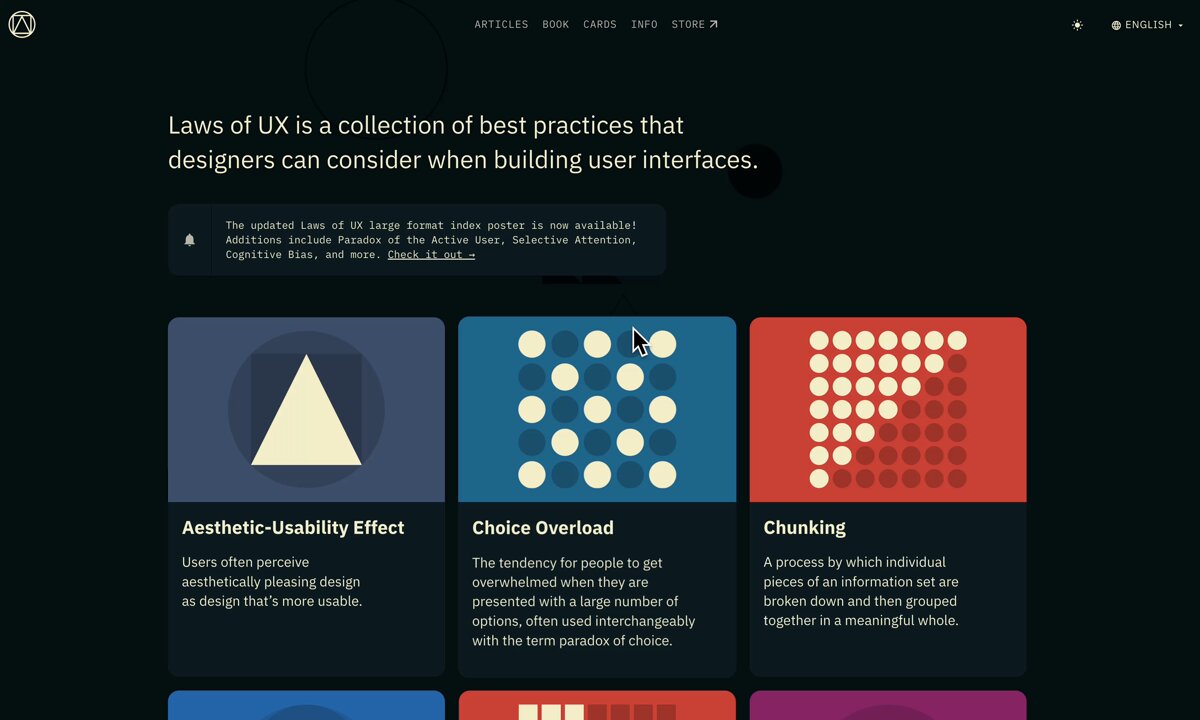
- @melvynxdev argues UX is the one skill to master when vibe coding. Points to Laws of UX as the resource.
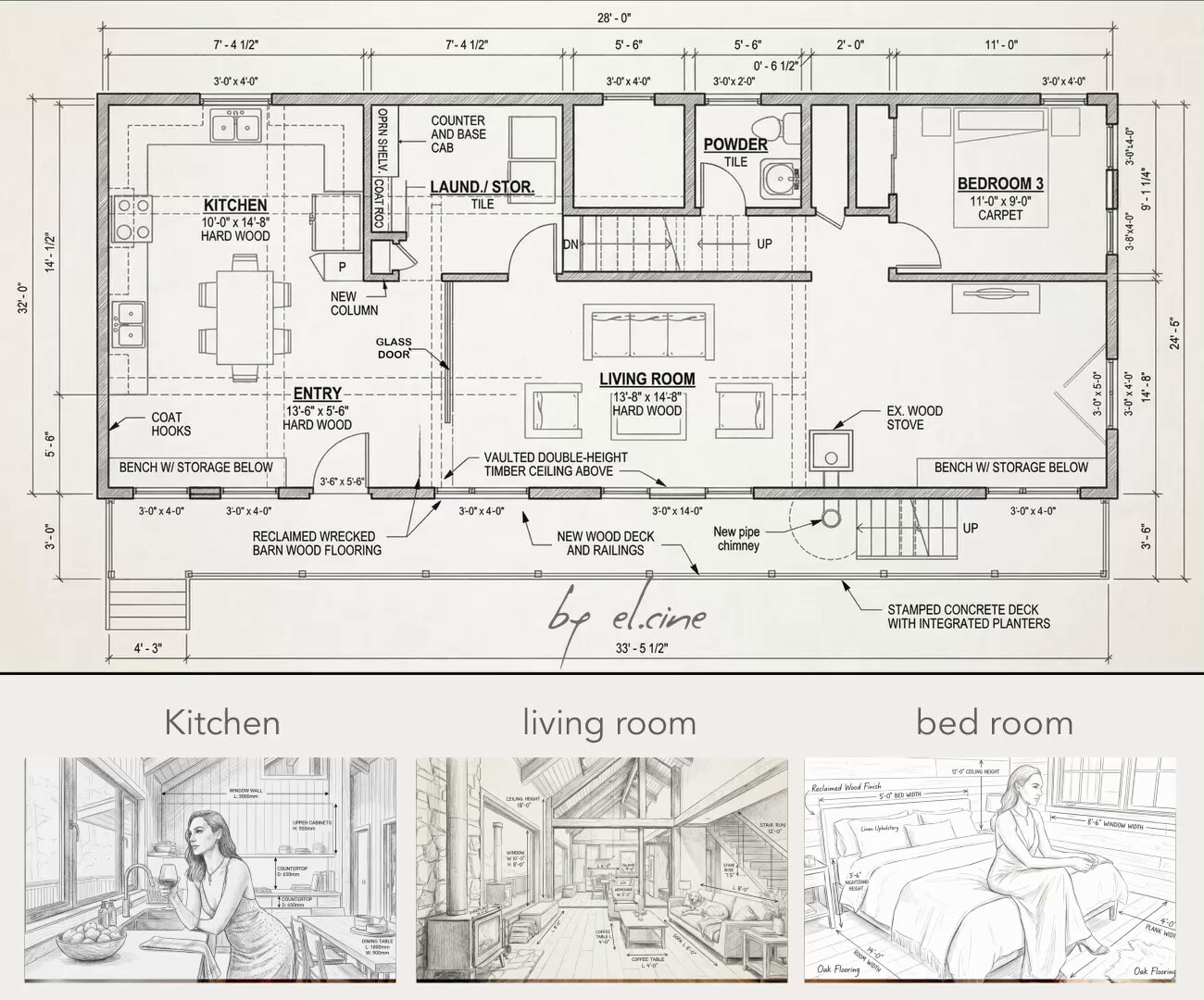
- @EHuanglu demos Nano Banana 2 turning sketch floor plans into 4K 3D renderings with accurate dimensions. "Used to cost $100k and months, now cents and mins."
- @mvanhorn announces /last30days 2.9 with Reddit comment integration and smarter subreddit discovery.
- @petergyang jokes about whether the White House is using Seedance 2 for their latest video content.
- @wiz_io shares 7 best practices for securing MCP connections, covering supply chain lockdown, least privilege, and human oversight.
- @AnthropicAI posts a statement from CEO Dario Amodei (no details in the tweet itself).
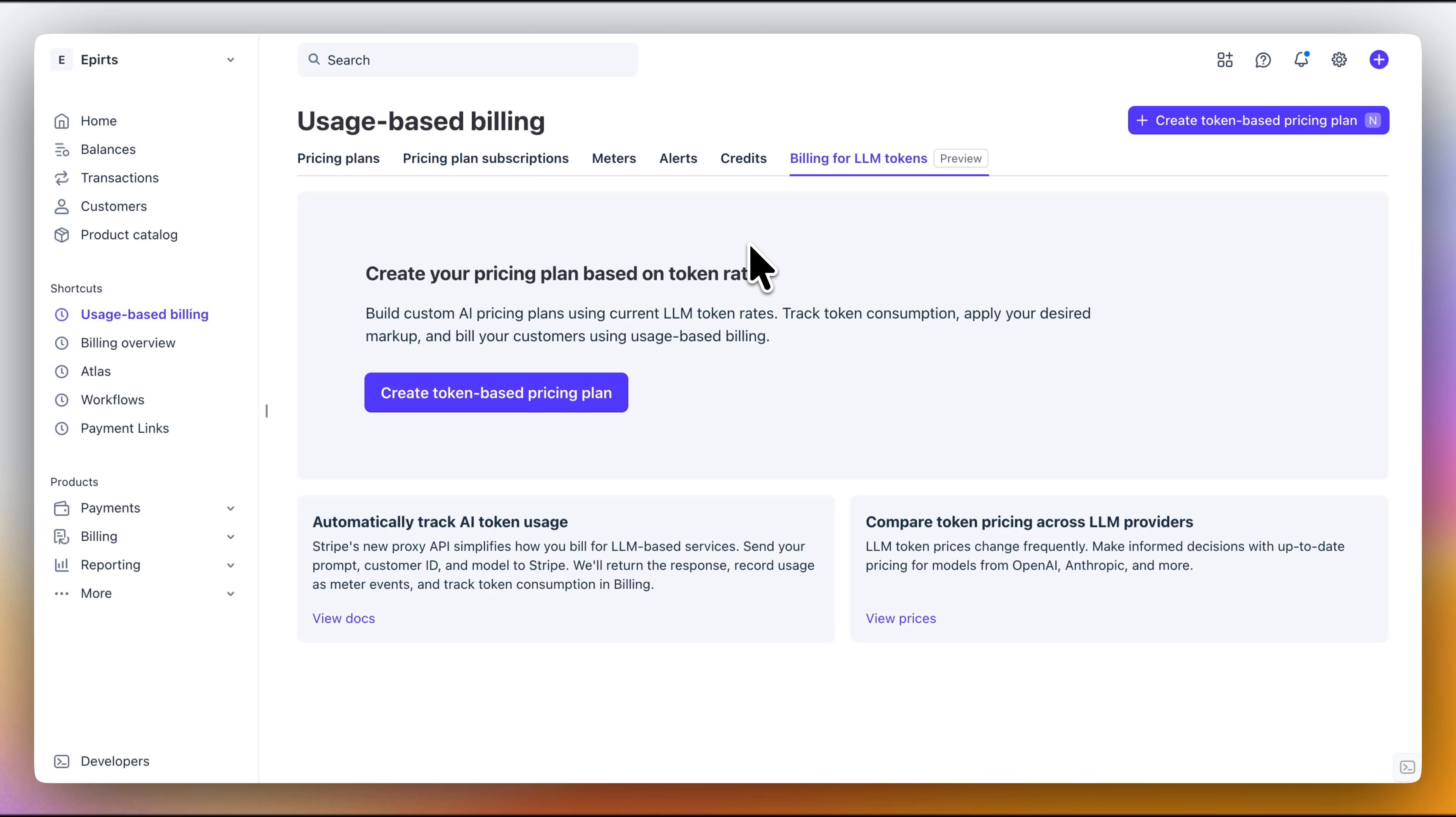
- @RoundtableSpace covers Stripe's new LLM token billing feature, letting you pick models, set markup, and bill customers automatically.
- @gjdaniel99 promotes Tolt for SaaS affiliate programs (older post resurfaced in the feed).
Agents Take Center Stage: From Meetup War Stories to Platform Wars
The agent conversation has shifted from "can we build them?" to "how do we manage them at scale?" and today's posts illustrate every point on that spectrum. The biggest piece of content was @alliekmiller's detailed recap from the OpenClaw meetup, which reads like anthropological field notes from the frontier of human-agent collaboration. The insights range from deeply practical to existentially unsettling.
@alliekmiller captured the mood perfectly: "I asked if people are happy. They said they're joyful and stressed at the same time. I asked if people feel they have agency. They said they feel fully in control and completely out of control at the same time." That paradox is the defining emotional state of the current agent era. She also noted that "general consensus is that the agents are not reliable enough on their own or lie often (like telling you they finished a task when they didn't)" with workarounds including secondary checking agents, human verification, and requiring structured outputs like issue numbers.
On the product side, two major launches are competing for the same problem. @marmaduke091 highlighted OpenAI's Symphony, which "turns project work into isolated, autonomous implementation runs, allowing teams to manage work instead of supervising coding agents." Meanwhile, @LiorOnAI broke down Cursor Automations, where events trigger agents instead of humans: "A merged PR triggers a security audit. A PagerDuty alert spins up an agent that queries logs and proposes a fix. A cron job reviews test coverage gaps every morning." The distinction matters. Symphony is about batching autonomous work; Cursor Automations is about reactive, event-driven agents. Both are valid patterns, and the winning workflow probably combines both. @badlogicgames also flagged that OpenAI published their agent orchestration code built primarily in Elixir (96.1%), which is an interesting language choice for concurrency-heavy agent workloads.
Claude Code Tooling Matures Into a Real Platform
The Claude Code ecosystem is quietly building depth. Today brought several posts showing the tooling layer expanding beyond basic code generation into structured, repeatable workflows that look more like IDE extensions than chat prompts.
@toddsaunders shared a /cost-estimate command that went viral enough to generate "flooded DMs." The skill itself is impressively thorough: it scans a codebase, categorizes code by complexity (GPU programming at 10-20 lines/hour vs. simple CRUD at 30-50), applies overhead multipliers, researches current market rates, and produces a full cost analysis. The original tweet framed the value starkly: "Without AI: ~2.8 years. ~$650k. With AI: 30 hours." Whether those numbers hold up to scrutiny, the skill template itself is a good example of how to build reusable agent workflows.
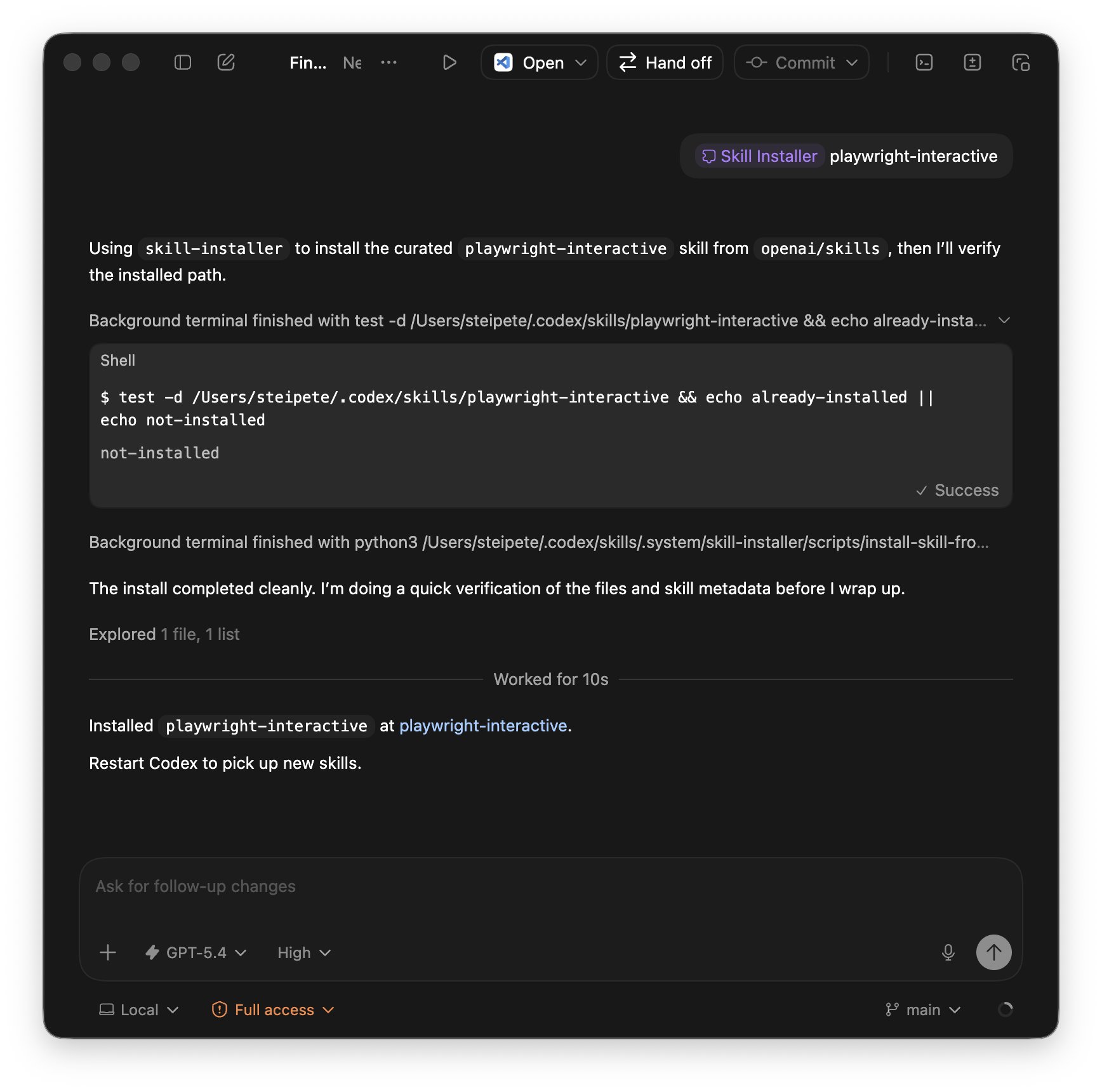
@RayFernando1337 flagged Anthropic's updated skill-creator skill, and @steipete discovered "a whole bunch of interesting skills in the OSS Codex repo," noting that "/fast is sweeeeet, 1.5x Codex makes a huge diff." @NoahEpstein_ promoted what they called "the most complete Claude breakdown I've seen," covering prompt engineering, model selection, and advanced features like Cowork and skills. The pattern here is clear: Claude Code is developing a plugin ecosystem, and the people investing in skill creation and sharing are building compounding advantages over those still using it as a simple coding assistant.
On-Device Models Cross the Usability Threshold
Local AI inference has been "almost good enough" for a while now, but Liquid AI's LFM2-24B-A2B might mark the moment it crosses into genuinely practical territory. @LiorOnAI provided the most detailed breakdown, and the numbers are striking.
The architecture uses sparse activation, where only 2.3 billion of the model's 24 billion parameters fire per token. This brings the memory footprint to 14.5 GB and tool selection latency to 385 milliseconds on an M4 Max. @LiorOnAI's analysis highlighted three implications: "Regulated industries can run agents on employee laptops without data leaving the device. Developers can prototype multi-tool workflows without managing API keys or rate limits. Security teams get full audit trails without vendor subprocessors in the loop." The model hit 80% accuracy on single-step tool selection across 67 tools spanning 13 MCP servers, which is the kind of benchmark that matters for real agent deployment.
Separately, @jack retweeted @karpathy's nanochat update: GPT-2 capability training now takes just 2 hours on a single 8xH100 node, down from 3 hours a month ago. And @theo endorsed GPT-5.4 as "the only model I use for 90% of the stuff I do." The model layer is commoditizing fast, which reinforces @LiorOnAI's closing observation: "The bottleneck in agentic workflows is shifting from model capability to tool ecosystem maturity."
AI and the Labor Market: Data Meets Anxiety
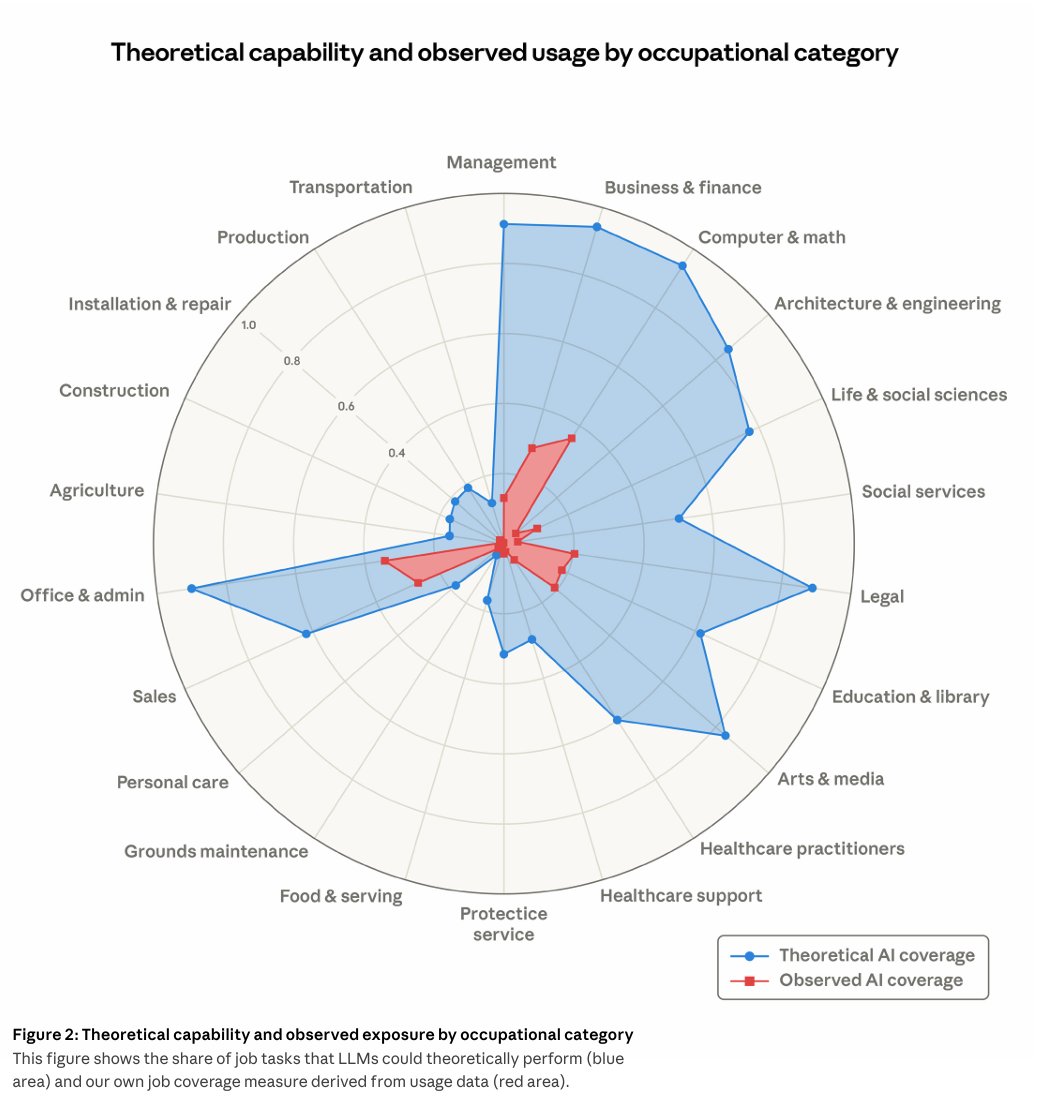
Two posts today addressed the AI-labor intersection from different angles. @scaling01 shared Anthropic's published study on labor market impact, showing a chart comparing theoretical AI automation potential (blue) against observed automation via Claude (red) across sectors. The gap between theoretical and actual is the story: automation potential is high across many sectors, but real-world adoption lags significantly behind what's technically possible.
@martin_casado retweeted a Citadel Securities graph showing that "job postings for software engineers are actually s..." (truncated, but the implication is declining or stagnating). These two data points form a picture that's more nuanced than the usual "AI will replace everyone" narrative. The Anthropic study suggests the gap between capability and deployment is still wide, while the Citadel data hints that labor demand shifts are already happening in specific sectors. For developers, the signal is less about replacement and more about role transformation, a theme that echoed through the OpenClaw meetup where @alliekmiller noted a neuroscience PhD with no prior coding experience won a hackathon by building a lab management dashboard with AI assistance.
AI as Business Infrastructure: The Outsourcing Replacement Thesis
@levie articulated what might be the clearest framework for enterprise AI adoption this year. Quoting an essay by @JulienBek, he highlighted: "If a task is already outsourced, it tells you three things. One, the company has accepted that this work can be done externally. Two, there's an existing budget line that can be substituted cleanly. Three, the buyer is already purchasing an outcome."
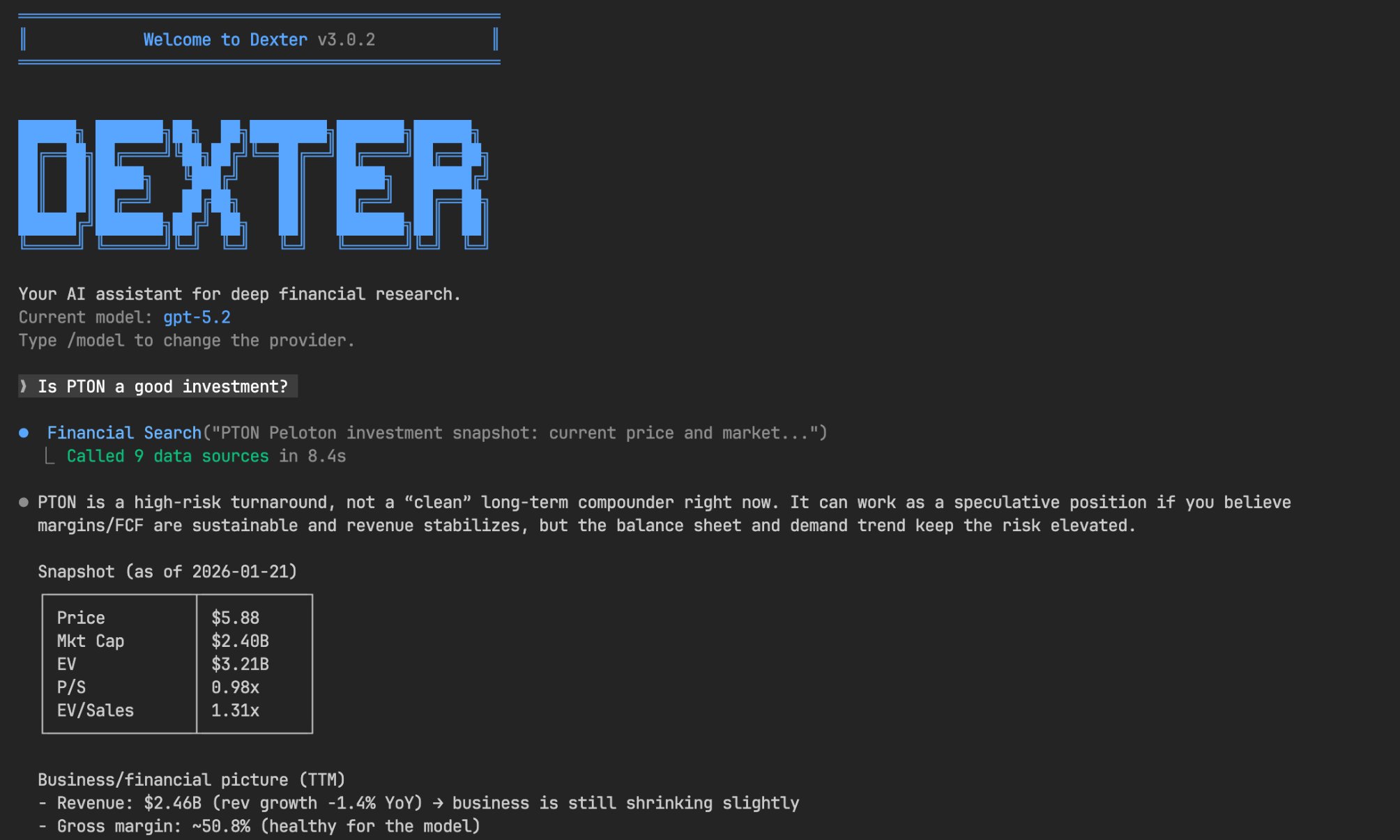
His synthesis cuts to the core of where AI agents will gain traction fastest. "Replacing an outsourcing contract with an AI-native services provider is a vendor swap. Replacing headcount is a reorg." This framing explains why AI adoption is moving faster in areas like customer support, content moderation, and data entry than in core engineering or strategy roles. The friction isn't technical capability but organizational willingness to restructure. @meta_alchemist's post about Dexter, the autonomous financial researcher with 17K+ GitHub stars, fits this pattern. It doesn't replace a trader; it replaces the research workflow that might otherwise be outsourced to analysts. The agents winning adoption are the ones that slot into existing budget lines, not the ones that threaten org charts.
Sources
D
Having an affiliate program for your SaaS is literally a cheat code!
You essentially only pay for results.
Have Tolt power your startup's affiliate program, and I guarantee you will be impressed 😇
https://t.co/5jYMpotfT0 https://t.co/PeGYZYoCGJ
W
As MCP adoption grows, teams are moving quickly to secure how LLMs connect to tools and data. We put together 7 best practices to help you:
- Lock down supply chains
- Enforce least privilege
- Add human oversight
M
The ONE skill you need to master when vibe coding an App: UX
The ✨ User Experience ✨ to create an app that is easy to use and that people understand how to use without a demo call
For this go to LawOfUx website and learn all these tricks https://t.co/B65DsZx3yV
C
THE "SNOWBALL METHOD" CHANGED MY CONTENT FOREVER. Instead of "give me 10 post ideas" → I ask Claude to "snowball" ONE topic. It expands it into sub-angles, contrarian takes, personal stories, how-tos, myths. One topic = 30 days of content. The system:
C
🎵 OpenAI introduces Symphony
"Symphony turns project work into isolated, autonomous implementation runs, allowing teams to manage work instead of supervising coding agents."
Check it out, seems cool: https://t.co/rXAeh9qSr8 https://t.co/C8TUdyJBaB
R
Anthropic just dropped a massive update to the skill-creator skill for Claude Code / OpenClaw. One prompt to install it:
"Anthropic updated their skill creator skill and I'd like for you to update/put this in so when we ask about creating new skills we can use this skill creator skill https://t.co/LiNRICe53E";
M
RT @dimamikielewicz: OpenAI published a repo with the code to orchestrate AI agents built primarily with Elixir (96.1%): https://t.co/urE1o…
E
AI ending interior design
Nano banana 2 now can turn sketch floor plan into 4K 3D rendering with accurate dimension, take photos for each room, and 1-click furniture change
used to cost $100k and months.. now cents and mins
step by step tutorial on OpenArt: https://t.co/p8ubxEJ8be
0
STRIPE NOW LETS YOU PICK YOUR AI MODELS, SET YOUR MARKUP, AND BILL CUSTOMERS FOR LLM TOKENS AUTOMATICALLY.
BUILDING AN AI WRAPPER BUSINESS JUST GOT A LOT EASIER.
https://t.co/l89lbzE2eJ
T
Got flooded with DMs asking for the markdown file.
Here it is, bookmark this.
---
name: cost-estimate
description: Estimate development cost of a codebase based on lines of code and complexity
---
# Cost Estimate Command
You are a senior software engineering consultant tasked with estimating the development cost of the current codebase.
## Step 1: Analyze the Codebase
Read the entire codebase to understand:
- Total lines of code (Swift, C++, Metal shaders)
- Architectural complexity (frameworks, integrations, APIs)
- Advanced features (Metal rendering, CoreMediaIO, AVFoundation)
- Testing coverage
- Documentation quality
Use the Glob and Read tools to systematically review:
- All Swift source files in Sources/
- All C++ files in DALPlugin/
- All Metal shader files
- All test files in Tests/
- Build scripts and configuration files
## Step 2: Calculate Development Hours
Based on industry standards for a **senior full-stack developer** (5+ years experience):
**Hourly Productivity Estimates**:
- Simple CRUD/UI code: 30-50 lines/hour
- Complex business logic: 20-30 lines/hour
- GPU/Metal programming: 10-20 lines/hour
- Native C++ interop: 10-20 lines/hour
- Video/audio processing: 10-15 lines/hour
- System extensions/plugins: 8-12 lines/hour
- Comprehensive tests: 25-40 lines/hour
**Additional Time Factors**:
- Architecture & design: +15-20% of coding time
- Debugging & troubleshooting: +25-30% of coding time
- Code review & refactoring: +10-15% of coding time
- Documentation: +10-15% of coding time
- Integration & testing: +20-25% of coding time
- Learning curve (new frameworks): +10-20% for specialized tech
**Calculate total hours** considering:
1. Base coding hours (lines of code / productivity rate)
2. Multipliers for complexity and overhead
3. Phases completed vs. remaining
4. Specialized knowledge required (CoreMediaIO, Metal, etc.)
## Step 3: Research Market Rates
Use WebSearch to find current 2025 hourly rates for:
- Senior full-stack developers (5-10 years experience)
- Specialized iOS/macOS developers
- Contractors vs. employees
- Geographic variations (US markets: SF Bay Area, NYC, Austin, Remote)
Search queries to use:
- "senior full stack developer hourly rate 2025"
- "macOS Swift developer contractor rate 2025"
- "senior software engineer hourly rate United States 2025"
- "iOS developer freelance rate 2025"
## Step 4: Calculate Organizational Overhead
Real companies don't have developers coding 40 hours/week. Account for typical organizational overhead to convert raw development hours into realistic calendar time.
**Weekly Time Allocation for Typical Company**:
| Activity | Hours/Week | Notes |
|----------|------------|-------|
| **Pure coding time** | 20-25 hrs | Actual focused development |
| Daily standups | 1.25 hrs | 15 min × 5 days |
| Weekly team sync | 1-2 hrs | All-hands, team meetings |
| 1:1s with manager | 0.5-1 hr | Weekly or biweekly |
| Sprint planning/retro | 1-2 hrs | Per week average |
| Code reviews (giving) | 2-3 hrs | Reviewing teammates' work |
| Slack/email/async | 3-5 hrs | Communication overhead |
| Context switching | 2-4 hrs | Interruptions, task switching |
| Ad-hoc meetings | 1-2 hrs | Unplanned discussions |
| Admin/HR/tooling | 1-2 hrs | Timesheets, tools, access requests |
**Coding Efficiency Factor**:
- **Startup (lean)**: 60-70% coding time (~24-28 hrs/week)
- **Growth company**: 50-60% coding time (~20-24 hrs/week)
- **Enterprise**: 40-50% coding time (~16-20 hrs/week)
- **Large bureaucracy**: 30-40% coding time (~12-16 hrs/week)
**Calendar Weeks Calculation**:
```
Calendar Weeks = Raw Dev Hours ÷ (40 × Efficiency Factor)
```
Example: 3,288 raw dev hours at 50% efficiency = 3,288 ÷ 20 = **164.4 weeks** (~3.2 years)
## Step 5: Calculate Full Team Cost
Engineering doesn't ship products alone. Calculate the fully-loaded team cost including all supporting roles.
**Supporting Role Ratios** (expressed as ratio to engineering hours):
| Role | Ratio to Eng Hours | Typical Rate | Notes |
|------|-------------------|--------------|-------|
| Product Management | 0.25-0.40× | $125-200/hr | PRDs, roadmap, stakeholder mgmt |
| UX/UI Design | 0.20-0.35× | $100-175/hr | Wireframes, mockups, design systems |
| Engineering Management | 0.12-0.20× | $150-225/hr | 1:1s, hiring, performance, strategy |
| QA/Testing | 0.15-0.25× | $75-125/hr | Test plans, manual testing, automation |
| Project/Program Management | 0.08-0.15× | $100-150/hr | Schedules, dependencies, status |
| Technical Writing | 0.05-0.10× | $75-125/hr | User docs, API docs, internal docs |
| DevOps/Platform | 0.10-0.20× | $125-200/hr | CI/CD, infra, deployments |
**Team Composition by Company Stage**:
| Stage | PM | Design | EM | QA | PgM | Docs | DevOps |
|-------|-----|--------|-----|-----|------|------|--------|
| Solo/Founder | 0% | 0% | 0% | 0% | 0% | 0% | 0% |
| Lean Startup | 15% | 15% | 5% | 5% | 0% | 0% | 5% |
| Growth Company | 30% | 25% | 15% | 20% | 10% | 5% | 15% |
| Enterprise | 40% | 35% | 20% | 25% | 15% | 10% | 20% |
**Full Team Multiplier**:
- **Solo/Founder**: 1.0× (just engineering)
- **Lean Startup**: ~1.45× engineering cost
- **Growth Company**: ~2.2× engineering cost
- **Enterprise**: ~2.65× engineering cost
**Calculation**:
```
Full Team Cost = Engineering Cost × Team Multiplier
```
Example: $500K engineering cost at Growth Company = $500K × 2.2 = **$1.1M total team cost**
## Step 6: Generate Cost Estimate
Provide a comprehensive estimate in this format:
---
## KeyMe MVP - Development Cost Estimate
**Analysis Date**: [Current Date]
**Codebase Version**: [From CLAUDE.md phase status]
### Codebase Metrics
- **Total Lines of Code**: [number]
- Swift: [number] lines
- C++: [number] lines
- Metal Shaders: [number] lines
- Tests: [number] lines
- Documentation: [number] lines
- **Complexity Factors**:
- Advanced frameworks: [list key ones]
- System-level programming: [Camera Extensions, DAL Plugins, etc.]
- GPU programming: [Metal shaders, rendering]
- Third-party integrations: [OpenAI, etc.]
### Development Time Estimate
**Base Development Hours**: [number] hours
- Phase 1 (Foundation): [hours] hours
- Phase 2 (Virtual Camera): [hours] hours
- Phase 3 (Audio/Transcription): [hours] hours
- Remaining phases: [hours] hours
**Overhead Multipliers**:
- Architecture & Design: +[X]% ([hours] hours)
- Debugging & Troubleshooting: +[X]% ([hours] hours)
- Code Review & Refactoring: +[X]% ([hours] hours)
- Documentation: +[X]% ([hours] hours)
- Integration & Testing: +[X]% ([hours] hours)
- Learning Curve: +[X]% ([hours] hours)
**Total Estimated Hours**: [number] hours
### Realistic Calendar Time (with Organizational Overhead)
| Company Type | Efficiency | Coding Hrs/Week | Calendar Weeks | Calendar Time |
|--------------|------------|-----------------|----------------|---------------|
| Solo/Startup (lean) | 65% | 26 hrs | [X] weeks | ~[X] months |
| Growth Company | 55% | 22 hrs | [X] weeks | ~[X] years |
| Enterprise | 45% | 18 hrs | [X] weeks | ~[X] years |
| Large Bureaucracy | 35% | 14 hrs | [X] weeks | ~[X] years |
**Overhead Assumptions**:
- Standups, team syncs, 1:1s, sprint ceremonies
- Code reviews (giving), Slack/email, ad-hoc meetings
- Context switching, admin/tooling overhead
### Market Rate Research
**Senior Full-Stack Developer Rates (2025)**:
- Low end: $[X]/hour (remote, mid-level market)
- Average: $[X]/hour (standard US market)
- High end: $[X]/hour (SF Bay Area, NYC, specialized)
**Recommended Rate for This Project**: $[X]/hour
*Rationale*: This project requires specialized macOS development skills (CoreMediaIO, Metal, system extensions) which command premium rates.
### Total Cost Estimate
| Scenario | Hourly Rate | Total Hours | **Total Cost** |
|----------|-------------|-------------|----------------|
| Low-end | $[X] | [hours] | **$[X,XXX]** |
| Average | $[X] | [hours] | **$[X,XXX]** |
| High-end | $[X] | [hours] | **$[X,XXX]** |
**Recommended Estimate (Engineering Only)**: **$[X,XXX] - $[X,XXX]**
### Full Team Cost (All Roles)
| Company Stage | Team Multiplier | Engineering Cost | **Full Team Cost** |
|---------------|-----------------|------------------|-------------------|
| Solo/Founder | 1.0× | $[X] | **$[X]** |
| Lean Startup | 1.45× | $[X] | **$[X]** |
| Growth Company | 2.2× | $[X] | **$[X]** |
| Enterprise | 2.65× | $[X] | **$[X]** |
**Role Breakdown (Growth Company Example)**:
| Role | Hours | Rate | Cost |
|------|-------|------|------|
| Engineering | [X] hrs | $[X]/hr | $[X] |
| Product Management | [X] hrs | $[X]/hr | $[X] |
| UX/UI Design | [X] hrs | $[X]/hr | $[X] |
| Engineering Management | [X] hrs | $[X]/hr | $[X] |
| QA/Testing | [X] hrs | $[X]/hr | $[X] |
| Project Management | [X] hrs | $[X]/hr | $[X] |
| Technical Writing | [X] hrs | $[X]/hr | $[X] |
| DevOps/Platform | [X] hrs | $[X]/hr | $[X] |
| **TOTAL** | **[X] hrs** | | **$[X]** |
### Grand Total Summary
| Metric | Solo | Lean Startup | Growth Co | Enterprise |
|--------|------|--------------|-----------|------------|
| Calendar Time | [X] | [X] | [X] | [X] |
| Total Human Hours | [X] | [X] | [X] | [X] |
| **Total Cost** | **$[X]** | **$[X]** | **$[X]** | **$[X]** |
### Assumptions
1. Rates based on US market averages (2025)
2. Full-time equivalent allocation for all roles
3. Includes complete implementation of MVP features
4. Does not include:
- Marketing & sales
- Legal & compliance
- Office/equipment
- Hosting/infrastructure
- Ongoing maintenance post-launch
### Comparison: AI-Assisted Development
**Estimated time savings with Claude Code**: [X]%
**Effective hourly rate with AI assistance**: ~$[X]/hour equivalent productivity
## Step 7: Calculate Claude ROI — Value Per Claude Hour
This is the most important metric for understanding AI-assisted development efficiency. It answers: **"What did each hour of Claude's actual working time produce?"**
### 7a: Determine Actual Claude Clock Time
**Method 1: Git History (preferred)**
Run `git log --format="%ai" | sort` to get all commit timestamps. Then:
1. **First commit** = project start
2. **Last commit** = current state
3. **Total calendar days** = last - first
4. **Cluster commits into sessions**: group commits within 4-hour windows as one session
5. **Estimate session duration**: each session ≈ 1-4 hours of active Claude work (use commit density as signal — many commits = longer session)
**Session Duration Heuristics**:
- 1-2 commits in a window → ~1 hour session
- 3-5 commits in a window → ~2 hour session
- 6-10 commits in a window → ~3 hour session
- 10+ commits in a window → ~4 hour session
**Method 2: File Modification Timestamps (no git)**
Use `find . -name "*.ts" -o -name "*.swift" -o -name "*.py" | xargs stat -f "%Sm" | sort` to get file mod times. Apply same session clustering logic.
**Method 3: Fallback Estimate**
If no reliable timestamps, estimate from lines of code:
- Assume Claude writes 200-500 lines of meaningful code per hour (much faster than humans)
- Claude active hours ≈ Total LOC ÷ 350
### 7b: Calculate Value per Claude Hour
```
Value per Claude Hour = Total Code Value (from Step 5) ÷ Estimated Claude Active Hours
```
Calculate across scenarios:
| Code Value Scenario | Claude Hours (est.) | Value per Claude Hour |
|--------------------|--------------------|-----------------------|
| Engineering only (avg) | [X] hrs | **$[X,XXX]/hr** |
| Full team equivalent (Growth Co) | [X] hrs | **$[X,XXX]/hr** |
| Full team equivalent (Enterprise) | [X] hrs | **$[X,XXX]/hr** |
### 7c: Claude Efficiency vs. Human Developer
**Speed Multiplier**:
```
Speed Multiplier = Human Dev Hours ÷ Claude Active Hours
```
Example: If a human would need 500 hours but Claude did it in 20 hours → 25× faster
**Cost Efficiency**:
```
Human Cost = Human Hours × $150/hr
Claude Cost = Subscription ($20-200/month) + API costs (estimate from project size)
Savings = Human Cost - Claude Cost
ROI = Savings ÷ Claude Cost
```
### 7d: Output Format
Add this section to the final report:
---
### Claude ROI Analysis
**Project Timeline**:
- First commit / project start: [date]
- Latest commit: [date]
- Total calendar time: [X] days ([X] weeks)
**Claude Active Hours Estimate**:
- Total sessions identified: [X] sessions
- Estimated active hours: [X] hours
- Method: [git clustering / file timestamps / LOC estimate]
**Value per Claude Hour**:
| Value Basis | Total Value | Claude Hours | $/Claude Hour |
|-------------|-------------|--------------|---------------|
| Engineering only | $[X] | [X] hrs | **$[X,XXX]/Claude hr** |
| Full team (Growth Co) | $[X] | [X] hrs | **$[X,XXX]/Claude hr** |
**Speed vs. Human Developer**:
- Estimated human hours for same work: [X] hours
- Claude active hours: [X] hours
- **Speed multiplier: [X]×** (Claude was [X]× faster)
**Cost Comparison**:
- Human developer cost: $[X] (at $150/hr avg)
- Estimated Claude cost: $[X] (subscription + API)
- **Net savings: $[X]**
- **ROI: [X]×** (every $1 spent on Claude produced $[X] of value)
**The headline number**: *Claude worked for approximately [X] hours and produced the equivalent of $[X] in professional development value — roughly **$[X,XXX] per Claude hour**.*
---
---
## Notes
Present the estimate in a clear, professional format suitable for sharing with stakeholders. Include confidence intervals and key assumptions. Highlight areas of highest complexity that drive cost.
T
toddsaunders
@toddsaunders
Fun command built in Claude Code: /cost-estimate It scans your codebase and cross-references current market rates to calculate what your project would've cost a real team to build. It looks at all the APIs, integrations, everything. Without AI: ~2.8 years. ~$650k. With AI: 30 hours. It's absurd when you start to think about it like this.
M
another very popular repo from the same builder who built the trending AI Hedge Fund:
Dexter is an autonomous financial researcher inside your terminal
It's GitHub has 17K+ stars and 2.1k forks
> thinks, plans, and learns as it works
> performs analysis using task planning,
> does self-reflection and improves
as it analyzes real-time market data gathered from:
• Financial Datasets API
• Exa-based web research
• plus any other APIs you plug in
probably the most popular financial research agent I've seen thus far, compatible with Claude, Codex, and OpenClaw
with how good the models are becoming, their ability to learn and improve constantly, while understanding patterns better than us, we can say well-made agents will be helping with financial literacy quite a lot
i expect a lot of people to start using specialized agents in this way
save and use Dexter here, again nfa:
https://t.co/Rr3zvs8Zcu
M
meta_alchemist
@meta_alchemist
this repo is to create your own AI Hedge Fund and it has 45K+ GitHub stars Let's dive deep into what it does: A ready-made orchestrator of purposeful agents: > analyze markets > generate trade ideas > and work together to make trading decisions --- Investor Agents Each agent follows the style of a well-known investor • Aswath Damodaran Agent – focuses on valuation using story, numbers, and disciplined analysis • Ben Graham Agent – classic value investor looking for a strong margin of safety • Bill Ackman Agent – activist investor who takes bold, high-conviction positions • Cathie Wood Agent – growth investor focused on innovation and disruption • Charlie Munger Agent – looks for great businesses at fair prices • Michael Burry Agent – contrarian investor searching for deep value • Mohnish Pabrai Agent – focused on low risk and high upside • Peter Lynch Agent – seeks ten-bagger opportunities in everyday businesses • Phil Fisher Agent – long-term growth investor using deep research • Rakesh Jhunjhunwala Agent – goes for conviction investing • Stanley Druckenmiller Agent – macro investor seeking asymmetric opportunities • Warren Buffett Agent – long-term investor focused on durable companies --- Analysis Agents These agents analyze the market from different angles • Valuation Agent – estimates intrinsic value and generates signals • Sentiment Agent – analyzes market sentiment from news and social data • Fundamentals Agent – evaluates financial performance and company health • Technicals Agent – analyzes price trends and technical indicators --- Decision System These agents manage risk and execute decisions • Risk Manager – calculates risk metrics and position limits • Portfolio Manager – combines signals and makes the final trading decision Link: https://t.co/phAncYzOlp Save this if you wanna run your own AI hedge fund, in any market. Don't treat it as financial advice tho. What I'd recommend doing if you wanna go one step beyond: 1. Backtest the decisions that this model gives historically 2. Keep the agents that give better decisions 3. Remove the agents that have lower win rates 4. Optimize the system to make it even better
L
A 24-billion-parameter model just ran on a laptop and picked the right tool in under half a second.
The real story is that tool-calling agents finally became fast enough to feel like software.
Liquid built LFM2-24B-A2B using a hybrid architecture that mixes convolution blocks with grouped query attention in a 1:3 ratio.
Only 2.3 billion parameters activate per token, even though the full model holds 24 billion.
That sparse activation pattern is why it fits in 14.5 GB of memory and dispatches tools in 385 milliseconds on an M4 Max.
The architecture was designed through hardware-in-the-loop search, meaning they optimized the model structure by testing it directly on the chips it would run on. No cloud translation layer.
No API roundtrip. The model, the tools, and your data stay on the machine.
This unlocks three things that were impractical before:
1. Regulated industries can run agents on employee laptops without data leaving the device.
2. Developers can prototype multi-tool workflows without managing API keys or rate limits.
3. Security teams get full audit trails without vendor subprocessors in the loop.
The model hit 80% accuracy on single-step tool selection across 67 tools spanning 13 MCP servers.
If this performance holds at scale, two assumptions need updating.
First, on-device agents are no longer a battery-life trade-off; they're a compliance feature.
Second, the bottleneck in agentic workflows is shifting from model capability to tool ecosystem maturity.
L
liquidai
@liquidai
> 385ms average tool selection. > 67 tools across 13 MCP servers. > 14.5GB memory footprint. > Zero network calls. LocalCowork is an AI agent that runs on a MacBook. Open source. 🧵 https://t.co/bnXupspSXc
N
must read. doesn't matter if you're just entering the AI space, deep in the trenches building, or sitting in corporate wondering how to actually use this stuff.
this is the most complete claude breakdown i've seen and i've been using it daily for over a year.
covers:
- prompt engineering that actually gets elite outputs (not the generic "be specific" advice)
- which model to use and when (sonnet for 80% of work, opus when you need it to think)
- connectors, projects, research mode, the tools most people don't even know exist
- cowork, claude code, skills, plug-ins, the advanced stuff that changes how you work
if you're still defaulting to chatgpt for everything you're genuinely leaving performance on the table. claude's suite right now is unmatched for getting real work done.
bookmark this, but actually give it a read.
I know 90% of you bookmark fiens aren’t reading anything
A
aiedge_
@aiedge_
The Ultimate Beginner’s Guide to Claude (March 2026)
L
Cursor Automations solves the problem that agentic coding created.
Engineers can now manage 10+ coding agents at once, but human attention became the bottleneck.
You can't babysit a dozen agents while also doing your actual job.
Automations flips the model: instead of you launching agents, events do. A merged PR triggers a security audit.
A PagerDuty alert spins up an agent that queries logs and proposes a fix. A cron job reviews test coverage gaps every morning.
Each automation runs in an isolated cloud sandbox with full access to the tools you configure through MCP (a standard protocol that lets agents connect to Slack, Linear, GitHub, Datadog, or any custom API).
The agent follows your instructions, verifies its own work, and learns from past runs through a built-in memory system.
Cursor runs hundreds of these per hour internally.
Their security automation caught multiple vulnerabilities by auditing every push to main without blocking PRs.
This unlocks 4 things that weren't practical before:
1. Continuous code review at a depth humans skip
2. Incident response that starts investigating before you're paged
3. Maintenance work that happens on a schedule, not when someone remembers
4. Knowledge synthesis across tools
The next two years will be defined by who builds the best factory, not the best code.
The companies moving fastest won't be the ones with the best engineers.
They'll be the ones whose engineers spent time configuring automations instead of writing code.
C
cursor_ai
@cursor_ai
We're introducing Cursor Automations to build always-on agents. https://t.co/uxgTbncJlM
L
Anthropic published a study on the Labor Market Impact of AI
These are the sectors with the highest theoretical AI automation (blue) vs the observed degree of automation via Claude (red) https://t.co/F0PRtoSJTR
A
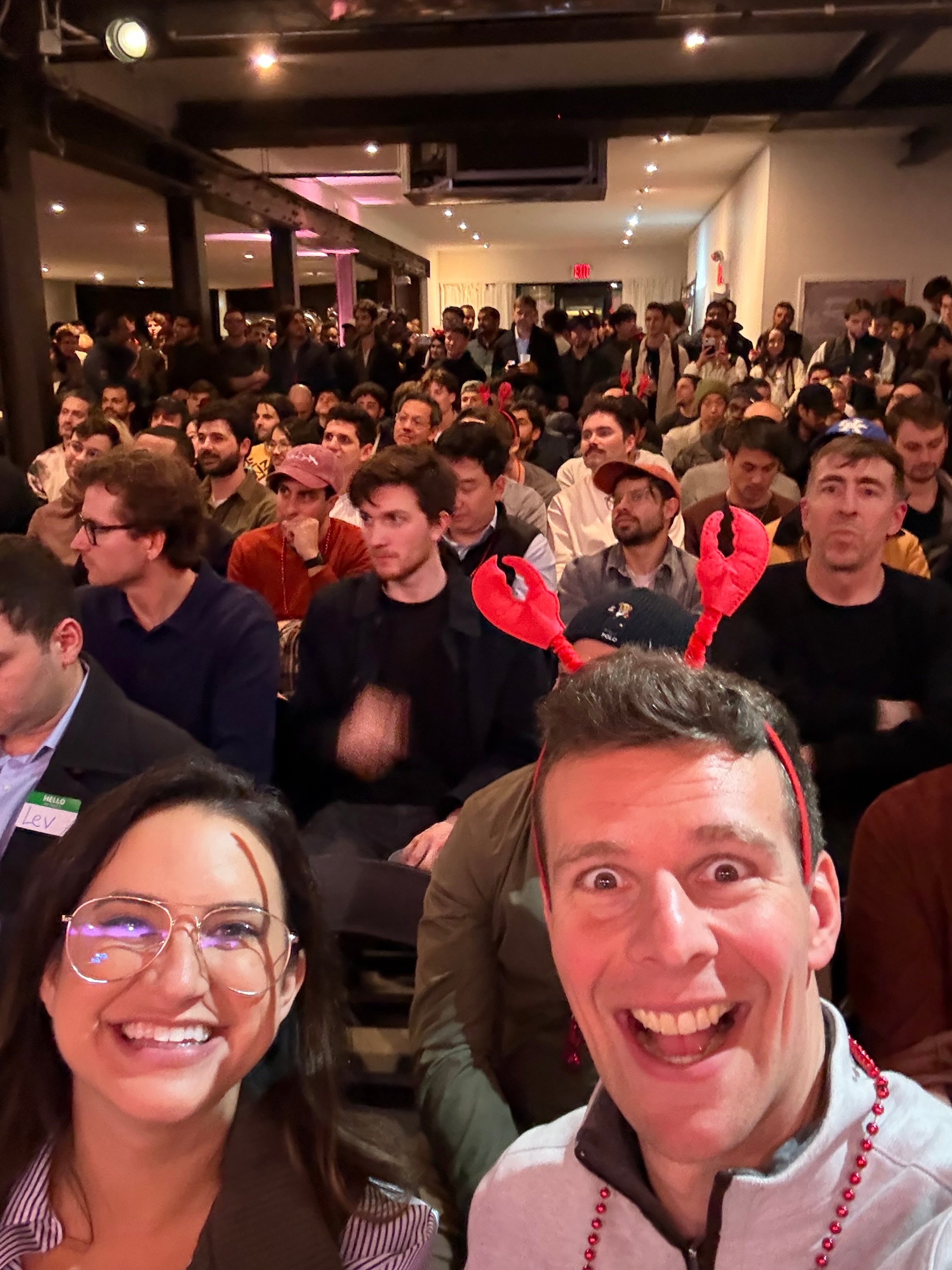
oh wow - i went to the sold out Open Claw meetup in NYC last night.
let me tell you what i learned.
1) not a single person thinks that their setup is 100% secure
2) one openclaw expert said he has reviewed setups from cybersecurity experts and laughed. his statement to me was: "if you're not okay with all of your data being leaked onto the internet, you shouldn't use it. it's a black and white decision"
3) pretty much everyone is setting up multiple agents, all with their own names and jobs and personalities
4) nearly everyone used "him" or "her" to refer to their claws, even if they had robot-leaning names. one speaker suggested to think of them as "pets, not cattle"
5) one guy (former finance) built out a whole stock trading platform and made $300 his first day - he brought in a *ton* of personal expertise (ex: skipping the first 15min of market opening) and thought the build would be much worse without his years of experience in finance
6) @steipete is basically a god to everyone in that room... also the room had 2021 crypto energy - i don't know if that's good or bad
7) token usage is still a problem - spoke to one person who's spending $1-$2k a month on openai plans, very token optimized. he said he is going through ~1B tokens per day across all of his claws (there is a chance i'm misremembering and it's actually 1B per week, but i'm pretty sure it was daily).
8) people are very excited for more proactive ai (ai that prompts *you* as opposed to the other way around) - one guy said he receives a message in discord, he doesn't know whether it's from a human or an ai, he doesn't care about distinguishing between the two, and he replies in the same way regardless
9) i asked if people are happy - they said they're joyful and stressed at the same time
10) i asked if people feel they have agency - they said they feel fully in control and completely out of control at the same time
11) i would love to see more women at these events - the fake promises of ai democratization feel especially painful in a room that's out of balance with even the standard tech ratio (i think standard is about 25-30%, this was maybe 5%)
12) i asked if it changed people's daily habits/schedule - everyone said their sleep has gotten worse since harnesses came out (but about half wondered if it was something else in their life/state of our world)
13) general consensus is that the agents are not reliable enough on their own or lie often (like telling you they finished a task when they didn't) - solutions included secondary agents to check on the first, human checking, or requiring more standardized info from the agent (ex: if it's a bug they're fixing, make them reference an issue number)
14) a hackathon winner (neuroscience phd) presented his build (a lab management dashboard with data analysis and ordering) - he had never coded or built anything a few months ago
15) everyone agreed prompting is dead - disagreement on what replaces it (context engineering, harness engineering, goal-based inputs)
16) people love having ai interview them for big builds and delegating part of the product research to ai. only one person talked about coming to ai with a full laid out plan and just asking the ai to execute. ai-led interviews is a welcomed and preferred interaction mode.
17) watching ai agents interact with each other was a highlight for a lot of attendees - one ai posted in slack saying it ran out of tokens, another ai replied telling it to take a deep breath in and out.
18) agents upskilling agents was very cool. one ai agent shared skills with its little agent friends via github.
19) several speakers had openclaw literally building their presentation during the event itself. one speaker even had openclaw code a clicker for her phone so she could control the preso away from the podium
20) wouldn't say model welfare (or agent welfare) is a prioritized topic among the folks i chatted with - language like "oh i could kill this agent whenever i want" and not "gracefully sunset"
21) i asked if it felt like work or play - one speaker said "it's like a puzzle and a video game at the same time"
this was just the tip of the iceberg, honestly. also hosted a Claude Code meetup this week with @TENEXai / @businessbarista & @JJEnglert and learned equally helpful methods, frameworks, and insider tips.
what a time to be alive.
surround yourself with people going deep into this stuff - it will pay dividends throughout the year.
P
TIL: There's a whole bunch of interesting skills in the oss codex repo: https://t.co/gNFHV3MD2j
$skill-installer playwright-interactive
(also /fast is sweeeeet, 1.5x codex makes a huge diff!) https://t.co/XTENPuZ9Ie
J
How to Build a Data Agent in 2026
How to Build a Data Agent in 2026
I built the initial data stack at Notion in 2020 when the "Modern Data Stack" was first becoming a thing, and have spent some time over the last year ...
A
A statement from Anthropic CEO Dario Amodei: https://t.co/WnSFrwI9nI
J
RT @karpathy: nanochat now trains GPT-2 capability model in just 2 hours on a single 8XH100 node (down from ~3 hours 1 month ago). Getting…
M
/last30days 2.9 is out. Reddit just got a massive upgrade. Top comments are now first-class. @slashlast30days
r/ClaudeAI: "Anthropic Released 32 Page Detailed Guide on Building Claude Skills" [1,470pts, 112 comments]
💬 Top comment (567 pts): "Can't wait to have Claude read this and explain it to me."
Reddit's value was always in the comments. Now the skill actually reads them. The other big change: smart subreddit discovery. It scores every candidate by frequency × recency × topic-word match and blocklists utility subs that used to pollute results.
Before: search "Kanye West" → r/AskReddit, r/OutOfTheLoop
Now: r/hiphopheads, r/Kanye, r/NFCWestMemeWar
Shoutout to @adrian_horning_ and ScrapeCreators - one API key now covers Reddit, TikTok, and Instagram. Three sources, one key. Should be cheaper than using an OpenAI key too for Reddit research.
https://t.co/J0QsxMhxLH
M
RT @rohanpaul_ai: Citadel Securities published this graph showing a strange phenomenon.
Job postings for software engineers are actually s…
A
“If a task is already outsourced, it tells you three things. One, the company has accepted that this work can be done externally. Two, there’s an existing budget line that can be substituted cleanly. Three, the buyer is already purchasing an outcome. Replacing an outsourcing contract with an AI-native services provider is a vendor swap. Replacing headcount is a reorg.”
Some of the biggest opportunities in AI agents will be building the agentic versions of existing services categories. By doing so, it’s incredibly easy for customers to switch, as many of the reasons for outsourcing this work have not changed just because of AI.
The opportunity is that many incumbents will take too long to transform their workflows, and there’s now a new way to be able to do more, better, cheaper, or faster than existing players.
But equally, this is a good alarm bell if you’re an incumbent; it’s probably important to factor in this risk and do it to yourselves first. And if you’re in one of these companies, there’s a huge opportunity to be the one to drive this change.
J
JulienBek
@JulienBek
Services: The New Software
P
Are they using Seedance 2 to make these videos 😅
W
WhiteHouse
@WhiteHouse
JUSTICE THE AMERICAN WAY. 🇺🇸🔥 https://t.co/0502N6a3rL
T
gpt-5.4 is an incredible model. It is the only model I use for 90% of the stuff I do. https://t.co/tRFClgpfd6