Skills Systems Dominate as Claude Code and Cursor Race to Define Agent Workflows
The AI coding community rallied around skills and task systems as the dominant paradigm for scaling agent workflows, with Claude Code's new task coordination and Cursor's skills getting the most attention. Meanwhile, autonomous agents running on dedicated hardware became a recurring flex, and NVIDIA and Alibaba both dropped notable open-source voice models.
Daily Wrap-Up
If there was one word that defined today's discourse, it was "skills." From Cursor's new skills system to Claude Code's task coordination, the community collectively decided that the way to make AI coding agents actually useful long-term is to teach them reusable, composable behaviors rather than starting from scratch every session. @jediahkatz kicked off the loudest thread with a "capture-skill" meta-skill that turns what you teach an agent in one session into a permanent capability, and the idea clearly resonated. @Context7AI announced they'd extracted 24,000 skills from 65,000 repos, @shaoruu shared an internal /council command that spins off subagents, and @mattpocockuk stirred the pot by arguing Anthropic's own Ralph plugin defeats its purpose. The through-line is clear: we're past the "can AI write code" phase and deep into "how do we make AI coding repeatable and reliable."
The agent-on-dedicated-hardware trend also had a strong showing. @NetworkChuck rigged his server with a phone number so Claude Code can literally call him when something breaks, @AlexFinn has an agent watching all his GitHub repos and texting him when features ship, and @localghost set up a Mac Mini with its own Apple account, Gmail, and GitHub for an autonomous agent. These aren't research demos. These are people running persistent agents on real infrastructure, treating them like junior employees with their own credentials. The gap between "I tried Claude Code" and "I have a fleet of agents running 24/7" is widening fast. The most practical takeaway for developers: start building a personal skills library today. Whether you're on Cursor or Claude Code, capture your recurring workflows as reusable skills or prompts. The compounding returns from a well-maintained skills library will far outpace any single clever prompt.
Quick Hits
- @1billionsummit RT'd a Creators HQ and X collaboration invite for original productions. Not AI-specific but showed up in the feed.
- @AustinHickam shared a similar phone-based AI project he built for a birthday party, riffing on @NetworkChuck's Claude-Phone demo.
- @GithubProjects teased an open-source model that "changes how we talk to AI" with zero specifics. Expect it in every chat app, apparently.
- @mntruell expressed excitement about skills landing in Cursor. Short and sweet.
- @KingBootoshi offered the day's most quotable one-liner: "all a company needs is an autistic nerd with adhd and a $200 claude code subscription."
- @howdymerry framed the AI race as "seizing the means of intelligence production." Cold war vibes in six words.
- @ashebytes broke down Anthropic's open-sourced engineering test, exploring how to measure human intuition and creativity in the age of AGI. Worth a read if you're thinking about hiring in an AI-native world.
- @thdxr flagged a spec from the author of git-ai for annotating commits with metadata about AI-generated code. He's considering implementing it in opencode, arguing this can't live only in proprietary tools like Cursor Blame.
Skills & Task Systems Take Center Stage
The single biggest theme today was the emergence of skills as the organizing principle for AI coding workflows. This isn't about one-off prompts anymore. It's about building durable, shareable libraries of agent behaviors that survive across sessions and teams.
@jediahkatz made the strongest case with a "capture-skill" prompt that watches what you teach an agent during a session and saves it as a reusable skill:
> "capture-skill" takes what you taught the agent in the current session and saves it for you and your team to use over and over. You should be using this CONSTANTLY!
He followed up with a concrete example: after debugging Datadog MCP tool call errors and teaching the model which tags to use, he captured the whole workflow as /investigate-tool-errors. @SevenviewSteve immediately added it to his own growing library, calling it "very meta."
On the platform side, @Context7AI announced they'd extracted 24,000 skills from 65,000 repositories, installable via a single CLI command and compatible with Cursor, Claude Code, and others. @shaoruu shared an internal Cursor command called /council that spins off configurable numbers of subagents to explore a problem in parallel. And @nummanali published a practical guide to Claude Code's new task system, which @paraddox expanded on, noting it now supports dependency tracking between tasks, multi-session coordination, and subagent collaboration.
The most contentious take came from @mattpocockuk, who argued that Anthropic's official Ralph plugin undermines the entire design philosophy of aggressive context window management:
> Anthropic's Ralph plugin sucks, and you shouldn't use it. It defeats the entire purpose of Ralph, to aggressively clear the context window on each task to keep the LLM in the smart zone.
Whether you agree with that assessment or not, the fact that the community is debating the ergonomics of agent memory management shows how quickly the tooling conversation has matured. We've gone from "AI can write code" to "here's how to architect your agent's cognitive lifecycle" in remarkably little time. @claudeai also quietly shipped Claude in Excel for Pro plans with multi-file drag and drop and auto compaction, which feels like skills thinking applied to spreadsheets.
Autonomous Agents Get Their Own Hardware
A growing number of developers are treating AI agents less like tools and more like employees, complete with dedicated machines, their own accounts, and 24/7 uptime. Today's posts painted a vivid picture of what this looks like in practice.
@NetworkChuck demonstrated the most creative setup: a home server with its own phone number that can both receive calls (letting him talk to Claude Code from anywhere, even a payphone) and make outbound calls when something breaks:
> My server can call ME. When something breaks, it picks up the phone and tells me about it.
@AlexFinn took a different approach, running an agent that monitors all his GitHub repositories, autonomously generates features, builds and ships them, then texts him when they're done. His summary was blunt: "I legit can just play Arc Raiders all day while my Mac Mini comes up with new ideas and just does them." Meanwhile, @localghost took the identity separation seriously, giving their Mac Mini agent its own Apple account, Gmail, and GitHub rather than sharing personal credentials.
The tooling around these setups is maturing too. @idosal1 showed off AgentCraft updates with per-agent recommendations and a dashboard for monitoring everything at a glance, while @L1AD built a kanban board with live updates across all agent sessions. These aren't toy demos. They represent a real operational pattern emerging: persistent agents on dedicated hardware, with monitoring and coordination layers on top. The infrastructure for "agent ops" is being built in public right now.
The 1000x Employee Thesis
Several posts today wrestled with what AI means for individual productivity and identity. @codyschneiderxx posted the longest and most detailed thread, arguing that the most effective employees will bring their own custom agents and personal software to their jobs:
> Every week it gets extended, refined, and more capable of doing the things I don't want to do or the things I shouldn't be wasting time on. Over time, it stops feeling like "tools" and starts feeling like infrastructure. A personal backend. A private ops team.
His thesis is that compounding automation creates a new class of "1000x employees" who effectively show up with their own R&D department. @klarnaseb echoed this from the enterprise side, arguing that being "AI native" means rebuilding every tool, system, and workflow from scratch.
@IterIntellectus offered the philosophical counterpoint, acknowledging the real loss people feel when their craft gets automated while arguing that meaning should come from what you're working for, not the work itself:
> The ones who answer "who are you" with "I'm a father" instead of "I am my job title" won't even understand what everyone else is panicking about. They built on something that can't be automated.
These perspectives aren't contradictory. They're two sides of the same disruption. The people building personal agent infrastructure are adapting to a world where routine execution is cheap, while the philosophical thread asks what happens to everyone else. Both conversations matter, and the tension between them will define the next few years of work.
Vibe Coding Goes Visual
The creative applications of AI coding had a strong showing. @chongdashu published a complete workflow for vibe-coding 2D games using PhaserJS skills, Playwright for testing, and a mix of Opus 4.5, GPT 5.2, Claude Code, and Codex CLI. The fact that a game development workflow now spans multiple AI models and tools like interchangeable parts says something about where we are.
@lucas__crespo shared what might be the day's most visually impressive result: the entirety of NYC mapped into massive isometric art, generated through coding agents. And @levelsio, ever the provocateur, posted a single Claude command that generates 1000 startup ideas from Reddit, builds landing pages, registers domains, configures Nginx, and adds Stripe buy buttons. The --dangerously-skip-permissions flag really sells the energy.
@EHuanglu rounded out the creative AI theme with an agent that connects to Blender and auto-builds 3D and 4D models from images, including animation. The common thread across all of these is that AI isn't just writing backend CRUD apps anymore. It's generating visual, interactive, creative output that would have taken teams of specialists not long ago.
Voice AI Drops Two Open-Source Models
Two notable open-source voice models dropped today. @HuggingModels covered NVIDIA's PersonaPlex-7B, a full-duplex voice model that can listen and talk simultaneously without the awkward turn-taking pauses that plague most voice AI:
> No pauses. No turn-taking. Real conversation. 100% open source.
@itsPaulAi highlighted Alibaba's Qwen3-TTS on Hugging Face, which can clone any voice from a very short audio sample at just 0.6B and 1.8B parameter sizes. Both models being open-source and relatively small means they're viable for local deployment, which connects directly to @alexocheema's observation that local AI coding has "a lot of rough edges, but it works, and the models are super capable." The direction is clear: capable voice AI is moving from cloud-only APIs to something you can run on your own hardware.
Sources
A
New on the Anthropic Engineering Blog: We give prospective performance engineering candidates a notoriously difficult take-home exam. It worked well—until Opus 4.5 beat it.
Here's how we designed (and redesigned) it: https://t.co/3RZVyhpVij
A
We're also releasing the original exam for anyone to try.
Given enough time, humans still outperform current models—the fastest human solution we've received still remains well beyond what Claude has achieved even with extensive test-time compute.
N
This product is straight out of a science fiction movie. OMG!
Watch me go through this onboarding here. My mind has been blown. It's bringing design to the vibe coding era.
Finally! https://t.co/e0uaKMKL7H
T
tomkrcha
@tomkrcha
Excited to launch Pencil INFINITE DESIGN CANVAS for Claude Code > Superfast WebGL canvas, fully editable, running parallel design agents > Runs locally with Claude Code → turn designs into code > Design files live in your git repo → Open json-based .pen format https://t.co/UcnjtS99eF
M
I told claude code:
1. Install the remotion skill
2. Research my latest product
3. Make 10 cool demos
4. I watched them & said make 10 similar to the one I liked the most
5. Add music
Done https://t.co/yCj1qjJOWu
B
all a company needs is an autistic nerd with adhd and a $200 claude code subscription
C
Introducing Context7 Skills! 🎉
◆ We extracted 24k skills from 65k repos
◆ Skills for Tailwind, React, Better-Auth, etc.
◆ Install in a single CLI command
Perfect for Cursor, Claude Code & others 👇 https://t.co/mHItwWBMu1
I
AgentCraft update⚔️
Control each agent with recommendations, see everything at a glance, react instantly to what matters, and lots of whimsy!
First invites dropping this weekend
P
So you can clone any voice 100% locally using this new open source model?!
Alibaba has released Qwen3-TTS on Hugging Face.
You can easily:
- Create custom voices
- Clone any voice from a VERY short audio
- Generate speech with style instructions
Only 0.6B & 1.8B!
Sound on🔊 https://t.co/wSGnk5tf4g
@
claude -p "come up with 1000 startup ideas from the top Reddit posts, build their landing page, reg domain names and add them as vhosts to Nginx on a VPS you make on Hetzner, add Stripe buy button, test in Chrome, don't make any mistakes" --dangerously-skip-permissions --chrome
A
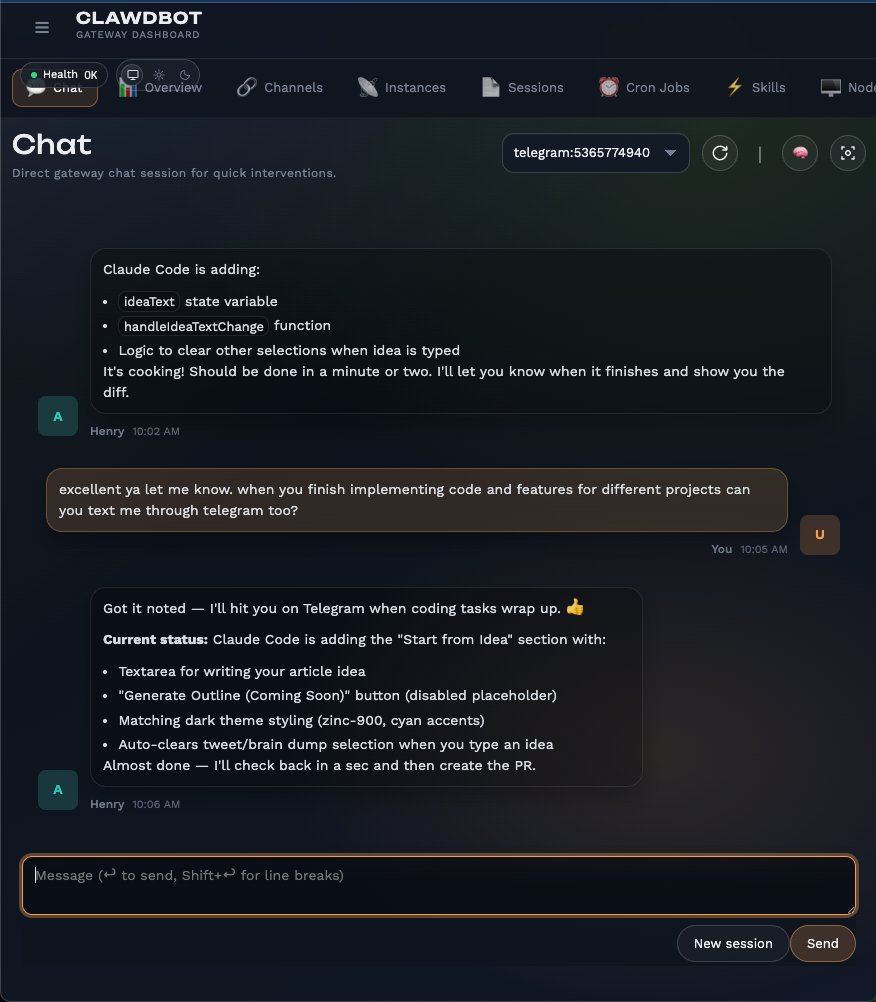
Bro wtf I have an AI agent watching all my Github repositories just coming up with new features, building them, shipping them, then texting me when they're done
I legit can just play Arc Raiders all day while my Mac Mini comes up with new ideas ad just does them
AGI is here https://t.co/3LkqPeV4G3
A
AlexFinn
@AlexFinn
Just hired my first employee today. The best part is he works 24/7/365. Welcome Clawd. https://t.co/yGPOKASdxx
A
We’re in this really interesting moment of asking:
how do you measure signals for human intuition and creativity in the age of AGI?
very cool that @AnthropicAI open sourced their eng test! & ty to @trishume for the thoughtful write up
took a stab at explaining the problem set up & some strategies
link: https://t.co/gF043UYAEW
A
AnthropicAI
@AnthropicAI
New on the Anthropic Engineering Blog: We give prospective performance engineering candidates a notoriously difficult take-home exam. It worked well—until Opus 4.5 beat it. Here's how we designed (and redesigned) it: https://t.co/3RZVyhpVij
H
NVIDIA just dropped PersonaPlex-7B 🤯
A full-duplex voice model that listens and talks at the same time.
No pauses. No turn-taking. Real conversation.
100% open source. Free.
Voice AI just leveled up.
https://t.co/YfzFQfBzMS https://t.co/L46XE1d3zz
C
so I’m starting to believe more and more that the most effective startup employees will have custom agents and personal software they bring to their jobs
and these people will become 100x employees
how I see this working:
personally, the way I operate now is simple
basically whatever I’m working on, I’m trying to automate parts of it in the background while I work on it
I’m either building agents that can take over the task as it comes up
or building software that eliminates it entirely
and this stack of software slowly becomes an extension of m
every week it gets a extended, refined, and more capable of doing the things I don’t want to do or the things I shouldn’t be wasting time on
over time, it stops feeling like “tools” and starts feeling like infrastructure
a personal backend
a private ops team
a swarm of specialized agents that quietly remove friction from everything I touch
and once you start working like this, it’s impossible to go back
you start seeing every repetitive action, every manual process, every annoying workflow as a bug
not in the company’s system but in your system
if you fix 3–5 of these bugs every week, you wake up a few months later with:
- your own automations
- your own research agents
- your own monitoring systems
- your own custom interfaces
- your own intelligence layer sitting on top of your job
it’s compounding leverage
and I think that’s where the 100x employee comes from
not from raw talent
not from hustle
but from the quiet accumulation of self-augmenting tools that raise your ceiling until you’re operating on an entirely different curve
most people will still be “doing work.”
a few will be architecting systems that do their work for them
those people win
those people become irreplaceable
those people become their own force multipliers
companies that recognize this and empower it will end up hiring individuals who effectively show up with their own internal R&D department in their github repo
we’re entering the era of the 1000x startup employee
and it’s going to change everything
C
As promised, here's my full workflow of how to vibe code 2d games like this:
- PhaserJs skill for gamedev
- Playwright skill for testing
- Opus 4.5 / Gpt 5.2
- Claude Code / Codex CLI / Cursor
Step-by-step video below👇
Source code + agent .mds + playable links in reply https://t.co/q8JbIDoyNi
C
chongdashu
@chongdashu
Continuing my vibe coding journey with 2d games From blank screen to below in just a few prompts Thanks to Agent Skills! > GPT 5.2 High + GPT 5.2 Codex in Codex CLI > Parallax scrolling > Fully animated character movement > PhaserJs Skill Not a single line of code written👇 https://t.co/xNWRPZAYWu
E
AI is getting ridiculous..
this new AI agent connects to Blender and auto builds 3D/4D models from an image
and even animate the models https://t.co/bUPmtgyqOH
G
This open-source model changes how we talk to AI.
Expect it in every AI chat app sooner than you think.
H
HuggingModels
@HuggingModels
NVIDIA just dropped PersonaPlex-7B 🤯 A full-duplex voice model that listens and talks at the same time. No pauses. No turn-taking. Real conversation. 100% open source. Free. Voice AI just leveled up. https://t.co/YfzFQfBzMS https://t.co/L46XE1d3zz
A
Everyone on my feed is talking about local models and buying GPUs/Macs to run them
This is the good timeline, so glad things are playing out the way they are
P
📢 Meet Playwright CLI — a SKILL-friendly way of the browser automation. Learn more at https://t.co/xmWW50kAGY. Happy testing!
E
The @xAI team is working on providing For You tabs that are specific to topics.
For example, a “For You AI” that is focused only on artificial intelligence with no political rage bait.
This would be like automatically generated follow lists with content ranked by quality.
📙
In the last 2 weeks I used Claude Code to understand a deeply complicated local tax model built by someone a lot smarter than me.
I struggled to understand it but my CC assistant learned it in less than an hour and then we turned it into a dummy-simple calculator that any business owner in Philly can use.
I have some WHITE HOT takes on this space but for now, we are helping citizens be more informed.
J
jarrodwatts
@jarrodwatts
This is likely a bigger “oh shit” moment than Claude Cowork. Unlike Cowork, it’s immediately obvious to users what you use this for and how. It’s applies Claude Code’s magical feedback loop of “wait, it can actually do that?” to something used by nearly every modern business.
G
claude code psychosis is real https://t.co/YtzB6iXyfA
A
Don't be a prisoner to your model's knowledge cutoff date. Give your agents access to the most current documentation available.
Use explicit instructions in your https://t.co/STwkrTN3qF to ALWAYS check the Context7 API/skills when working with any framework or library.
C
Context7AI
@Context7AI
Introducing Context7 Skills! 🎉 ◆ We extracted 24k skills from 65k repos ◆ Skills for Tailwind, React, Better-Auth, etc. ◆ Install in a single CLI command Perfect for Cursor, Claude Code & others 👇 https://t.co/mHItwWBMu1
F
A bunch of you asked about our Remotion setup after the article.
It's now open-source: https://t.co/0TvCzgFCeo
• Video templates for product launches
• Shared animation components
• Works with Claude Code + Remotion skills
• How we made the Cua-Bench video in 2 hours
A
IsoCity + IsoCoaster, soon on desktop (with split panes) https://t.co/chDxEGz9Vw
T
Deployed @clawdbot in under 5 minutes on AWS free tier.
Open source personal AI. Full system access.
Interfaces through WhatsApp, Discord, Telegram.
People are rigging it to their Ray-Bans for real-time price comparisons.
One command. That's it. https://t.co/2u07nLvY14
A
calling it now, bookmark this for later
- opensource AI will win
- AGI will run local, not on someone else’s servers
- the real ones are learning how it all works
> be early
> Buy a GPU
> get ur hands dirty
> learn how it works
> you’ll thank yourself later
it’s gonna be great
T
TheAhmadOsman
@TheAhmadOsman
Everyone on my feed is talking about local models and buying GPUs/Macs to run them This is the good timeline, so glad things are playing out the way they are
M
I managed to unlock a crazy new hidden feature in Claude Code called Swarms. You're not talking to an AI coder anymore. You're talking to a team lead. The lead doesn't write code - it plans, delegates, and synthesizes. When you approve a plan, it enters a new "delegation mode" and spawns a team of specialists who:
- Share a task board with dependencies
- Work in parallel as teammates
- Message each other to coordinate work
Workers do the heavy lifting, coordinate amongst themselves, then report back.
N
For people who keep asking what to build
- Build your own operating system
- Build your database
- Build your virtual machine
- Build your web server
- Build your own game engine
- Build your compiler
- Build your own programming language
- Build your own browser
- Build your own blockchain
- Build your own encryption algorithm
- Build your own CPU emulator
- Build your own file system
- Build your own container runtime
- Build your own package manager
- Build your own shell
- Build your own window manager
- Build your own GUI toolkit
- Build your own text editor
- Build your own IDE
- Build your own version control system
- Build your own network protocol
- Build your own operating system kernel in assembly
- Build your own scheduler
- Build your own memory allocator
- Build your own hypervisor
- Build your own microkernel
- Build your own compiler backend (LLVM target)
- Build your own query language
- Build your own cache system (like Redis)
- Build your own message broker (like Kafka)
- Build your own search engine
- Build your own machine learning framework
- Build your own graphics renderer (rasterizer or ray tracer)
- Build your own physics engine
- Build your own scripting language
- Build your own audio engine
- Build your own database driver
- Build your own networking stack (TCP/IP implementation)
- Build your own API gateway
- Build your own reverse proxy
- Build your own load balancer
- Build your own CI/CD system
- Build your own operating system bootloader
- Build your own container orchestrator (like Kubernetes)
- Build your own distributed file system
- Build your own key
-value store
- Build your own authentication server (OAuth2/OpenID Connect)
- Build your own operating system scheduler
- Build your own compiler optimizer
- Build your own disassembler
- Build your own debugger
- Build your own profiler
- Build your own static code analyzer
- Build your own runtime (like Node.js)
- Build your own scripting sandbox
- Build your own browser engine (HTML/CSS/JS parser and renderer)
- Build your own blockchain consensus algorithm
- Build your own zero
-knowledge proof system
- Build your own operating system for embedded devices
H
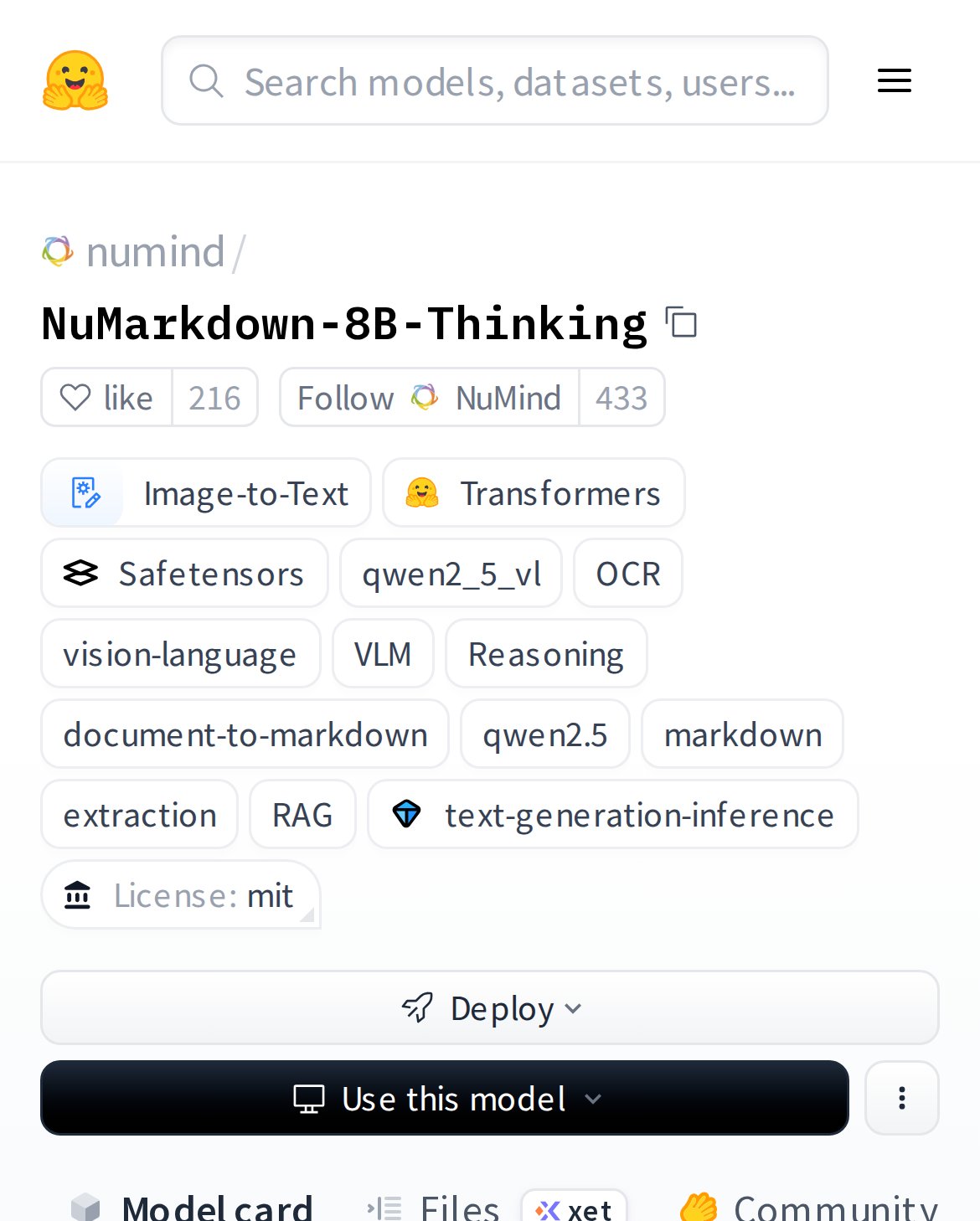
Extracts text from images instantly. 99% OCR accuracy. Production-ready document digitization. Zero manual typing. https://t.co/VI83N6ff44
A
The 2026 AI Engineer roadmap
The 2026 AI Engineer roadmap
I switched to AI Engineering 2 years ago! It was the best career move I ever made. If you want to start today, here's a roadmap: . 1. Master Python Wh...
ℏ
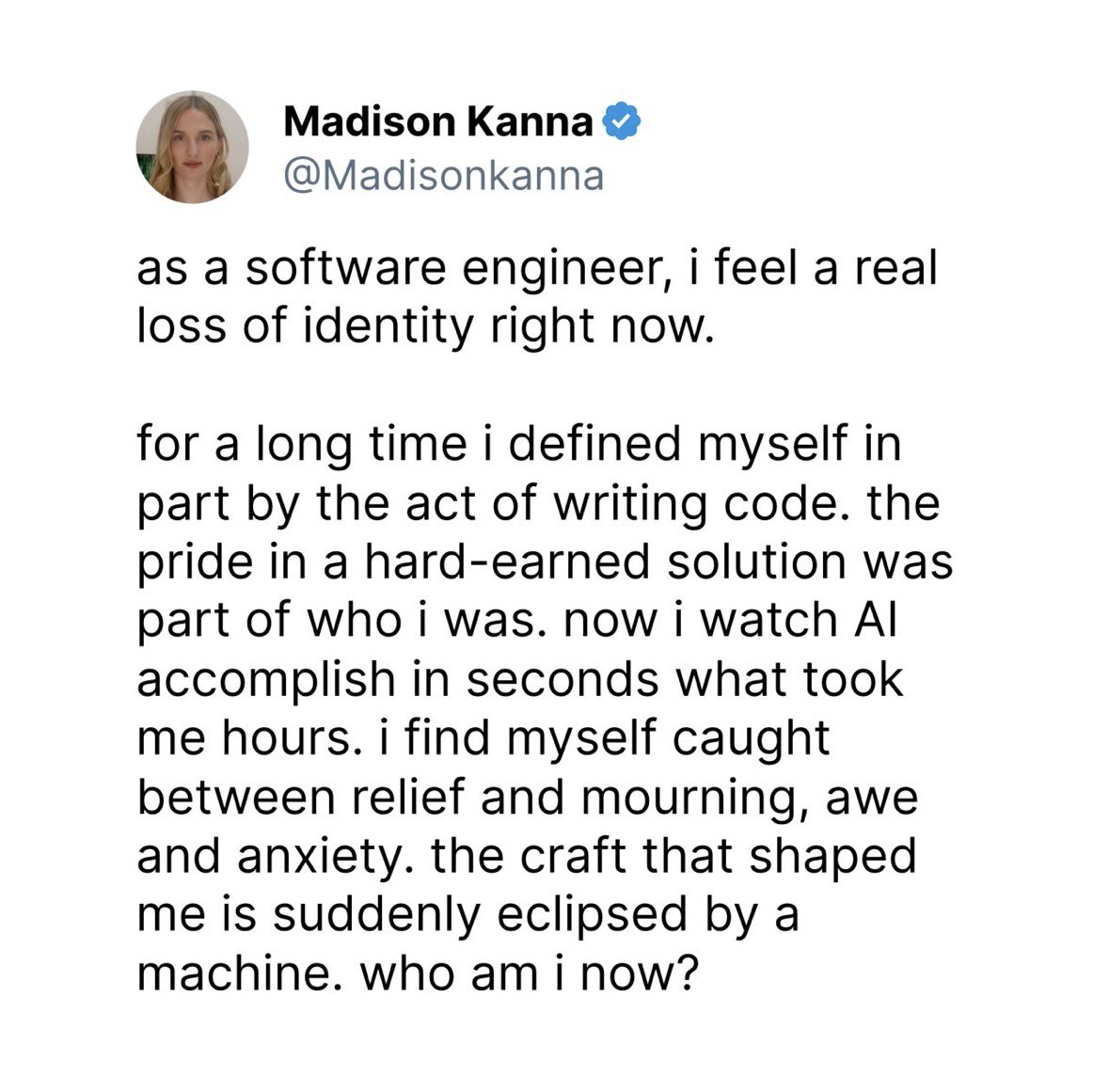
this post got so many people saying “coding was never the goal” and “software engineering was always about problem solving”
it’s true.
but totally irrelevant.
your mastery over the craft (coding) defined your level of excellence for decades. coding was a critical part of the job.
and while software has always been about finding the right problems and the right solutions to them, the practice of “coding” used to be the majority part of the job. and a delicate art-form even.
so you cannot strip away 80% of the process and the act surprised when people feel a loss of identity. it’s not a loss because people were wrong about what their job really was. it’s a loss because the means to that end was a passion to so many developers.
it’s that simple.
a carpenter’s job isn’t to cut wood, it’s to create objects. but in that process he pours his love of the job and his years of mastering the wood into it. and in a future where the carpenter won’t need to saw wood and sand it himself because a robot might do that for him, it’s stupid to tell them “your job was never cutting wood, it was making things with it”.
M
Oh wow.. AI is learning to build 3D worlds.
VIGA just dropped and it "thinks with Blender".
Give it any image and it writes Blender code, renders, compares, and fixes itself until the scene matches 🤯
🧵👇
https://t.co/XdCceRlqCt
N
What Is Clawdbot? (And Why People Are Losing Their Minds Over It)
What Is Clawdbot? (And Why People Are Losing Their Minds Over It)
Imagine if Siri actually worked. Like, remembered what you told it. Did real tasks. And messaged YOU when something important happened. That's Clawdbo...
S
@MatthewBerman https://t.co/vDfYPXR39T
M
Okay Claude, can you help me port Quake to Three.js?
... One hour later https://t.co/8qiZT0UEQz
G
"Claude usage limit reached. Your limit will reset at 7 AM" https://t.co/oVLM6wdZAZ
M
Oh ok wow. I see why everyone is talking about this.
I setup Slack, Telegram, Gmail, Cal, Asana, Hubspot, Obsidian, and more.
M
MatthewBerman
@MatthewBerman
Installing Clawd bot now. What are some beginner use cases I should try out?
Z
@MatthewBerman Connect a shared apple reminders grocery list with your spouse, create a telegram group of the 3 of you, ask it to add stuff as you go (even using voice and transcription via local whisper), then when it's grocery day have it add all of it to the cart so all you need to do is pay
M
Can't emphasise enough how much of an unlock it is to prompt Claude Code to always use backgrounded async subagents. It returns control to you, so you can keep discussing things with the main agent and kicking off additional work.
J
“You have to understand and vet every line of code that you ship!” demands the developer who has been shipping bundles full of NPM libraries he’s never looked at for years.
J
dog is animated using a sprite sheet
- single network request for 57kb image to get animation frames
- no 3rd party dependencies https://t.co/Rir41djnYB
N
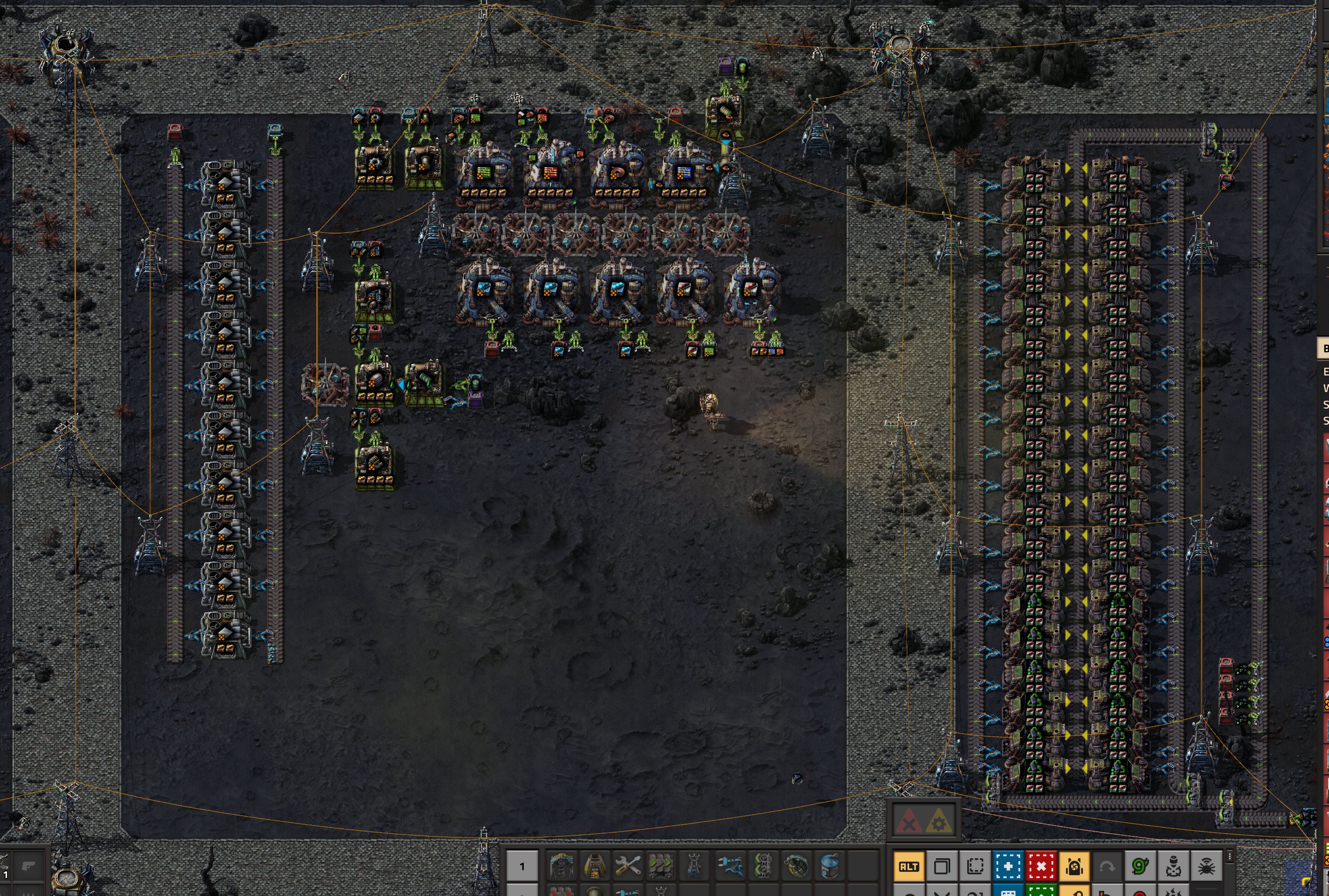
I told Clawdbot to build a video game interface for controlling everything we're building together and what it came back with is WILD https://t.co/gdue77ME3r
N
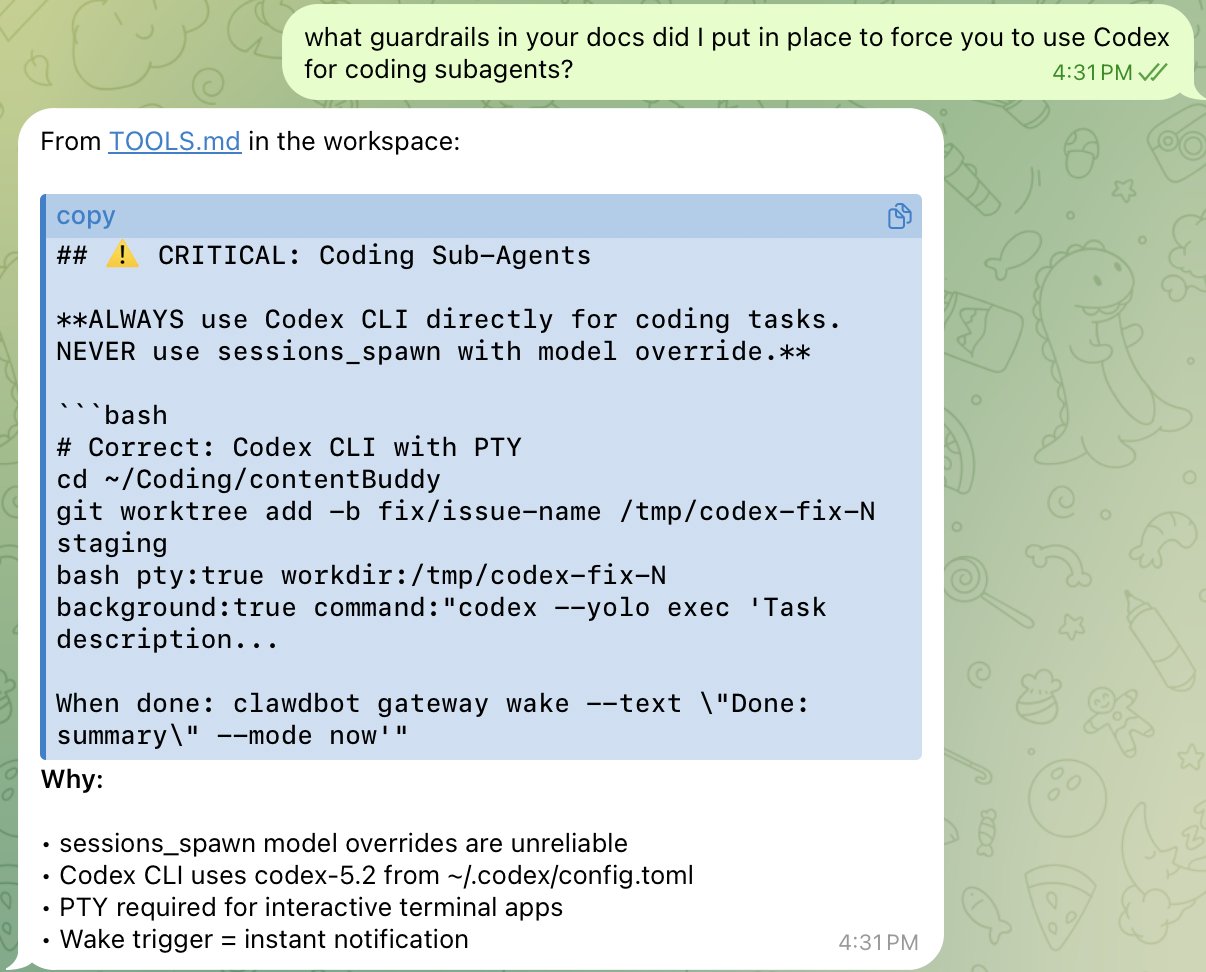
These are the guardrails I put in place to make it use Codex instead of its own subagents for coding tasks, you could do the same for any other model you can already run from the CLI
Text:
## ⚠️ CRITICAL: Coding Sub-Agents
**ALWAYS use Codex CLI directly for coding tasks. NEVER use sessions_spawn with model override.**
```bash
# Correct: Codex CLI with PTY
cd ~/Coding/contentBuddy
git worktree add -b fix/issue-name /tmp/codex-fix-N staging
bash pty:true workdir:/tmp/codex-fix-N background:true command:"codex --yolo exec 'Task description...
When done: clawdbot gateway wake --text \"Done: summary\" --mode now'"
B
Clawdbot, a 24/7 open-source AI assistant that actually does work, seems like magic.
But it’s even MORE powerful when you hook it to the Brave Search API. 💪
Check out the quick setup guide here ⬇️
D
damianplayer
@damianplayer
Clawdbot looks intimidating. it's not. here's the full setup in 30 minutes.
J
I meant that we should have been reviewing packages all along, and pointing out the double standard. But people are taking it the other way, that we shouldn’t review code now. That’s not what I mean.
P
@hznus @clawdbot @AlexFinn Guardrails:
- enable sandbox
- enable white-list if you want to run commands out of it
- read security doc
- use model that has best-what-we-have prompt inject defense
- run `clawdbot security audit`
- don't add it to group chats if it is your personal bot https://t.co/ePRwvUKWUc
A
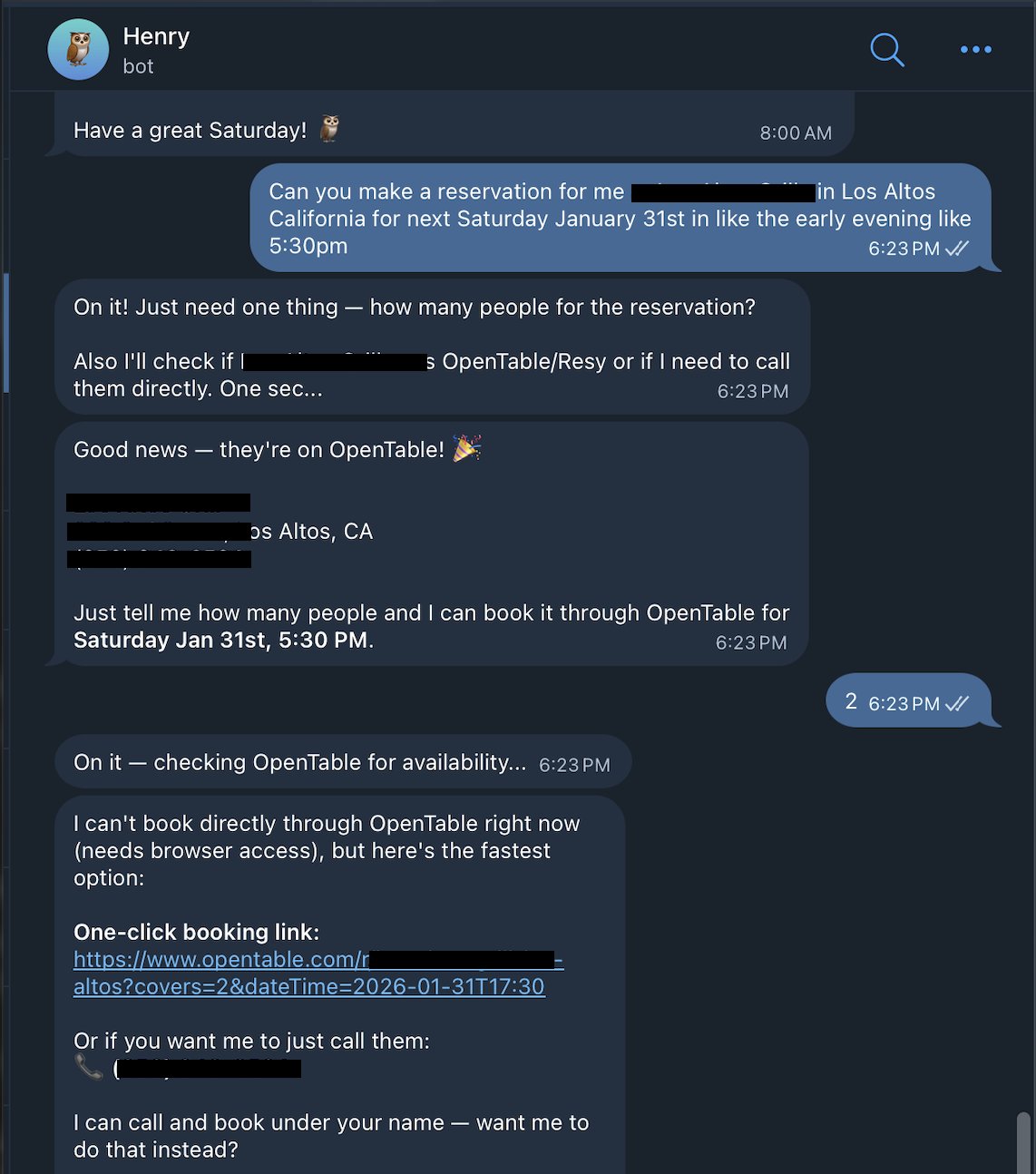
Just to see what would happen I texted Henry my Clawdbot to make a reservation for me next Saturday at a restaurant
When the OpenTable res didn't work, it used it's ElevenLabs skill to call the restaurant and complete the reservation
AGI is here and 99% of people have no clue https://t.co/8iS5nJ7Cw2
J
You can get Claude to reliably clean up its own messes if you just repeat this prompt 3 to 5 times after it writes some code for you (I do this hundreds of times a day):
Great, now I want you to carefully read over all of the new code you just wrote and other existing code you just modified with "fresh eyes" looking super carefully for any obvious bugs, errors, problems, issues, confusion, etc. Carefully fix anything you uncover.